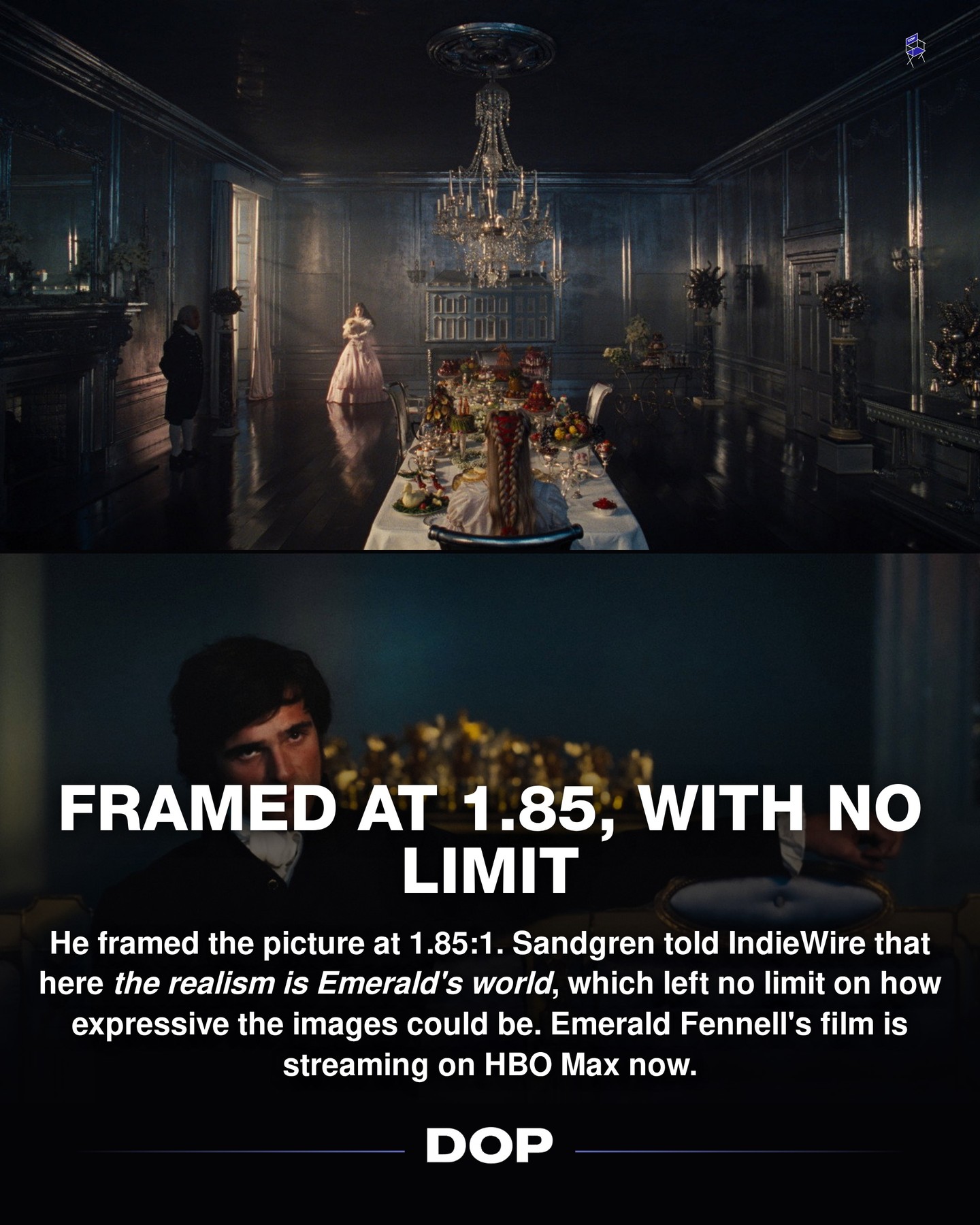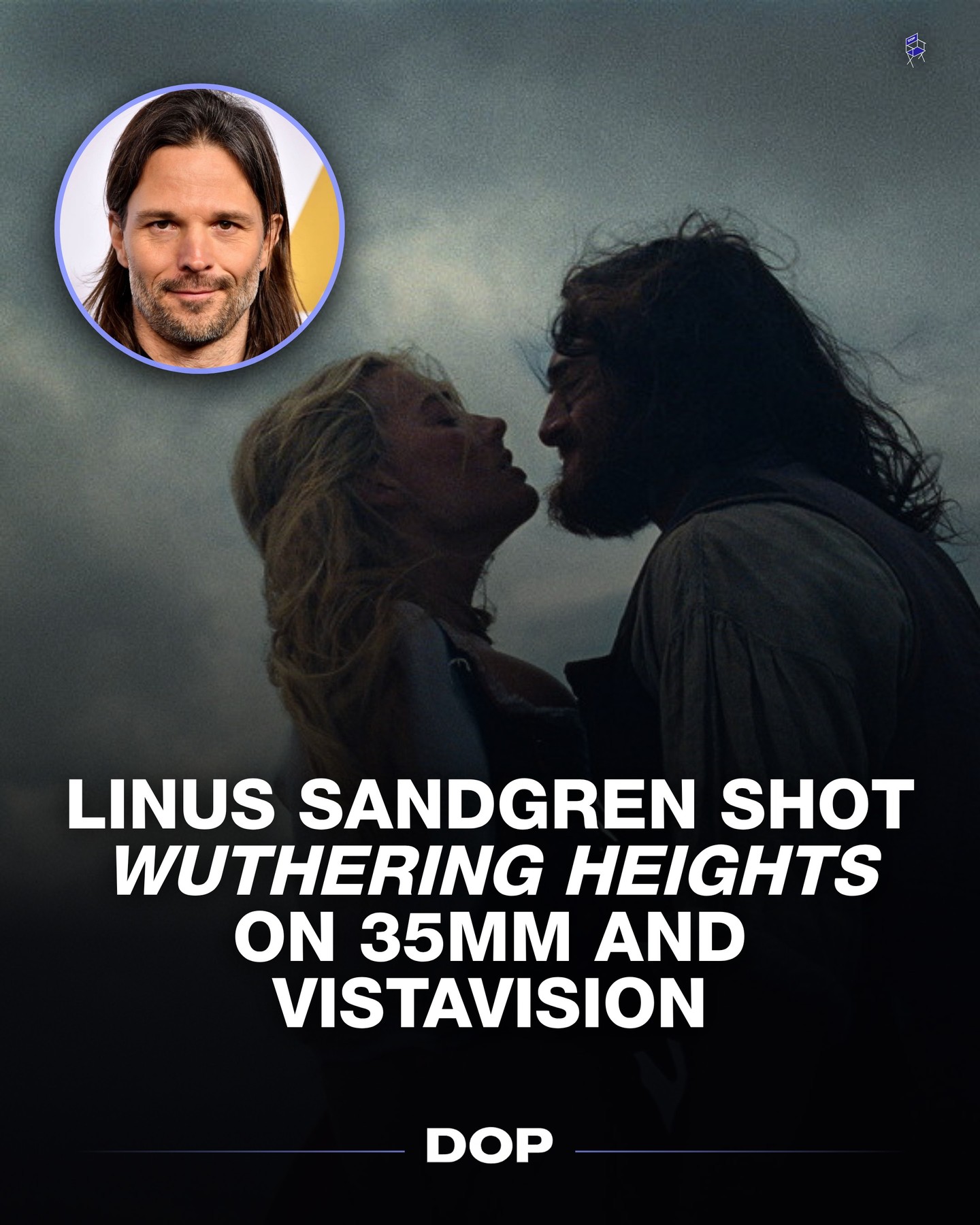
In an era where digital capture often reigns supreme, Linus Sandgren, ASC, FSF, consistently reminds us of the profound expressive power of celluloid. His work on Emerald Fennell’s 'Wuthering Heights', a project that, regrettably, remains a fascinating 'what if' in its final form, is a testament to this conviction, showcasing a bold, technically intricate approach to visual storytelling. The decision to intercut 3-perf 35mm with 8-perf VistaVision, all within a unified 1.85:1 aspect ratio, wasn't merely a technical flex; it was a deliberate manipulation of the cinematic canvas, designed to imbue specific moments with an almost subliminal sense of heightened reality and textural richness.
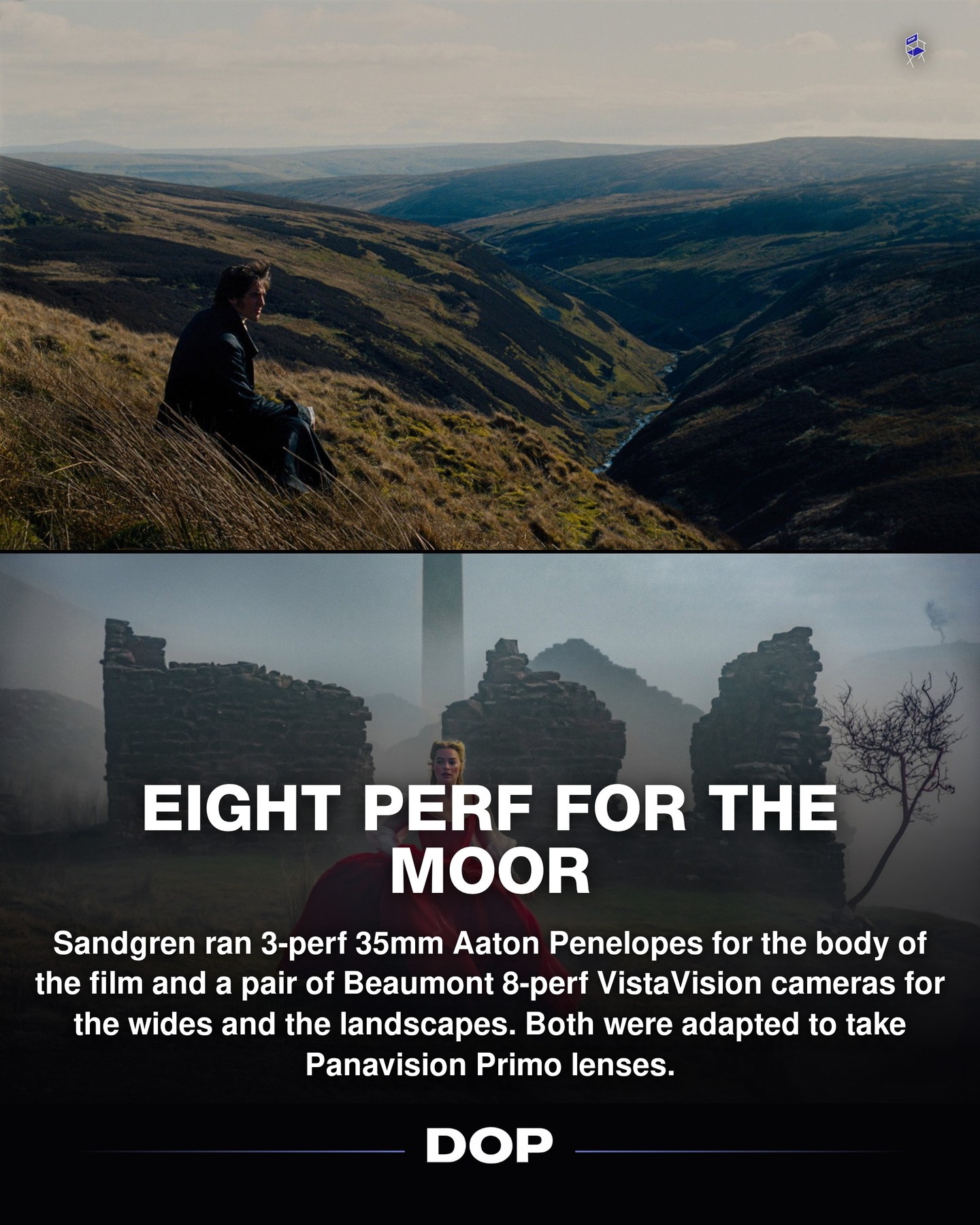
The core of Sandgren's methodology here lies in understanding the inherent qualities of film gauges. 3-perf 35mm, shot on Aaton Penelopes, offers a beautiful balance of grain, resolution, and film stock economy. It’s a workhorse format, capable of stunning imagery while maintaining a certain gritty authenticity. The Aaton Penelope, known for its ergonomic design and quiet operation, would have provided the agility necessary for Fennell's directorial style, allowing for fluid camera movement and intimate performances.
The VistaVision Advantage: A Canvas Reimagined
Where Sandgren truly pushed the envelope was with the integration of 8-perf VistaVision. Employing a pair of Beaumont cameras, a choice that speaks volumes about the commitment to bespoke, high-performance analog capture, VistaVision offered a negative area roughly four times that of 3-perf 35mm. This isn't about achieving a wider frame, as both formats were composed for 1.85:1. Instead, it's about density. A larger negative inherently captures more information, yielding finer grain, superior resolution, and a richer tonal scale. For a period piece like 'Wuthering Heights', this added textural depth would have been invaluable, allowing the stark Yorkshire moors and the intricate period details to breathe with an almost tactile presence.
“The audience never sees the format change, they see certain moments arrive with more information in them.”
The choice of Panavision Primos lenses across both formats further unified the aesthetic. Primos are celebrated for their optical quality, offering a beautiful balance of sharpness and organic fall-off, with a classic filmic character that avoids overly clinical perfection. This consistency in glass ensures that despite the radical difference in negative size, the focal length characteristics, depth of field rendition, and overall lens personality remain coherent, preventing jarring shifts that might pull the audience out of the narrative. The genius of Sandgren's approach is in this seamless integration; the format shift is not a spectacle but a subtle enhancement, a whisper of increased fidelity in key emotional or visually significant sequences.
Beyond Resolution: Texture, Grain, and Emotional Impact
This dual-gauge strategy speaks to a profound understanding of how film texture impacts emotional resonance. The shift from the slightly more pronounced grain of 3-perf to the almost imperceptible structure of VistaVision would have provided a subconscious cue to the audience, signaling moments of heightened importance, grandeur, or intimacy. Imagine Heathcliff’s brooding intensity or Catherine’s wild abandon rendered with the immense detail only VistaVision can provide, the subtle glint in an eye, the weave of period fabric, the texture of a windswept landscape, all rendered with an unparalleled photographic richness. This isn't just about 'more pixels'; it's about a more profound engagement with the photographic medium itself, leveraging its physical properties to deepen the viewer's experience.
Sandgren’s filmography, from the vibrant, meticulously crafted worlds of 'La La Land' and 'Babylon' to the stark realism of 'First Man', consistently demonstrates a cinematographer who uses every tool at his disposal, be it anamorphic, spherical, large format, or even mixing film stocks, to serve the story. His visual style is characterized by a bold use of color, dynamic camera movement, and a deep reverence for the photochemical process. In 'Wuthering Heights', this philosophy would have manifested in a deeply textured, atmospheric visual language, where the very fabric of the image evolved to match the narrative's emotional peaks and valleys.
While the film’s journey to the screen remains shrouded in some mystery, the technical ambition behind Sandgren's original vision for 'Wuthering Heights' stands as a powerful example of pushing the boundaries of traditional cinematography. It’s a reminder that true artistry lies not just in mastering the tools, but in understanding how their unique characteristics can be harnessed to create a richer, more immersive, and emotionally resonant cinematic experience. It's a testament to the fact that even in a digital age, the nuanced language of celluloid, especially when wielded by a master like Sandgren, continues to offer unparalleled expressive possibilities.