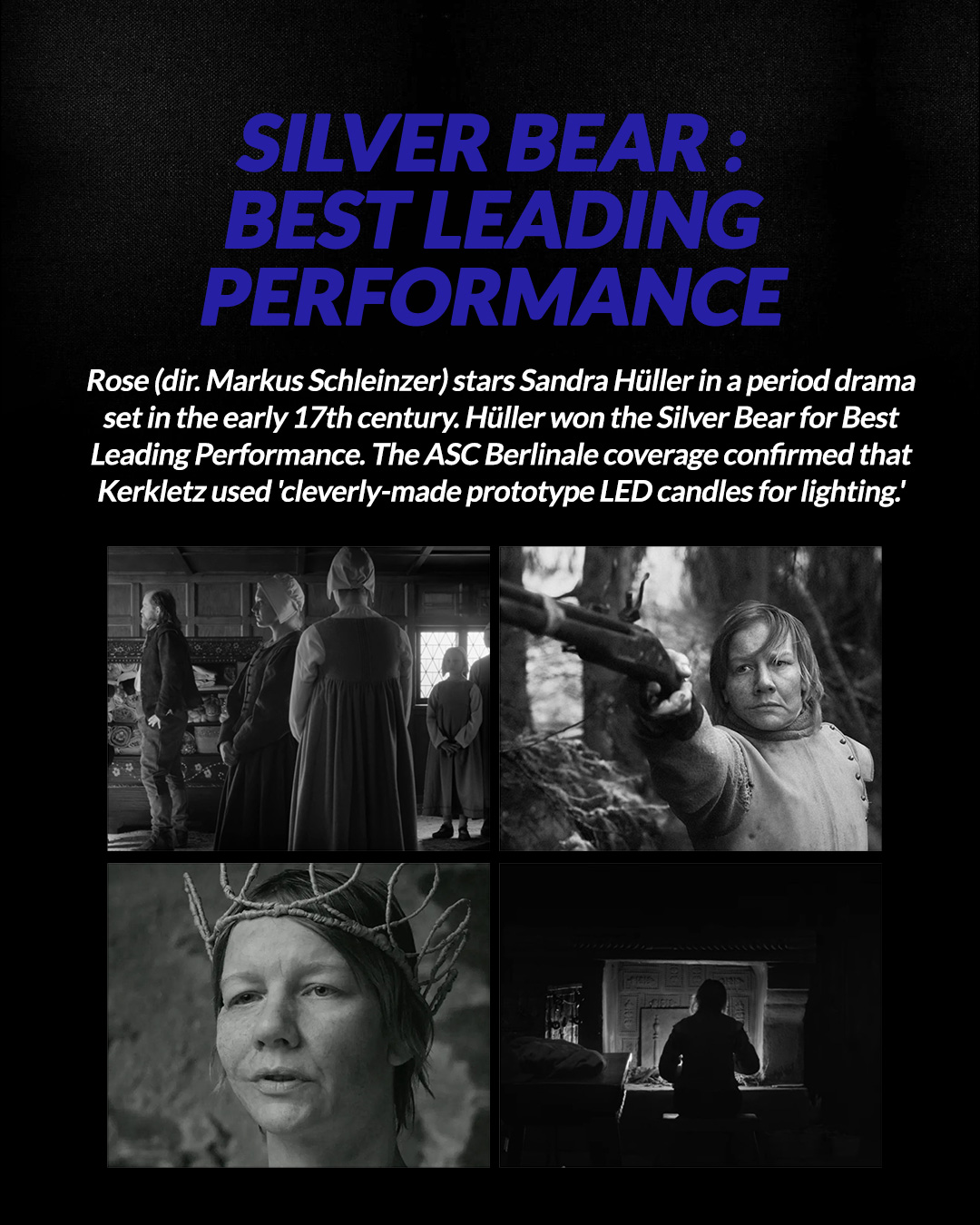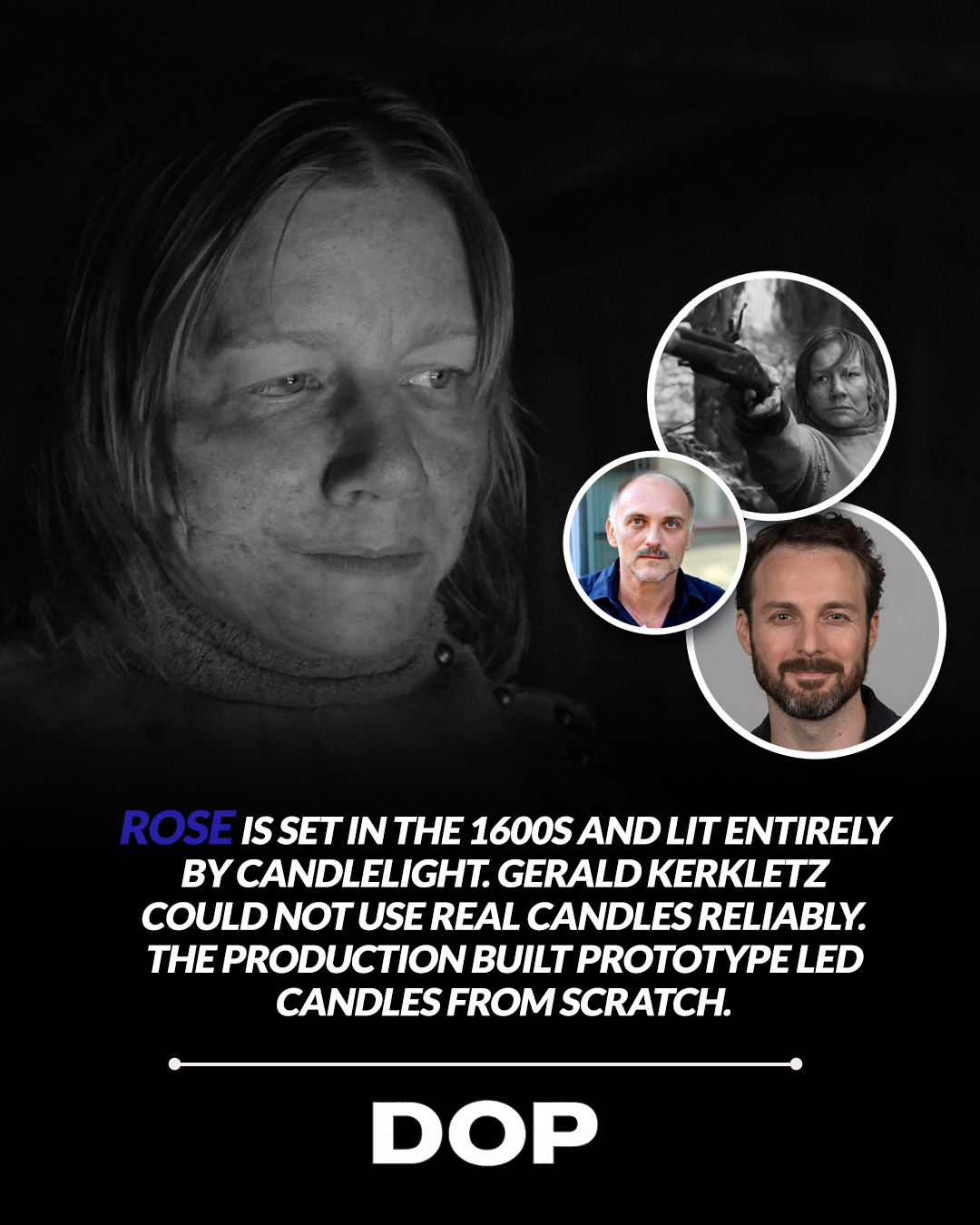
In the hallowed halls of cinema, few challenges are as daunting, or as rewarding, as faithfully recreating the ambient light of a bygone era. For Markus Schleinzer’s Berlinale-premiering masterpiece, Rose, cinematographer Gerald Kerkletz embarked on a journey to the 17th century, a world where the flicker of a flame was the primary source of illumination. The commitment to this aesthetic, particularly the audacious decision to light the entire film by 'candlelight,' immediately positions Rose as a landmark achievement in visual storytelling and technical ingenuity.
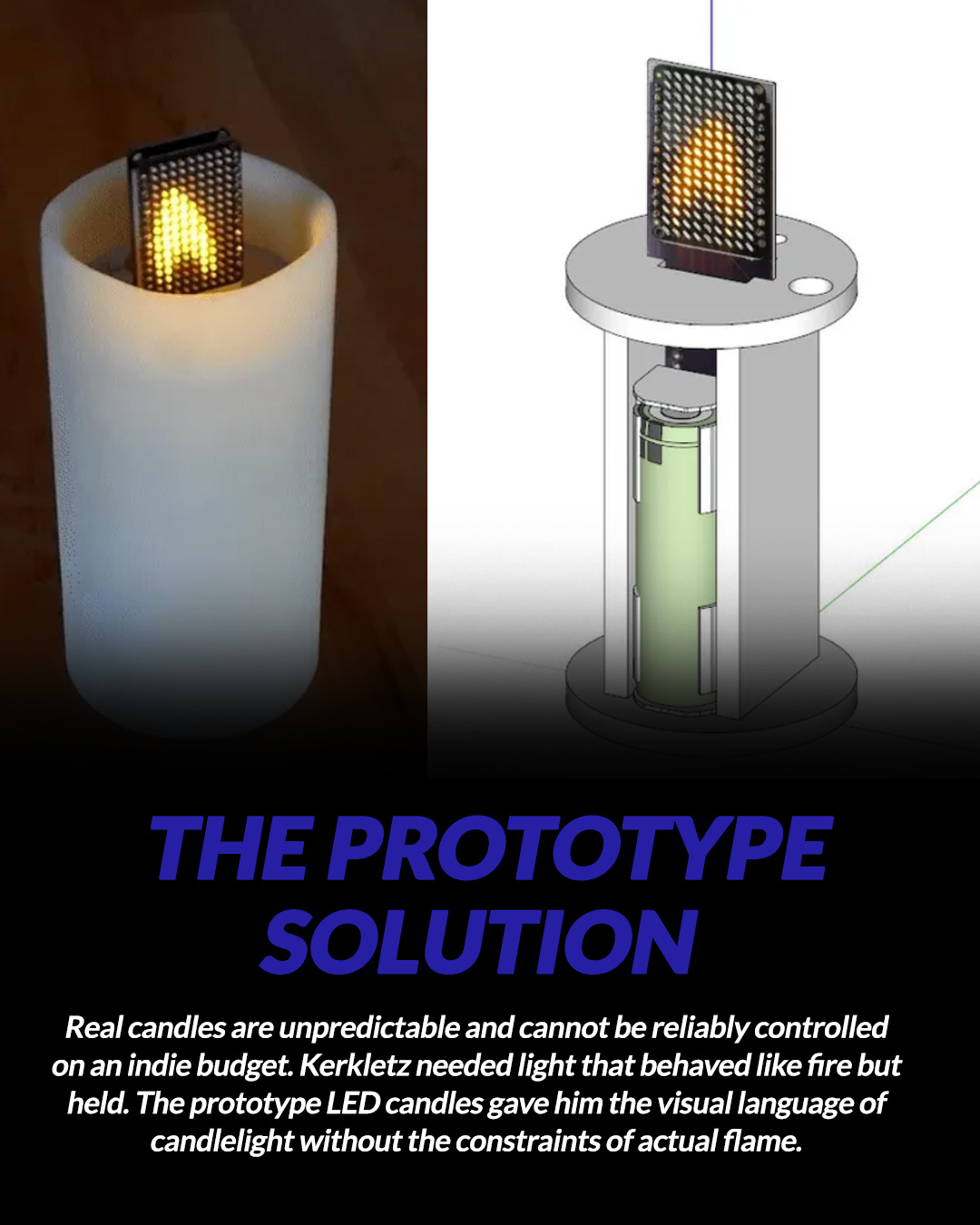
The allure of genuine candlelight in period dramas is undeniable. It imbues a scene with an organic, dancing quality, a soft, warm glow that modern electric sources struggle to replicate. Yet, as any seasoned DP or gaffer will attest, real candles are a logistical nightmare. Their unpredictable flicker, rapid consumption, and inherent safety risks make them notoriously difficult to control, especially on an independent film budget where reshoots are a luxury. This is where Kerkletz’s brilliance truly shines through: his team’s development of 'cleverly-made prototype LED candles' – a detail confirmed in ASC Berlinale coverage – wasn't just a workaround; it was a revolution.
The Art of Controlled Flame
The challenge for Kerkletz was to capture the visual language of candlelight – its inherent warmth, its dynamic range from soft glow to deep shadow, its intimate character – without succumbing to its practical limitations. Traditional approaches often involve an array of small, dimmable LED fixtures gelled for warmth, perhaps with some physical flickering elements. However, Rose demanded a more integrated solution, one where the light source itself was the 'candle.' By crafting bespoke LED prototypes, Kerkletz bypassed the need for external fixtures attempting to mimic a flame. Instead, the 'flame' itself was the controllable, consistent, and safe light source.
“The prototype LED candles gave Kerkletz the visual language of candlelight without the constraints of actual flame.”
This approach allowed for an unprecedented level of control over the light’s intensity, color temperature, and flicker rate, all while maintaining the authenticity of a practical light source within the frame. Imagine the precision: being able to dial in the exact warmth of a beeswax taper, the rapid dance of a gust-affected flame, or the languid pulse of a dying wick, all from a DMX board rather than a bucket of replacement candles. This is the paradigm shift Kerkletz orchestrated. It’s not merely about mimicking light; it’s about controlling its very essence.
Beyond the Glow: Black and White's Embrace
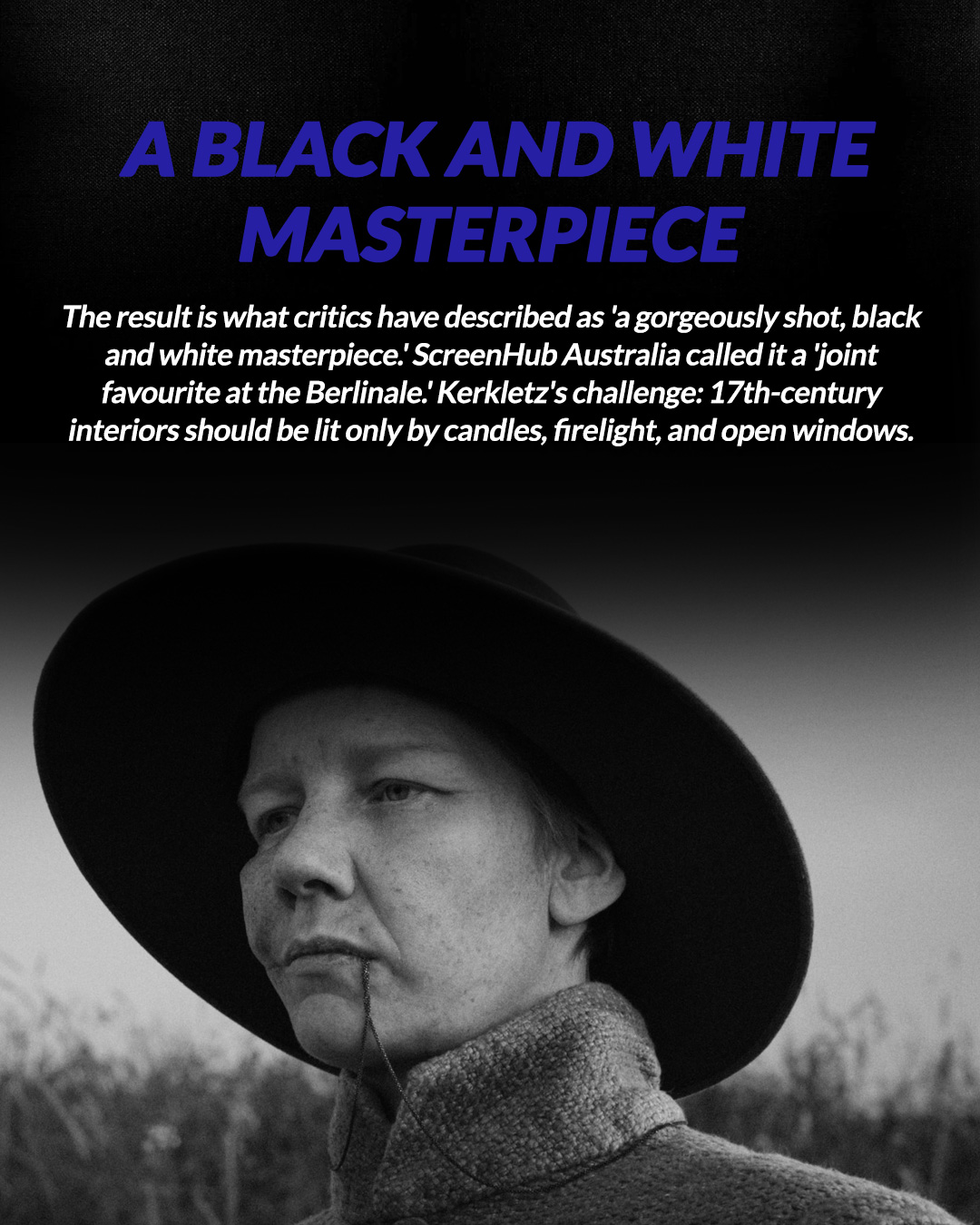
The decision to shoot Rose in black and white further amplifies the impact of Kerkletz's lighting philosophy. In a monochrome palette, light and shadow become the primary narrative tools, stripped of the distractions of color. The subtle gradations of light, the deep, velvety blacks, and the stark highlights created by those LED candles would have been meticulously crafted to sculpt faces, define spaces, and evoke mood. This is where a cinematographer's mastery of contrast and luminance truly comes to the fore. The inherent drama of flickering light, especially in black and white, lends itself to a painterly quality, reminiscent of Caravaggio or Georges de La Tour, whose works often explored the dramatic interplay of chiaroscuro.
While specific camera and lens choices for Rose have yet to be fully disclosed, one can infer that a camera with exceptional low-light sensitivity and dynamic range would have been paramount. Perhaps a high-end digital cinema camera known for its clean blacks and nuanced highlight rendition, like an ARRI Alexa Mini LF or a Sony Venice, paired with fast, character-rich lenses that can handle wide apertures without compromising sharpness. The choice of sensor and its color science (even for a black and white film, the underlying color rendition impacts luminance values) would have been critical in capturing the rich texture of the candlelight and the subtle shifts in illumination.
A New Horizon for Period Cinematography
Gerald Kerkletz, an Austrian cinematographer whose filmography demonstrates a keen eye for atmospheric storytelling, has not just solved a technical problem with Rose; he has opened a new door for independent cinema. His innovation proves that budgetary constraints need not compromise artistic vision, but rather, can be a catalyst for groundbreaking solutions. The critical reception, describing the film as 'a gorgeously shot, black and white masterpiece,' is a testament to the success of this audacious endeavor.
For DPs navigating the complexities of historical narratives, Kerkletz's work on Rose offers a compelling blueprint. It underscores the importance of deep technical understanding, creative problem-solving, and an unwavering commitment to the visual integrity of the story. The 'candlelight' in Rose is more than just illumination; it's a character, a mood, and a testament to the evolving artistry of cinematography in the 21st century.
This article contains affiliate links. We may earn a small commission at no extra cost to you. Learn more.