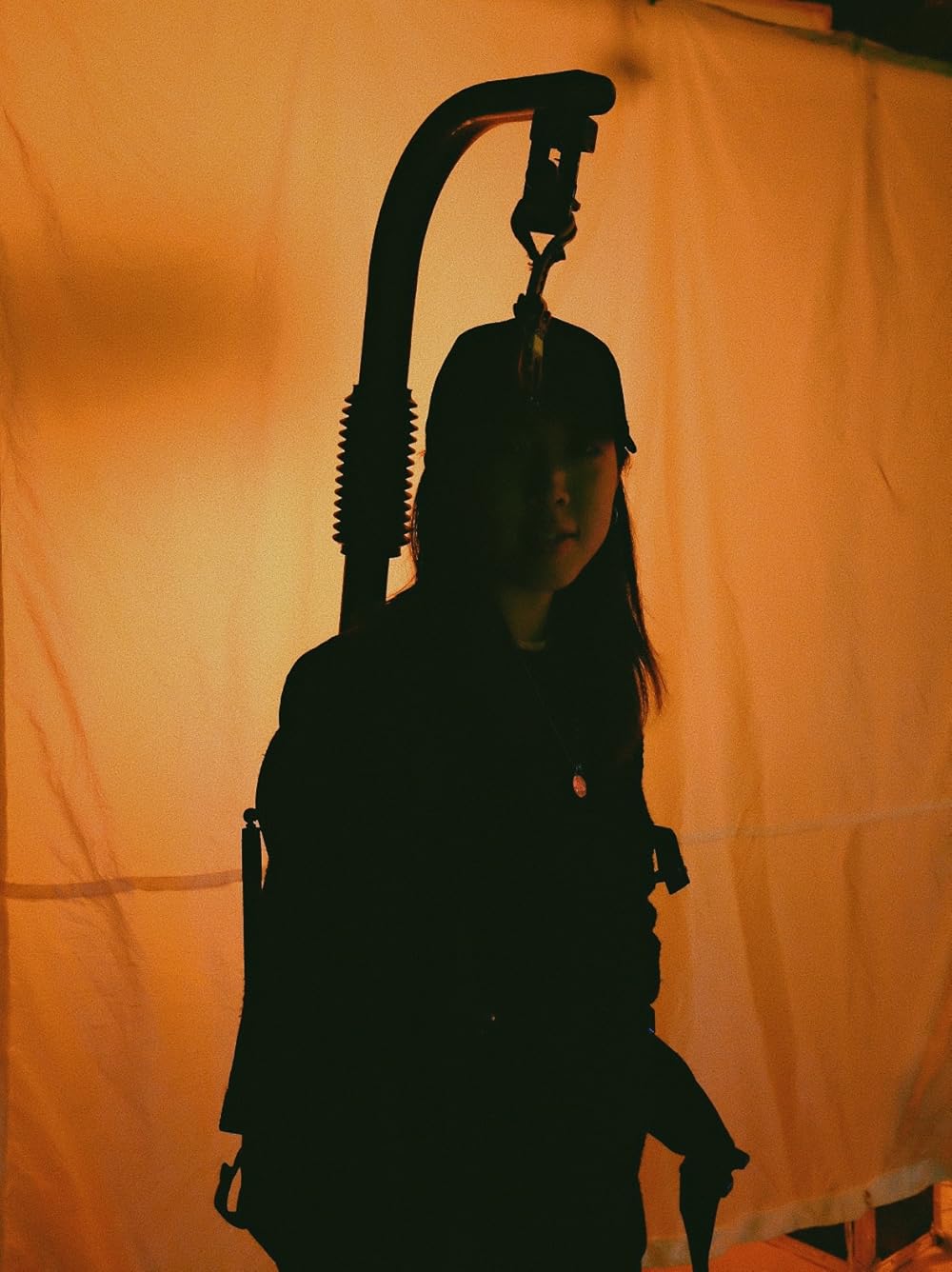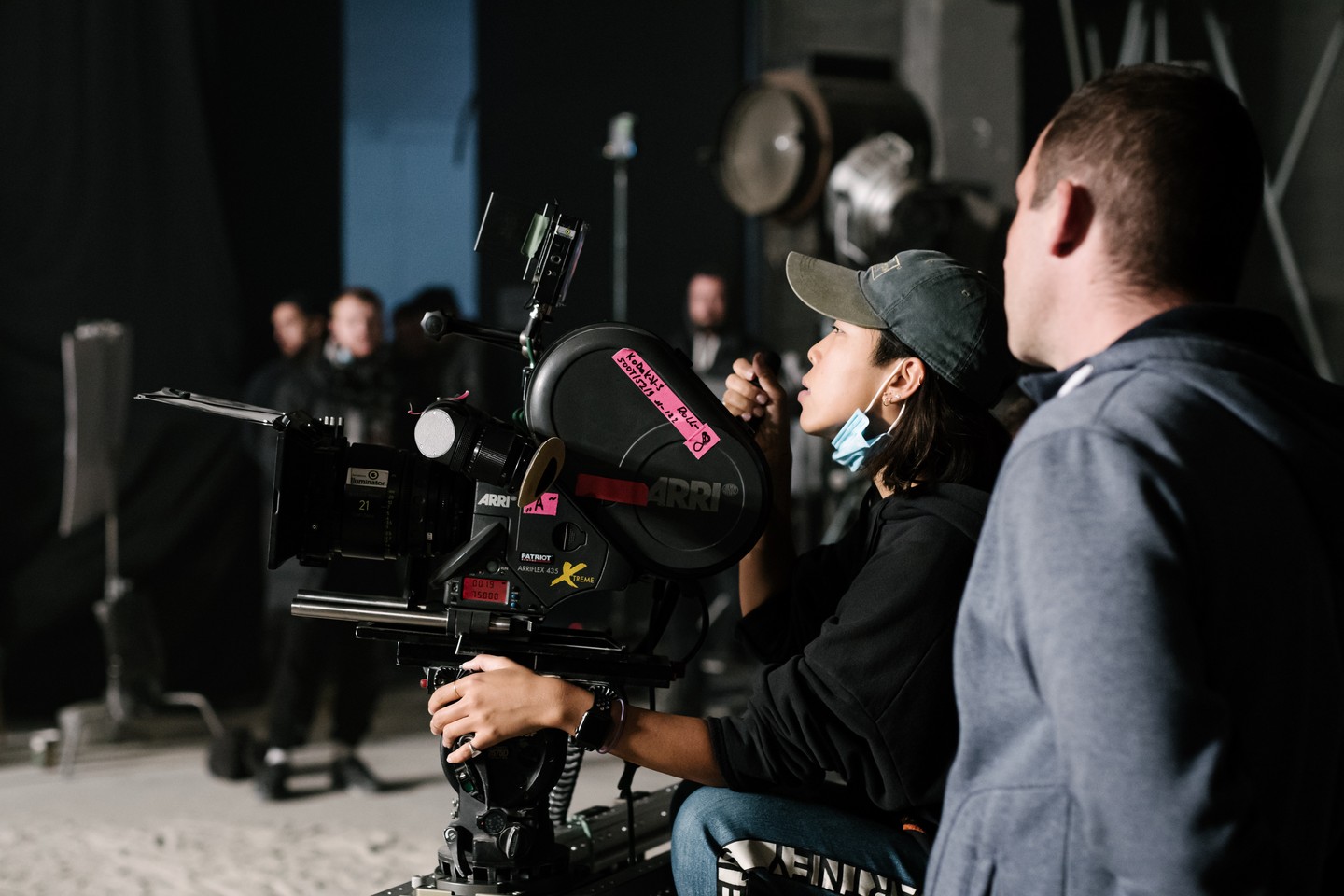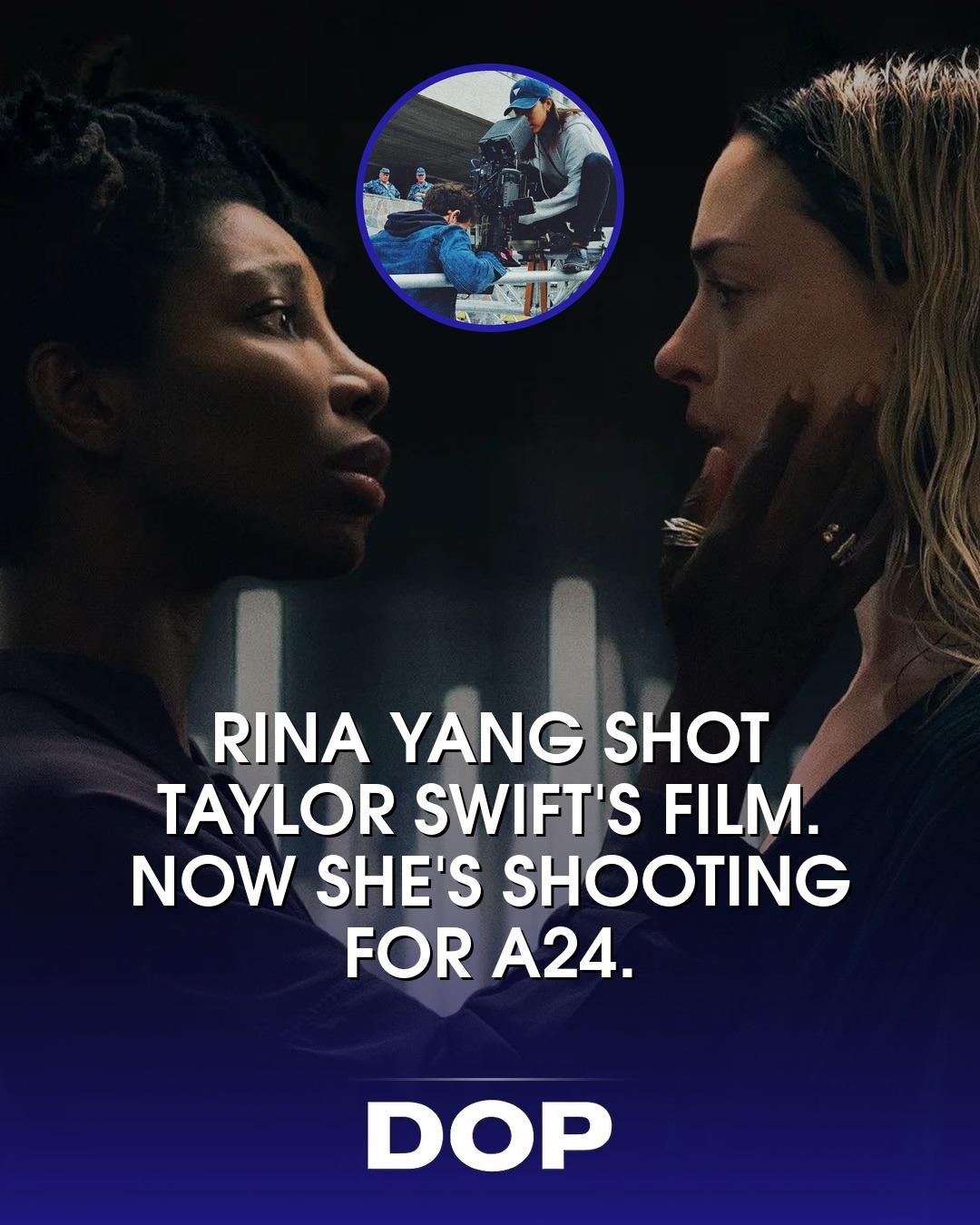
The announcement of Rina Yang as the cinematographer for David Lowery’s upcoming A24 feature, Mother Mary, starring Anne Hathaway, sends a clear signal: we are witnessing the rise of a truly versatile and emotionally incisive visual storyteller. Yang, whose recent credits traverse the glittering landscape of music videos to the raw intimacy of independent features, is rapidly carving out a niche defined by its fluidity between grand spectacle and profound psychological introspection. This project, described as oscillating between 'pop spectacle and psychological intimacy,' is precisely the kind of challenge that allows a cinematographer of Yang’s caliber to truly shine.
The Visual Architect of Emotion
Yang’s journey is a fascinating case study in artistic evolution. Her work on Taylor Swift’s All Too Well: The Short Film, which garnered a Grammy for Best Music Video, showcased her remarkable ability to craft narratives within a heightened, almost operatic visual framework. That film, drenched in autumnal hues and imbued with a melancholic, almost nostalgic glow, demonstrated a sophisticated understanding of color as an emotional conduit. The lens choices, often favoring an anamorphic aesthetic, created a sense of epic romance and inevitable heartbreak, perfectly mirroring the song's narrative. This wasn't merely about making a pop star look good; it was about translating raw emotion into a tangible visual experience, a skill that undoubtedly caught the eye of filmmakers like Lowery.
“Yang’s ability to transition seamlessly from the controlled chaos of a music video set to the nuanced demands of an A24 drama speaks volumes about her technical prowess and emotional intelligence.”
Contrast this with her work on Rachel Morrison’s The Fire Inside, where the visual language likely leaned into a more naturalistic, character-driven aesthetic, a hallmark of Morrison’s directorial style. This adaptability is critical. A cinematographer is not merely a technician; they are a co-author of the film's emotional core. Yang’s choice of camera and glass is never arbitrary; it’s a deliberate decision to sculpt the audience’s experience. Whether it's the crisp, high-resolution clarity of a modern digital cinema camera like an ARRI Alexa Mini LF for a contemporary, hyper-real feel, or the softer, more organic fall-off of vintage anamorphics for a dreamlike quality, her choices serve the story.
The Lowery-Yang Collaboration: A Match Made in Visual Heaven
David Lowery is a director known for his distinctive visual style, often characterized by a meditative pace, a keen sense of atmosphere, and a willingness to explore complex emotional landscapes. Films like A Ghost Story, The Green Knight, and Pete's Dragon all boast unique visual identities that are integral to their storytelling. Lowery's collaboration with Andrew Droz Palermo on films like A Ghost Story and The Green Knight yielded visually striking results, often utilizing natural light and a painterly approach to composition.
The pairing of Lowery with Yang on Mother Mary suggests a fascinating new chapter. Yang's command of lighting, particularly her ability to sculpt faces and environments with both hard and soft sources, will be crucial in depicting Anne Hathaway's pop star character. Imagine the stark, almost alienating glow of stage lights juxtaposed with the intimate, vulnerable shadows of a private moment. This interplay of light and shadow, often achieved through meticulous gaffing and a deep understanding of practicals versus motivated light, will be key to distinguishing the 'pop spectacle' from the 'psychological intimacy.'
Beyond the Hype: Technical Nuance and Artistic Vision
What sets cinematographers like Rina Yang apart is not just their eye for composition, but their deep understanding of the technical tools at their disposal. Her rapid ascent speaks to a mastery of film grammar and an intuitive grasp of how to manipulate light, color, and texture to evoke specific feelings. The choice of sensor — whether a large format sensor for shallow depth of field and immersive qualities, or a Super 35 for a more classic cinematic feel — directly impacts the film's aesthetic and emotional resonance. Paired with this is the selection of lenses, each with its own unique character, from the pristine clarity of modern primes to the organic imperfections of vintage glass. Yang's filmography suggests a willingness to experiment and adapt her toolkit to the demands of each project, rather than adhering to a single signature look.
As Mother Mary moves into production, the cinematography community will be watching Yang’s work closely. Her ability to transition seamlessly from the controlled chaos of a music video set to the nuanced demands of an A24 drama speaks volumes about her technical prowess and emotional intelligence. This project is poised to be a significant milestone in her career, further cementing her reputation as one of the most exciting and dynamic cinematographers working today, capable of translating the grandeur of pop into the quiet whispers of the soul.
This article contains affiliate links. We may earn a small commission at no extra cost to you. Learn more.