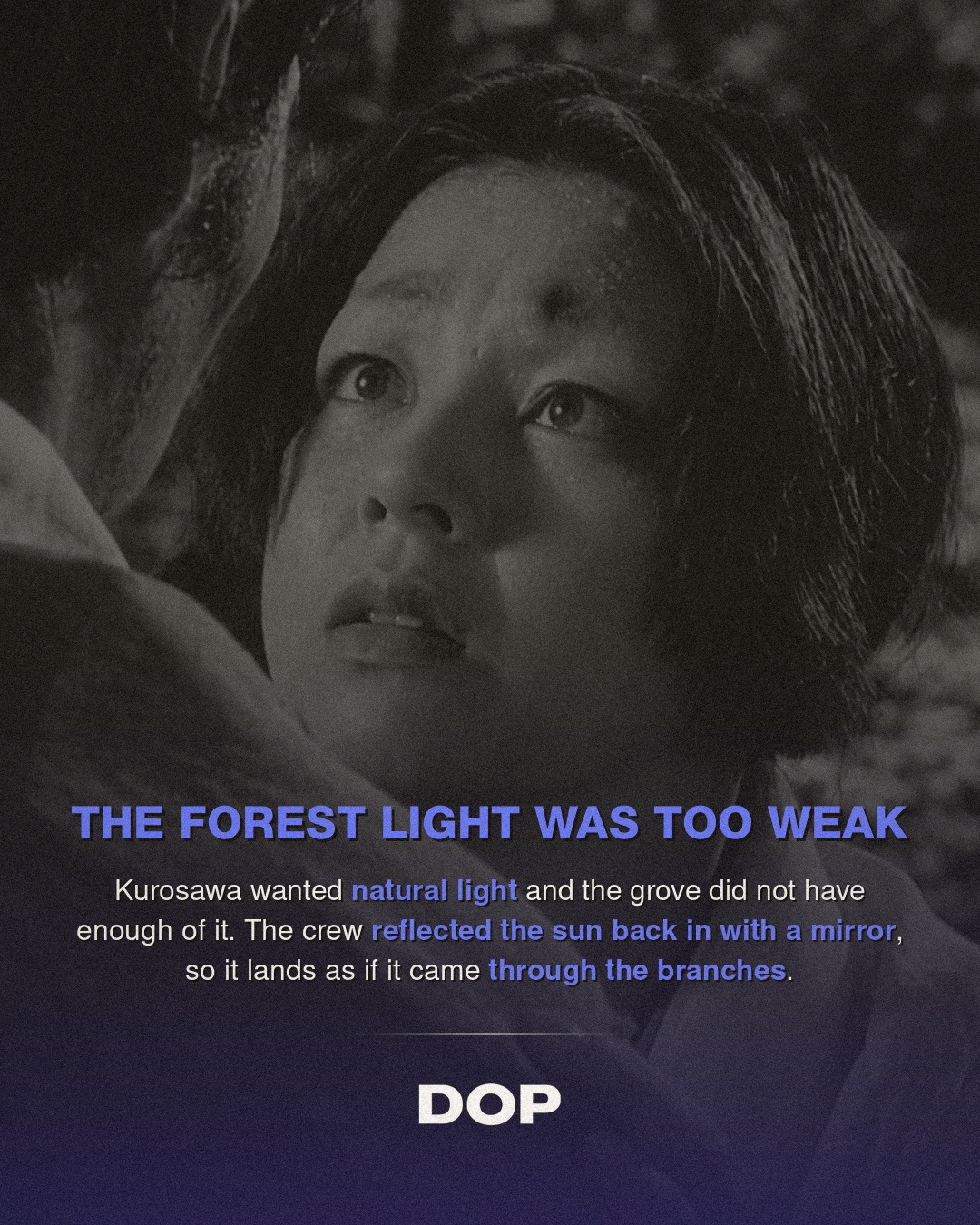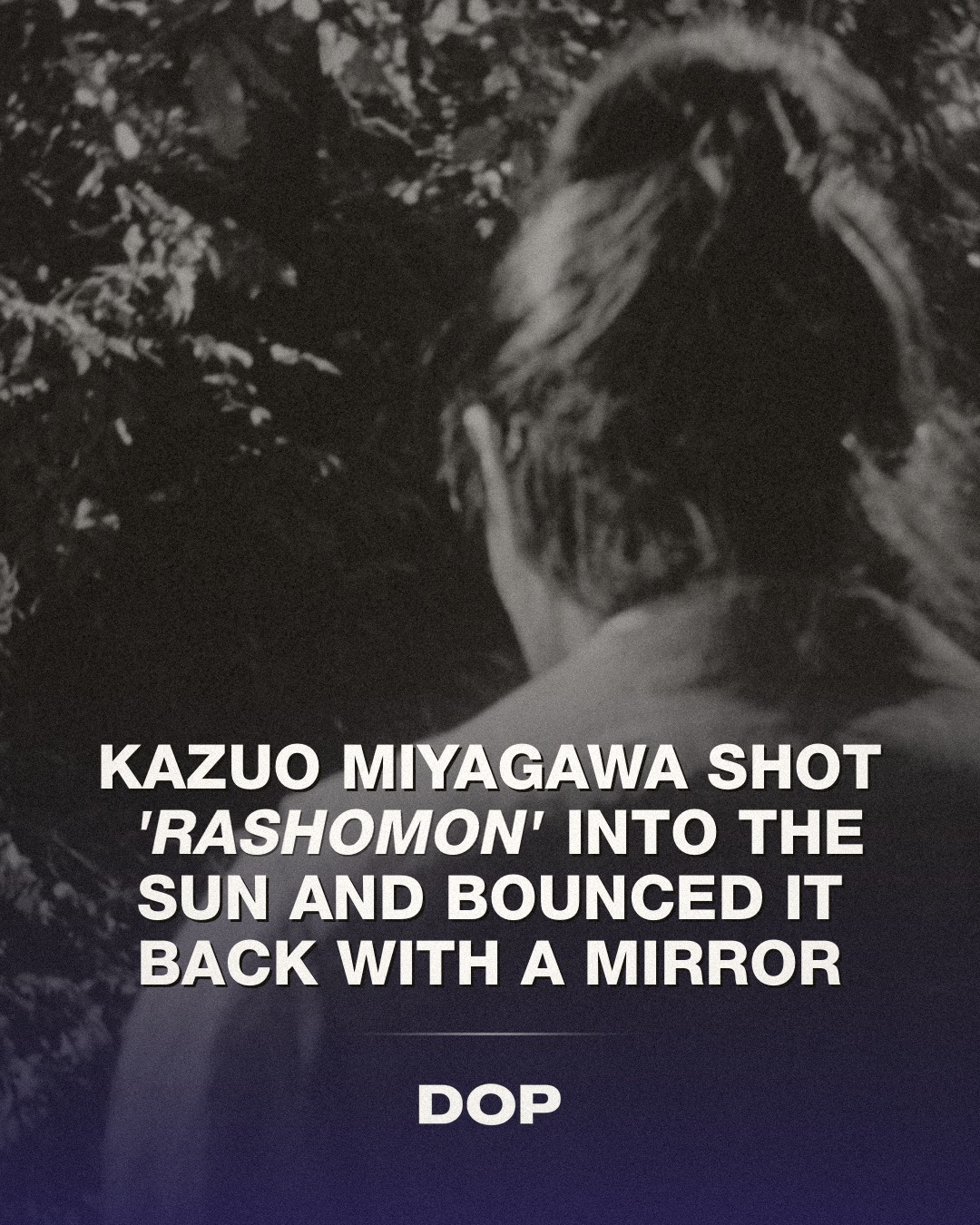
Akira Kurosawa’s 1950 masterpiece, Rashomon, isn't just a landmark in narrative structure; it's a profound statement on cinematic light and shadow, largely thanks to the audacious artistry of cinematographer Kazuo Miyagawa. The film's iconic forest scenes, drenched in dappled sunlight that feels both ethereal and oppressive, are a testament to Miyagawa's willingness to break conventional rules and invent solutions on the fly. The oft-cited anecdote, that the sun was literally bounced off a mirror to illuminate the dense grove, isn't just a production story; it's a foundational lesson in practical problem-solving and visual philosophy.
In an era where studio lighting reigned supreme, Miyagawa, a veteran of Japanese cinema known for his work with Kenji Mizoguchi, embraced the raw, untamed quality of natural light. The challenge of the forest, with its canopy devouring available light, spurred an ingenious solution: using a large mirror to redirect the sun's harsh, directional rays onto the actors. This wasn't merely about exposure; it was about shaping light, mimicking the way sunlight would naturally penetrate the foliage, creating those distinct, moving patterns that play across the faces of Toshiro Mifune and Machiko Kyō. This technique, while seemingly simple, required immense precision and coordination, transforming a practical necessity into a deliberate aesthetic choice that underscored the film's themes of perception and subjective truth.
The Art of Imperfection: Embracing Reality
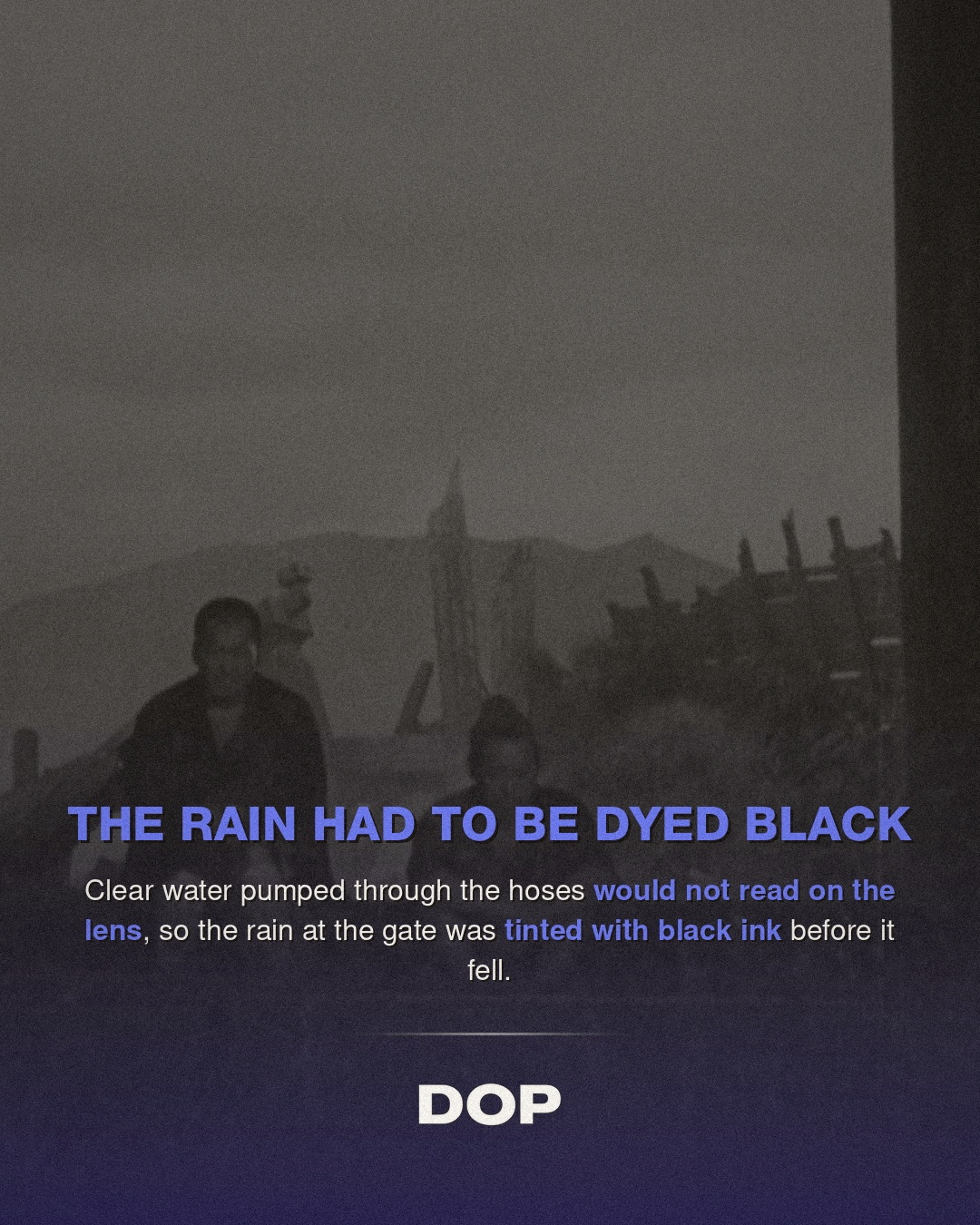
Miyagawa’s approach to Rashomon was deeply rooted in a philosophy of embracing the environment, rather than imposing artificiality upon it. His own words, shared with American Cinematographer in 1960, reveal a DP who saw himself as an interpreter of reality: he photographed locations “almost as he found them.” This commitment to authenticity extended beyond just light. Consider the rain sequence at the titular gate. Clear water, as Miyagawa understood, simply wouldn't register with the necessary visual weight on the era's film stock. His solution? Tinting the rain with black ink. This pragmatic adjustment wasn't about special effects; it was about enhancing the visual information for the audience, ensuring the rain felt tangible, oppressive, and integral to the scene's mood.
“Miyagawa's work on Rashomon wasn't just about capturing images; it was about crafting a visual language that spoke to the film's core themes of truth, perception, and the elusive nature of reality itself.”
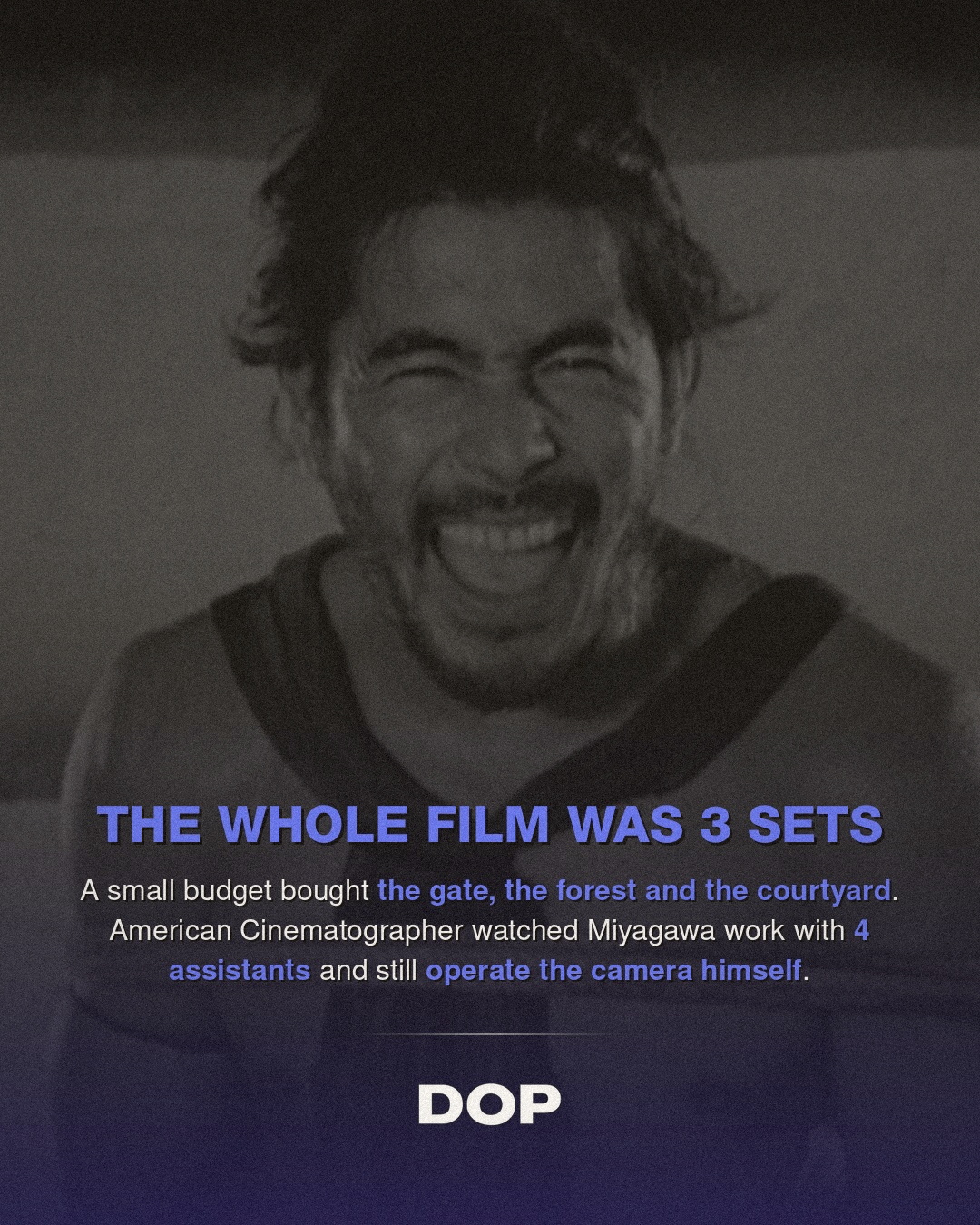
This willingness to manipulate reality for the sake of cinematic impact, while maintaining a naturalistic veneer, highlights Miyagawa’s genius. He understood the medium's limitations and leveraged them, turning technical hurdles into artistic opportunities. The stark contrast between the blinding sun in the forest and the bleak, inky rain at the gate creates a dynamic visual tapestry that mirrors the moral ambiguities explored in Kurosawa's narrative. His decision to operate the camera himself further underscores his hands-on, intuitive approach, allowing for an intimate connection between the DP's eye and the final image.
A Legacy of Light and Innovation
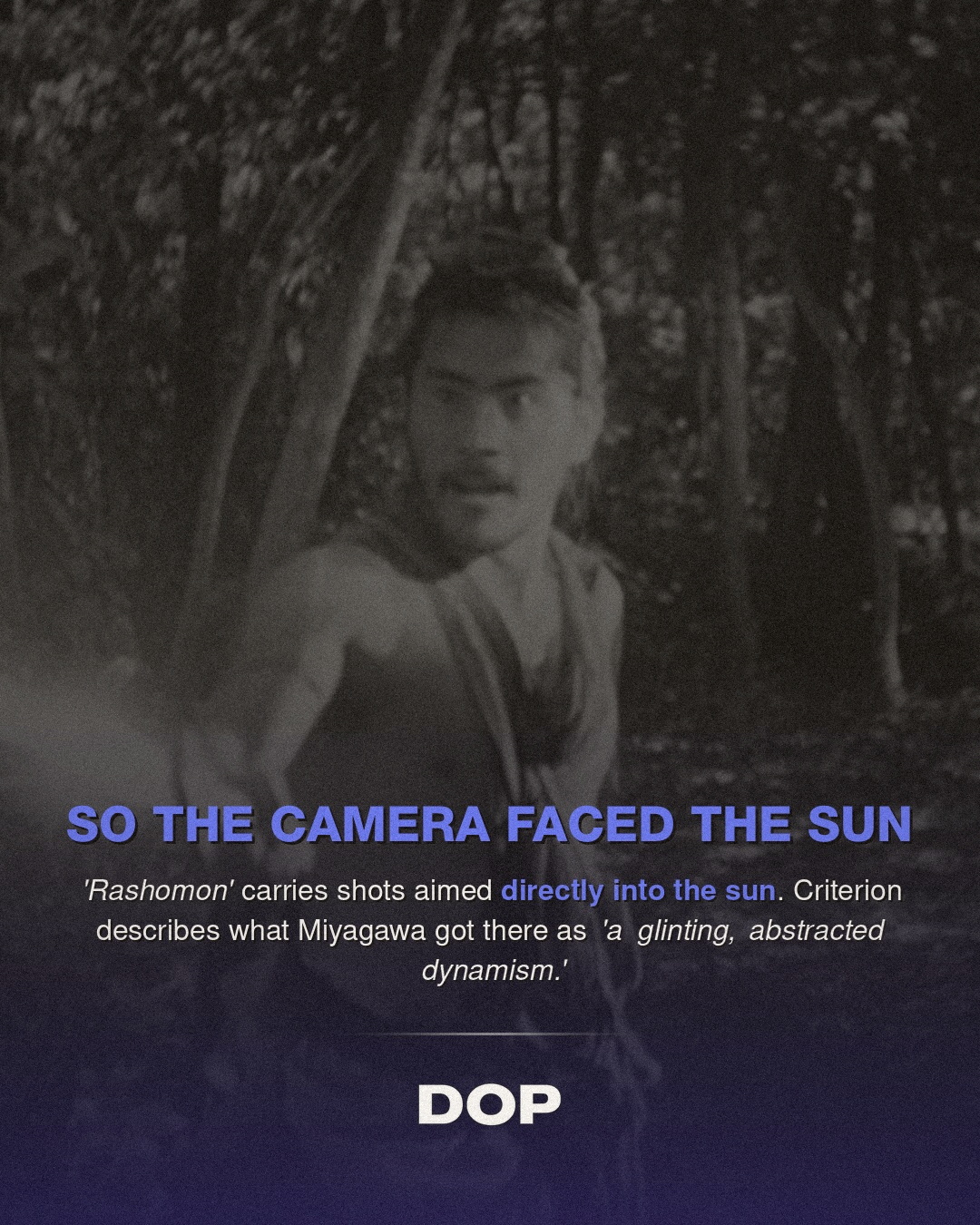
Miyagawa's filmography is a masterclass in visual storytelling, ranging from the delicate beauty of Mizoguchi's Ugetsu (1953) and Sansho the Bailiff (1954), where he often employed long takes and subtle camera movements to convey emotional depth, to the epic scope of Kurosawa's Yojimbo (1961) and Kagemusha (1980). While his aesthetic evolved, a consistent thread was his profound understanding of light as a narrative tool. In Rashomon, the choice of shooting directly into the sun, a move often avoided by cinematographers due to lens flare and contrast issues, was a deliberate act of defiance and brilliance. It imbued the forest scenes with an almost spiritual quality, the lens flare becoming a character itself, obscuring and revealing, much like the unreliable testimonies of the film's characters.
Technically, the use of early black and white film stocks (likely Fuji or Sakura) on cameras like the Arriflex II or Mitchell BNC, combined with Miyagawa’s deep understanding of exposure latitude, allowed him to achieve striking contrasts without losing detail in the shadows or blowing out the highlights. The 'mirror-bounced sun' technique is a precursor to modern bounce light and negative fill techniques, demonstrating an intuitive grasp of light shaping long before these terms became commonplace. Rashomon remains a powerful reminder that the most impactful cinematography often stems not from elaborate technology, but from a profound understanding of light, human ingenuity, and an unwavering commitment to the story at hand. Miyagawa's radical vision continues to inspire DPs to look beyond the textbook and truly see the world through their lens.