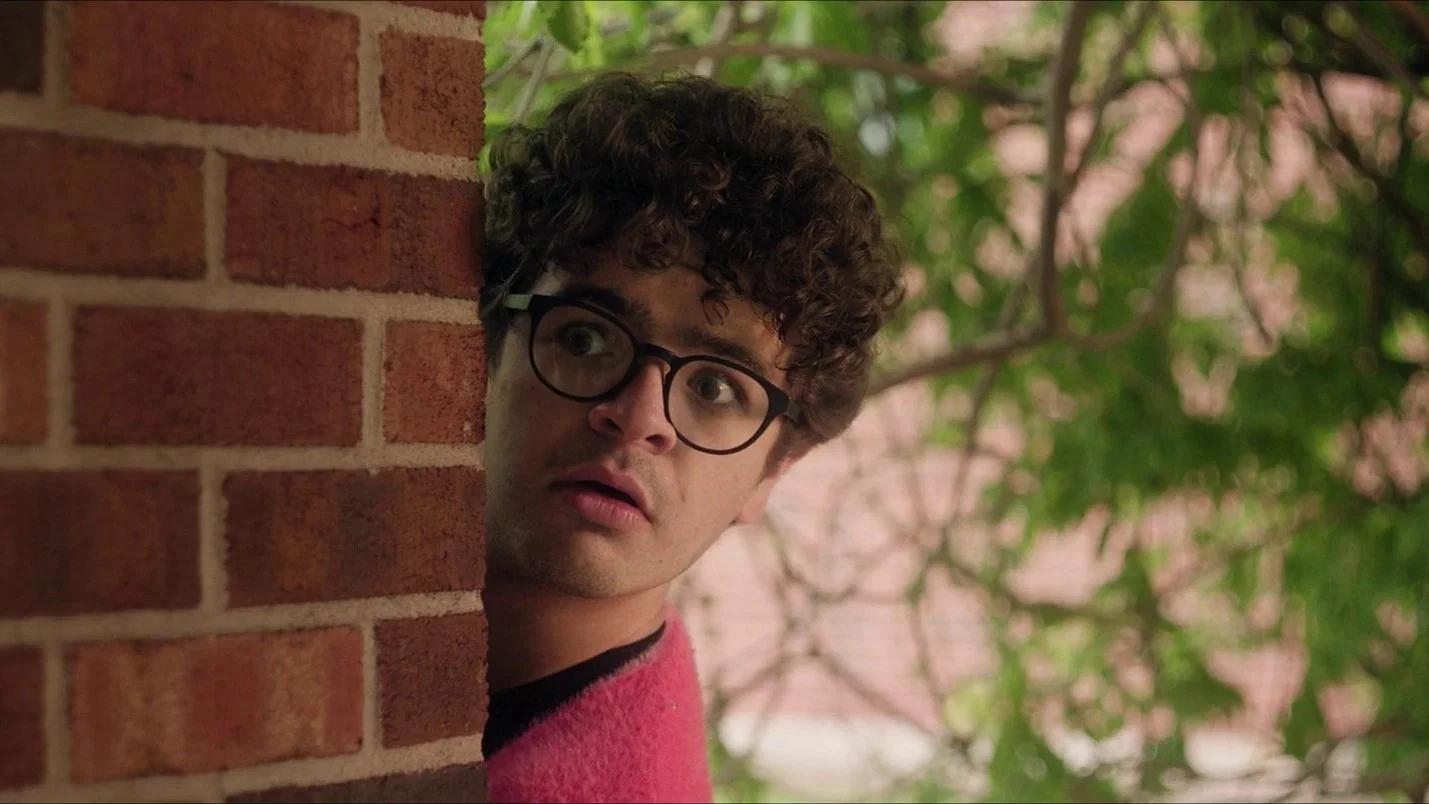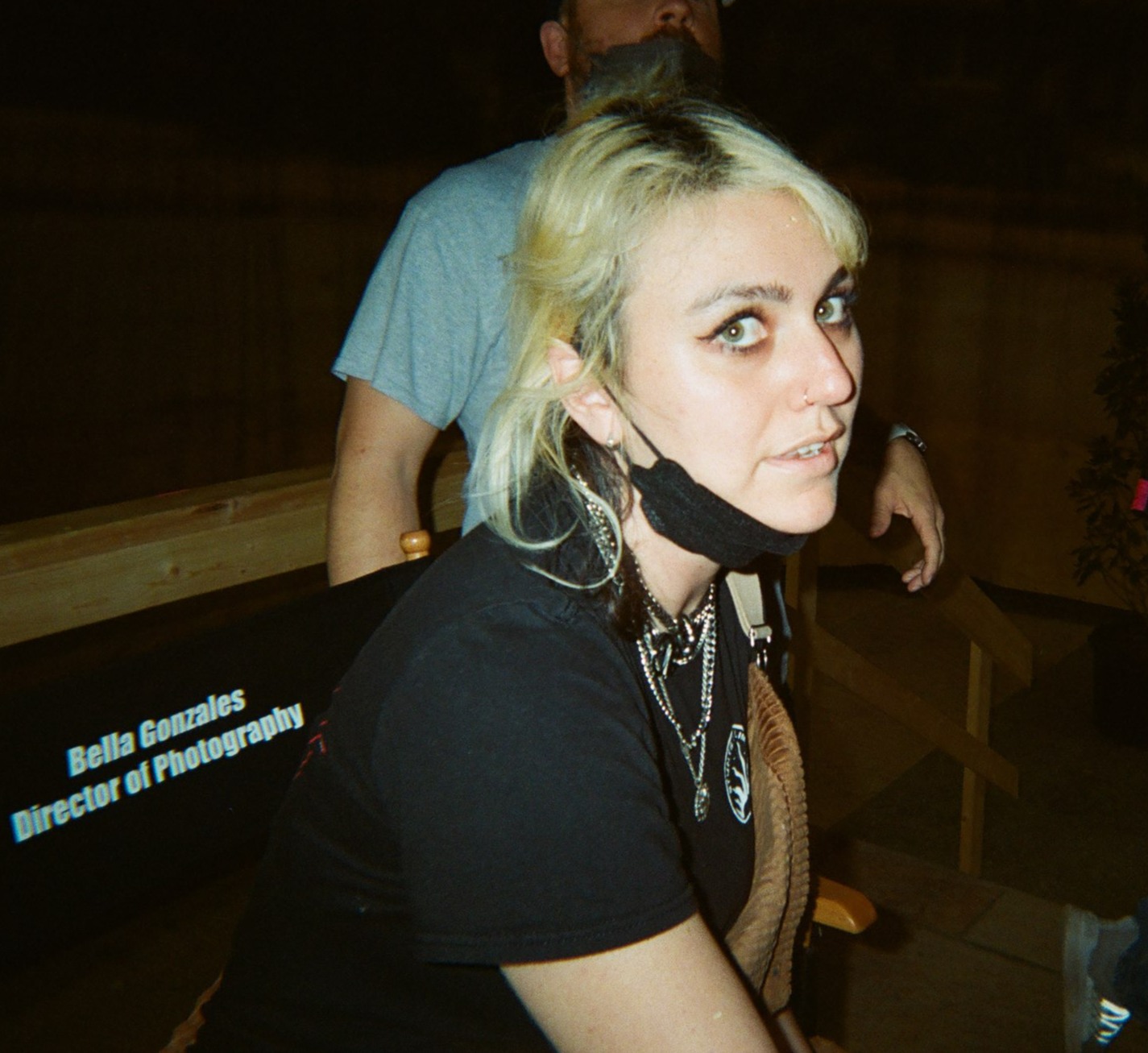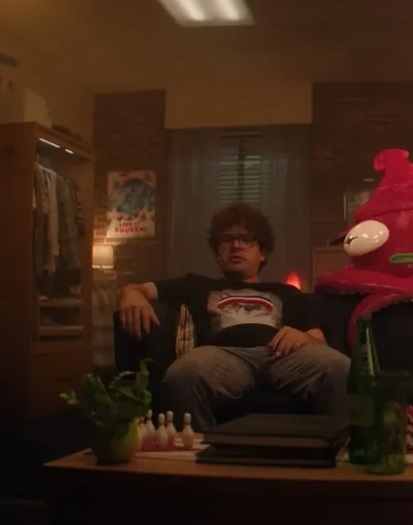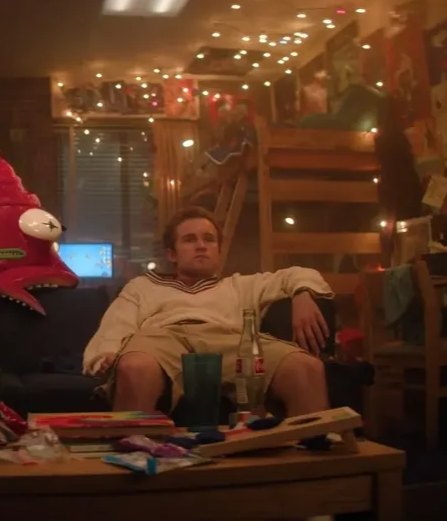
In an era dominated by readily available digital tools and post-production wizardry, the announcement of Bella Gonzales's work on Pizza Movie, which premiered at SXSW 2026, offers a refreshing, almost defiant, return to artisanal craftsmanship. As cinematographers, we are constantly seeking ways to distinguish our visual language, to imbue our frames with a unique signature that transcends mere technical proficiency. Gonzales, in collaboration with Andrew Laboy, has done precisely that, embarking on a months-long journey of developing handmade physical filters designed to introduce specific optical aberrations that, as the caption rightly notes, no digital plugin can replicate.
This isn't merely about eschewing digital for the sake of it; it's a profound commitment to the intrinsic character of light and glass. The 'surreal stoner comedy' genre of Pizza Movie provides a fertile ground for such experimentation. Imagine the subtle, ethereal glows, the unexpected flaring, or the unique diffusion patterns that only a custom-ground piece of glass, carefully positioned before the lens, can impart. These aren't defects; they are deliberate visual brushstrokes, designed to enhance the film's narrative and emotional texture.
The Art of Bespoke Optics
The process Gonzales and Laboy undertook speaks volumes about their dedication. Building filters by hand, testing them on physical elements, and refining them through multiple iterations before a single frame was shot is a testament to meticulous pre-production. This isn't a last-minute decision on set; it's an integral part of the film's visual DNA, conceived and perfected long before principal photography began. We can infer that their approach likely involved experimenting with various materials—perhaps different types of glass, plastics, gels, or even organic elements—precisely etched, sanded, or layered to achieve desired effects. This tactile, iterative process allows for a level of nuance and serendipity that algorithmic calculations simply cannot replicate.
"The true magic of bespoke optics lies in their unpredictability and their inherent connection to the real world of light. It's about embracing 'imperfection' as a form of artistic expression."
Consider the implications for lens choice. While the specific camera and lens package for Pizza Movie haven't been widely disclosed, it's highly probable that Gonzales opted for lenses known for their optical purity or, conversely, those with a distinctive character that could be further enhanced or distorted by their custom filters. Perhaps a modern, high-resolution sensor was paired with vintage glass, with the filters acting as a bridge between the two, introducing a layer of handcrafted imperfection onto a pristine image. The interplay between the lens's native aberrations and the deliberately introduced ones would be fascinating to analyze.
Beyond Digital Emulation
The phrase "no digital plugin can replicate" is not hyperbole; it's a fundamental truth about the physics of light. Digital emulations, however sophisticated, are mathematical approximations of optical phenomena. They work by analyzing existing images and applying algorithms to mimic certain characteristics. Hand-built physical filters, however, interact directly with the light entering the lens. They refract, reflect, and diffuse light in ways that are inherently organic and often defy simple mathematical modeling. This results in a richness and depth to the aberrations—the unique bokeh, the organic flares, the subtle softening—that feels truly authentic, a quality that resonates deeply with discerning cinematographers.
Gonzales's filmography, though nascent if Pizza Movie is her major breakout, likely hints at a cinematographer with a strong artistic vision and a willingness to push boundaries. This project solidifies her as an innovator. Her commitment to such a labor-intensive, analog approach in a digital age is a powerful statement. It reminds us that while technology advances, the fundamental principles of light, physics, and human ingenuity remain paramount in crafting truly memorable images. For those of us who obsess over the granular details of image capture, Pizza Movie promises not just a surreal stoner comedy, but a masterclass in bespoke visual storytelling.
The success of these filters in Pizza Movie will undoubtedly open conversations about the value of practical, in-camera effects in contemporary cinema. It encourages DPs to look beyond ready-made solutions and to consider how they can physically manipulate light and optics to create truly unique visual textures. It's an inspiring call to action for cinematographers to literally get their hands dirty, to experiment, and to rediscover the tangible magic of light on glass.