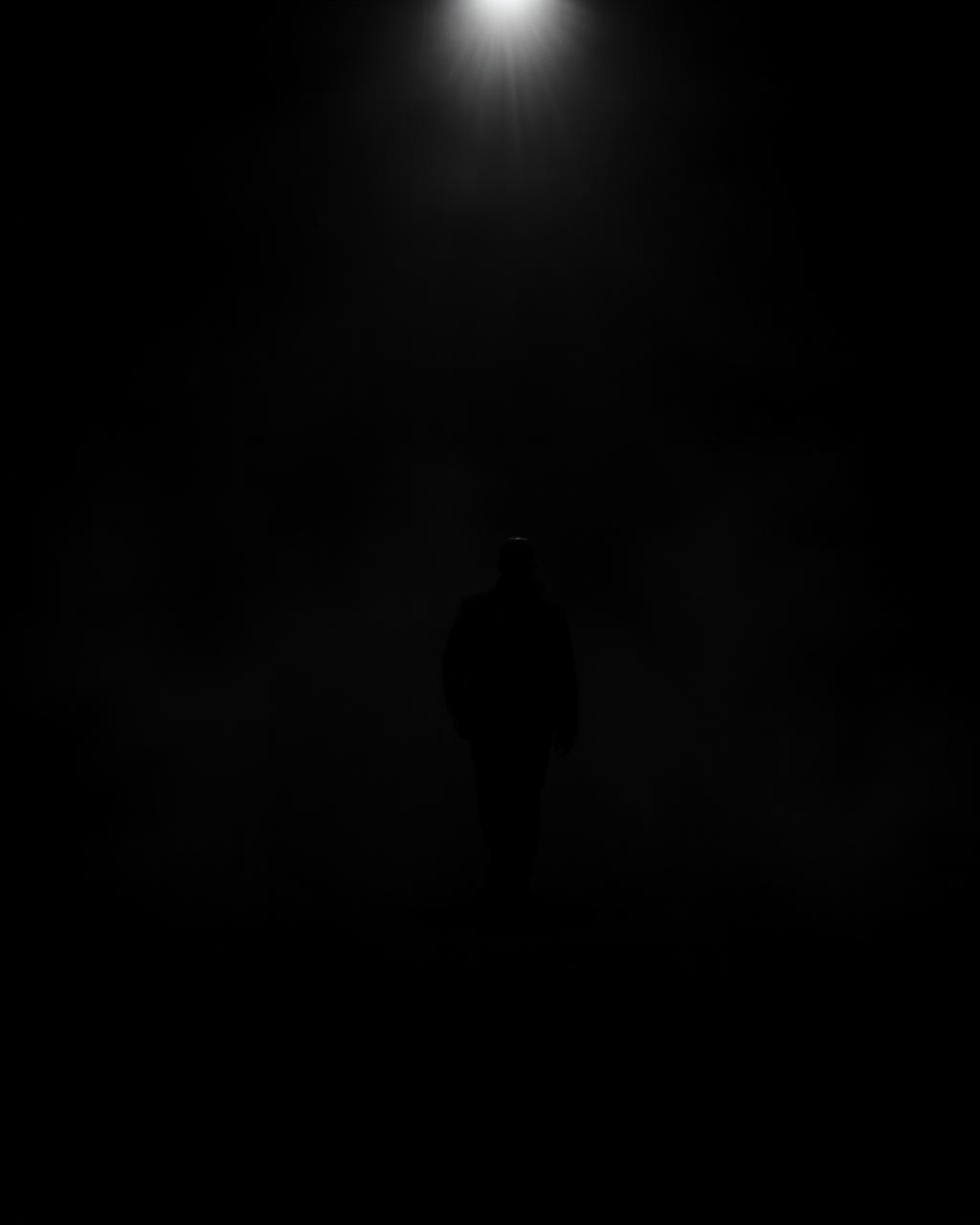
Piers McGrail ISC faced a spatial problem: Everybody Digs Bill Evans, directed by Grant Gee and premiering at Berlinale 2026, is set in New York and Florida in 1961, but it was being shot in Ireland. The film stars Anders Danielsen Lie as jazz pianist Bill Evans during the summer of 1961, following the death of his bass partner Scott LaFaro. The cinematography solution required making Ireland disappear and making jazz-era New York and Florida emerge in its place. McGrail shot in black and white, which was both historically appropriate and strategically brilliant.
Black and white cinematography can conceal location in ways that color never can. Without the distinctive vegetation, light quality, or architectural details of specific geographies visible in color, the visual language becomes more abstract, more dependent on light and shadow than on geographic markers. McGrail used this to his advantage. Ireland's Georgian and Victorian architecture has different proportions than 1960s New York, but in black and white, those differences become less legible. Light becomes the dominant storyteller.
Gee is best known for Meeting People Is Easy (1998), the Radiohead documentary. He approaches narrative cinema with a documentary sensibility—specificity, location importance, visual authenticity. Asking him to construct 1960s American jazz atmosphere in Ireland was a significant constraint. McGrail's job was to build a visual argument that made that constraint invisible. The black and white cinematography did much of that work.
The ASC Berlinale coverage noted: 'filming in Ireland for New York and Florida (Bill Evans).' This is matter-of-fact language for a significant production design and cinematography challenge. Making one place successfully stand in for two others while maintaining historical period accuracy requires visual discipline. McGrail brought that discipline to every shot—composition, lighting, contrast—making location irrelevant because the images themselves told the story of where and when they needed to be.
For cinematographers interested in solving location problems through visual language rather than through production design or set dressing, McGrail's approach is essential study. The decision to shoot in black and white was made during pre-production, not as a stylistic choice but as a practical solution to a production constraint. It became the visual identity of the film.
McGrail is an Irish cinematographer whose work spans fiction and documentary. His choice to embrace the constraint rather than fight it—to let Ireland's light become 1961 New York's light through the grammar of black and white—demonstrates how cinematographic thinking can solve problems that budgets and logistics typically create.
Ireland standing in for 1960s New York, in black and white, for a jazz film. That is a location problem solved by a cinematographic argument. McGrail made it work.
Gear Recommendations
- Blackmagic Pocket Cinema Camera 6K Pro | Adorama – B&H Photo
- Sigma 18-35mm f/1.8 Art | Adorama – B&H Photo
- Tiffen Black Pro-Mist 1/4 Filter | Adorama – B&H Photo
- SmallHD Ultra 7 Monitor | Adorama – B&H Photo
Note: Links above are affiliate links. Occupy Cinematography may earn a commission on qualifying purchases at no additional cost to you.