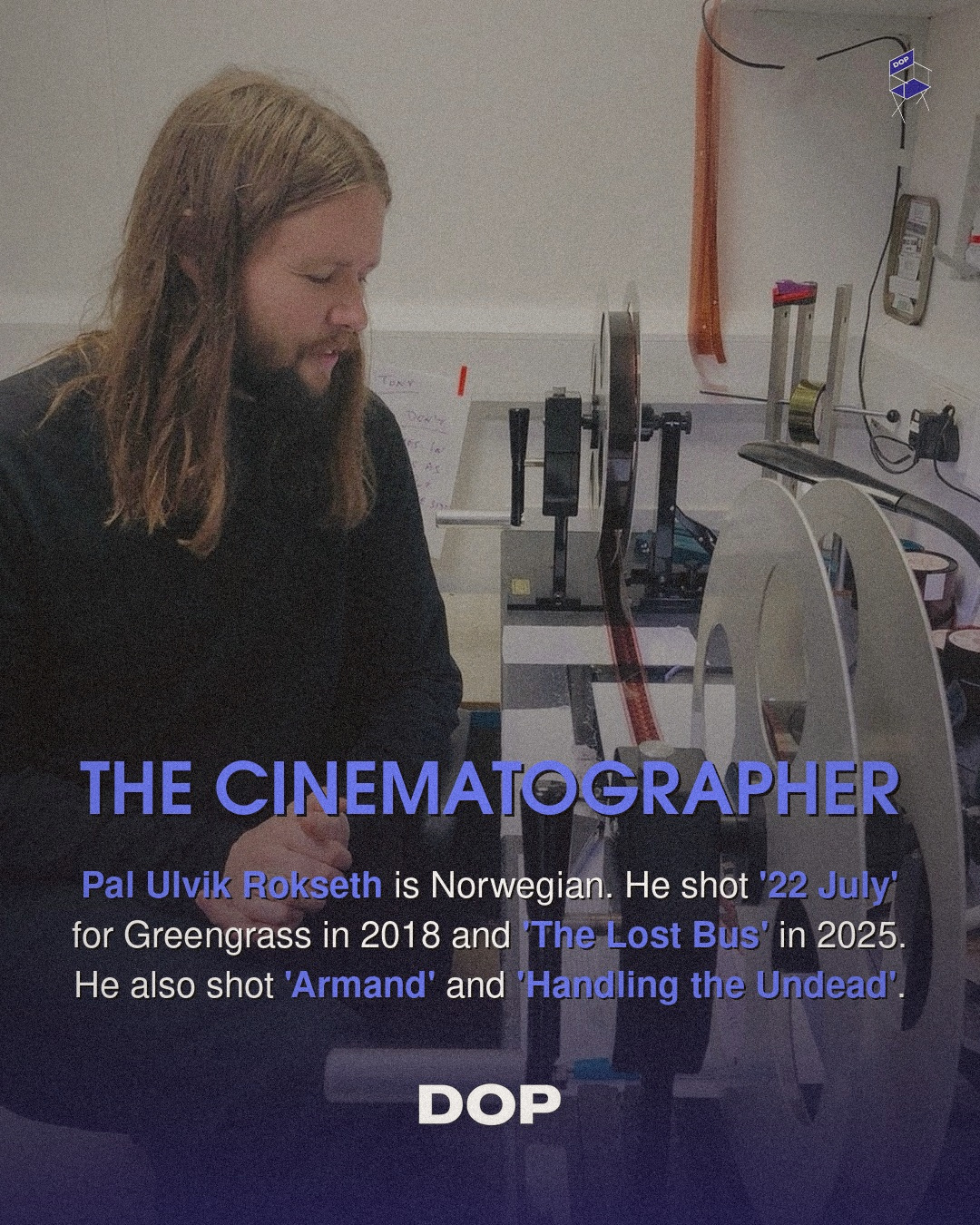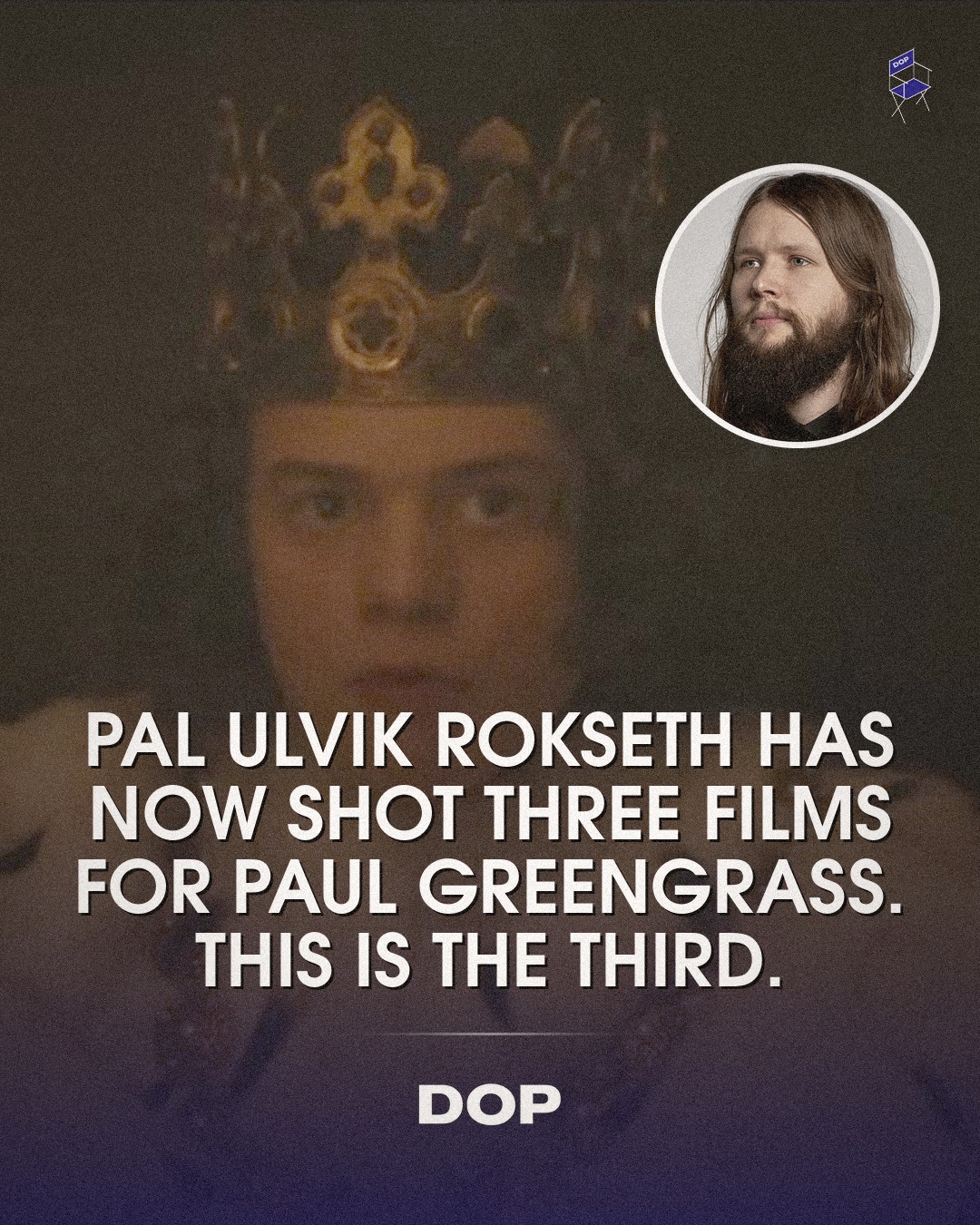
In the landscape of contemporary cinematography, certain names emerge not just for their technical prowess, but for a distinctive visual language that transcends projects and directors. Pal Ulvik Rokseth, the Norwegian director of photography, is undoubtedly one such artist. His work, characterized by a visceral realism and an uncanny ability to capture raw human experience, has made him a compelling voice, particularly within the realm of high-stakes, emotionally charged narratives.
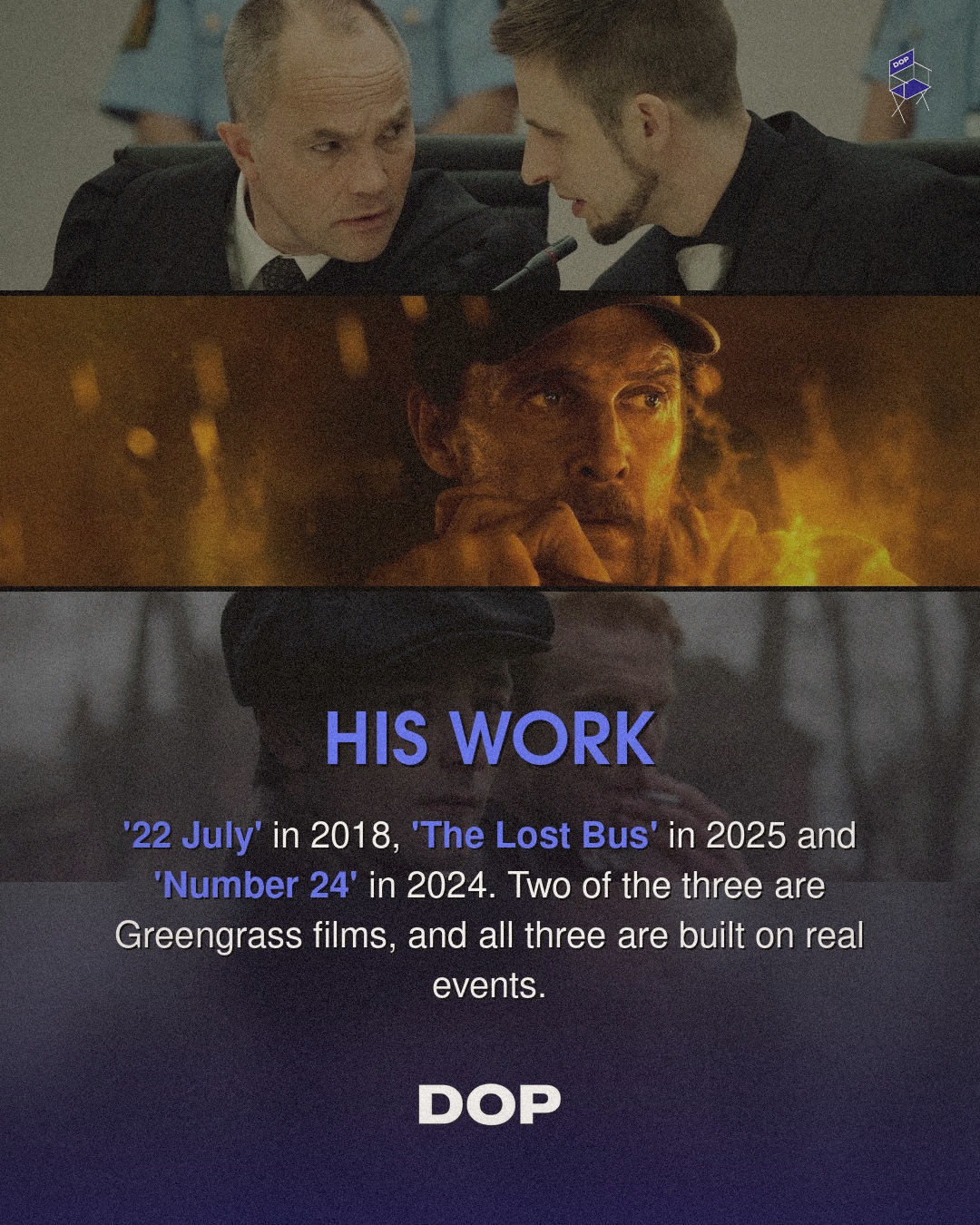
Rokseth’s ongoing collaboration with director Paul Greengrass is a testament to this unique synergy. Their partnership, spanning films like 2018’s harrowing 22 July, the anticipated The Lost Bus (2025), and now The Uprising, speaks volumes about a shared vision for immersive storytelling. Greengrass, renowned for his kinetic, handheld style and documentary-esque approach, finds in Rokseth a DP capable of translating that urgency into compelling visual grammar. For 22 July, Rokseth’s camera was not merely an observer; it was a participant, navigating the chaos and tragedy with a palpable sense of immediacy, often employing long takes and naturalistic lighting to heighten the emotional impact. This required a robust camera package, likely ARRI ALEXA Mini LF for its low-light performance and dynamic range, paired with lightweight, fast prime lenses to maintain the handheld agility Greengrass demands.
Crafting Reality: The Greengrass Partnership
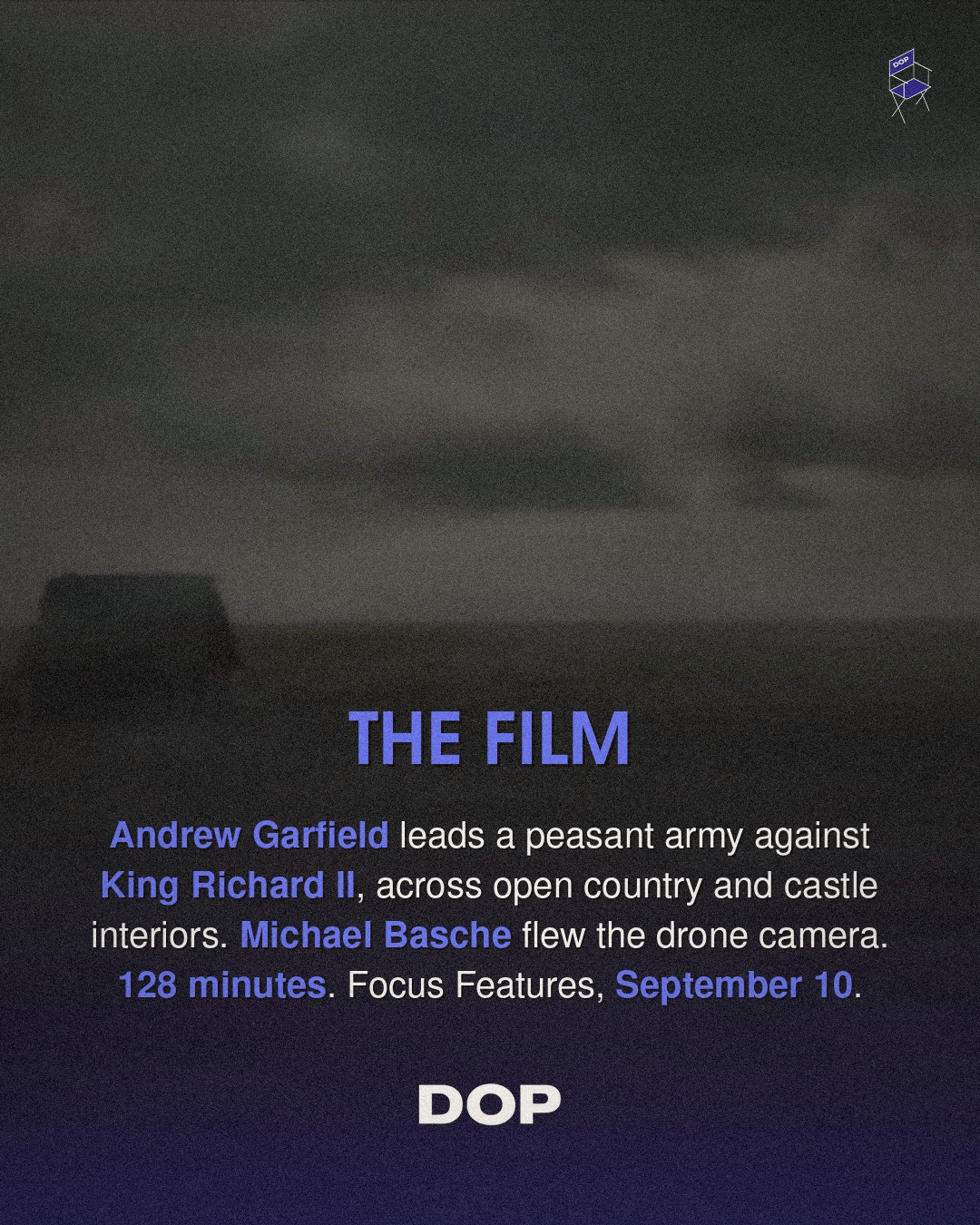
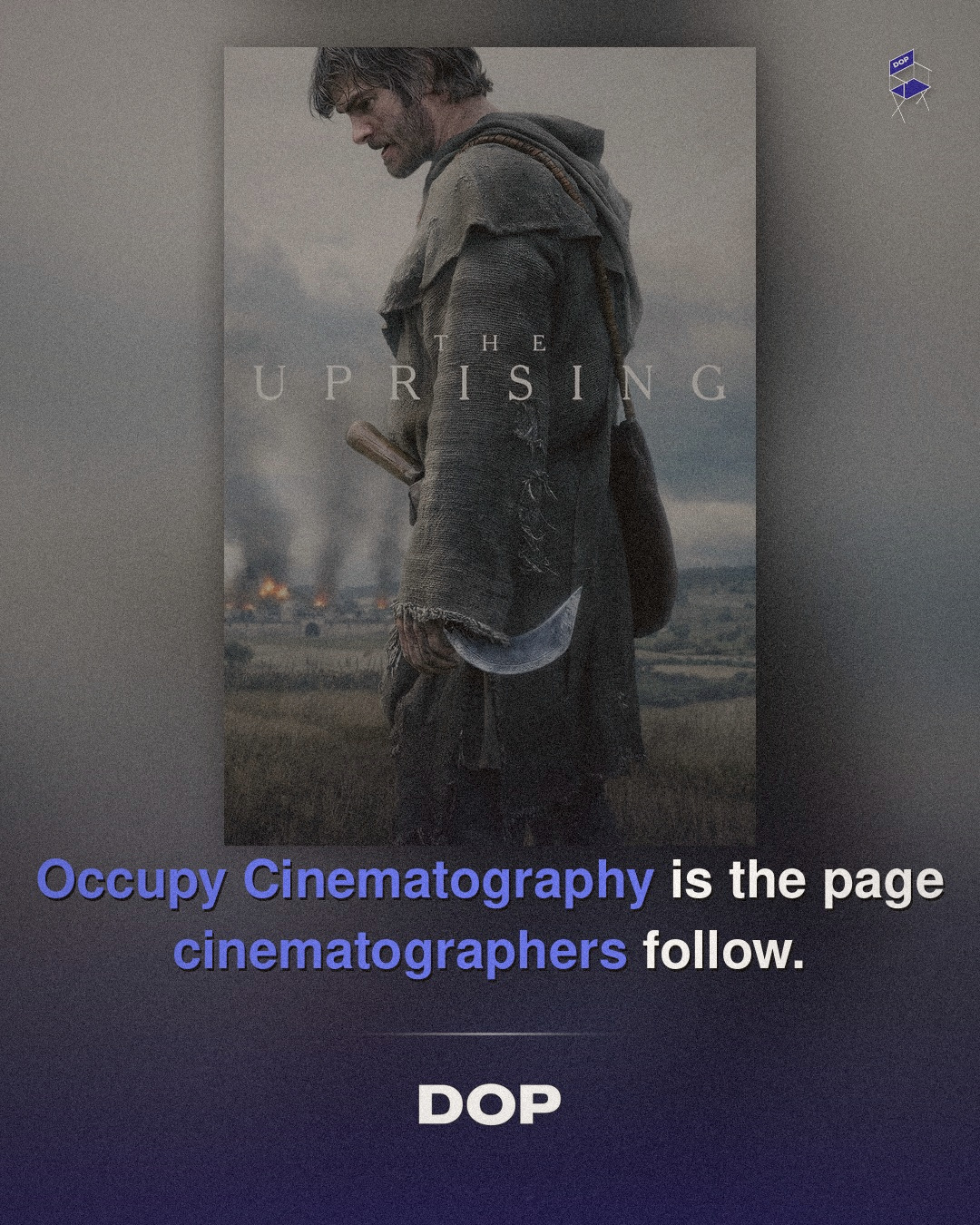
The upcoming The Uprising, starring Andrew Garfield as a leader of a peasant army against King Richard II, promises to further explore this partnership’s strengths. The narrative, sweeping across open country and delving into castle interiors, presents a fresh set of visual challenges. Rokseth's approach here will likely blend the expansive grandeur needed for historical epics with the intimate, often brutal, realism that defines his work. One can anticipate a careful balance between wide, establishing shots that convey the scale of the conflict and tight, observational framing during intense skirmishes or character moments. The choice of anamorphic lenses, such as Cooke or Panavision, could lend a cinematic sweep to the period setting, while still allowing for the raw, handheld operating style executed by Michael Basche. The interplay of natural light and period-accurate practicals will be crucial for interiors, demanding a nuanced understanding of chiaroscuro to evoke the era's mood without sacrificing clarity.
Rokseth's camera is not merely an observer; it is a participant, navigating chaos and tragedy with a palpable sense of immediacy.
The technical demands of such a film are immense. Capturing large-scale battles in varied environments, from sun-drenched fields to dimly lit medieval castles, requires a DP with a deep understanding of exposure, filtration, and color science. Rokseth's Norwegian background often imbues his work with a certain Nordic sensibility, a keen appreciation for natural light, often diffused and soft, even when dealing with harsh realities. This informs his lighting philosophy, which tends towards practical sources and motivated naturalism, enhancing the believability of the world on screen.
Beyond Greengrass: Versatility and Vision
While his collaborations with Greengrass form a significant cornerstone of his filmography, Rokseth's independent projects showcase his versatility and distinct visual voice. Films like Armand, Handling the Undead, and Number 24 demonstrate a willingness to explore diverse genres and aesthetics. Handling the Undead, for instance, likely required a more stylized approach to horror, perhaps employing stark contrasts, desaturated palettes, and deliberate camera movements to build tension and atmosphere. This contrasts sharply with the dynamic, almost documentary-like feel of a Greengrass film, proving Rokseth's adaptability without sacrificing his signature authenticity.
His ability to shift gears, from the high-octane realism of historical dramas to the nuanced psychological landscapes of independent features, is a hallmark of a truly skilled cinematographer. Whether he's framing Andrew Garfield leading a charge or capturing the quiet despair of a character in a more intimate drama, Rokseth’s lens consistently seeks truth. The post-production collaboration with editor William Goldenberg and composer Volker Bertelmann on The Uprising further underscores the comprehensive craft involved, where cinematography lays the foundational visual rhythm for the entire film.
As The Uprising prepares for its September 10th release by Focus Features, rated R and clocking in at 128 minutes, cinephiles and aspiring DPs alike will eagerly dissect Rokseth’s latest contribution. It's an opportunity to witness a master at work, continuing to define a visual language that is both technically sophisticated and profoundly human. Pal Ulvik Rokseth is not just shooting films; he is crafting experiences, one meticulously lit and framed moment at a time.
This article contains affiliate links. We may earn a small commission at no extra cost to you. Learn more.