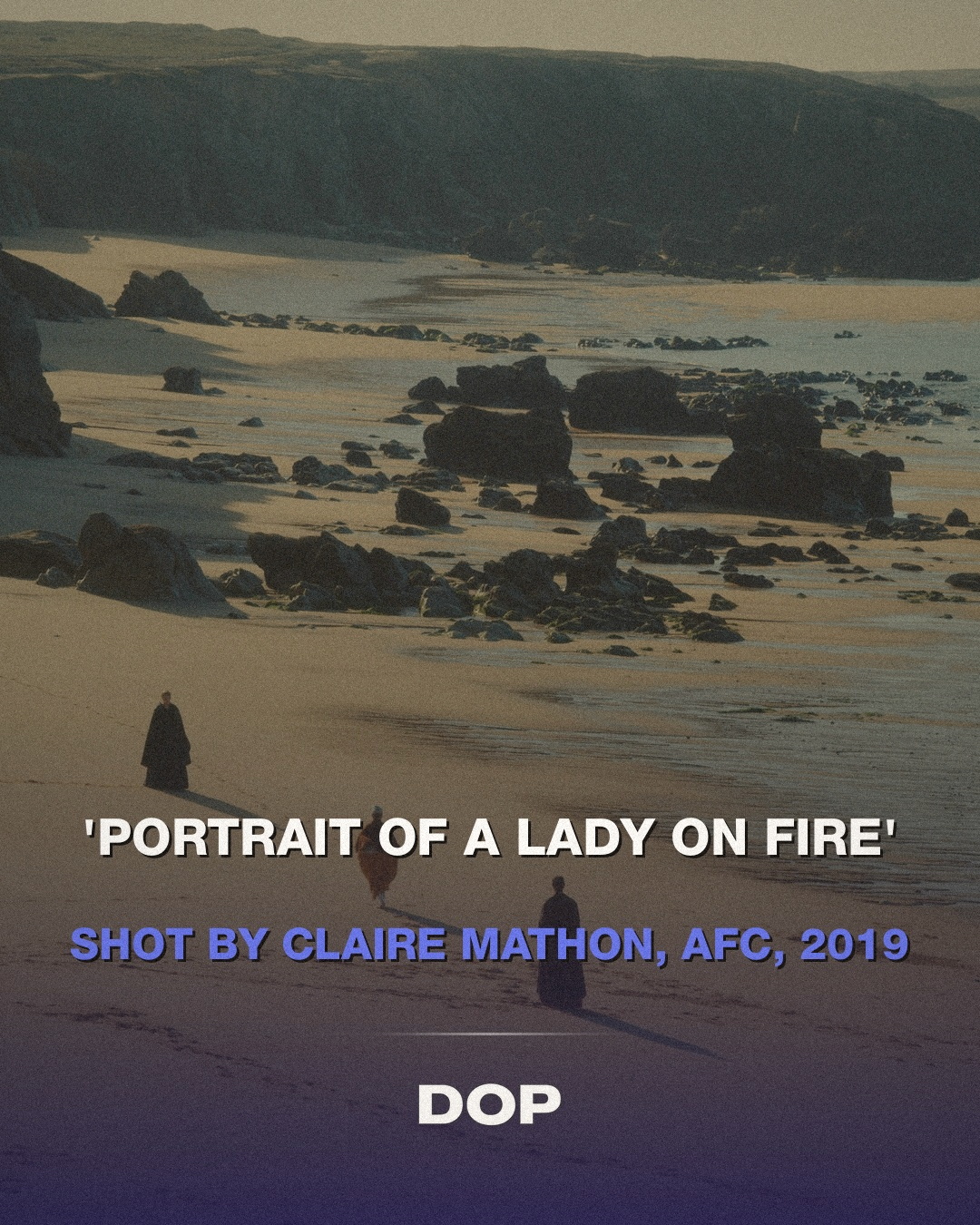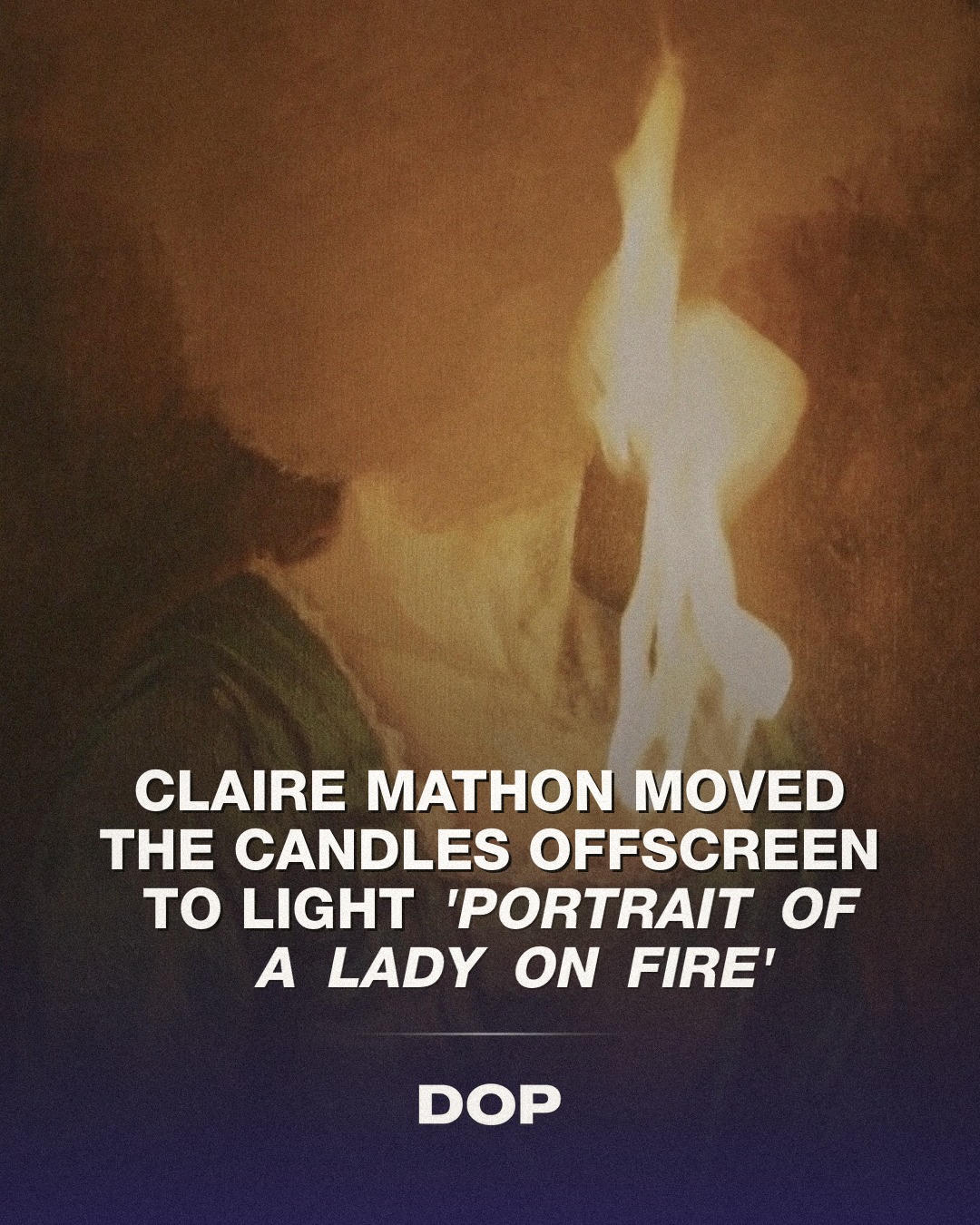
In the ethereal glow of 'Portrait of a Lady on Fire,' Claire Mathon, AFC, and director Céline Sciamma didn't just tell a story; they painted a living canvas. The film's visual language, particularly its exquisite handling of light, stands as a masterclass in cinematic artistry, proving that true innovation often lies in thoughtful subversion. While many period dramas strive for historical fidelity in their lighting, Mathon and Sciamma chose a different path, prioritizing emotional resonance and aesthetic impact over strict naturalism. This deliberate choice is most evident in the film's iconic candlelight scenes, which, surprisingly, owe less to actual flickering wicks and more to Mathon’s ingenious rigging.
The prevailing wisdom might suggest that candlelight in a historical piece should emanate directly from visible sources. Mathon, however, challenged this notion. The Instagram caption reveals a fascinating truth: much of the 'candlelight' we perceive in 'Portrait of a Lady on Fire' originates from sources strategically placed outside the frame. This wasn't merely a practical decision; it was an artistic one, allowing for greater control over intensity, spread, and color temperature. By rigging actual candles inside 2K open face housings, with the original lamps removed, Mathon created a diffused, yet potent, warm glow that could be precisely directed. Supplementing this with LED ribbon and rope lights further enhanced the illusion, providing a malleable foundation for the film's signature luminescence.
Crafting the Invisible Glow
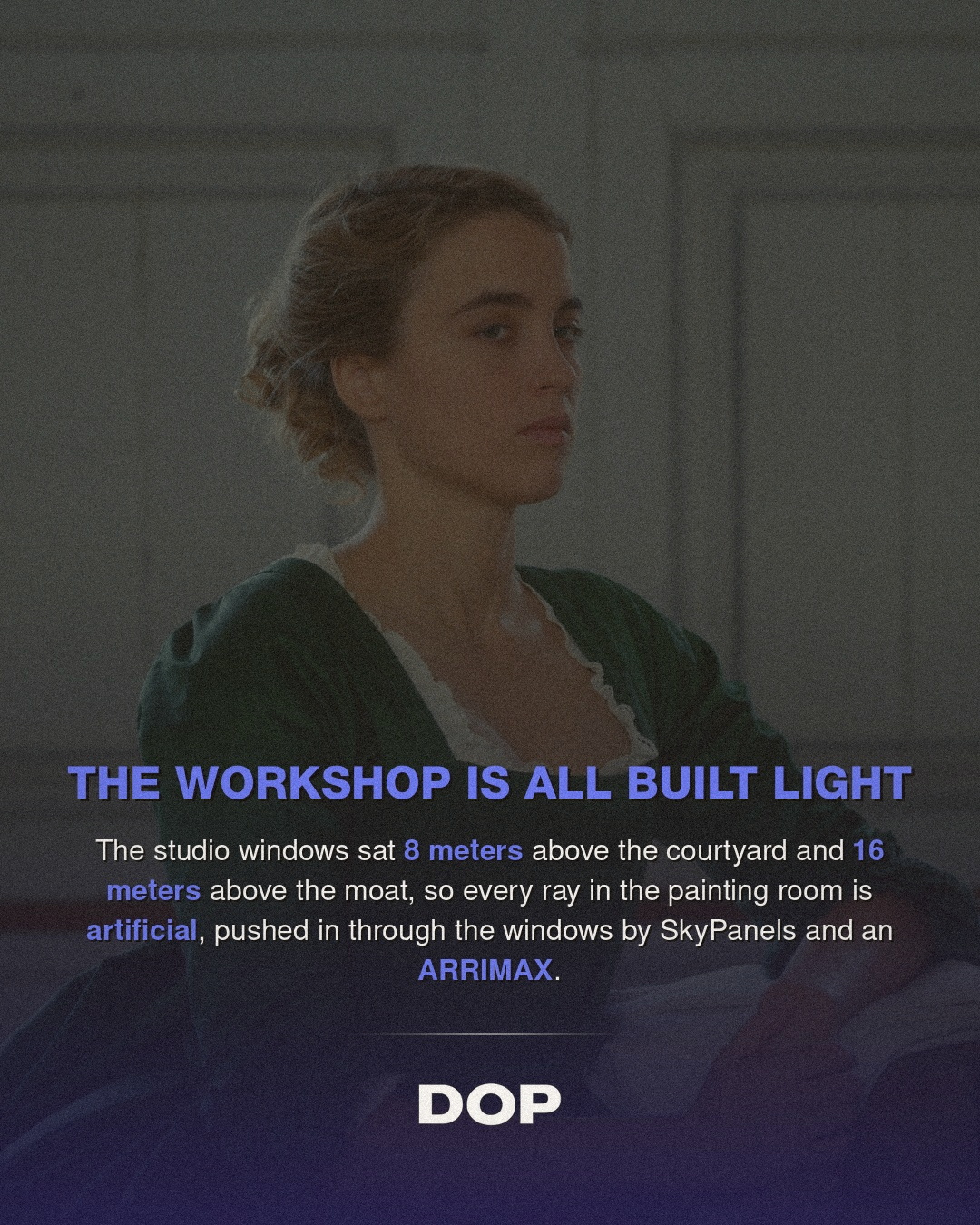
The technical ingenuity extends beyond just internal scenes. The film’s setting, particularly the workshop located a staggering eight meters above the courtyard and sixteen above the moat, presented significant natural light challenges. Mathon’s solution was to meticulously craft every ray of light entering these spaces artificially. Instead of relying on whatever scant natural light might penetrate, large SkyPanels were employed to push light through the windows, simulating the soft, diffused ambient light of a coastal environment. This level of control allowed Mathon to sculpt the light with painterly precision, ensuring that every frame resonated with the film's intimate, almost voyeuristic, aesthetic.
"We were not trying to recreate a historical reality, but to create a dream, a sensation. The light needed to serve that emotional truth, not just historical accuracy." - Claire Mathon (paraphrased)
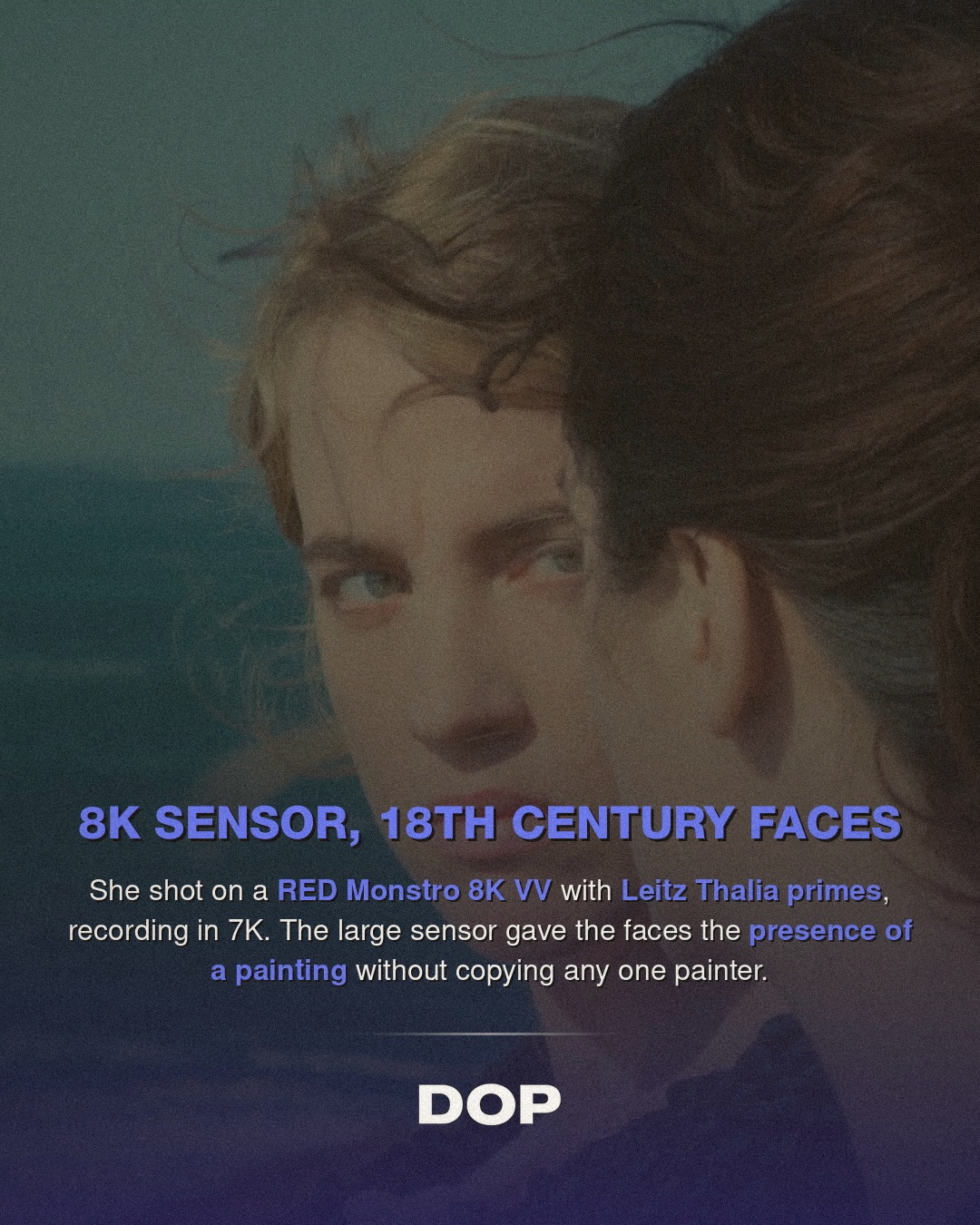
Mathon’s choice of camera and lenses further cemented the film's distinct visual character. Shooting on a RED Monstro 8K VV, she leveraged the sensor's expansive resolution and dynamic range, capturing incredible detail and subtle gradations of light and shadow. Paired with Leitz Thalia primes, known for their beautiful skin tone rendition and gentle fall-off, the combination produced images that are both sharp and exquisitely cinematic, avoiding any harshness that might detract from the film's delicate emotional core. The Thalias' ability to render naturalistic, yet flattering, skin tones was crucial for a film so focused on the intimate gaze between two women.
A Symphony of Subtlety and Control
Mathon's filmography, which also includes the critically acclaimed 'Stranger by the Lake' and 'Atlantique,' consistently showcases her remarkable ability to create atmospheric and emotionally charged visuals. Her style is characterized by a profound understanding of natural light, even when meticulously recreated, and a sensitive approach to color and texture. In 'Portrait of a Lady on Fire,' she masterfully balances the warmth of the artificial candlelight with the cooler, often overcast, tones of the Breton coast, creating a visual harmony that mirrors the film's narrative arc. The color science involved here is not about bold, saturated hues, but about nuanced shifts and delicate contrasts that enrich the emotional landscape.
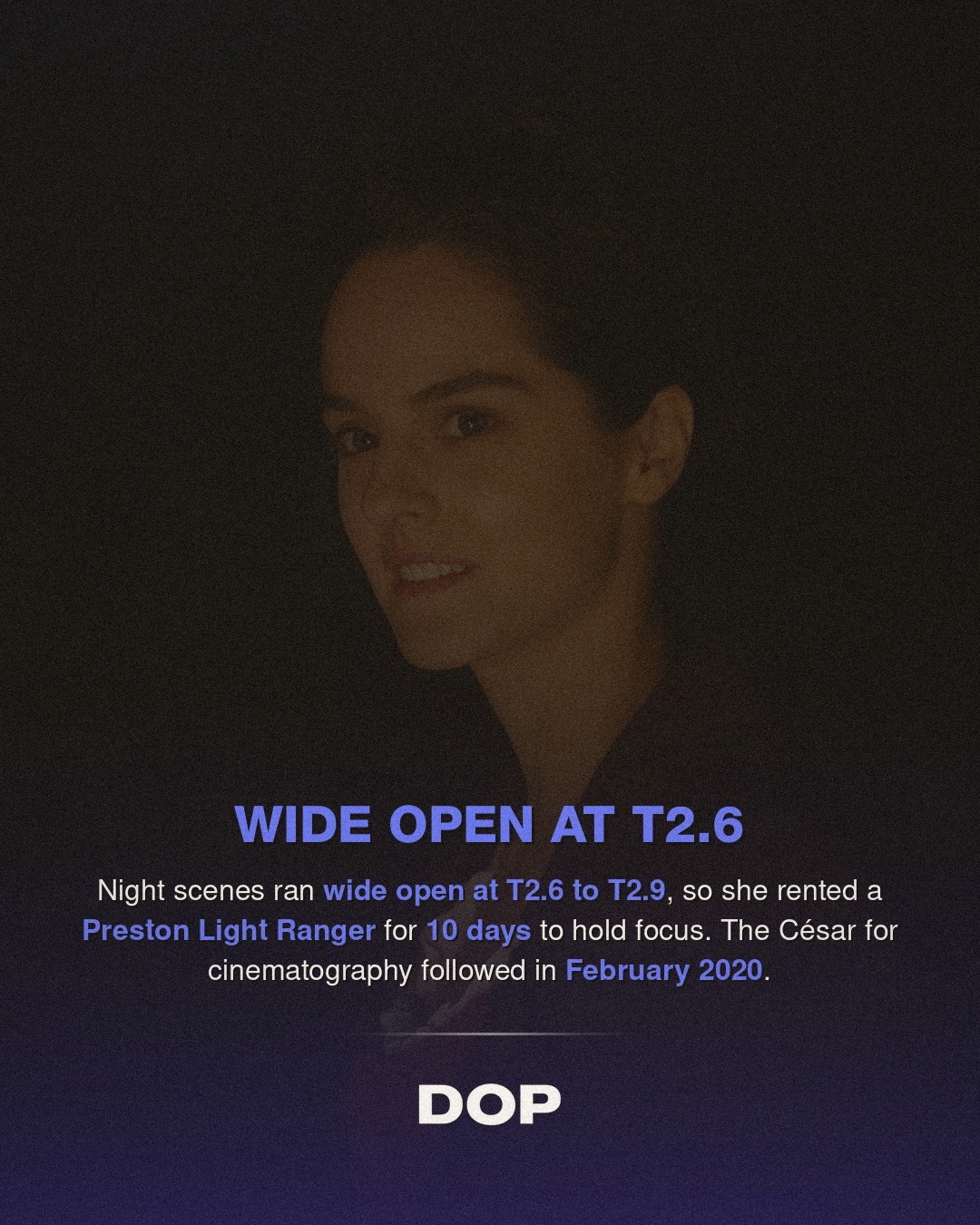
The meticulous planning and execution of the lighting design allowed for an unparalleled level of control over the film's mood and narrative progression. The flickering, almost breathing, quality of the light became a character in itself, mirroring the burgeoning passion and intimate revelations between Marianne and Héloïse. This wasn't merely about illumination; it was about evoking a sense of time, place, and profound human connection. The film's lighting, therefore, transcends mere technical achievement, becoming an integral part of its powerful storytelling. Claire Mathon's well-deserved César Award in February 2020 for this work was a testament to her visionary approach and enduring impact on contemporary cinematography.
Ultimately, 'Portrait of a Lady on Fire' stands as a powerful reminder that cinematography is not just about capturing images, but about sculpting light, evoking emotion, and crafting a visual language that speaks volumes. Claire Mathon’s work on this film is an enduring testament to the power of thoughtful design, technical mastery, and an unwavering commitment to artistic vision.