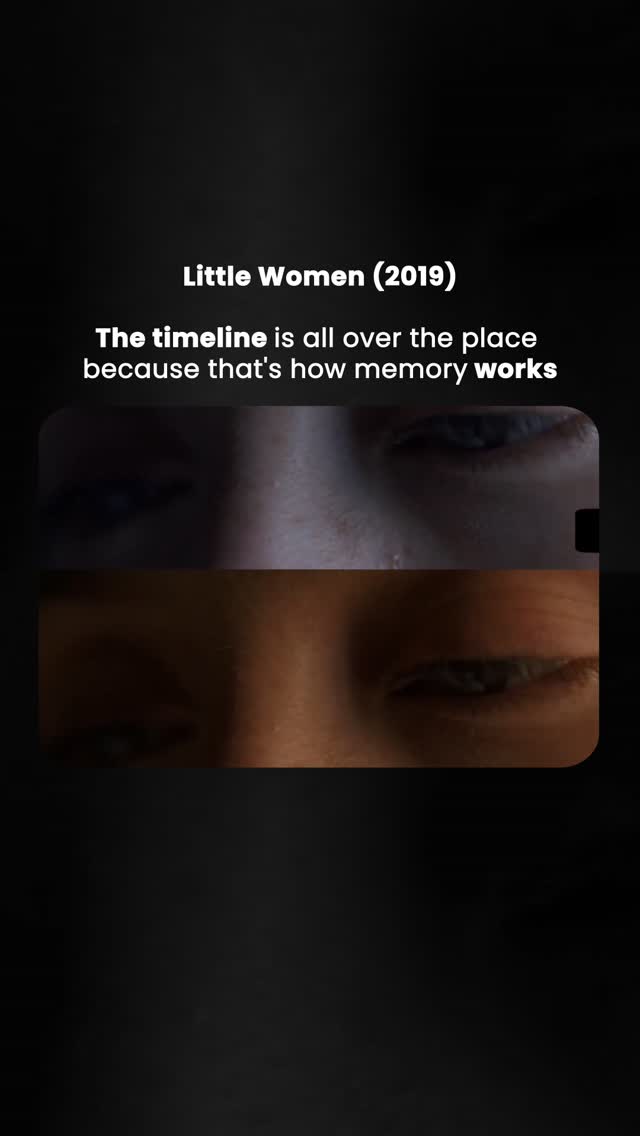
Adapting a literary classic for modern cinema requires bold visual choices, particularly when restructuring a well-known narrative. In Greta Gerwig’s 2019 adaptation of Little Women, the story eschews a traditional linear progression in favor of a constant, fluid dialogue between past and present. To guide the audience across these shifting temporal landscapes without relying on clunky title cards or onscreen date stamps, French cinematographer Yorick Le Saux turned to the fundamental building blocks of visual language: light quality, color temperature, and optical texture.
Shot on 35mm film using Arricam ST and LT cameras paired with Cooke S4 prime lenses, the film benefits immediately from the physical, organic grain structure of analog celluloid. Le Saux, whose previous work on Luca Guadagnino’s I Am Love and Olivier Assayas’s Clouds of Sils Maria demonstrated a masterclass in atmospheric portraiture, approached the two distinct eras in Little Women with opposing lighting philosophies and color palettes.
The Golden Glow of Youth: Lighting the Past
The past sequence, representing the warmth, creative vitality, and romantic idealism of the March sisters' childhood, is rendered in rich, saturated amber and golden hues. Le Saux pushed tungsten sources and natural firelight to create an enveloping sense of cozy nostalgia. Interiors were illuminated with real candlelight and low-wattage practical bulbs, reinforced with soft tungsten keys bounced into unbleached muslin to cast a warm, radiant texture across the talent’s skin tones.
For day exteriors of the past, Le Saux waited for golden hour lighting and utilized warm fill reflectors, capturing a tactile, sun-drenched childhood that feels less like a historic period piece and more like a cherished memory. The Kodak Vision3 500T 5219 and 200T 5213 film stocks responded to these warm palettes with soft highlight roll-offs, deepening the emotional safety and intimacy of the family home.
Cool Reality: The Stark Palette of Adulthood
Contrast this with the present timeline, where the sisters face the cold realities of adulthood, financial struggle, and grief. Here, Le Saux inverted his lighting strategy completely. The present is defined by cool daylight balance, slate blues, and muted, desaturated tones. Windows are lit with un-gelled daylight HMIs and cool LED fixtures, casting hard, crisp light across pale, austere interiors.
Color temperature isn’t merely a technical choice for skin tone accuracy, it is pure narrative architecture that speaks directly to the viewer's subconscious.
The shift isn't merely in the gels used on set; it extends to contrast and shadow density. Adulthood carries deeper shadows and significantly less ambient bounce, rendering the world sparser and more unforgiving. When Jo sits beside Beth's sickbed in the present timeline, the daylight streaming through the curtains is icy and blue, a stark visual contrast to the fire-lit, amber-hued bedroom scenes of their earlier years in that very same room.
Subconscious Navigation and Narrative Rhythm
The brilliance of Le Saux and Gerwig's collaboration lies in how rapidly the film cuts between these two periods. During whip-pans or match-cuts where the edit transitions instantly from adulthood back to childhood, the lighting cue itself performs the temporal shift. The audience’s visual cortex registers the shift in color temperature and contrast long before a character’s line of dialogue clarifies what year it is.
For contemporary DPs working on non-linear projects, Little Women serves as a masterclass in visual discipline. Rather than relying on heavy digital post-production tweaks or obvious optical tricks, Le Saux accomplished complex narrative architecture through deliberate lighting ratios, precise color temperature choices, and an unwavering commitment to in-camera visual texture.