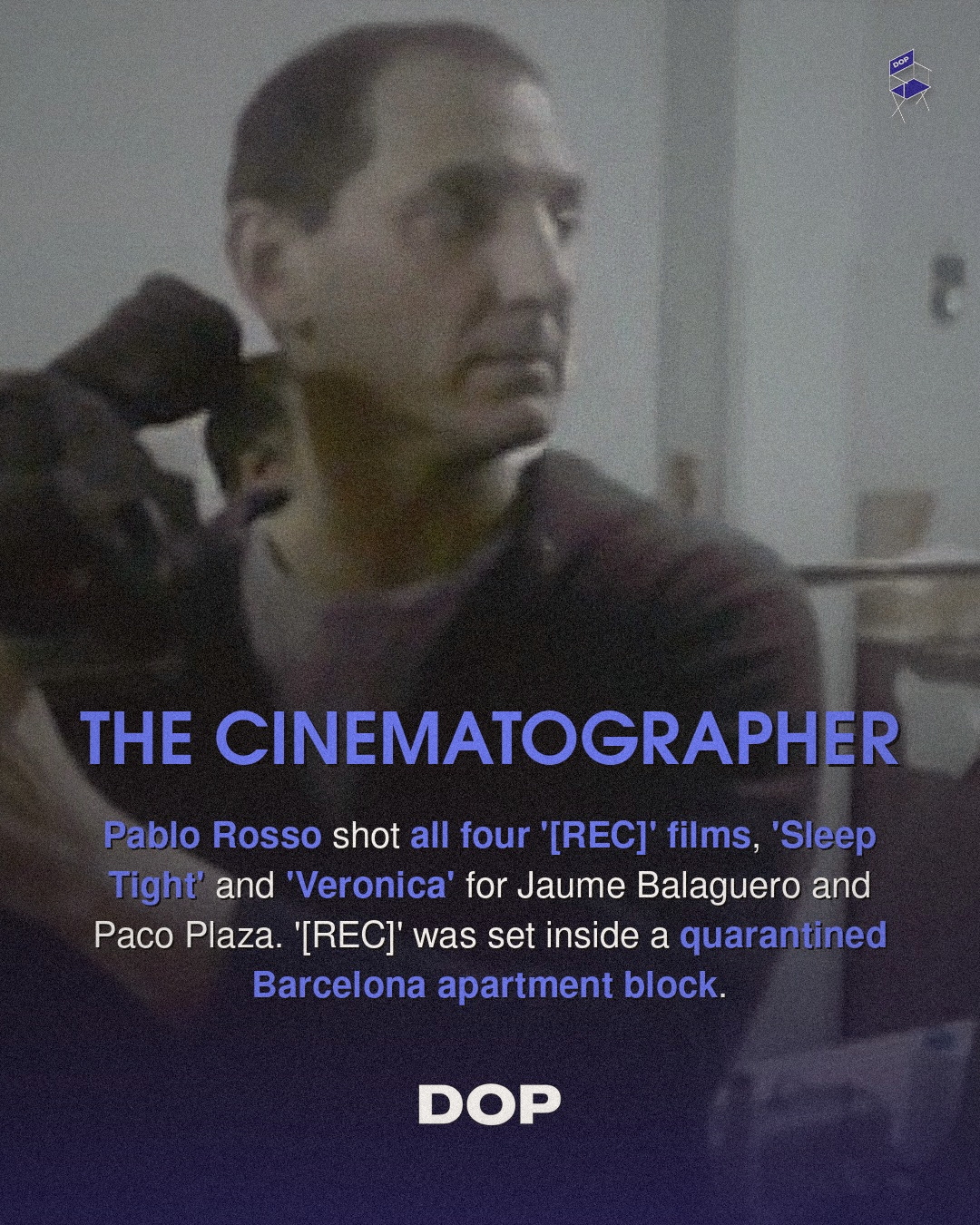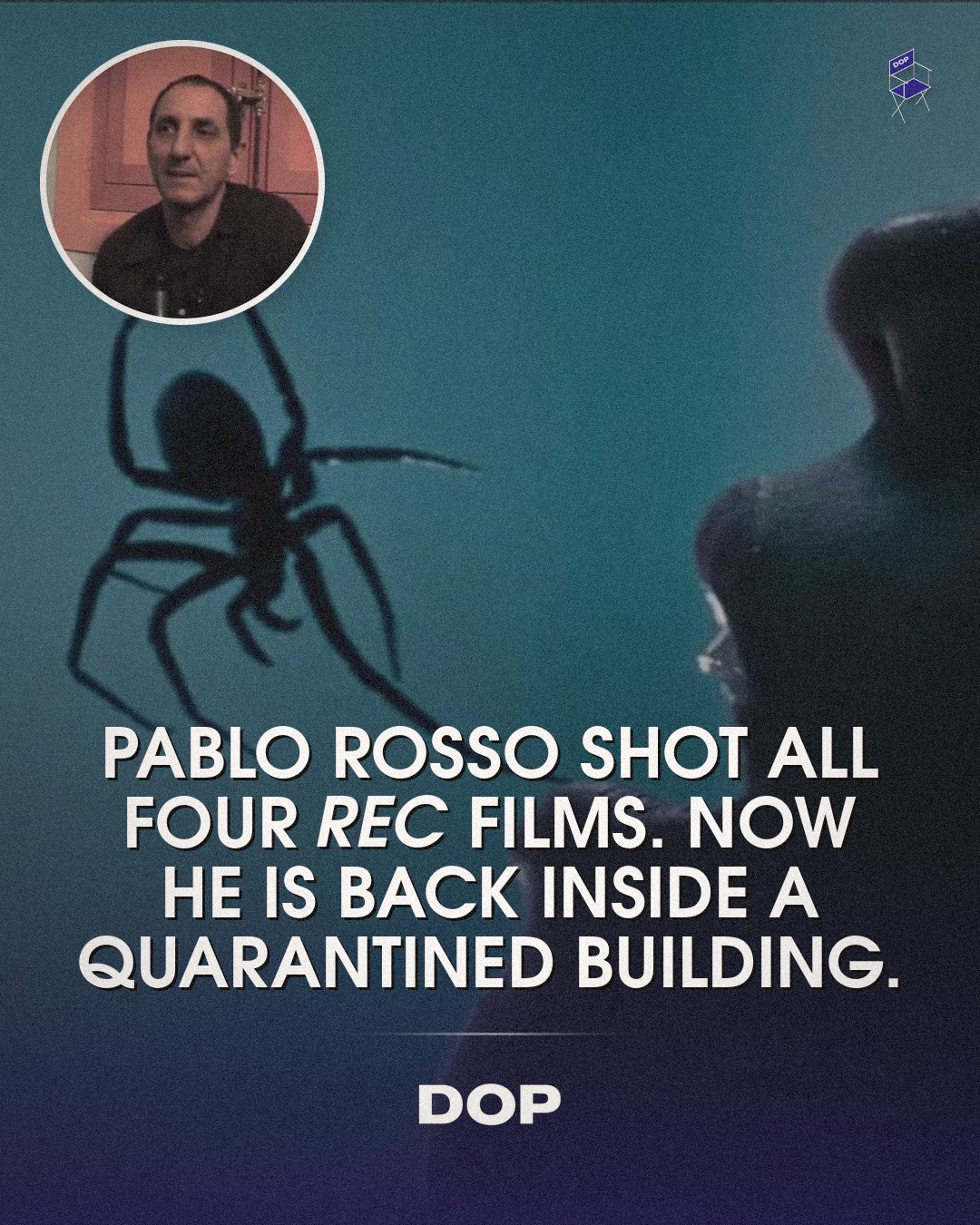
In the lexicon of modern horror cinematography, few names resonate with the chilling consistency and atmospheric prowess of Pablo Rosso. His collaboration with directors Jaume Balaguero and Paco Plaza on the seminal [REC] franchise cemented his status as a master of immersive, visceral terror. Now, with Angel Gomez Hernandez’s 'Crawlers,' Rosso once again plunges us into an inescapable architectural nightmare, proving that his command over confined spaces and escalating dread remains unparalleled.
Rosso’s career is a testament to the power of environmental storytelling through the lens. The Instagram caption aptly notes his penchant for 'shooting Spanish horror inside buildings people cannot leave.' This isn't merely a thematic choice; it's a profound understanding of how cinematography can weaponize architecture. In the original [REC], the handheld, almost documentary-style approach, often attributed to Rosso's background in news and commercial work, became integral to the film’s shocking realism. Shot on a Panasonic AG-DVX100, a prosumer DV camera, this choice was revolutionary, lending an unvarnished authenticity that higher-end cinema cameras of the time might have struggled to replicate without significant post-production manipulation. It was a stylistic gamble that paid off, immersing viewers directly into the chaos.
The Architecture of Fear: From [REC] to Crawlers
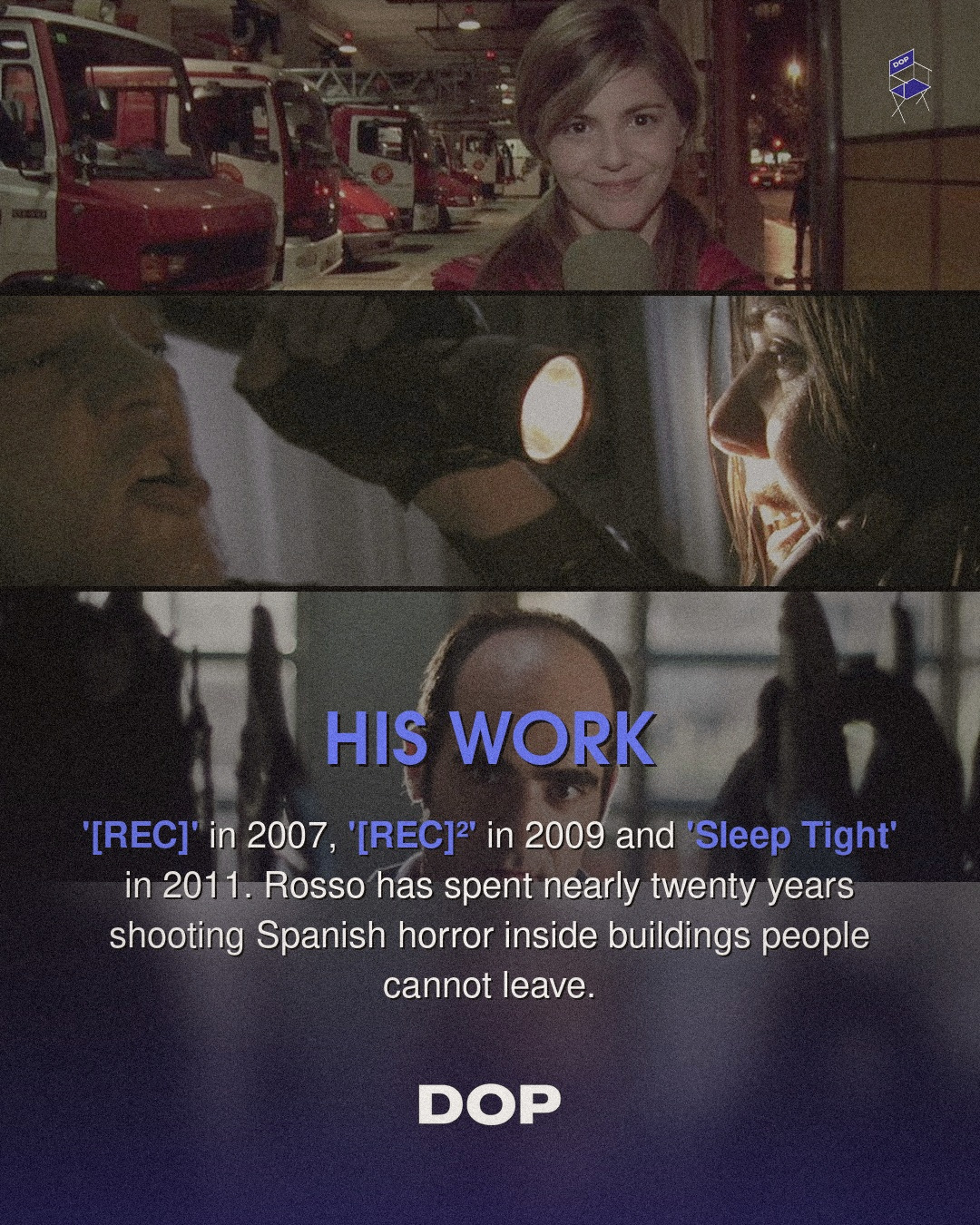
The brilliance of Rosso’s work in the [REC] series wasn't just the 'found footage' aesthetic, but his meticulous manipulation of practical lighting within those tight, decaying apartment blocks. He utilized existing light sources, augmenting them subtly to create pockets of oppressive shadow and blinding glare, effectively turning the building itself into a character. The flickering fluorescents, the harsh police lights penetrating windows, the beam of a single flashlight, these weren't just illumination; they were narrative devices, guiding our attention, hiding threats, and amplifying the characters' despair. This philosophy carried through to 'Sleep Tight,' where the seemingly mundane apartment building became a labyrinth of psychological torment, and 'Veronica,' which masterfully blended supernatural dread with an intimate, domestic setting.
"Pablo Rosso doesn't just light a scene; he sculpts the very air within it, turning architectural constraints into boundless opportunities for terror."
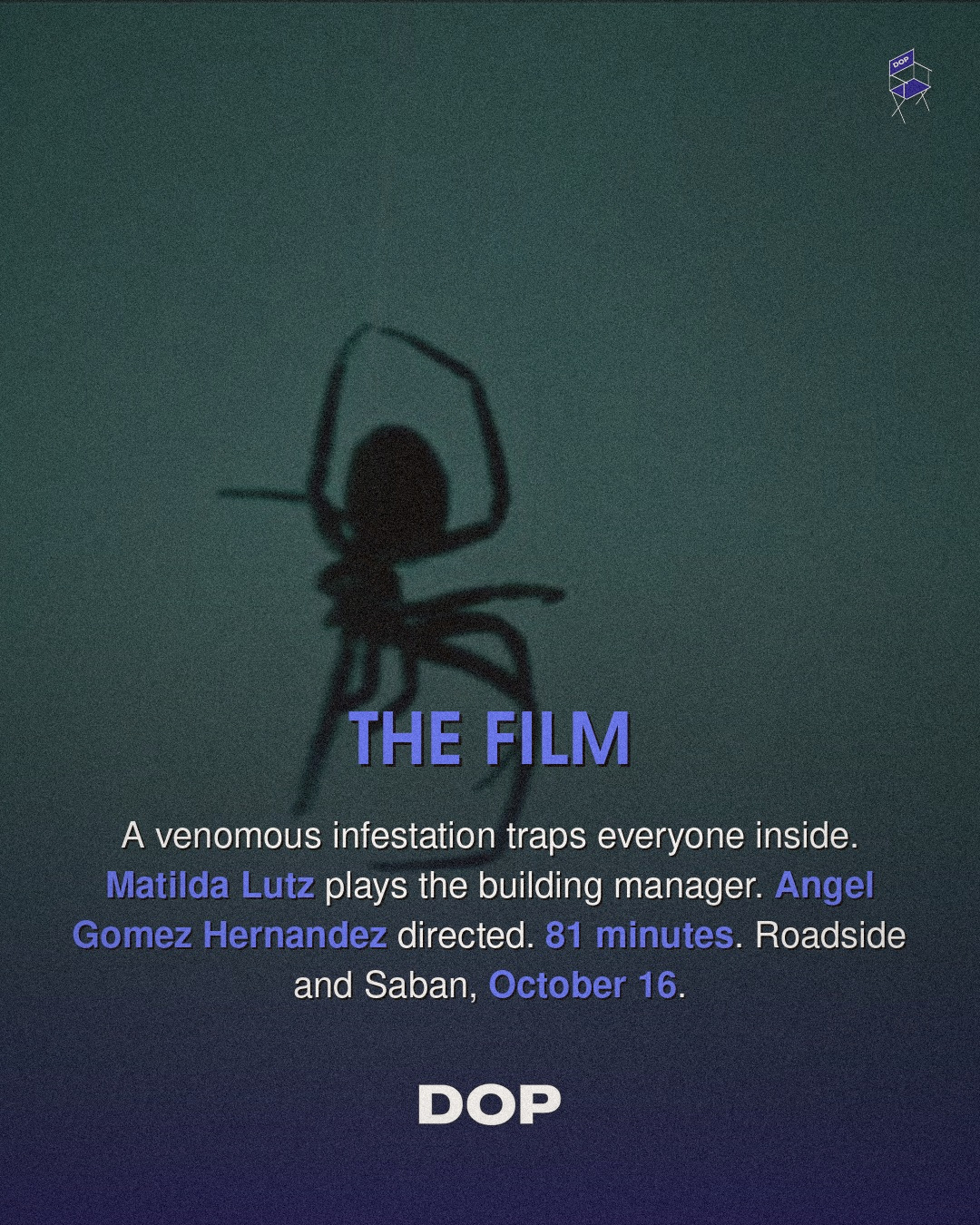
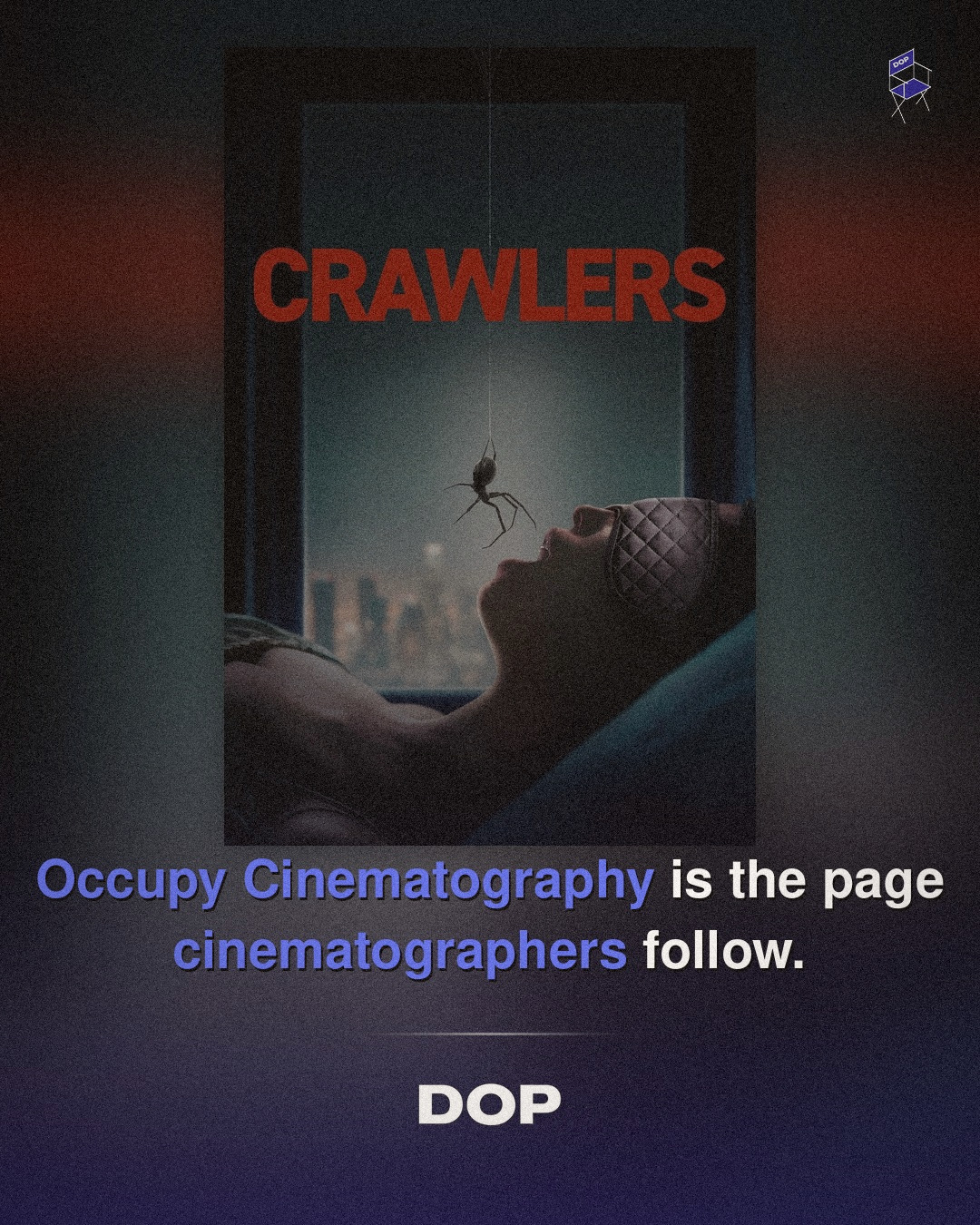
In 'Crawlers,' Rosso revisits this familiar terrain, albeit with a new creature feature twist. The film’s premise, a building quarantined and infested with venomous spiders, is a perfect canvas for his talents. One can anticipate Rosso employing similar techniques: exploiting the building’s inherent features, from ventilation shafts to utility closets, to create pathways for the arachnid threat and heighten the sense of inescapable peril. The camera will likely become a character's terrified gaze, darting through dim hallways, catching glimpses of movement in the periphery, and making the audience feel every scuttling menace.
Technical Precision in Psychological Horror
Rosso's technical prowess extends beyond just camera choice. His understanding of lens character, for instance, plays a crucial role. For the [REC] films, the wide-angle, slightly distorted perspective inherent to smaller camcorders emphasized the cramped environment and distorted perceptions. For more traditional narratives like 'Sleep Tight' or 'Veronica,' his choice of lenses would likely shift to something that offers more cinematic control over depth of field and anamorphic characteristics, while still maintaining that underlying sense of unease. He understands that a lens isn’t just a tool for capture; it’s a filter for emotion.
Color science is another area where Rosso excels, often opting for a desaturated, cool palette that drains warmth and life from the environment, reflecting the grim circumstances of his characters. This is often punctuated by stark, contrasting reds, be it blood, emergency lights, or a splash of vibrant fear. This deliberate color grading isn't just aesthetically pleasing; it's psychologically impactful, contributing to the pervasive sense of dread that defines his filmography. As 'Crawlers' unfolds, we can expect Rosso to leverage these visual signatures, creating a suffocating atmosphere where every shadow might conceal a threat, and every corner promises no escape.
Pablo Rosso's nearly two decades of dedication to the craft of confined horror cinema is a masterclass in visual storytelling. He doesn't just shoot a film; he orchestrates an experience, meticulously crafting every frame to maximize tension and immerse the audience in the characters' inescapable plight. As 'Crawlers' arrives, it's not just another horror film; it's another opportunity to witness a true master at work, turning architectural limitations into cinematic triumphs of terror.