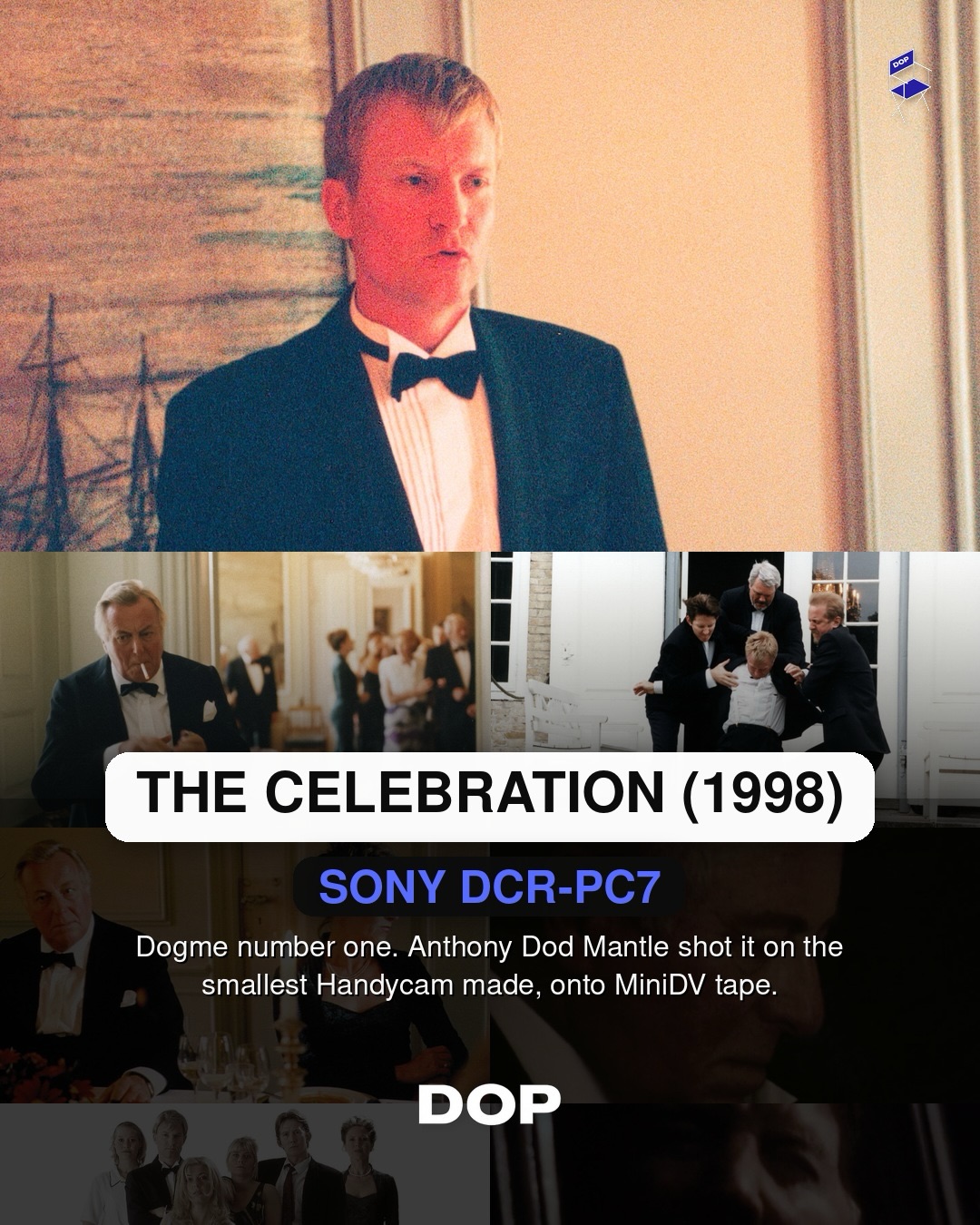
In an era dominated by large-format sensors, sub-micron pixel pitches, and clinical anastigmatic glass, it is easy to conflate technological excess with cinematic value. We obsess over dynamic range stops, MTF charts, and uncompressed RAW workflows. Yet, twenty-seven years ago, a quiet insurrection took place on the outskirts of Copenhagen that stripped cinematography down to its bare, mechanical bone. Thomas Vinterberg and cinematographer Anthony Dod Mantle picked up a consumer-grade Sony DCR-PC3 Handycam to shoot Festen, inaugurating the Dogme 95 movement and proving that narrative urgency could thrive within standard-definition tape compression.
Festen was not an act of budgetary desperation; it was a deliberate philosophical gambit. Operating on 1/3-inch CCD sensors recording to consumer MiniDV, Dod Mantle leaned directly into the inherent limitations of interlaced video. Blown-out practicals, chromatic fringing, and pixelated shadow noise became visceral storytelling tools rather than technical failures. Transferred to 35mm celluloid for theatrical distribution, the digital grain exploded, giving the high-society trauma of the Klingenfeldt estate a claustrophobic, documentary dread that no Arriflex 535 could ever replicate.
The Kinetic Anarchy of MiniDV
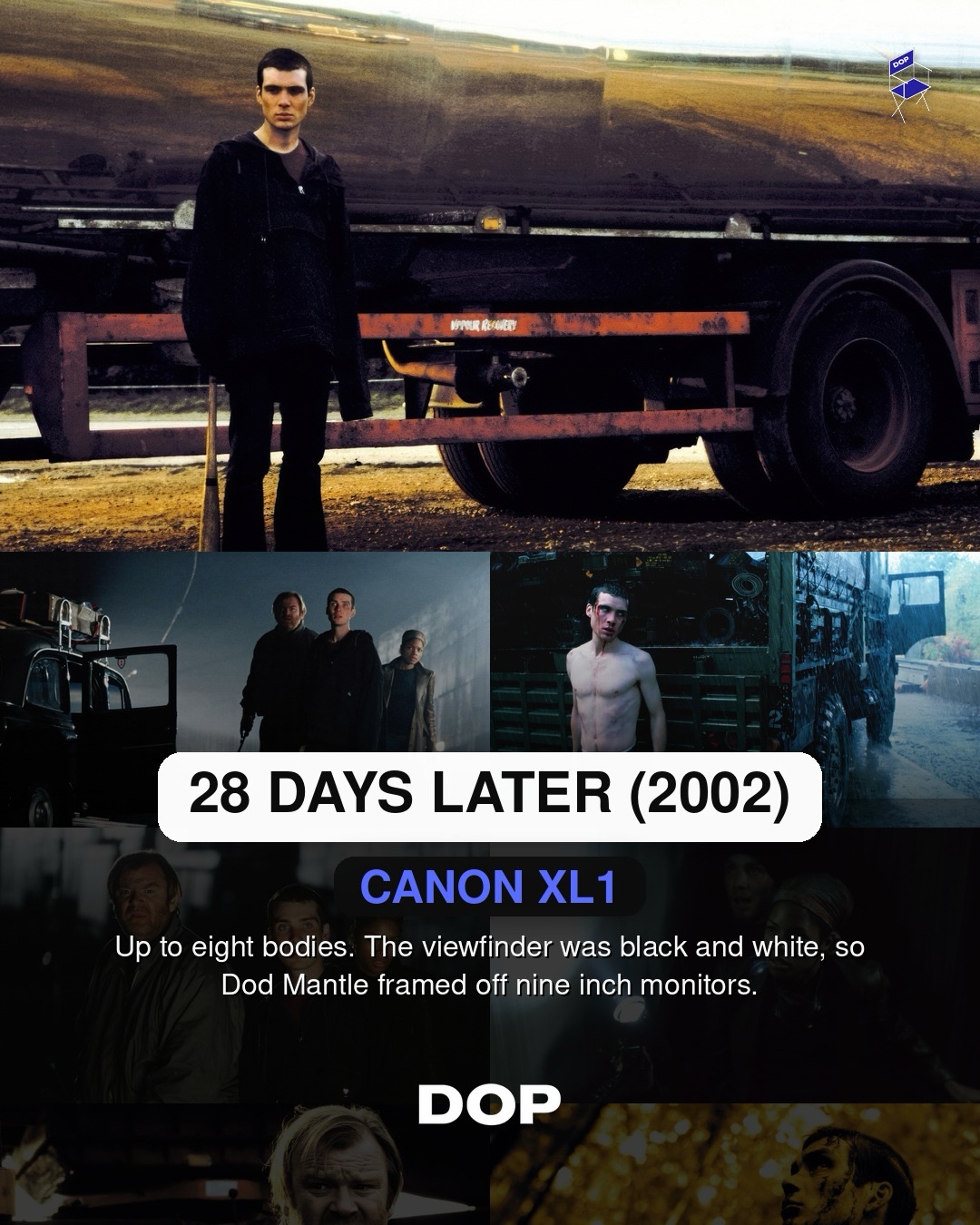
Four years later, Dod Mantle reunited with Danny Boyle to unleash 28 Days Later, a film that redefined modern post-apocalyptic cinema through the lens of eight Canon XL1 camcorders. The production faced an impossible logistical nightmare: evacuating Central London during brief, twenty-minute dawn windows. A fleet of 35mm cameras would have required sprawling footprints, cumbersome magazines, and extensive camera crews. Instead, Dod Mantle rigged multiple XL1 bodies equipped with Canon FD still lenses and Century Precision wide-angle adapters, capturing standard-definition PAL at 25p.
To articulate the terrifying, feral velocity of the infected, Dod Mantle bypassed traditional 180-degree motion cadence. He cranked the XL1’s digital shutter to extreme speeds, effectively mimicking a 45-degree mechanical shutter angle, which eliminated motion blur and rendered every droplet of infected blood and frantic stride in staccato, razor-sharp hyper-reality. The low resolving power of the 3-CCD sensor, when blown up to 35mm via laser recorders, generated an abrasive, militaristic texture that perfectly matched Britain’s societal collapse.
The democratization of cinema has never been about gear accessibility; it is about liberating the camera operator from the physical gravity of a traditional film set.
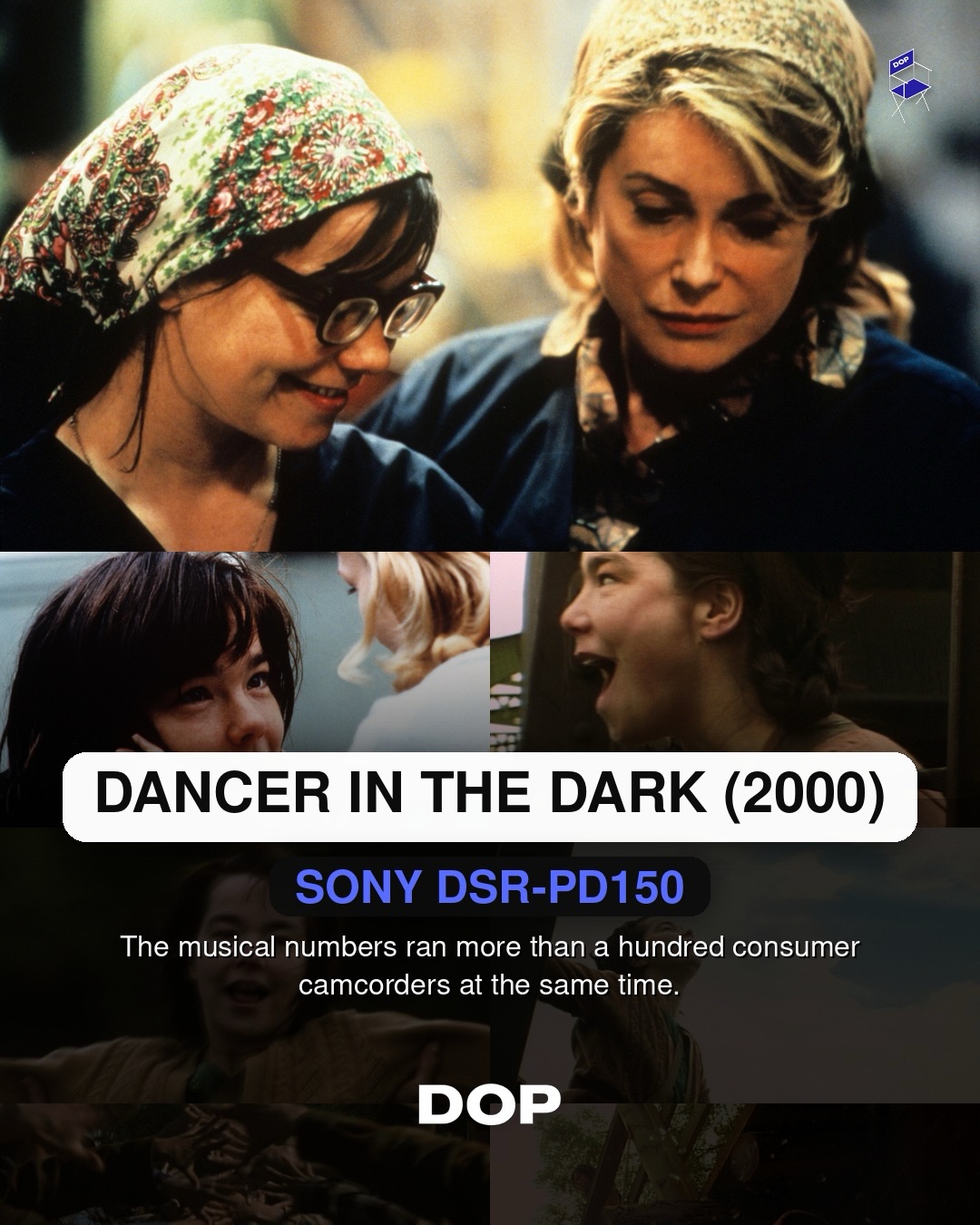
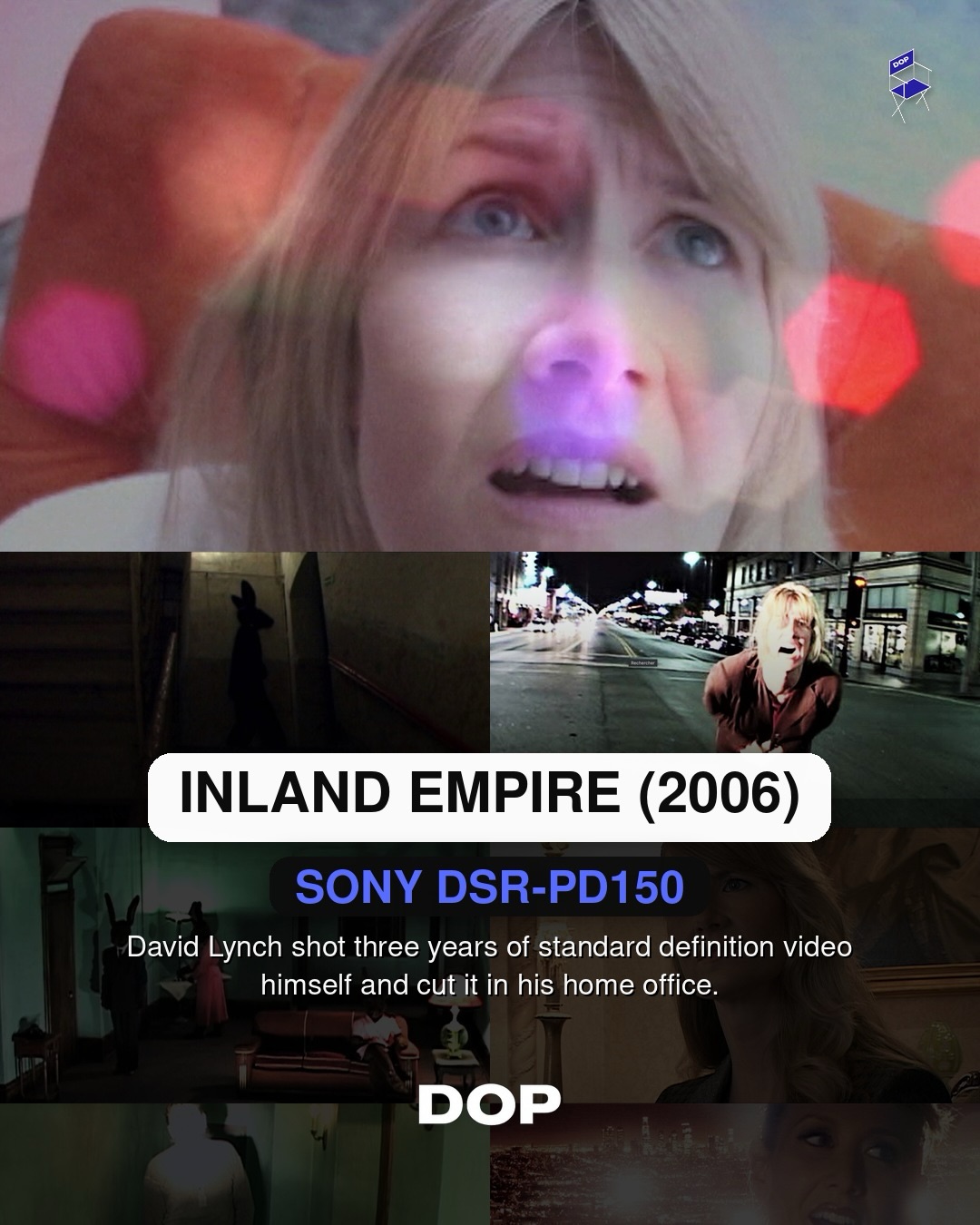
Across the Atlantic, David Lynch embraced the same prosumer ethos for Inland Empire in 2006. Working as his own director of photography, Lynch spent years wandering the surreal backstreets of Hollywood and Lodz with a Sony DSR-PD150 DVCAM camcorder. Rather than fighting the digital video noise of the early 2000s, Lynch transformed it into a psychological canvas. The camera’s aggressive dynamic compression crushed highlight detail into flat whites and submerged shadows into murky, swirling macro-blocks, evoking a nightmarish, dreamlike state that pristine emulsions could never conjure.
From Tape Artifacts to Computational Silicon
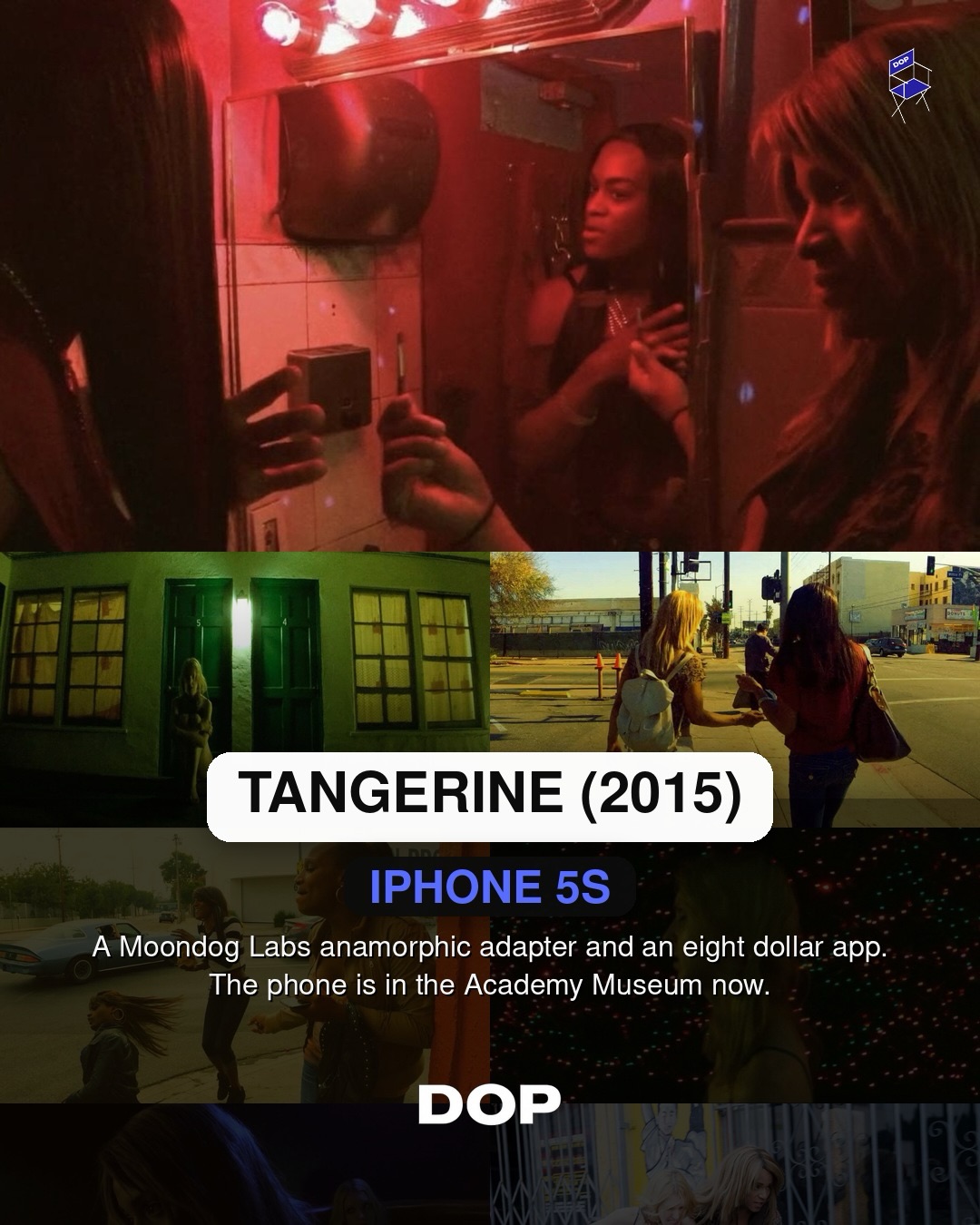
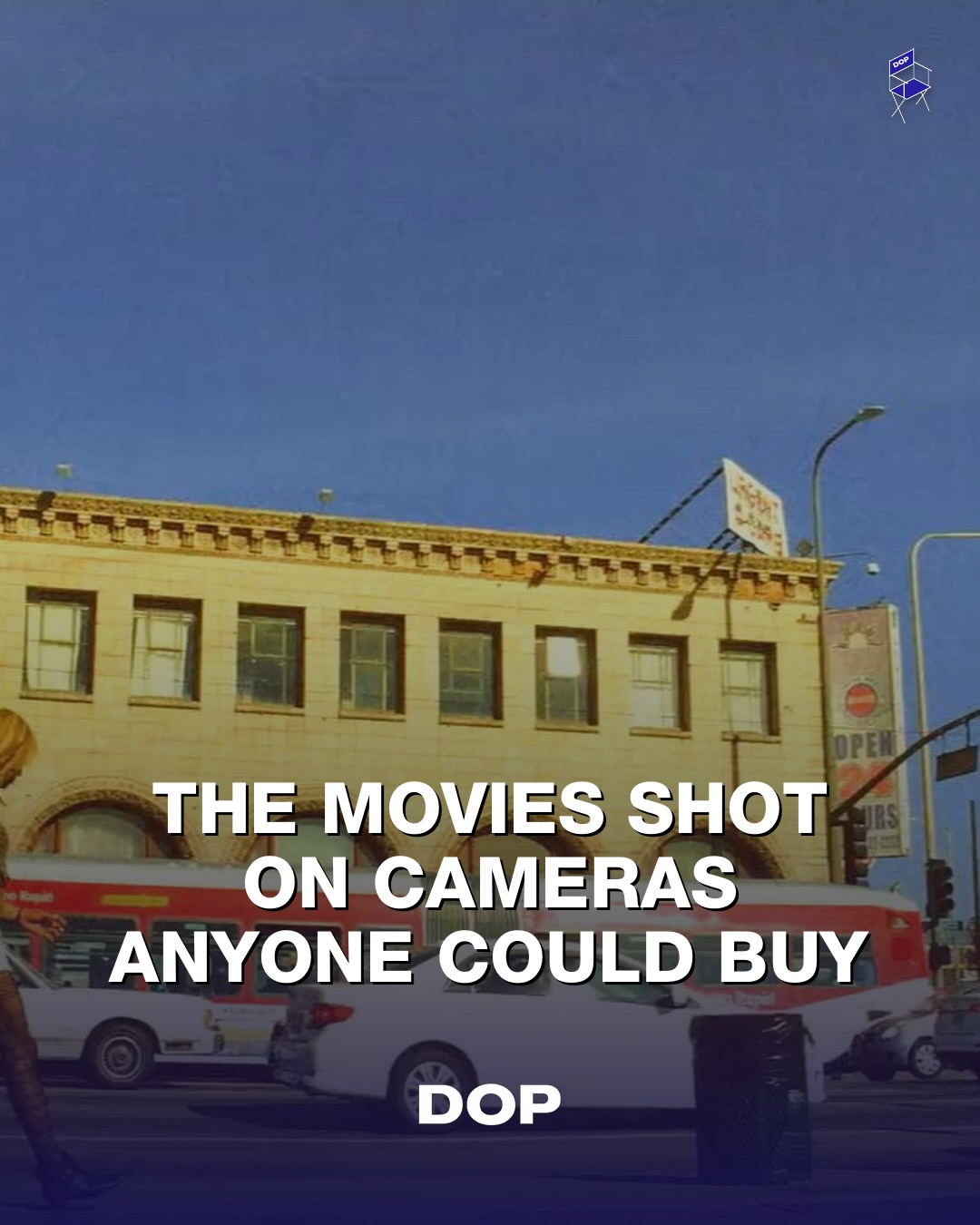
The consumer camera lineage is unified not by low budgets, but by physical agility and artistic confrontation. When Sean Baker and Radium Cheung shot Tangerine on three iPhone 5s units in 2015, they armed the devices with Moondog Labs 1.33x anamorphic adapters and FiLMiC Pro software to tame the aggressive automatic exposure algorithms. By keeping the rig featherlight and mobile, Cheung was able to chase the protagonists down Santa Monica Boulevard on a bicycle, threading the needle between guerrilla naturalism and stylized widescreen grandeur.
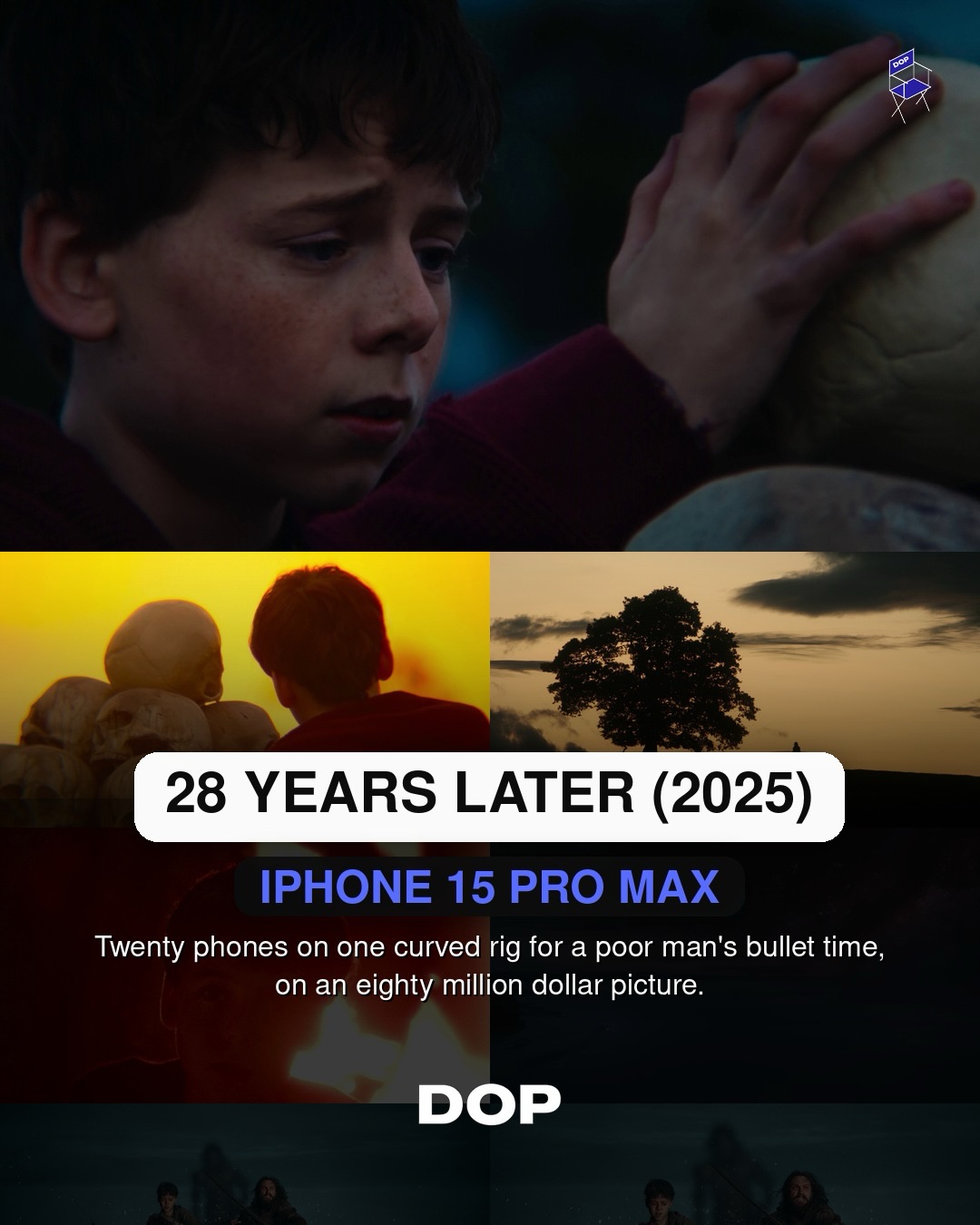
Now, the circle closes with Danny Boyle and Anthony Dod Mantle re-entering the apocalyptic wasteland for 28 Years Later, this time wielding cages rigged with iPhone 15 Pro Max devices. While the sensor architecture has transitioned from tiny CCD chips to computational CMOS arrays capable of shooting 4K Apple Log in 10-bit ProRes 422 HQ, the operational ethos remains unchanged. Custom cage systems, adapted vintage lenses, and remote monitoring arrays allow Dod Mantle to place twenty lightweight capture points into hostile, kinetic environments without the footprint of an ALEXA 35 or VENICE 2 package.
The through-line from the Sony PC3 in 1998 to modern computational silicon is clear: the camera is ultimately an instrument of access, not reverence. When cinematographers shed the logistical deadweight of massive camera trucks, a different kind of relationship forms between the operator, the performer, and the light. These off-the-shelf experiments remind us that the camera is merely a witness. The cinema happens entirely in front of the lens.
This article contains affiliate links. We may earn a small commission at no extra cost to you. Learn more.