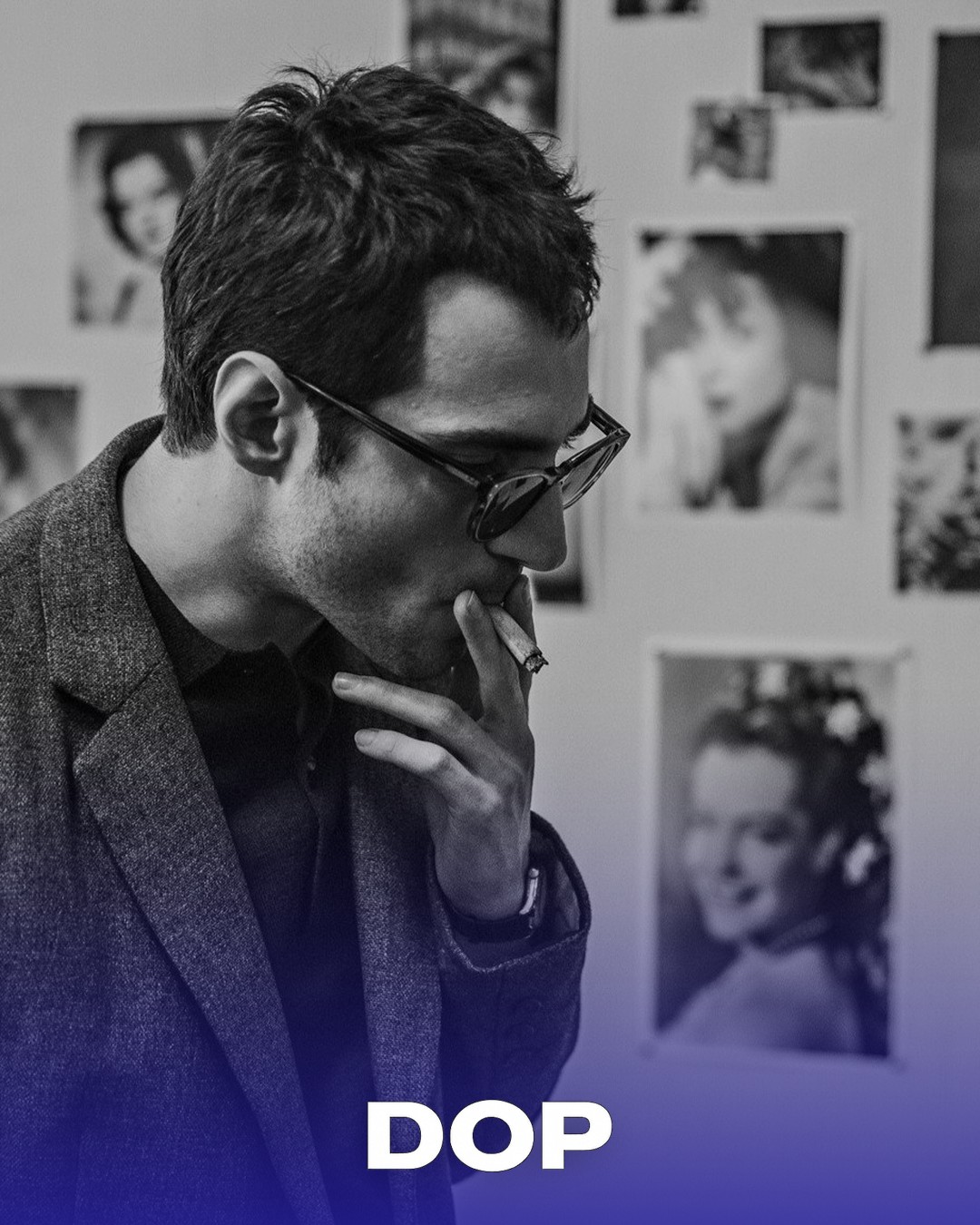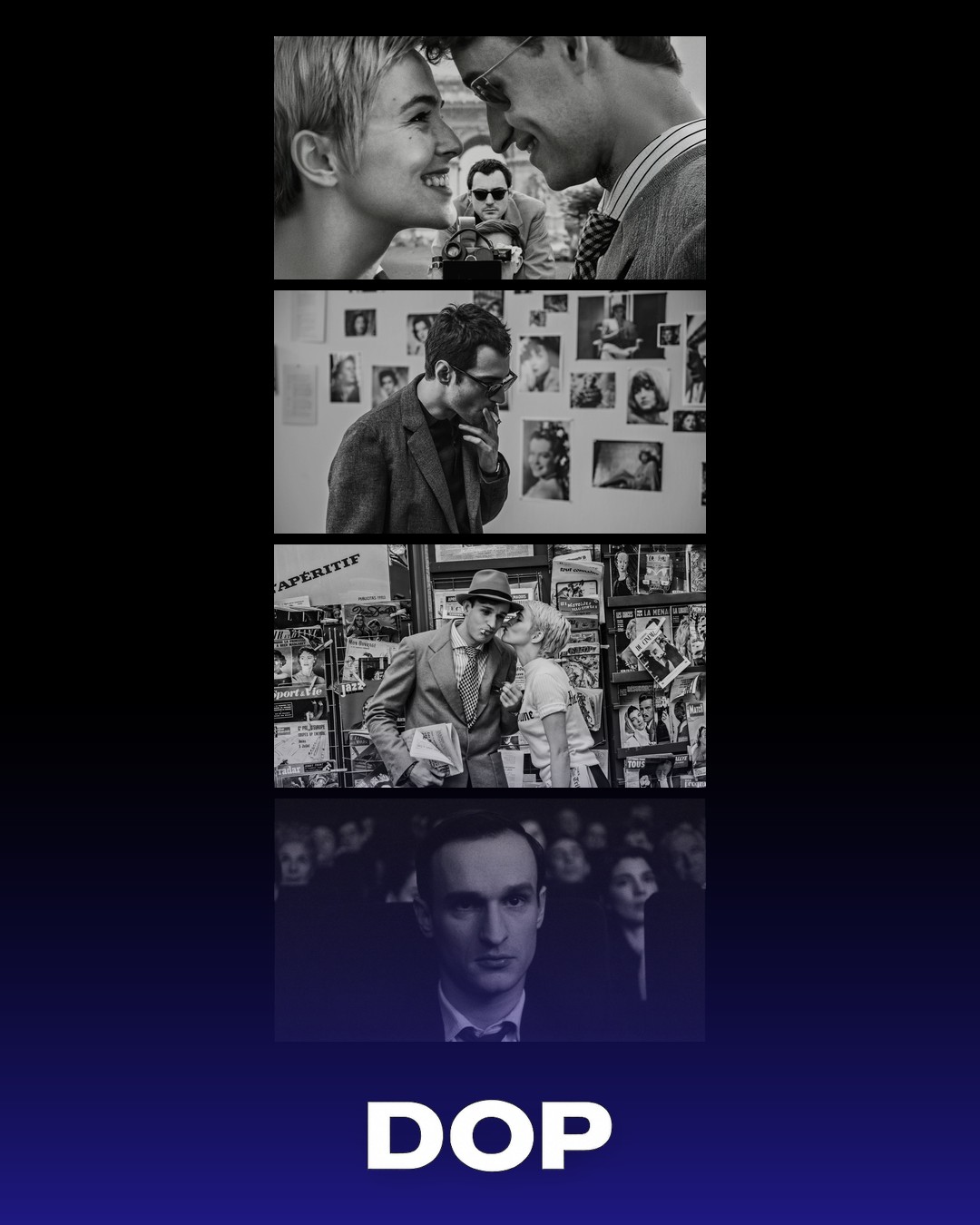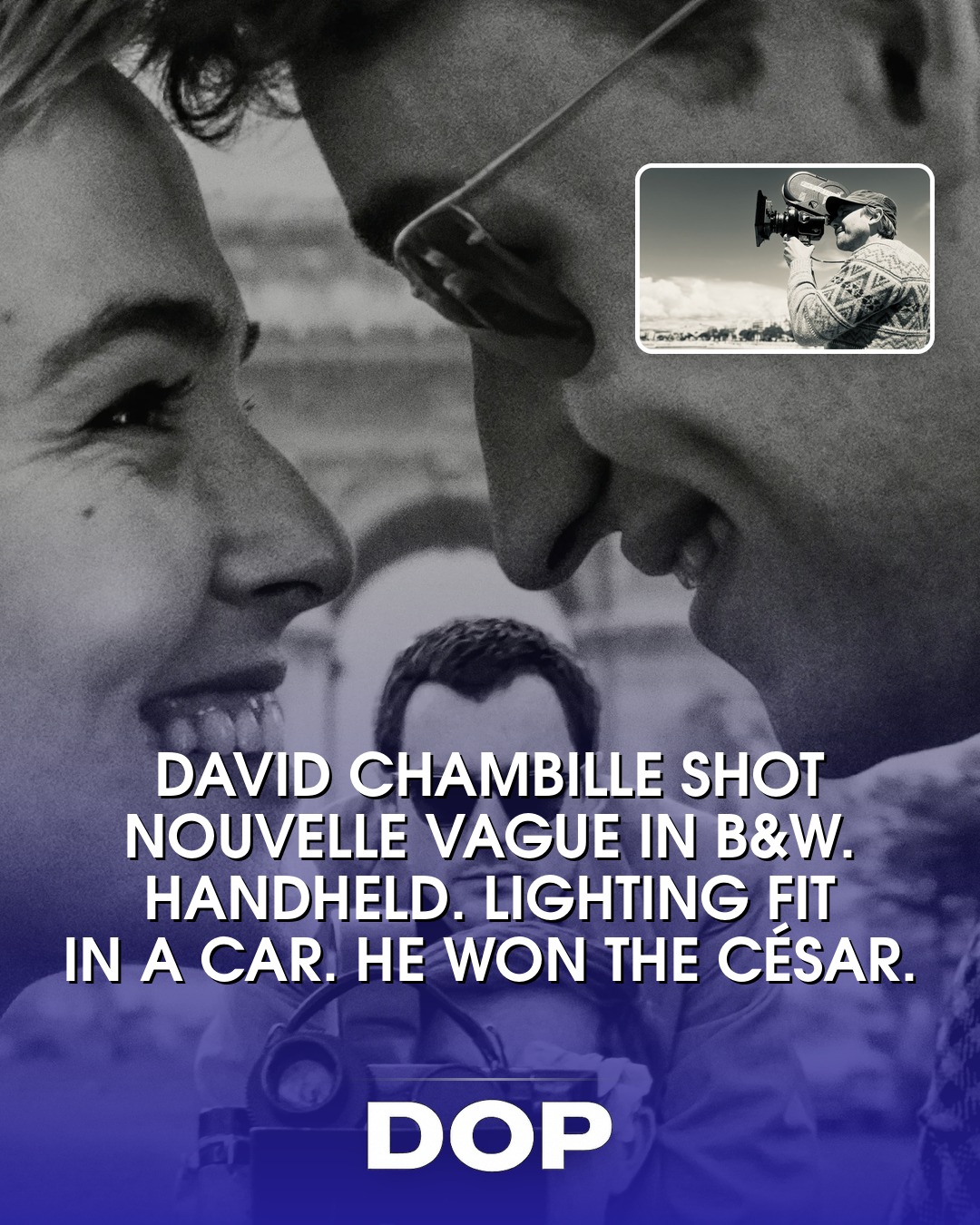
In an era often dominated by increasingly complex camera setups, elaborate crane shots, and the ubiquitous drone, David Chambille's César-winning cinematography for Richard Linklater's Nouvelle Vague stands as a powerful testament to the art of constraint. His approach was not merely a stylistic choice but a philosophical one, embracing limitations to forge a visual language that is both authentic and deeply resonant with the film's New Wave spirit. Shot entirely on black and white 35mm film in the classic Academy 1.37:1 aspect ratio, Chambille stripped away modern accouterments to reveal the raw, unvarnished essence of his subjects.
The decision to shoot 35mm black and white immediately sets a distinct tone, harkening back to the very period the film evokes. This wasn't merely an aesthetic nod; it was a commitment to a specific texture, a particular grain structure, and a dynamic range that digital simply cannot replicate with true fidelity. The Academy ratio, often seen as a relic, here becomes a frame of intimacy, focusing the viewer's attention squarely on character and performance, free from the expansive distractions of wider formats. It's a bold choice that forces a more deliberate composition, emphasizing verticality and often isolating figures within the frame, mirroring the existential musings of the Nouvelle Vague itself.
Handheld Purity and Lighting Precision
Perhaps the most striking aspect of Chambille's methodology was the absolute reliance on handheld operation. There was no Steadicam, no elaborate gimbals, no bulky rigs to smooth out the human touch. This wasn't about achieving a hyper-realistic, fly-on-the-wall perspective in the vein of a documentary, but rather imbuing the camera with a palpable sense of human presence. The slight imperfections, the subtle drifts, the organic reactions to movement – all contribute to a feeling of immediacy and emotional rawness. It's a technique that demands not only physical stamina but also an incredibly intuitive connection between the camera operator and the actors, blurring the lines between observation and participation.
“Chambille’s 'Nouvelle Vague' cinematography is a masterclass in controlled minimalism, proving that true artistry often blossoms under the most stringent creative limitations.”
The lighting philosophy employed by Chambille further underscores this commitment to authenticity. Beyond the generous use of natural sunlight and strategically bounced photofloods, his artificial lighting package was astonishingly sparse. Only HMIs and LEDs, meticulously calibrated to match the specific color temperature and quality of late 1950s Paris summer heat, were permitted. This wasn't about overwhelming the scene with artificiality but rather enhancing and sculpting the existing light. The constraint of needing the entire lighting and grip package to fit into a single car speaks volumes about the pragmatic, efficient, and deeply considered approach to every single setup. It’s a strategy that forces a deeper understanding of light’s inherent qualities, rather than relying on brute force.
The Unseen Art of Restraint
The deliberate absence of haze, a ubiquitous tool in contemporary filmmaking for adding atmosphere and sculpting light, further highlights Chambille's commitment to stark realism. Without haze, light sources are sharper, shadows are harder, and the air itself feels crisper, reflecting a bygone era before cinematic atmospherics became commonplace. This choice forces the light to do more work, defining space and mood through intensity and direction alone, rather than relying on diffusion. It’s a brave and challenging path, demanding absolute precision in placement and exposure.
Chambille’s career, while not as widely publicized as some of his contemporaries, has often shown a predilection for nuanced, character-driven narratives, valuing authenticity over spectacle. His work on Nouvelle Vague is a culmination of this ethos, demonstrating a profound understanding of how visual style can serve narrative and thematic concerns with unwavering integrity. The César Award for Best Cinematography was not just for technical excellence, but for the courage to embrace a challenging, constraint-driven approach that ultimately elevated the film to a higher artistic plane.
For cinematographers seeking inspiration, Chambille's work on Nouvelle Vague offers invaluable lessons. It reminds us that the most powerful images often emerge not from unlimited resources, but from intelligent limitations. It champions the human element in camera operation, the subtle power of natural light, and the profound impact of considered, minimalist choices. In an industry constantly pushing for more, Chambille demonstrates the enduring power of less, proving that sometimes, the greatest artistry is found in what you choose to leave out.