Christopher Nolan has long been a champion of practical effects, often eschewing the digital realm for tangible, in-camera solutions that ground his fantastical narratives in a visceral reality. This philosophy extends beyond mere set pieces; it permeates the very fabric of his character design, particularly with non-human entities. The recent revelations surrounding the Cyclops in his upcoming film, 'The Odyssey,' offer a fascinating glimpse into this commitment, echoing the innovative spirit that brought TARS to life in 'Interstellar.'
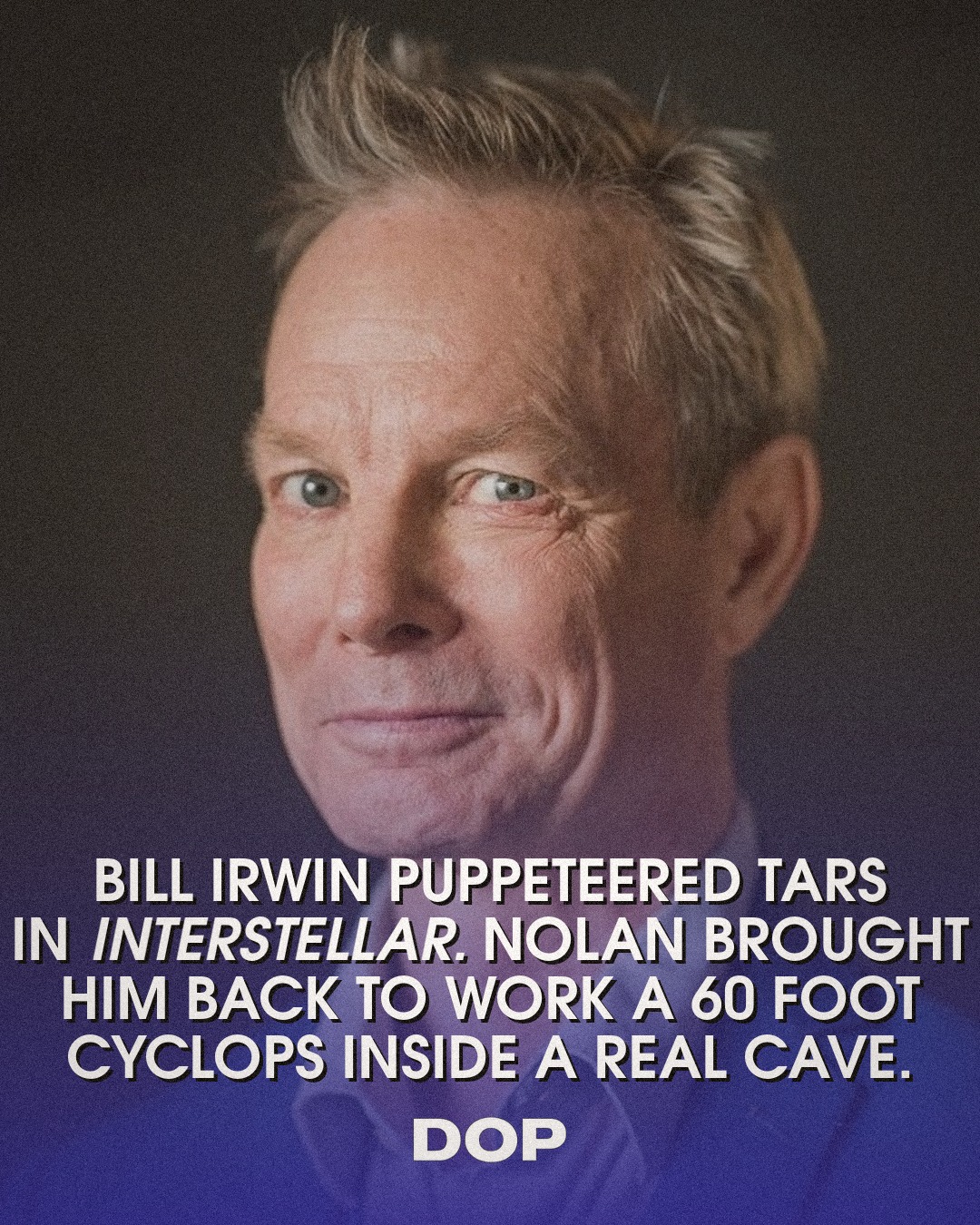
The return of Bill Irwin to Nolan's creative fold is, in itself, a testament to the director's appreciation for physical performance and practical effects. Irwin, a master of physical comedy and puppetry, was instrumental in giving TARS its distinct personality and movement. For 'Interstellar,' he didn't just voice the sardonic robot; he was inside the intricate, nearly 200-pound practical rig for the majority of the shoot, alongside stunt double Mark Fichera. This hands-on approach meant actors were reacting to a physical presence, not a tennis ball on a stick, fostering a more authentic and immediate performance. The minor challenge of Irwin's height, requiring him to be digitally painted out, was a small price to pay for the unparalleled realism he brought to the frame.
The Cyclops: A Symphony of Practicality
Now, with 'The Odyssey,' Nolan has taken this practical ethos to mythological heights. Irwin is credited not just as the voice of the Cyclops but also for providing the creature's physical noises on set throughout the production. This is a crucial detail for cinematographers and sound designers alike: the immediate, spatial presence of a creature's vocalizations and movements shapes the way a scene is lit, framed, and ultimately, perceived. It dictates how light plays off a physical form, how shadows are cast, and how the actors interact with their environment.
"Nolan's aim was to imagine what the encounter would be like in life rather than approach it as a storybook, which is why the actors are reacting to something that is physically there."
The description of the Cyclops sequence is nothing short of extraordinary: a combination of animatronics, puppetry, and a colossal 60-foot contraption. This multi-faceted approach suggests a creature with both intricate, nuanced movements (puppetry/animatronics for facial expressions or smaller gestures) and a truly imposing, large-scale physical presence (the 60-foot contraption for its overall mass and movement). Shooting this inside Psychro Cave in Greece, a location steeped in ancient mythology, with 40 live sheep in the frame, further amplifies the challenge and the commitment to verisimilitude. The natural, uneven light of a cave, combined with the unpredictable movement of live animals, demands a DP of immense skill and adaptability.
Cinematography in the Wild: Capturing the Myth
From a cinematography standpoint, capturing such a sequence requires meticulous planning and a deep understanding of natural light and environmental challenges. Imagine the lighting setups necessary to illuminate a 60-foot practical creature within a cave, all while ensuring the 40 sheep are visible and the actors' performances remain central. This isn't about perfectly controlled studio lighting; it's about embracing the rawness of the environment. Nolan's DPs, from Wally Pfister to Hoyte van Hoytema, have consistently demonstrated a mastery of large-format cinematography, often utilizing IMAX cameras to capture immense scale and detail. One can only speculate what camera and lens package was employed here, but given the scale, a large-format sensor would be ideal for rendering the textures of the cave, the creature, and the natural elements with breathtaking clarity.
The choice to have actors react to a physical, tangible presence, rather than a CGI placeholder, fundamentally alters the visual language of the film. Eye-lines are accurate, reactions are genuine, and the sense of dread or awe is palpable. This isn't just about 'looking real'; it's about 'feeling real.' The light interacts with the creature's physical form, creating authentic shadows and reflections that would be incredibly challenging, if not impossible, to perfectly replicate in post-production. The color science, too, would be influenced by the practical nature of the beast, the inherent tones of the materials used for the animatronics and puppetry would dictate the palette, lending an organic quality to the creature's appearance.
Nolan's unwavering dedication to practical effects, even in an era dominated by digital wizardry, serves as a powerful reminder of the enduring magic of tangible filmmaking. The Cyclops of 'The Odyssey' is poised to be another iconic example of how blending innovative engineering, masterful puppetry, and thoughtful cinematography can create mythical beings that feel undeniably present, truly in the room with us, and profoundly impactful on the big screen.
This article contains affiliate links. We may earn a small commission at no extra cost to you. Learn more.