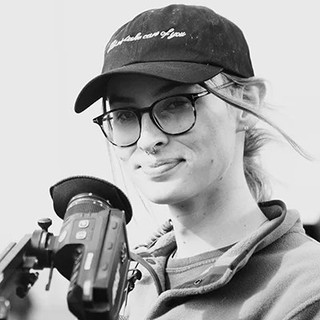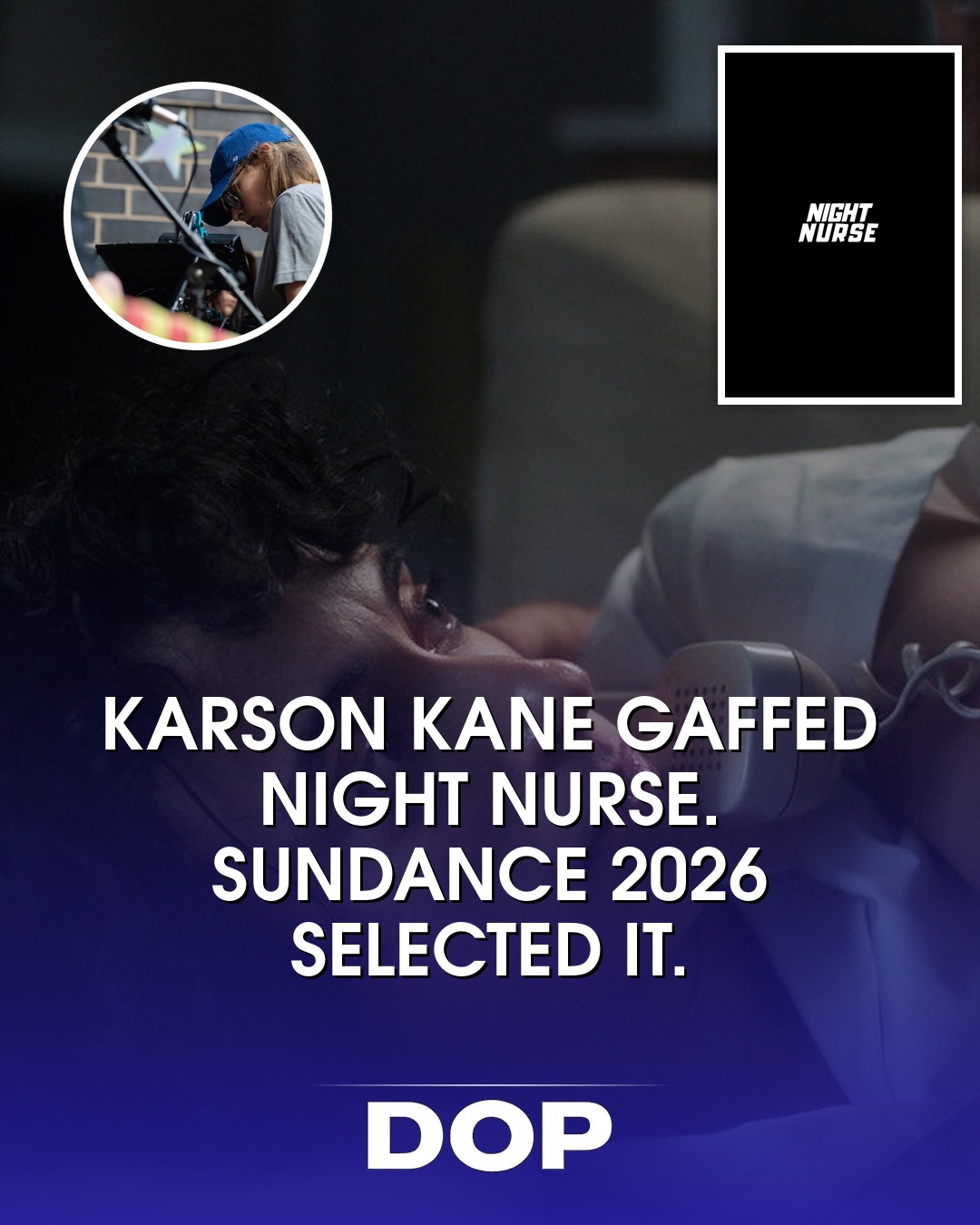
The annual pilgrimage to Park City for the Sundance Film Festival rarely disappoints, and the 2026 edition proved no exception. Among the myriad voices and visions presented, Georgia Bernstein's feature directorial debut, Night Nurse, emerged from the NEXT section with a distinct, unsettling glow. An erotic psychological thriller, the film’s critical acclaim often centered on its "advanced direction" and, crucially for us at Occupy Cinematography, its compelling "visual appeal." This visual tapestry, woven with precision and intent, is a testament to the collaborative artistry between Director of Photography Lidia Nikonova and her chief lighting technician, Karson Kane.
Kane's role as gaffer on Night Nurse extended far beyond mere illumination; it was about sculpting atmosphere, defining character, and guiding the audience's emotional journey through light and shadow. Shot on location in Chicago with a lean, independent crew starting in September 2024, the production environment would have presented its own set of challenges, demanding ingenuity and adaptability. The film’s selection for Sundance, and the subsequent recognition of its below-the-line talent – notably Kane’s selection for the 2026 AFI Cinematography Intensive for Women – underscores the profound impact of a gaffer’s contribution, particularly when working in close concert with a visionary DP.
The Art of the Gaffer: Translating Vision into Light
The gaffer, or chief lighting technician, serves as the DP's right hand, the architect who translates the abstract language of light into a tangible reality on set. Nikonova’s vision for Night Nurse, given its genre as an erotic psychological thriller, likely called for a nuanced interplay of seduction and menace, intimacy and isolation. This would necessitate a masterful command of light quality – from the soft, caressing glow that hints at desire, to the stark, hard light that reveals hidden truths or psychological fracturing.
"The gaffer’s contribution is often central to a film's distinctive aesthetic; in the case of Night Nurse, critics noted its 'advanced direction' and 'visual appeal,' highlighting the specific look Kane helped achieve alongside Nikonova."
Consider the potential lighting motifs: perhaps a warm, inviting palette in the upscale retirement community initially, slowly giving way to cooler, more desaturated tones as the nurse (Cemre Paksoy) becomes entangled with the mysterious patient (Bruce McKenzie). Kane’s expertise would have been crucial in selecting the right instruments – perhaps a blend of classic tungsten for a period feel and the versatility of modern LEDs for precise color control and subtle shifts in mood. The use of practicals within the location, meticulously augmented or diffused, could have played a significant role in grounding the film's aesthetic in a believable, yet unsettling, reality.
Technical Craft in Service of Story
While specific camera and lens choices for Night Nurse haven't been publicly detailed, we can infer certain considerations. For an independent production with a small crew, efficiency and versatility would have been paramount. A camera system known for its robust low-light performance and excellent color science, perhaps an ARRI ALEXA Mini LF or a Sony VENICE, could have been chosen to maximize dynamic range and handle the often-demanding interior setups. Lenses, too, would have been critical. For an erotic thriller, perhaps a set of vintage anamorphic lenses to introduce a subtle softness and unique bokeh, or modern large-format primes for their exquisite sharpness and shallow depth of field, artfully separating the characters from their environment, mirroring their psychological states.
Kane’s role would have involved not just placing lights, but shaping them. The quality of light – hard or soft, direct or diffused – directly impacts how a character is perceived. Soft, flattering light might be used to enhance the initial allure of the patient, while hard, directional light could later be employed to emphasize his menacing presence or the nurse's growing paranoia. The subtle application of negative fill, or the absence of light, is just as powerful, creating pockets of shadow that heighten suspense and conceal information. This meticulous control over light and shadow is the hallmark of a skilled gaffer working with a discerning DP.
Looking Ahead: The Future of Collaborative Cinematography
The recognition bestowed upon Karson Kane, including the AFI Cinematography Intensive for Women, is a vital affirmation of the collaborative spirit inherent in filmmaking. It highlights that exceptional visual storytelling is rarely the product of a single individual, but rather a symphony of talents working in unison. Lidia Nikonova’s directorial debut is undoubtedly a triumph, but its visual power, as critics attest, owes a significant debt to the intricate, hands-on work of Kane and the electrical department. As DPs push the boundaries of visual language, the gaffer's role becomes even more critical, demanding not just technical proficiency but creative partnership. Night Nurse stands as a luminous example of this synergy, and we eagerly await the next chapters from both Nikonova and Kane.
This article contains affiliate links. We may earn a small commission at no extra cost to you. Learn more.