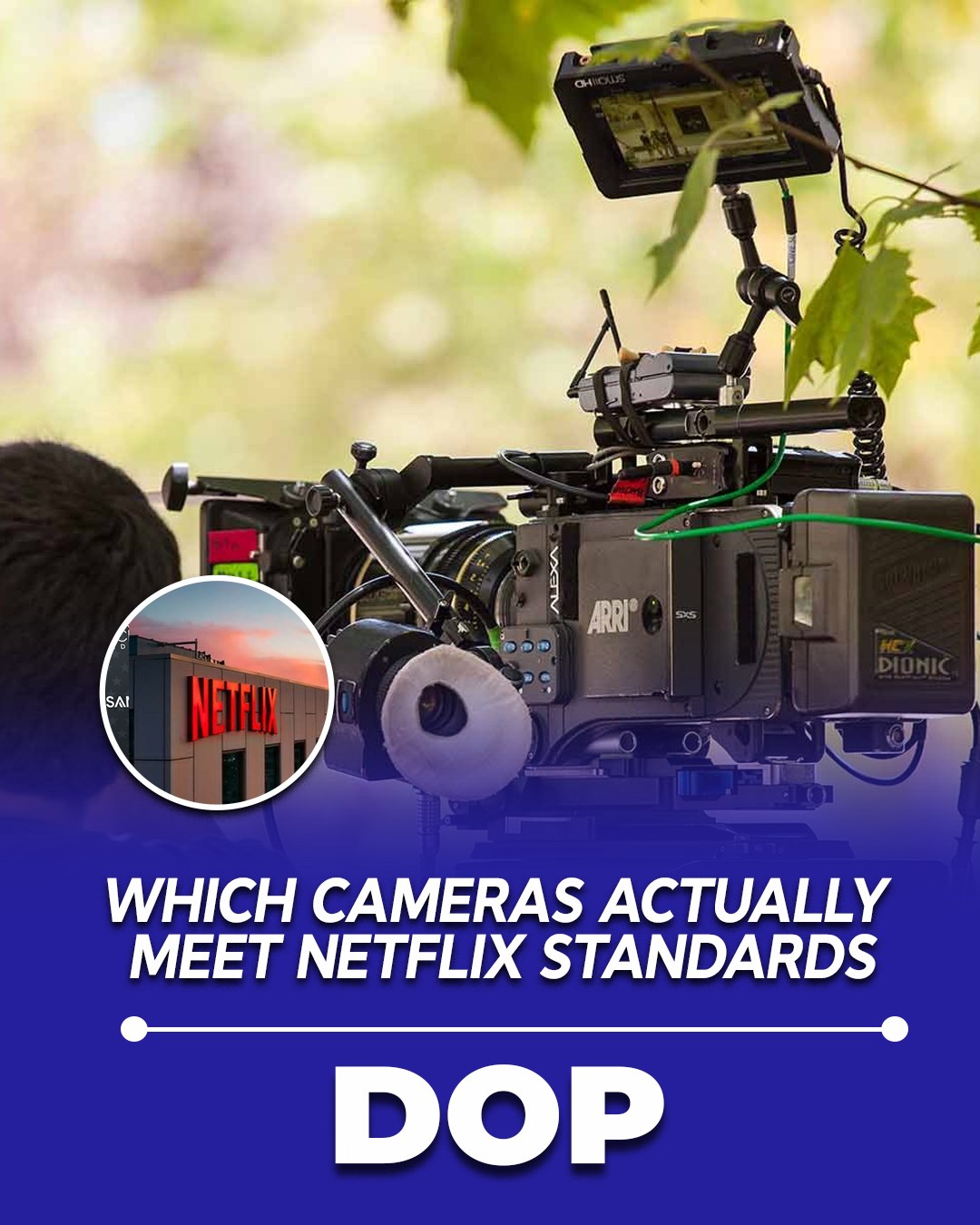
The digital landscape of filmmaking is in constant flux, and few entities exert as much influence over its technical trajectory as Netflix. Their recently updated camera approval list for 2026, alongside revised technical requirements for original productions, signals a continued push towards higher fidelity, greater dynamic range, and a standardized approach to capture that shapes the choices of cinematographers worldwide. For DPs navigating the intricate dance between artistic vision and technical compliance, these mandates are both a guiding hand and, at times, a source of intense discussion.
At the heart of the 2026 updates lies a steadfast commitment to 4K minimum resolution and a rigorous adherence to color spaces optimized for High Dynamic Range (HDR) delivery. This isn't a new directive, but rather an evolution of existing standards, reinforcing Netflix's dedication to a premium viewing experience. For cinematographers, this means a continued emphasis on cameras capable of delivering robust 4K images with ample latitude for HDR grading. The RED V-Raptor, ARRI Alexa 35, Sony Venice 2, and the Blackmagic Ursa Mini Pro 12K, among others on the approved list, are not just chosen for their resolution but for their sensor architecture, color science, and ability to handle the extreme contrast ratios inherent in HDR workflows.
The Technical Imperatives: Resolution, Codec, and Dynamic Range
Netflix's technical specifications delve deeper than just headline resolution. The codec requirements, for instance, often favor robust intra-frame compression or uncompressed formats that preserve maximum image information, crucial for the extensive manipulation during the color grading process. This ensures that the original capture retains the nuanced detail and color fidelity necessary to withstand the rigors of post-production and final delivery to diverse screens. Dynamic range is another critical metric; cameras are expected to capture a wide range of light and shadow detail without clipping, providing the colorist with the necessary data to craft an immersive and visually rich experience.
"Netflix's requirements aren't just about checkboxes; they're about ensuring a consistent, high-quality canvas for storytelling, pushing the industry forward while demanding excellence from its partners."
The implications for cinematographers extend beyond simply picking an approved camera. It influences lens choices, lighting strategies, and even on-set monitoring. Lenses must resolve effectively at 4K and maintain optical integrity across a broad dynamic range. Lighting setups become more meticulous, designed to exploit the camera's latitude without crushing blacks or blowing out highlights. Monitoring solutions must be capable of accurately displaying HDR previews, allowing DPs and directors to make informed decisions in real-time about exposure and color.
Artistry Within Parameters: Navigating the Approved List
While some view these mandates as restrictive, many cinematographers see them as a baseline for quality, pushing the craft forward. The approved list, while extensive, does guide equipment choices, and understanding the nuances of each camera's sensor, color science, and native ISO becomes paramount. For example, a DP might choose an ARRI Alexa 35 for its renowned skin tones and organic fall-off, while another might opt for the Sony Venice 2 for its dual native ISO and integrated NDs, particularly advantageous in run-and-gun or documentary-style shoots. The Blackmagic Ursa Mini Pro 12K, with its immense resolution, offers unparalleled reframing capabilities in post, a distinct advantage for certain projects.
The evolution of these requirements also reflects the broader technological advancements in the industry. As sensor technology improves, as processing power increases, and as display technologies become more sophisticated, Netflix's standards will undoubtedly continue to adapt. This necessitates that cinematographers remain perpetually educated, not just on the artistic side of their craft, but on the bleeding edge of technical innovation. It's a continuous learning curve, ensuring that the tools chosen not only meet the platform's stringent demands but also serve the unique visual language of each story.
Ultimately, Netflix's 2026 camera requirements are a testament to the platform's commitment to visual excellence. They challenge DPs to master their tools, to understand the interplay between resolution, dynamic range, and color science, and to continually push the boundaries of visual storytelling within a high-fidelity framework. Far from being mere bureaucratic hurdles, these guidelines are a significant force shaping the future of digital cinematography, ensuring that the images we consume are as compelling and technically robust as possible.
The conversation around these mandates will undoubtedly continue, with cinematographers weighing the artistic freedoms against the technical necessities. Yet, what remains clear is that for those working on Netflix productions, a deep understanding and thoughtful engagement with these evolving standards are not just beneficial, but essential to their craft.
This article contains affiliate links. We may earn a small commission at no extra cost to you. Learn more.