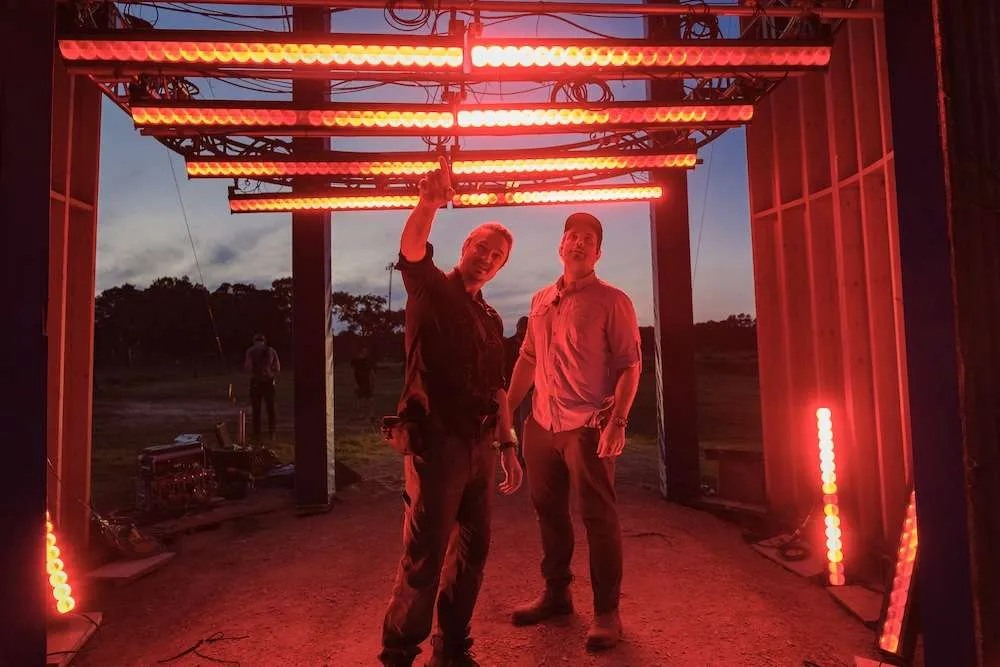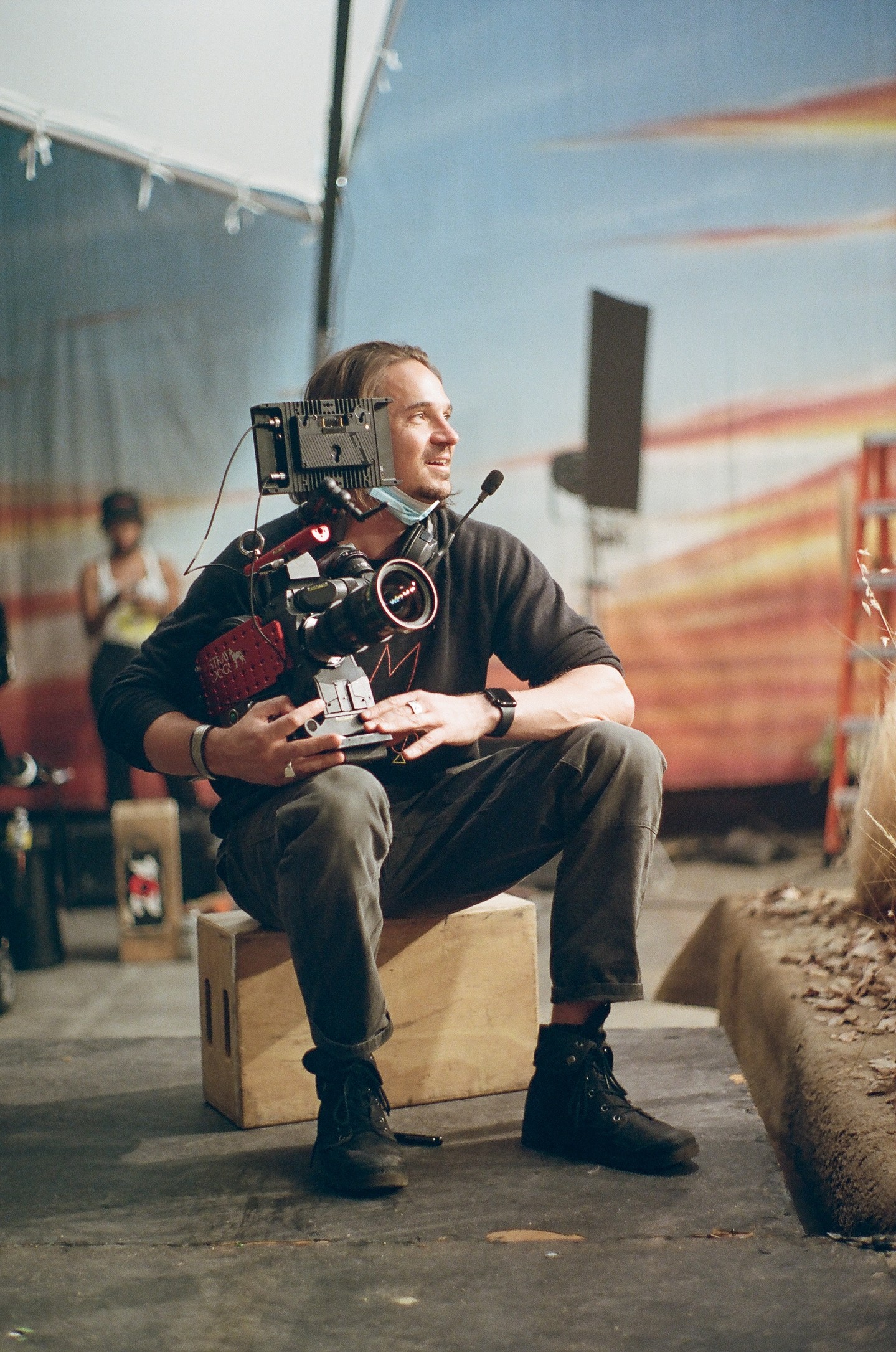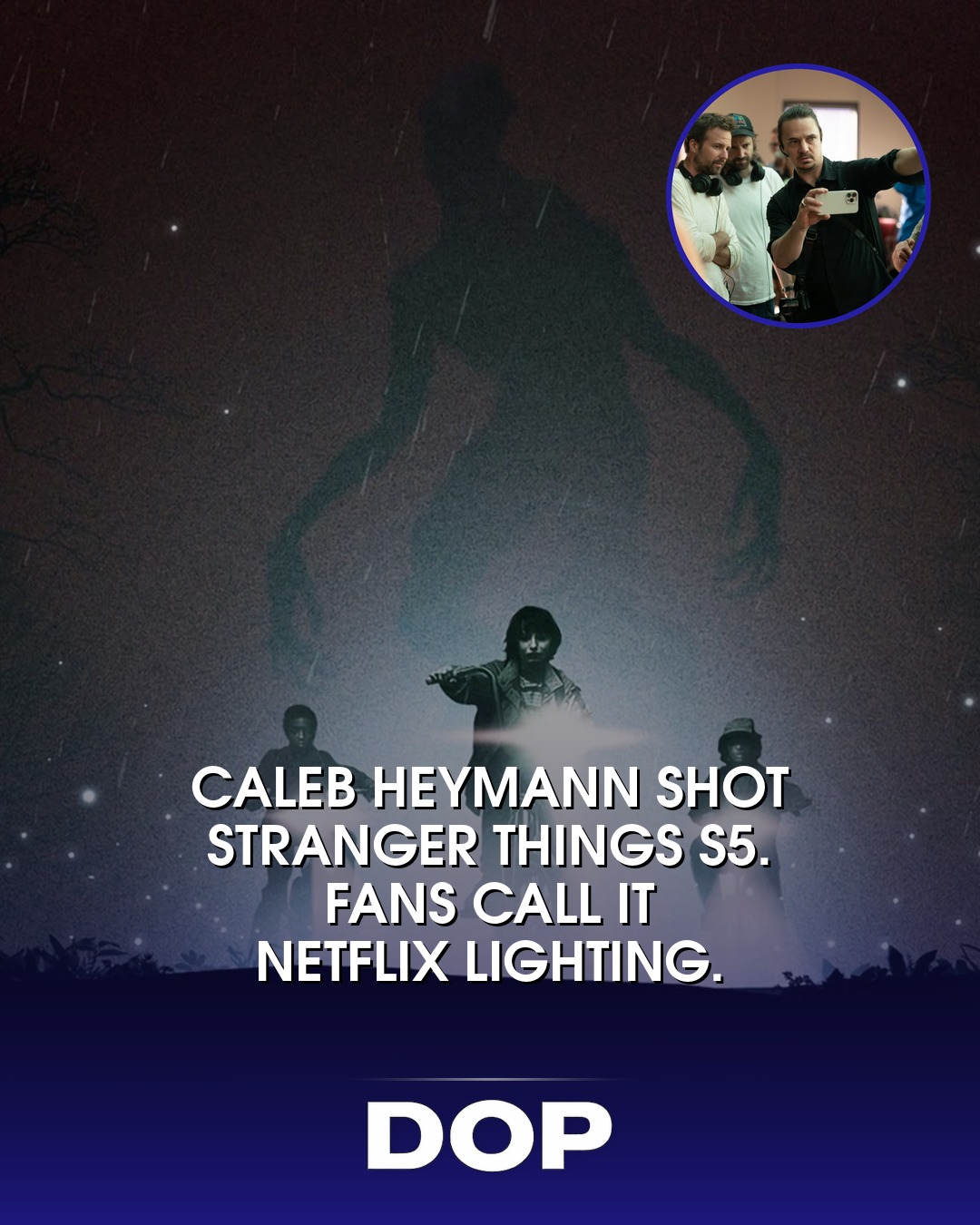
The recent revelation that Caleb Heymann, a cinematographer of considerable talent and a distinct visual voice, helmed five crucial episodes of Stranger Things Season 5, including the series finale, has sent ripples through the cinematography community. His 240-day, 12-month marathon shoot on such a high-profile production is a testament to his dedication and skill. Yet, the initial audience reaction—a chorus of complaints about flatness, over-lighting, and excessive brightness—has inadvertently thrust Heymann's work, and indeed the entire production, into the maelstrom of the 'Netflix lighting' discourse. This isn't merely a critique of one show; it's a symptom of a much larger conversation about visual aesthetics in the streaming age, and the often vast chasm between a cinematographer's meticulous craft and a viewer's subjective experience.
Heymann’s stated approach, building off motivated light sources and then layering color contrast and mood, suggests a nuanced, deliberate methodology. This is the language of sophisticated visual storytelling. One can envision the careful blocking of practicals, the subtle shaping of ambient light to define space, and the strategic deployment of color to evoke emotion or delineate narrative beats. Cinematographers understand that 'motivated light' is the bedrock of realism and immersion, providing a logical framework for any subsequent stylistic flourishes. The intention is clear: to ground the fantastical in a believable, tactile world, enhanced by thoughtful atmospheric touches.
The Technical & The Perceived
To understand the disconnect, we must consider the technical realities. Productions of this scale, particularly for a streaming giant like Netflix, often operate within specific technical parameters. High Dynamic Range (HDR) delivery is now standard, and while HDR offers an expanded canvas for light and shadow, it also presents unique challenges. The temptation, or perhaps the directive, can be to utilize the full breadth of that dynamic range, pushing brightness levels and opening up shadows to reveal more detail. This, when not handled with extreme finesse, can inadvertently lead to a 'flat' look, where the absence of truly deep, crushed blacks or truly blown-out highlights can diminish perceived contrast and depth, even if the underlying image data is richer.
“The gap between a cinematographer's intention and a viewer's perception is the Netflix lighting debate in a single sentence.”
Furthermore, the choice of camera and lens package plays a crucial role. While we don't have specifics on Heymann's exact toolkit for Season 5, previous seasons of Stranger Things have notably utilized ARRI Alexa cameras, often paired with vintage or custom-detuned lenses to achieve a specific, period-appropriate character. The Alexa's renowned color science and latitude are formidable. However, if the final grade is pushed towards a brighter, more uniformly exposed image to satisfy perceived HDR requirements or viewing conditions (often on consumer TVs in brightly lit rooms), even the most characterful glass can struggle to maintain its magic. The subtle fall-off, the organic flares, the unique bokeh—all can be diminished when the overall luminance is elevated across the board.
Beyond the Pixels: Story vs. Spectacle
This brings us to the crux of the matter: whether the aesthetic serves the story. Stranger Things, at its core, is a creature of nostalgia, a loving homage to 80s sci-fi and horror. Those genres often thrived on practical effects, atmospheric lighting, and the strategic use of darkness to conceal, to build suspense, and to enhance the monstrous. Think of the deep shadows and oppressive gloom of an early Spielberg or Carpenter film. The visual language was often one of carefully controlled information, where what was withheld was as important as what was revealed. If the final season indeed leans into an overly bright, detail-rich aesthetic, it risks undermining the very genre tropes it seeks to emulate. The Upside Down, for instance, thrives on its inherent mystery and dread, qualities often best conveyed through chiaroscuro rather than full illumination.
Heymann's filmography, while diverse, often showcases a thoughtful approach to mood and atmosphere. His work on films like The Assistant, for example, is a masterclass in subtle, almost suffocating naturalism, using muted tones and available light to underscore psychological tension. This background suggests a cinematographer deeply attuned to the emotional resonance of light. One has to wonder, then, if external pressures—be they studio mandates, network aesthetic preferences for 'pop' on various devices, or simply the logistical demands of a massive production—might have nudged the visual execution away from what might have been his purest artistic vision. This is a common struggle for DPs navigating the commercial landscape of high-budget television.
The 'Netflix lighting' debate is not an accusation of incompetence, but rather a critical interrogation of evolving industry standards and their impact on visual storytelling. It asks us to consider if the pursuit of technical perfection, or perhaps broad accessibility across diverse viewing environments, sometimes inadvertently sacrifices artistic depth and genre-appropriate atmosphere. As Occupy Cinematography, we champion the craft, the intention, and the meticulous decisions made by artists like Caleb Heymann. But we also recognize that the final image, as consumed by the audience, is the ultimate arbiter of its effectiveness. The conversation around Stranger Things Season 5, therefore, becomes a crucial touchstone for understanding the evolving aesthetic battlespace of contemporary cinematography.