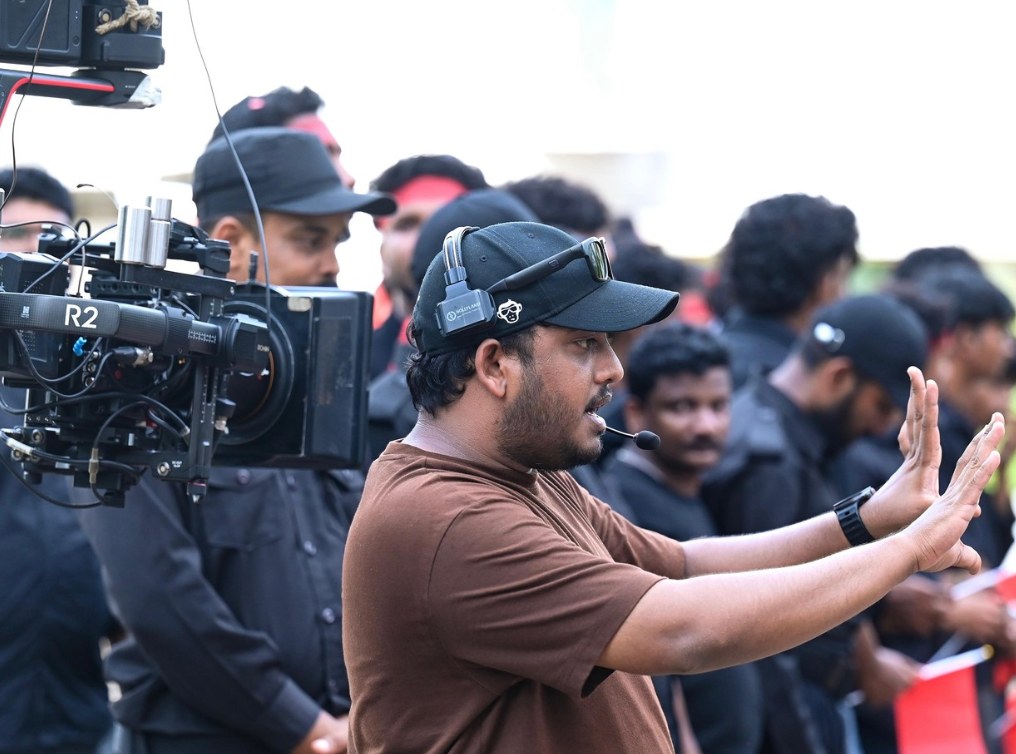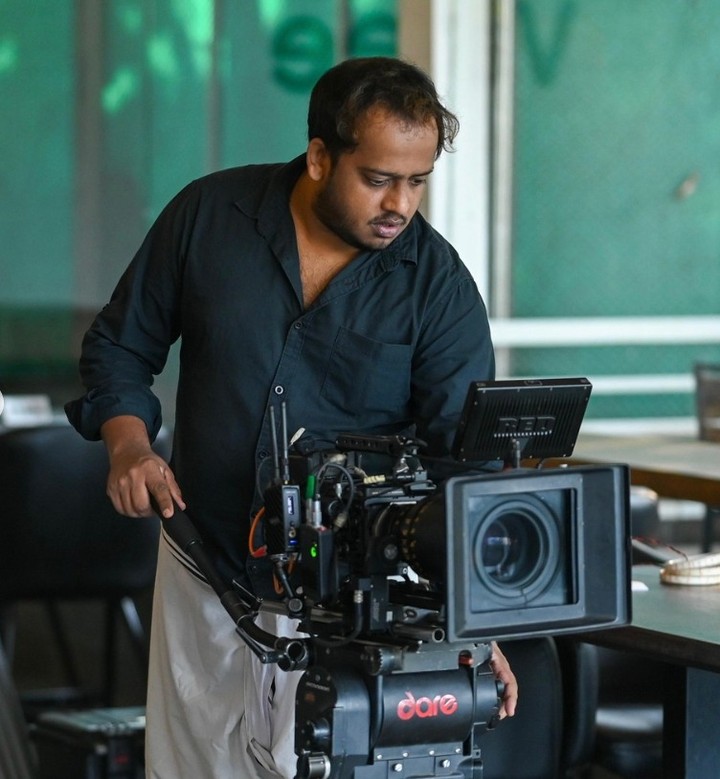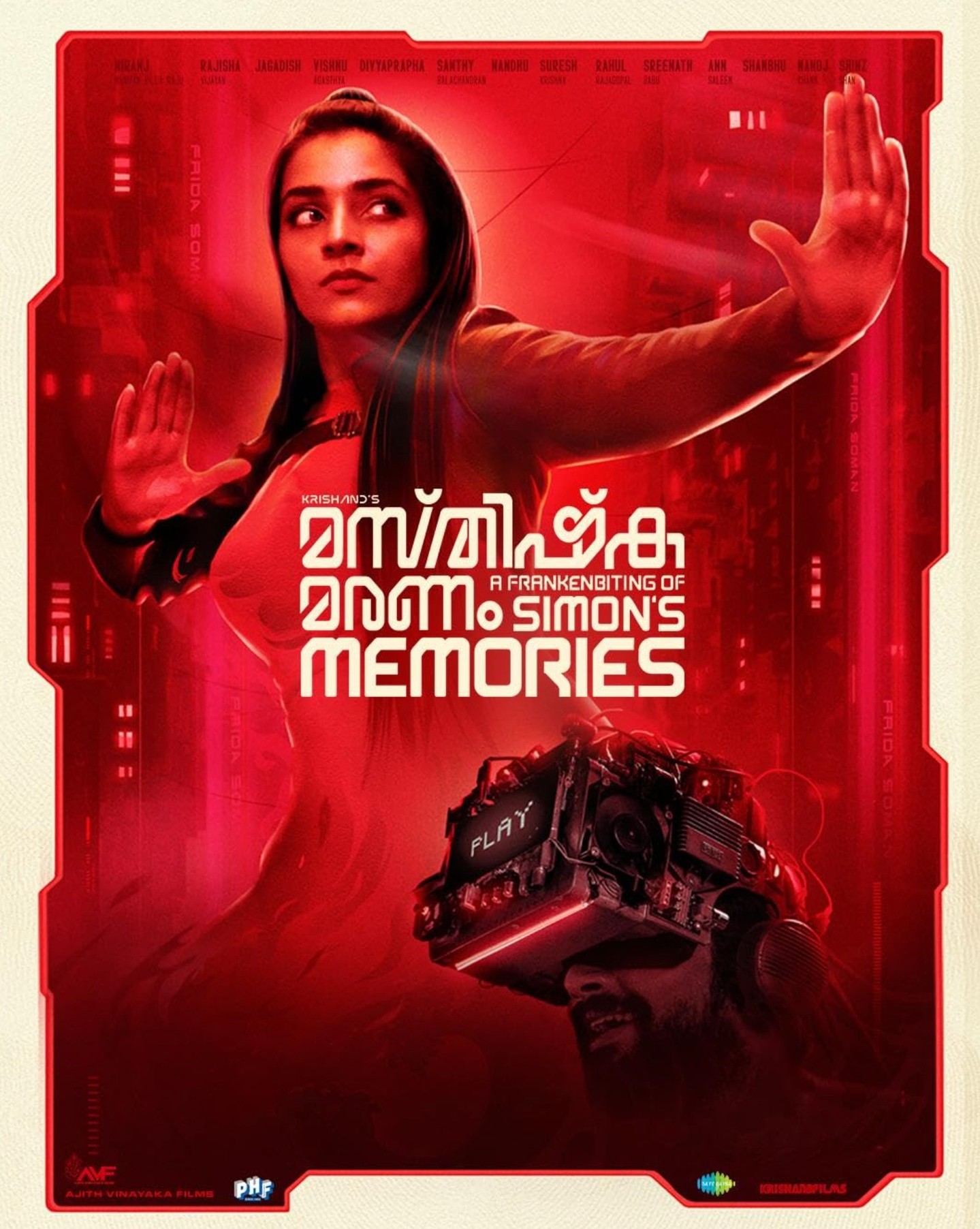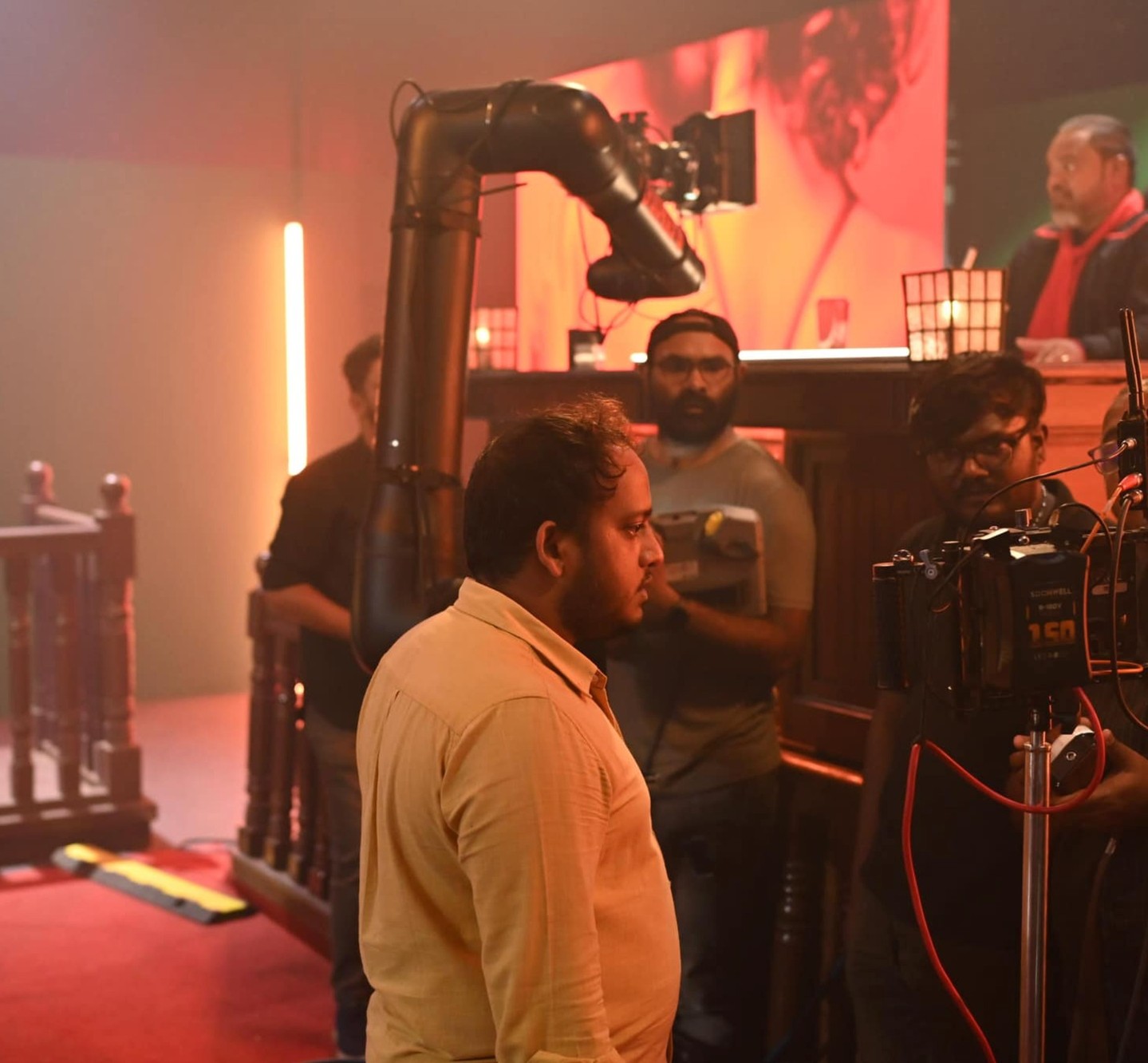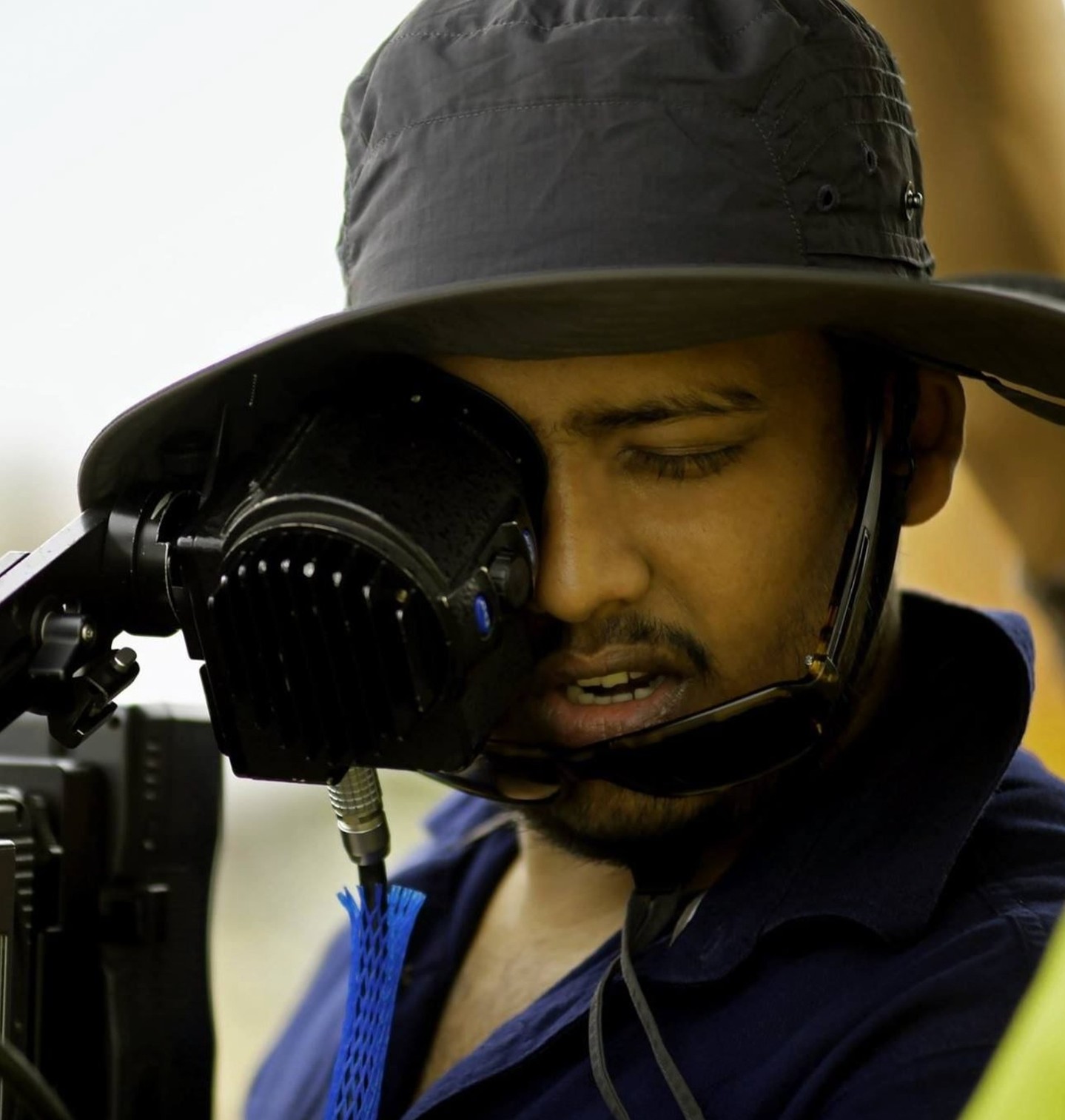
In an era where the global film landscape is meticulously scrutinized for the next visionary, it's easy to overlook the quiet revolutions brewing in regional industries. Yet, every so often, a talent emerges that shatters expectations, forcing the world to take notice. Prayag Mukundan, the Indian cinematographer behind Krishand's Malayalam-language cyberpunk odyssey, Masthishka Maranam, is precisely that kind of talent. His work on Neo Kochi 2046 is not merely impressive; it's a defiant statement, proving that groundbreaking visual storytelling transcends geographical and budgetary constraints.
Mukundan's approach to crafting the dystopian future of Neo Kochi 2046 is a masterclass in world-building through light and lens. He didn't just film a story; he meticulously constructed an entire universe. The choice of the RED KOMODO-X as his primary camera package speaks volumes about his technical acumen and creative intent. The KOMODO-X, with its Super 35mm global shutter sensor, offers a unique blend of high dynamic range, exceptional color science, and the ability to capture clean images even in challenging, low-light environments – a prerequisite for the neon-drenched, shadow-laden aesthetic of cyberpunk. This camera allowed Mukundan to embrace the genre's visual hallmarks without compromise, rendering intricate details in the darkest corners and preventing motion artifacts often associated with rolling shutters in fast-paced action sequences or flickering light sources.
Crafting a Cyberpunk Aesthetic
The visual language Mukundan employs in Masthishka Maranam is a sophisticated homage to cyberpunk's rich cinematic history, yet it feels entirely fresh and authentic. Think Ridley Scott's Blade Runner meets Wong Kar-wai's neon-soaked romanticism, all filtered through a distinctly South Indian sensibility. His use of practical lighting, augmented by strategic LED setups, creates a palpable sense of atmosphere. We see this in the labyrinthine corridors bathed in electric blues, purples, and radioactive greens, reflecting off rain-slicked streets and the cold, metallic surfaces of advanced robotics. It's a palette that isn't just aesthetically pleasing; it's narratively functional, conveying the film's themes of technological alienation, societal decay, and the faint glimmer of humanity struggling to survive.
“Mukundan’s vision for Neo Kochi 2046 transcends mere mimicry; he has absorbed the very essence of cyberpunk and reinterpreted it with a singular voice. This is not just cinematography; it's architectural design with light.”
Beyond the vibrant color work, Mukundan's command of depth and composition is exceptional. His framing often employs deep focus to showcase the sprawling, verticality of Neo Kochi, juxtaposing towering, futuristic skyscrapers with the grime of street-level existence. When a more intimate scene demands it, he skillfully utilizes shallow depth of field, drawing the viewer's eye to the emotional core of a character amidst the visual chaos. The choice of lenses also plays a crucial role here; while specific glass choices aren't widely publicized, the clean yet characterful rendition of highlights and subtle distortions suggest a preference for modern, high-resolution primes or carefully chosen vintage glass to add a touch of imperfection and texture.
Beyond Hollywood's Horizon
What makes Mukundan's achievement particularly noteworthy is its origin. To forge such a complete and compelling cyberpunk universe within a regional Indian film industry, one that hasn't historically been associated with this genre on a global scale, is nothing short of revolutionary. It speaks to a profound dedication to craft and an unwavering artistic vision that transcends the typical constraints of budget or established industry norms. His work proves that the pinnacle of cinematic artistry is not exclusive to the Hollywood machine; it can emerge from any corner of the world where passion, talent, and technical mastery converge.
Masthishka Maranam, under Mukundan's lens, doesn't just rival international sci-fi; it sets a new benchmark. It challenges the preconceived notions of what regional cinema can achieve and, more importantly, what cinematic storytelling truly means in a globalized world. For cinematographers, aspiring DPs, and serious film enthusiasts, Prayag Mukundan's name should be etched into the pantheon of contemporary greats. His images are not just speaking for themselves; they are shouting, demanding attention, and rightfully so. The world is watching now, and the future of cinematography just got a lot more exciting.
This article contains affiliate links. We may earn a small commission at no extra cost to you. Learn more.