In an industry often defined by ever-more-complex lighting rigs and the relentless pursuit of absolute control, the deliberate embrace of natural light stands as a profound testament to a cinematographer's artistry and discipline. The misconception that 'shot in natural light' implies a lack of technical ambition or a shortcut to production is not just inaccurate; it fundamentally misunderstands the monumental challenge and skill required. Instead, it represents a demanding, often unforgiving, yet ultimately rewarding path that pushes the boundaries of visual storytelling.
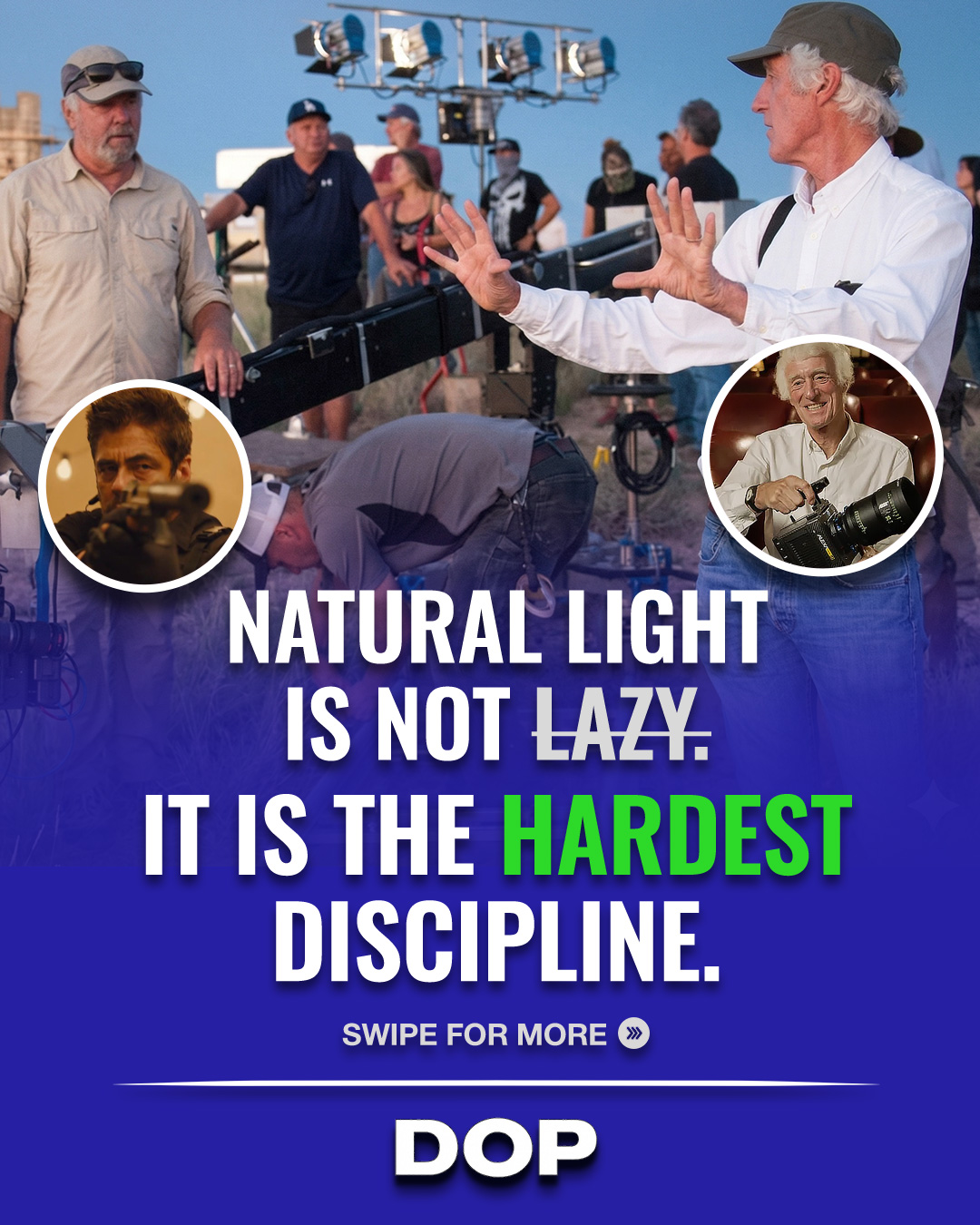
Consider the stark, unforgiving beauty of Roger Deakins' work in Denis Villeneuve's Sicario. The interrogation room scenes, in particular, are a masterclass in controlled chaos. Deakins, a legend whose visual signature often blends stark realism with poetic formalism, chose to light these pivotal sequences almost exclusively with practical ceiling fixtures and meticulously shaped window light. There were no supplemental movie lighting instruments, no banks of HMIs or arrays of LEDs to sculpt and define. This wasn't a choice born of budgetary constraint but of aesthetic intent. It demanded an almost surgical precision in controlling ambient sources, understanding how light would fall, reflect, and dissipate, ensuring the imagery read as inherently cinematic rather than merely documentary. The subtle gradations, the hard cuts of light and shadow, all emerged from a deep understanding of natural physics applied with an artist's eye.
The Choreography of the Sun
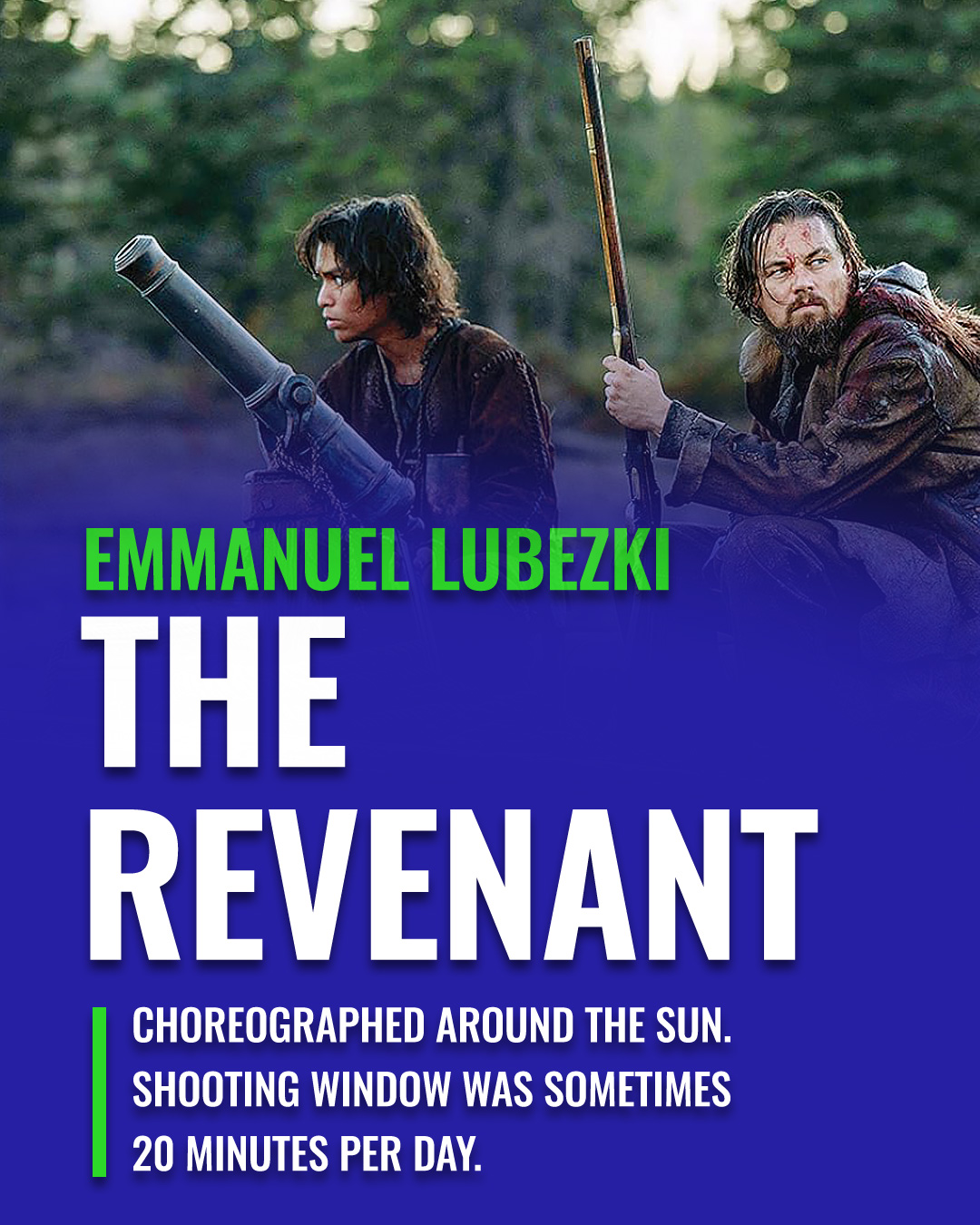
Emmanuel Lubezki, a cinematographer renowned for his immersive, fluid style, took this philosophy to an extreme with Alejandro G. Iñárritu’s The Revenant. Lubezki committed to shooting almost entirely with available natural light, transforming the sun itself into his primary lighting instrument. This decision dictated the film's entire production schedule, forcing a rigorous choreography of scenes around the sun's position. Shooting windows often narrowed to as little as 20 minutes per day when the light was deemed perfect, demanding an unprecedented level of preparation, communication, and decisive execution from cast and crew alike. The resulting images, characterized by their raw authenticity and breathtaking naturalism, are a direct consequence of this commitment. The unique character of the large-format ARRI ALEXA 65 sensor, with its exceptional dynamic range and ability to resolve fine detail in challenging lighting, was crucial in capturing the subtle nuances of natural light that Lubezki so meticulously chased.
“Natural light cinematography demands more planning, more precise scheduling, and deeper understanding of how light behaves in uncontrolled environments than working with artificial instruments.”
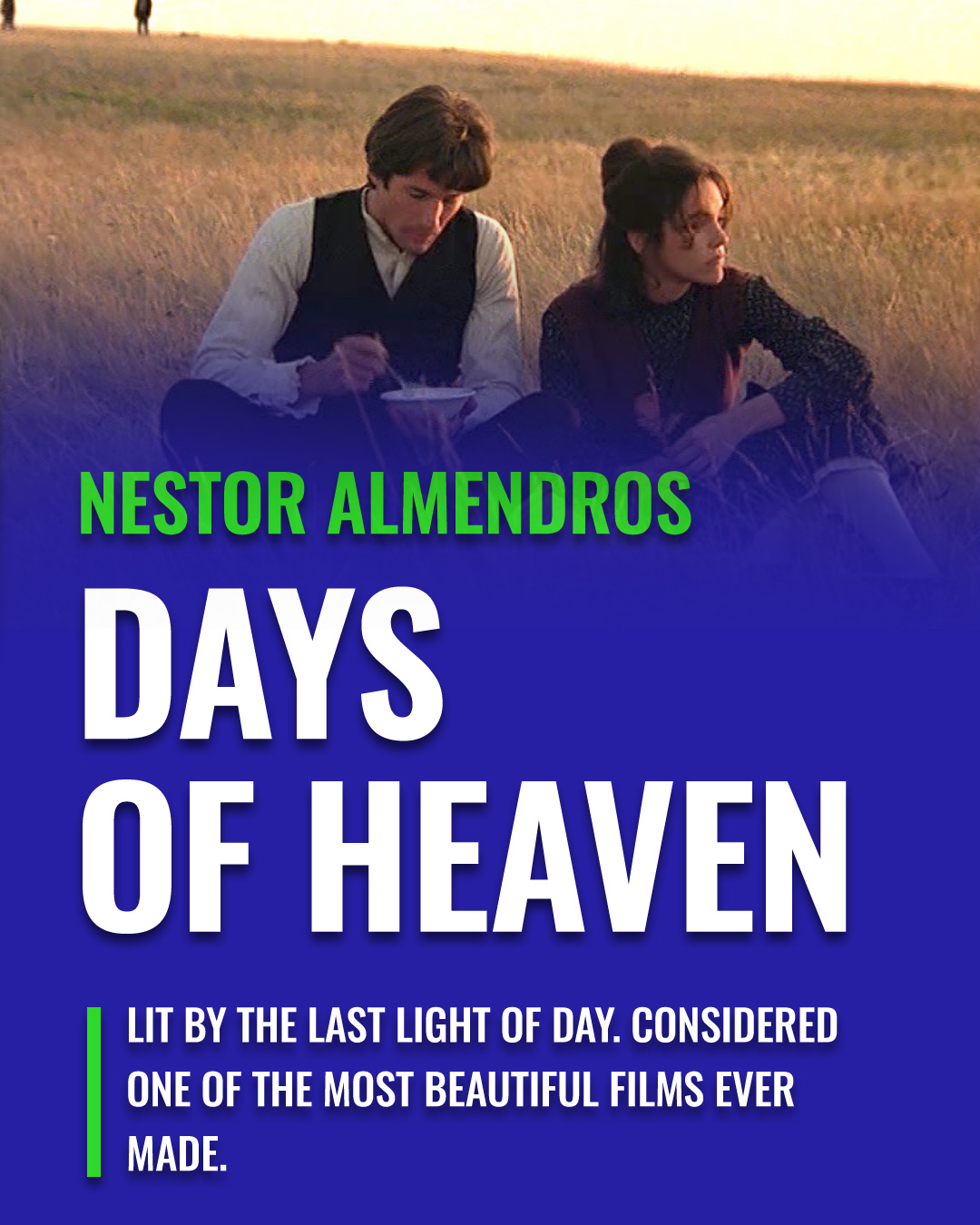
Long before digital sensors offered such flexibility, Nestor Almendros pioneered this approach with Terrence Malick’s ethereal masterpiece, Days of Heaven. Almendros, whose filmography is replete with examples of exquisite naturalism, built the entire visual identity of the film around the 'magic hour' – that fleeting period just after sunrise or before sunset. This commitment meant that a significant portion of the film was shot within a narrow, precious window of light at the end of each day. The golden hues, the elongated shadows, the painterly quality that defines the film's aesthetic are not accidental; they are the direct result of a patient, painstaking process of waiting for and capturing nature's perfect illumination. Almendros's choice of anamorphic lenses, coupled with the inherent grain and color rendition of film stock of the era, further amplified the dreamlike, timeless quality of these naturally lit scenes.
Beyond Technical Prowess: The Art of Observation
The discipline required for natural light cinematography goes far beyond mere technical prowess. It demands an almost primal connection to the environment, a deep understanding of meteorological patterns, and an uncanny ability to predict and react to the unpredictable. While artificial instruments offer the luxury of control – positioning, dimming, diffusing, and redirecting light on demand – natural light demands adaptation. The cinematographer becomes a reader of conditions, an interpreter of the environment, using their extensive training and honed instincts to respond to what nature provides, rather than imposing their will upon it with an arsenal of gear.
This approach isn't about forsaking technology; it's about leveraging it selectively and intelligently. It's about choosing sensor sensitivities, lens characteristics, and filtration that best translate the subtleties of natural light onto the screen. It's about embracing the imperfections, the unexpected flares, the evolving shadows, and integrating them into the narrative fabric. The DPs who master natural light don't simplify their process; they elevate it. They demonstrate that the most profound cinematic images can sometimes emerge not from the abundance of equipment, but from a profound respect for, and collaboration with, the world as it is.