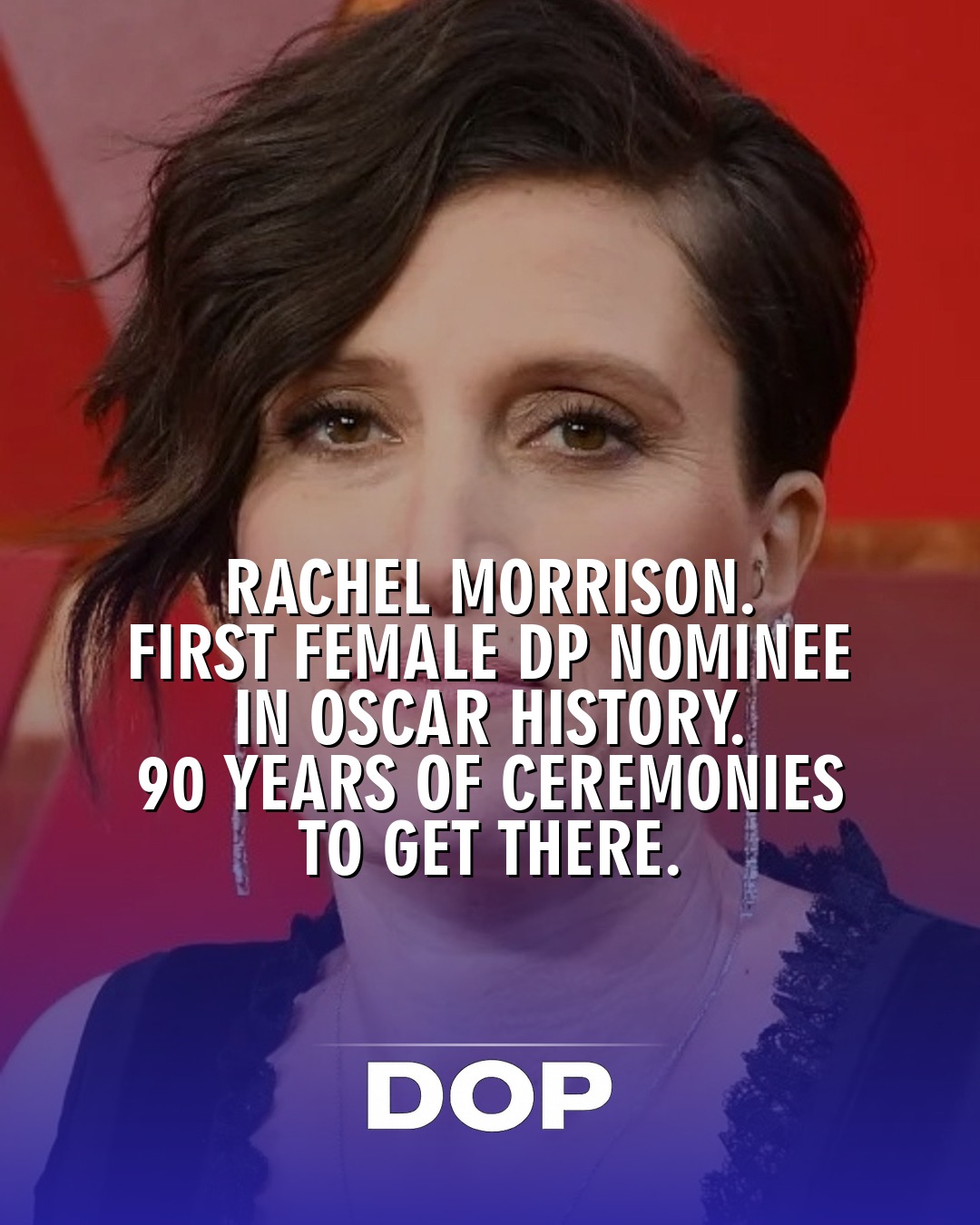
In 2018, the Academy Awards made history, albeit belatedly, by nominating Rachel Morrison for Best Cinematography for her work on Dee Rees's Mudbound. This nomination marked the first time a woman had ever been recognized in this category, a staggering 90 years after the inaugural ceremony. While the statistic itself is significant – a long overdue acknowledgement of female talent behind the lens – the true import lies in the extraordinary cinematic achievement it celebrated. Morrison's work on Mudbound isn't just technically proficient; it's a deeply felt, viscerally textural exercise in visual storytelling, born from challenging conditions and a profound artistic vision.
Set in the post-WWII Mississippi Delta, Mudbound demanded a visual language that felt authentic, raw, and oppressive. Morrison, known for her naturalistic approach and ability to imbue landscapes with character, embraced the film's constraints as creative opportunities. Shot primarily on location in Louisiana over an incredibly tight 29-day schedule and with a modest budget of approximately $10 million, the production necessitated a reliance on practical and available light sources. This wasn't merely a cost-saving measure; it was a deliberate aesthetic choice that grounded the narrative in a palpable, lived-in reality. Her choice of the Arri Alexa Mini, paired often with vintage anamorphic lenses, allowed for a flexible, lightweight setup that could move quickly and capture the vast, often unforgiving landscapes with a beautiful, organic fall-off and shallow depth of field, immersing the viewer in the characters' isolated world.
Embracing the Elements: Light, Shadow, and the Delta
Morrison's genius in Mudbound lies in her audacious integration of the environment into the film's very fabric. The Mississippi Delta, with its relentless heat, suffocating humidity, and sudden, torrential downpours, became an active participant in the narrative. Rather than fighting these elements, she harnessed them. Sunlight, filtered through the thick, humid air, becomes a character in itself, at times a scorching antagonist, at others a fleeting moment of grace. The way she sculpts light on faces, often with soft, diffused top light suggesting the overhead sun, or with strong, directional shafts cutting through dusty interiors, speaks volumes about the characters' internal struggles and their external circumstances. The decision to shoot with a high contrast ratio, allowing deep shadows to swallow parts of the frame, visually articulates the oppressive social and economic conditions faced by both the Black and white families.
"We never tried to make anything beautiful for beauty's sake. The beauty came from the authenticity and the rawness of the environment and the emotions."
This commitment to authenticity extended to the film's color palette. Morrison and Rees opted for a desaturated, earthy tone, leaning into the natural browns, greens, and grays of the Delta. This wasn't a heavily graded, stylized look, but rather an enhancement of the inherent character of the location. The limited color spectrum served to heighten the emotional weight of the story, preventing any visual distractions from the stark realities faced by the characters. Her use of practicals, like flickering oil lamps and sparse electric bulbs, further enhanced the period feel, casting warm, intimate pools of light that contrasted sharply with the vast, often dark exteriors.
Beyond the Nomination: A Legacy of Visual Storytelling
While the Academy Award nomination rightly garnered significant attention for its historic nature, it's crucial to contextualize Mudbound within Morrison's broader filmography. Her work on films like Fruitvale Station, Dope, and television series like Confirmation consistently showcases her ability to craft intimate, character-driven narratives with a keen eye for natural light and textural detail. She's a master of subtle visual cues, using composition, depth of field, and light to convey emotional states and societal pressures without overt exposition. Her collaboration with Dee Rees on Mudbound is a testament to a shared vision, where the visual storytelling is inextricably linked to the narrative's emotional core.
The technical challenges of Mudbound – battling a lean budget, a tight schedule, and extreme weather – forced a creative pragmatism that ultimately enriched the film's aesthetic. Integrating actual storms into the narrative, rather than waiting for ideal conditions, speaks to a fearlessness and an understanding that the environment itself could be a powerful narrative tool. This approach is a valuable lesson for any aspiring DP: limitations can often be the catalyst for innovation. Morrison didn't just *shoot* Mudbound; she *experienced* it, translating the film's gritty reality into a visually arresting, emotionally resonant cinematic experience. Her historic nomination wasn't just about breaking a barrier; it was about celebrating a cinematographer whose work embodies the very essence of visual storytelling: using light, shadow, and frame to reveal the deepest truths.
This article contains affiliate links. We may earn a small commission at no extra cost to you. Learn more.