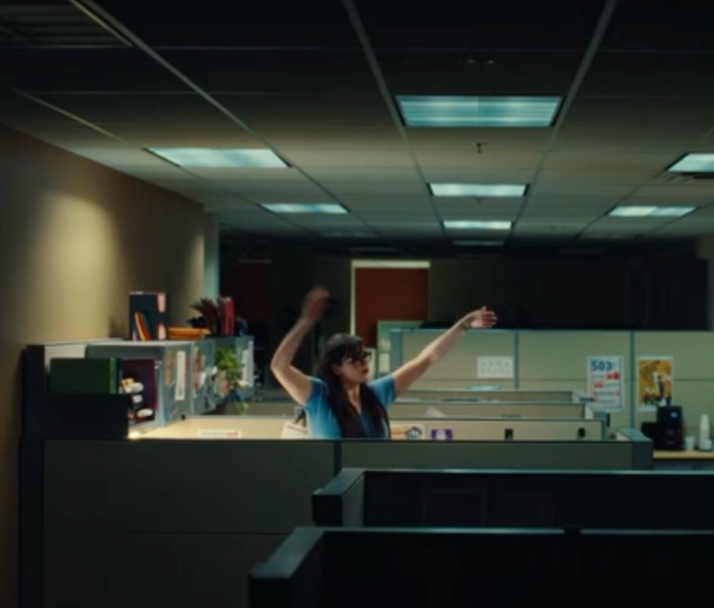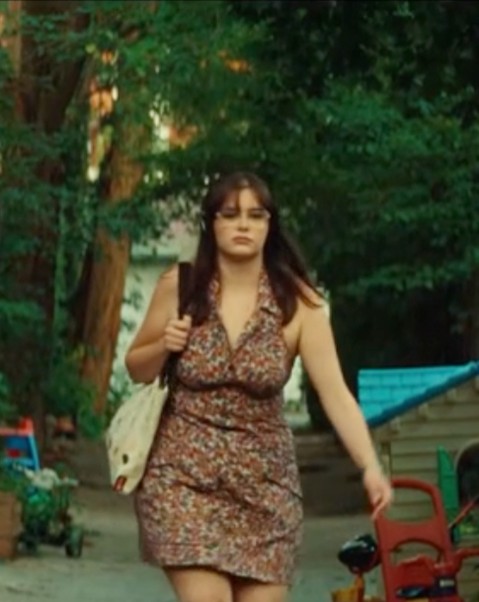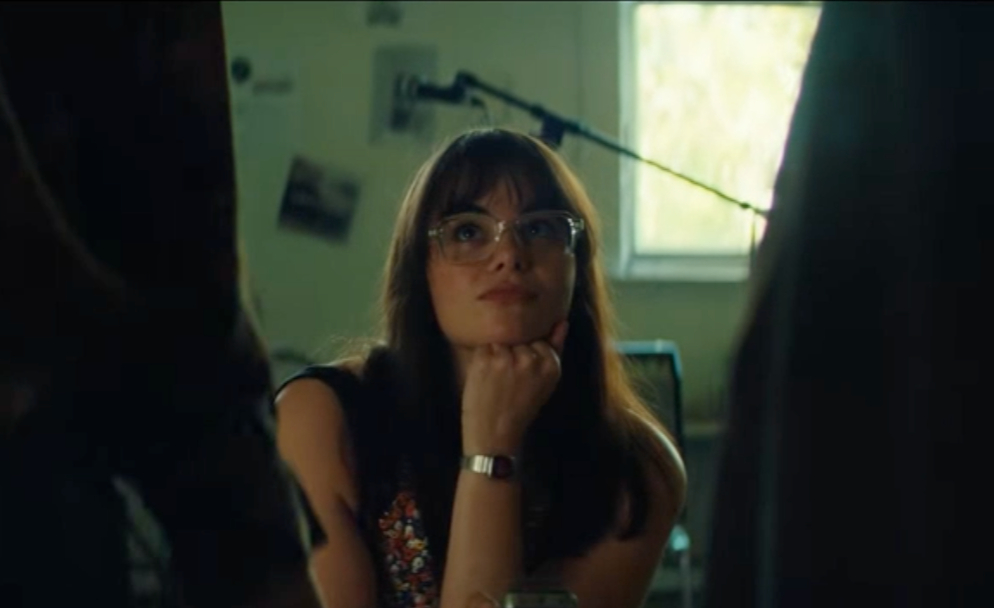
In the often-glamorous world of big-budget productions, it's easy to overlook the quiet power of independent cinema, where every frame is a testament to ingenuity and a deep understanding of visual storytelling. Jeremy Cox's work on Chandler Levack's romantic comedy, Mile End Kicks, is a sterling example of this principle. The film, which has garnered critical acclaim and an impressive 89% on Rotten Tomatoes, isn't just a charming narrative; it's a masterclass in how a skilled Director of Photography can imbue a low-budget production with a distinct, memorable aesthetic, elevating the entire experience.
Cox was tasked with transporting audiences to the vibrant, slightly gritty, and undeniably intimate atmosphere of the 2011 Montreal music scene. This wasn't about pristine, high-gloss imagery; it was about authenticity. His visual approach leans into a warm, slightly rough, and deeply intimate texture that perfectly complements the film's narrative. Starring Barbie Ferreira as a music critic navigating a new city and an indie band, the film's visual language had to echo the character's journey – a blend of discovery, slight disorientation, and burgeoning connection.
Crafting the Indie Look: Gear and Philosophy
Achieving this specific '2011 Montreal indie' feel often comes down to deliberate choices in camera, lenses, and lighting. While specific gear details for Mile End Kicks aren't widely publicized, we can infer Cox's philosophy. For projects aiming for a slightly rough, organic feel without sacrificing cinematic quality, DPs often gravitate towards cameras known for their excellent color science and dynamic range, like an ARRI Alexa Mini or even a well-rigged Sony Venice or RED. However, for an independent feature, the magic often lies in the glass. Vintage lenses, or modern lenses designed with character, are crucial. Think anamorphic lenses for their unique bokeh and oval flares, or spherical lenses with a distinct fall-off and warmth, like certain Cooke or Kowa sets. These choices inherently introduce a 'look' that is less sterile and more evocative.
"Jeremy Cox’s work on Mile End Kicks is a sterling example of how a skilled Director of Photography can imbue a low-budget production with a distinct, memorable aesthetic, elevating the entire experience."
Lighting played an equally vital role in crafting the film's intimate vibe. Rather than relying on extensive, high-key setups, Cox likely embraced practical lights, available light, and motivated sources. This approach not only aligns with budget constraints but also inherently lends a naturalism to the image. Imagine dimly lit music venues, the glow of streetlights through apartment windows, or the soft, diffused light of an overcast Montreal day. These elements, when meticulously controlled, create depth and mood without screaming "production design." The 'warm' quality mentioned suggests a careful manipulation of color temperature, perhaps favoring tungsten or warmer LED sources, and a thoughtful color grading process that enhanced these natural tones.
Beyond the Technical: Visual Storytelling
What truly sets Cox's work apart is not just his technical proficiency but his understanding of visual storytelling. Cinematography isn't just about making pretty pictures; it's about conveying emotion, character, and narrative through light, shadow, composition, and movement. For Mile End Kicks, the intimacy isn't just a byproduct of warm tones; it's embedded in the framing, the camera's proximity to the actors, and the subtle dance between foreground and background.
His compositions likely favored close-ups and medium shots that draw the audience into the characters' inner worlds, punctuated by wider shots that establish the unique atmosphere of Montreal's Mile End district. The 'slightly rough' quality might also hint at a handheld approach or Steadicam work that feels more organic and less rigidly controlled, mirroring the spontaneous nature of the music scene and the characters' burgeoning relationships. This deliberate choice of camera movement and framing creates a sense of immediacy, making the audience feel like a privileged observer rather than a passive viewer.
The Enduring Impact of Independent Cinematography
Cox's filmography, while perhaps not as expansive as some industry stalwarts, demonstrates a consistent dedication to visual integrity and a keen eye for character-driven narratives. His ability to translate a specific temporal and cultural energy onto the screen with limited resources is a testament to his skill and artistic vision. Mile End Kicks serves as a powerful reminder that compelling cinematography isn't solely dependent on massive budgets or cutting-edge technologies. Instead, it thrives on thoughtful planning, creative problem-solving, and a deep understanding of how visual elements contribute to the emotional core of a story. For aspiring DPs and seasoned professionals alike, Cox's work on Mile End Kicks offers invaluable lessons in authenticity, resourcefulness, and the profound impact of a well-executed visual aesthetic, proving that true artistry transcends financial constraints and resonates deeply with audiences.
This article contains affiliate links. We may earn a small commission at no extra cost to you. Learn more.