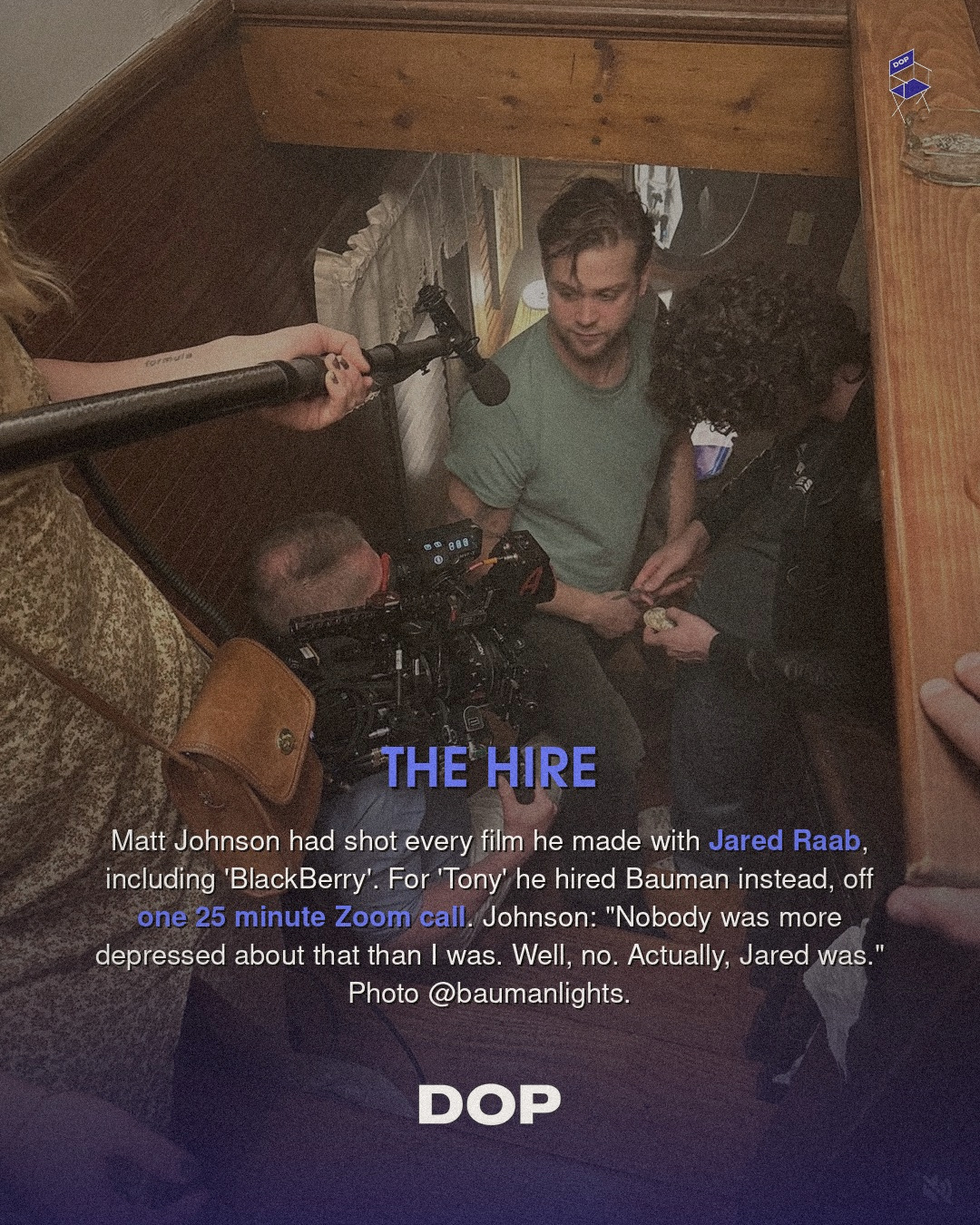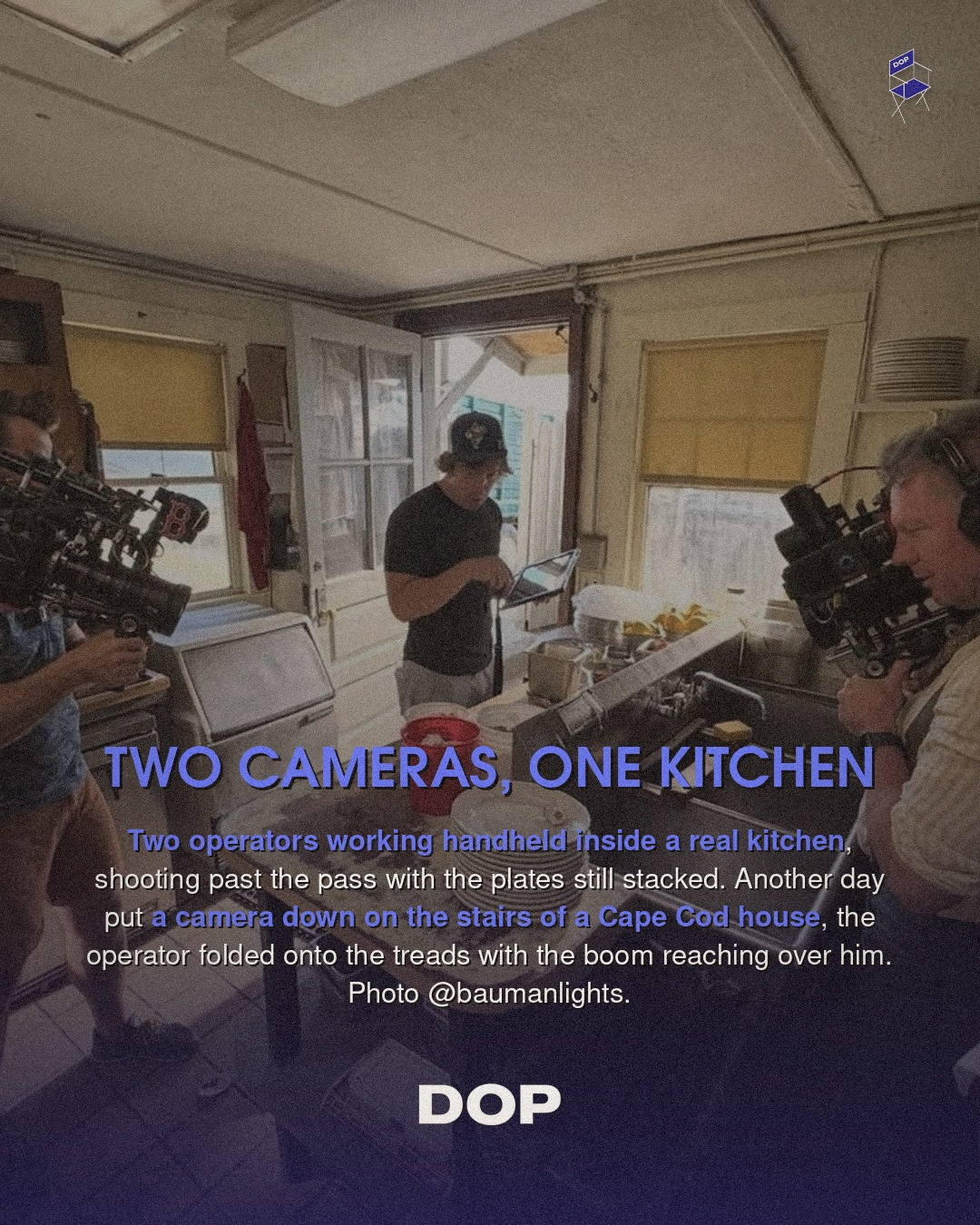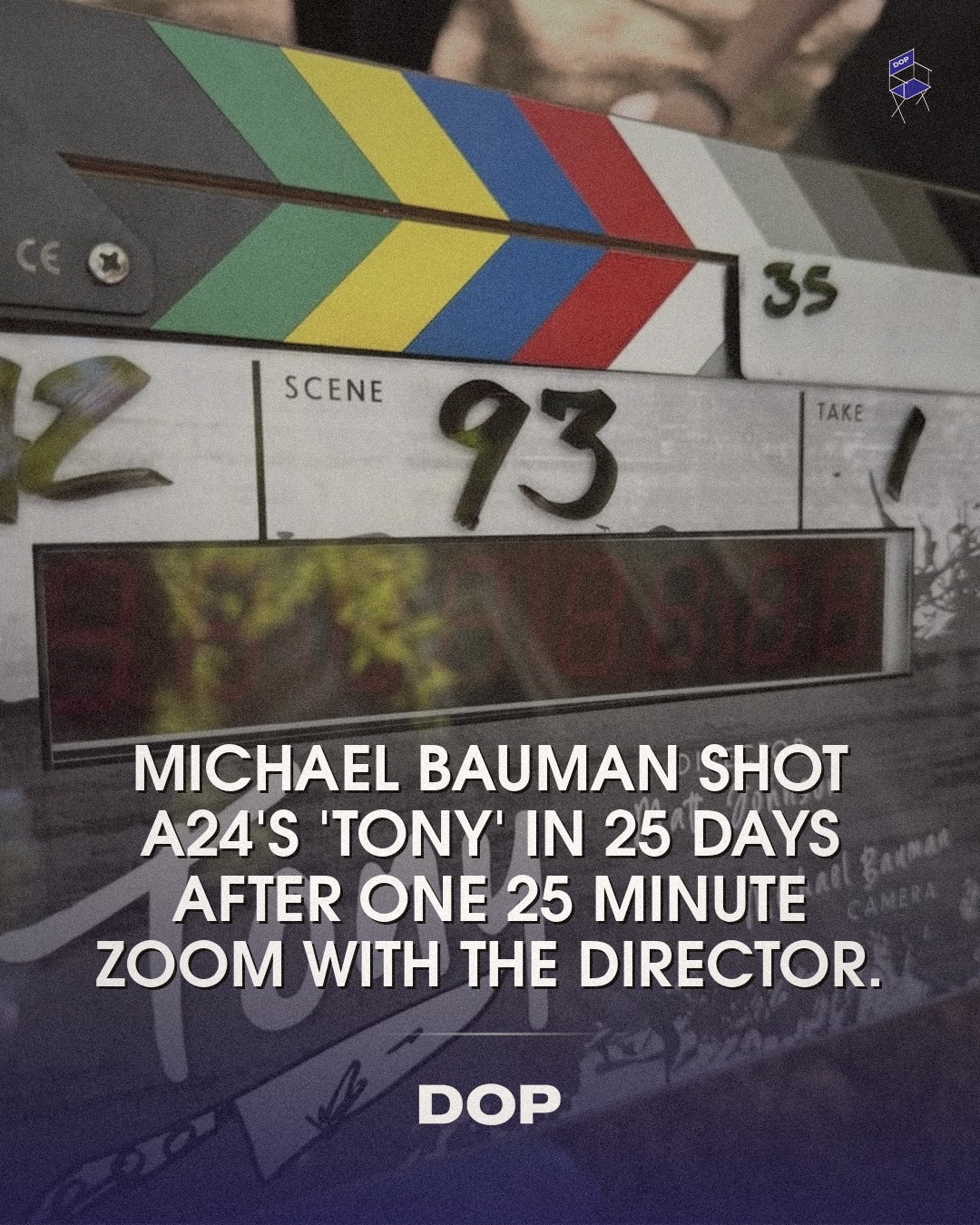
When director Matt Johnson hopped on a 25-minute Zoom call with Michael Bauman, he made a rare creative pivot. For his entire directorial career, from the scrappy indie energy of The Dirties to the chaotic corporate satire of BlackBerry, Johnson had leaned on longtime visual collaborator Jared Raab. Bringing in Bauman was a departure in lineage, but one grounded in a shared desire to fuse documentarian spontaneity with deep technical rigor.
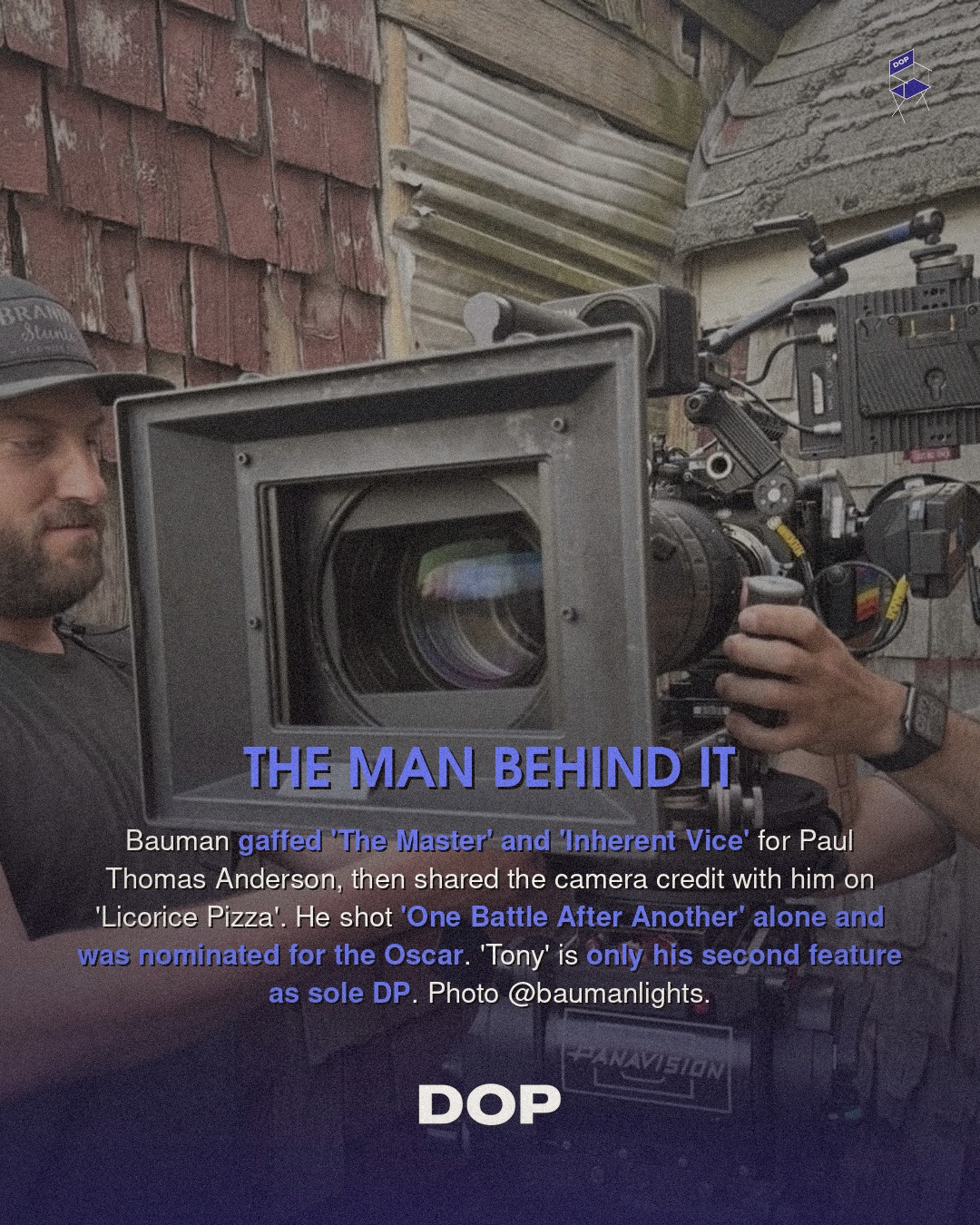
Bauman’s pedigree represents one of the most compelling visual evolutions in modern American cinema. After years operating at the highest levels of lighting craft, most notably gaffing The Master for Paul Thomas Anderson, sharing cinematography credits on Licorice Pizza, and scoring an Academy Award nomination as sole DP on One Battle After Another, Bauman brought a distinct, tactile command of natural light and photographic texture to Johnson’s latest project, Tony.
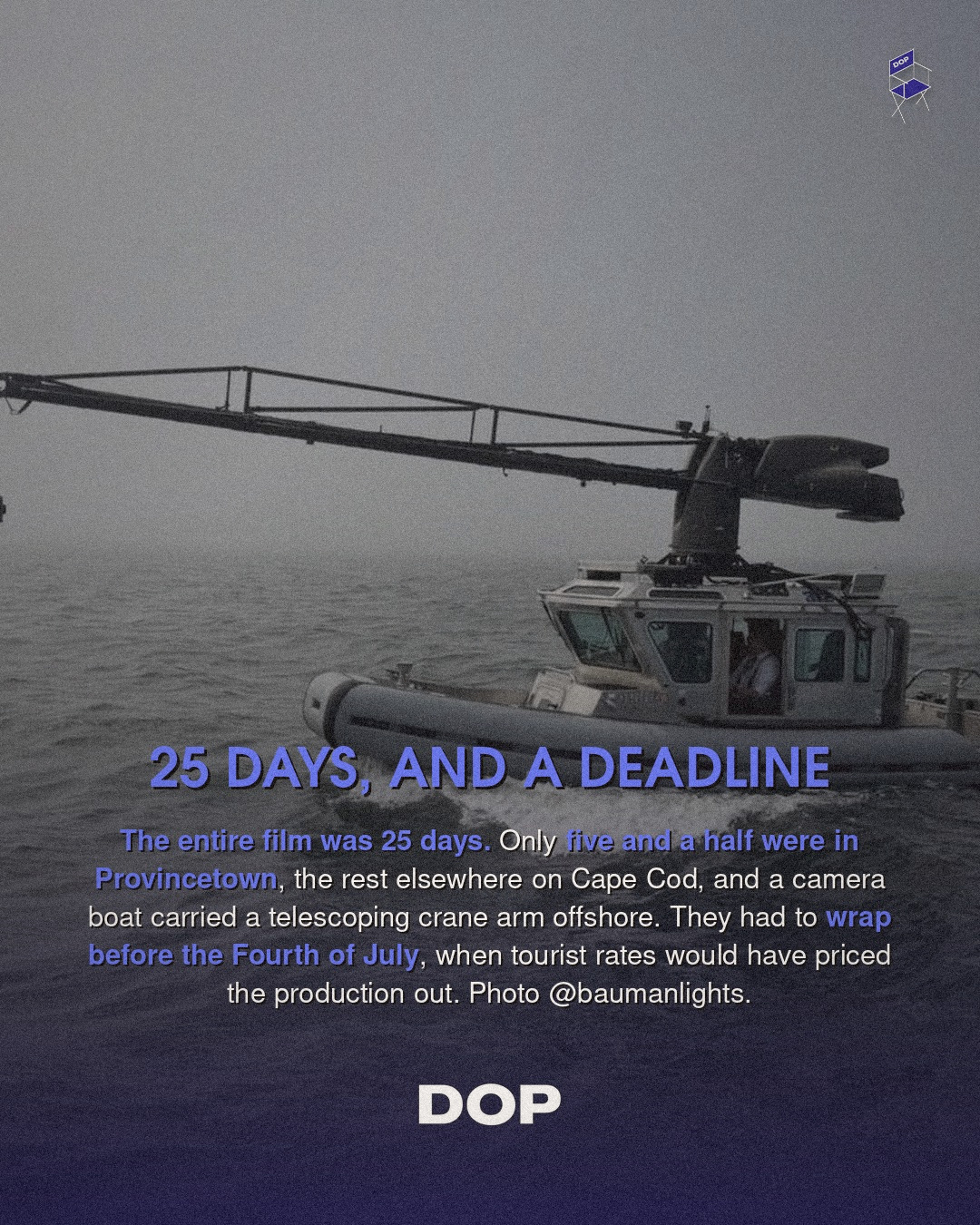
A 25-Day Sprint Against the Clock
Shot entirely on location in Massachusetts, the production operated on an unforgiving 25-day schedule. Five and a half days were spent navigating the dense, shifting coastal light of Provincetown before moving across Cape Cod. The tight schedule wasn’t just an artistic choice; it was an economic necessity to wrap production before Fourth of July tourism rates inflated location and logistical costs beyond reach.
Shooting under such condensed timelines requires a cinematographer who can assess an environment instantly and build lighting packages that give actors freedom without sacrificing dynamic range. Drawing on decades as a premier lighting technician, Bauman embraced the coastal environment’s erratic cloud cover and high-contrast maritime sun, treating available bounce from sand and water as key elements in his exposure strategy.
“A great gaffer turned DP doesn’t just light a frame; they understand where darkness belongs and how to protect the natural energy of a room.”
Merging Documentarian Energy with Fine Photographic Texture
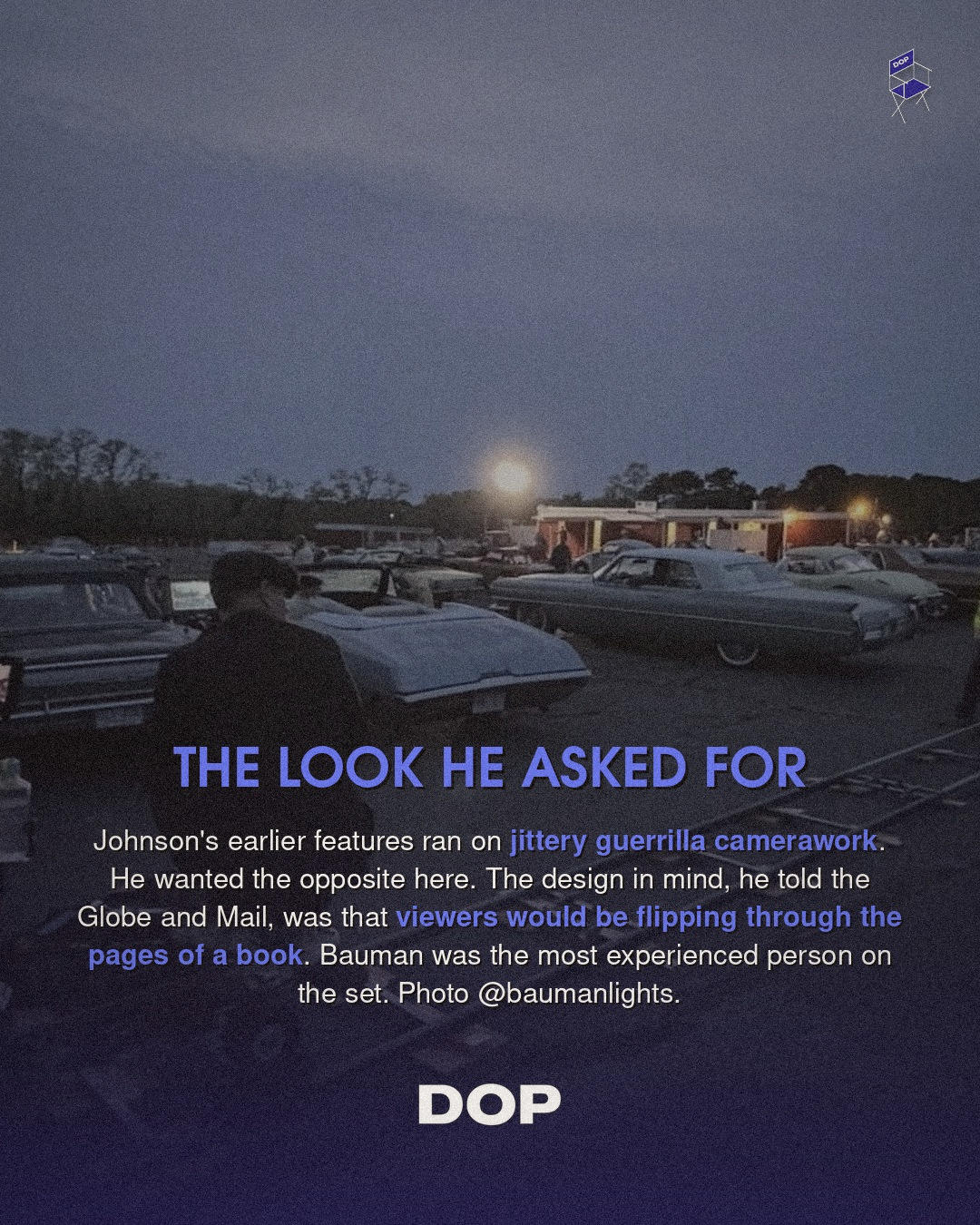
Matt Johnson’s visual language has always favored kinetic framing, rapid reframing, and an improvisational energy reminiscent of direct cinema. Bauman’s task was not to stifle that energy with rigid, studio-style setups, but to anchor it with sophisticated color science, disciplined contrast ratios, and deliberate optical choices that give the imagery weight.
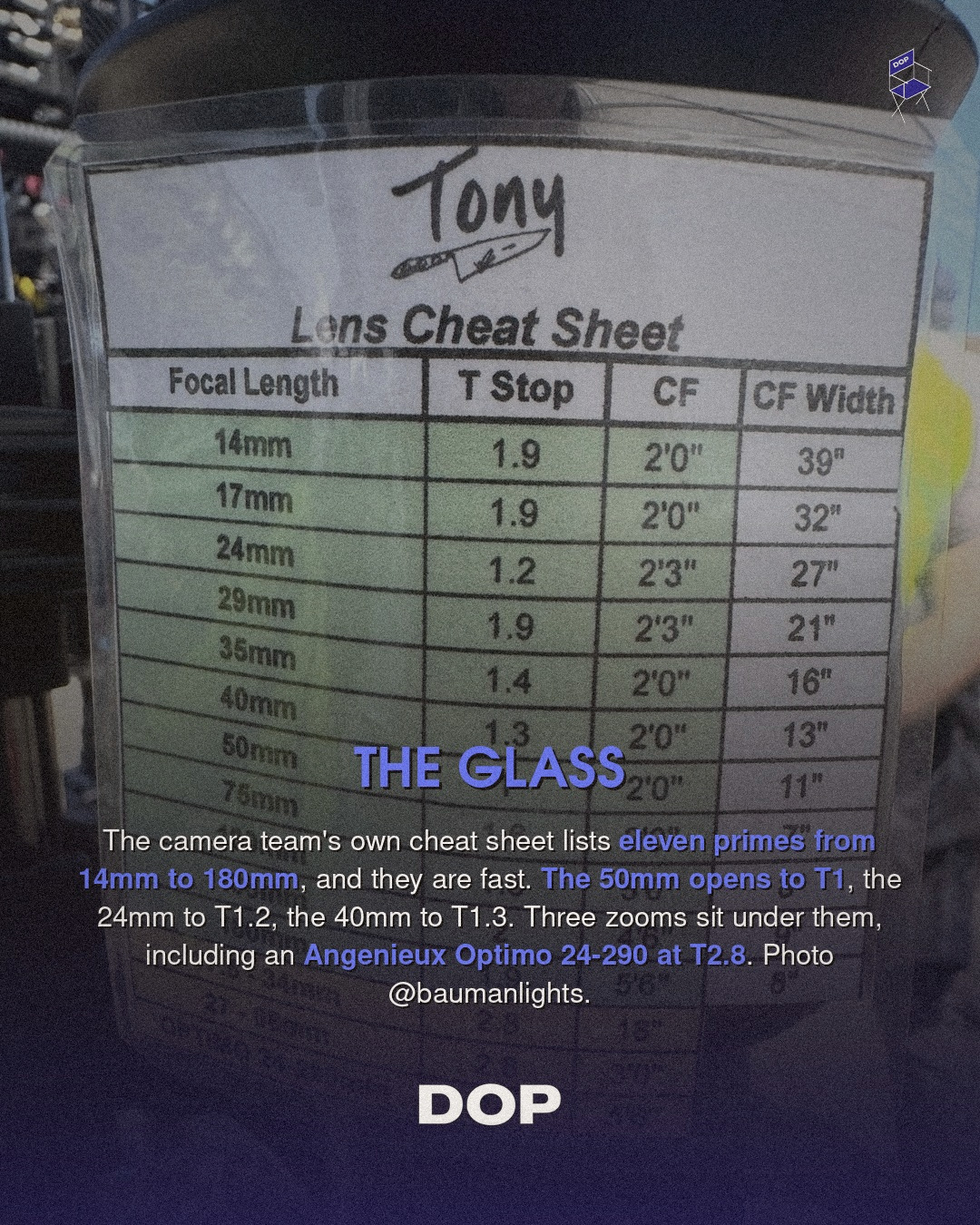
To complement the Atlantic coastal atmosphere, the production favored optics with organic rolloff and gentle halation around highlights, keeping digital sharpness at bay. Whether capturing tight, character-driven interiors in historic Cape Cod architecture or navigating wide exterior vistas under shifting coastal fog, Bauman prioritized soft, wrap-around sources and balanced practicals over heavy overhead rigs.
The Intuition of a Master Gaffer Behind the Lens
The transition from master gaffer to Academy Award, nominated director of photography grants a filmmaker a unique shorthand on set. Bauman’s understanding of foot-candles, inverse-square falloff, and color temperatures allows him to make lighting decisions instinctively on the day, saving precious setup time while protecting the sensor’s shadow fidelity.
In Tony, that shorthand translated into a visual grammar that feels immediate yet painterly. By trusting Bauman’s eye after a single brief conversation, Johnson discovered that pairing his signature narrative kineticism with the refined discipline of a PTA-trained image maker produced a visual synergy unlike anything either had created before.