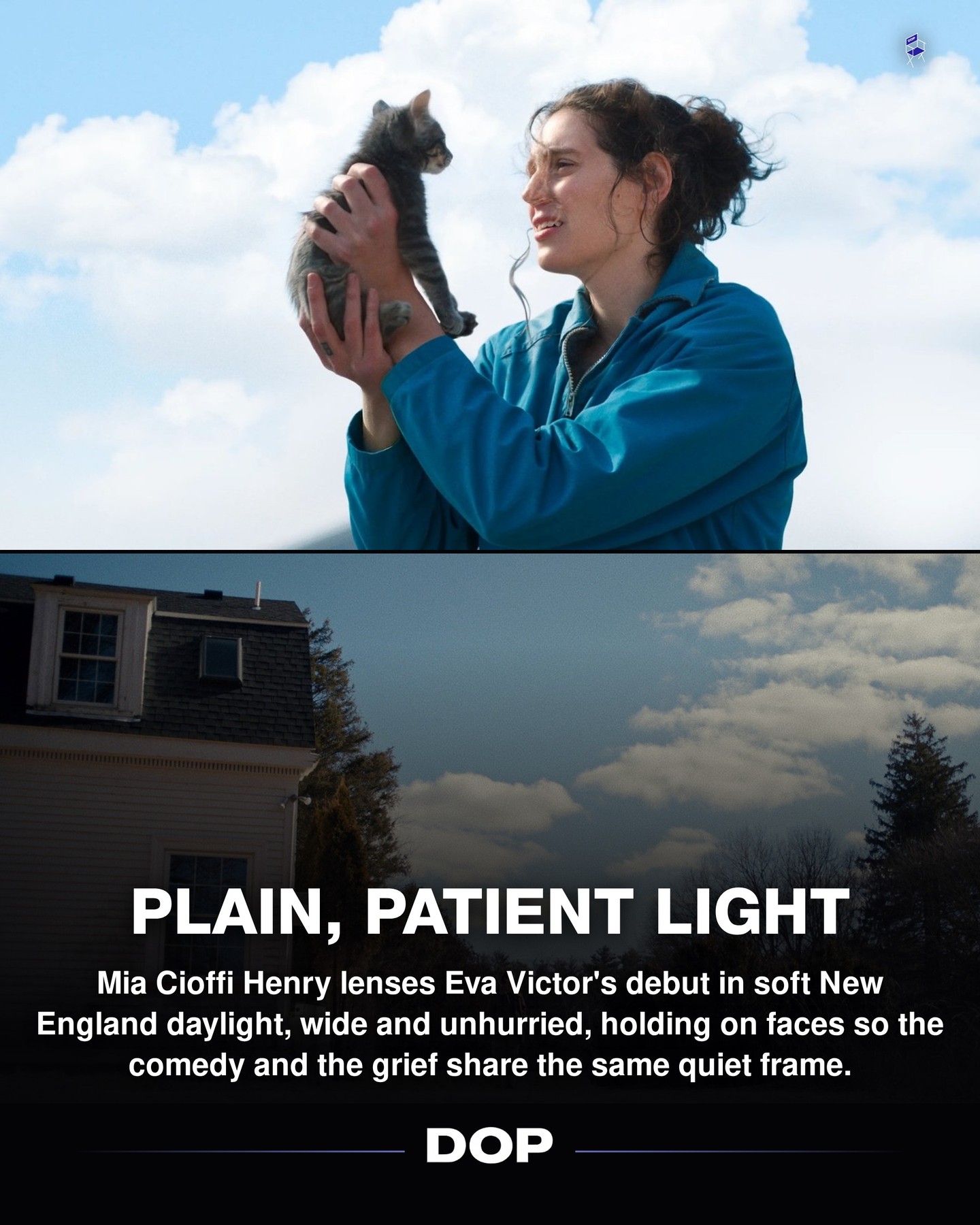
In contemporary indie cinema, the urge to stylize can often overpower the material. Saturated gels, razor-thin depths of field, and hyper-stylized sodium vapor washes frequently substitute for genuine point-of-view. But in Eva Victor’s directorial debut Sorry, Baby, cinematographer Mia Cioffi Henry takes the opposite tack, delivering an exercise in visual restraint that allows the human element to breathe completely unencumbered.
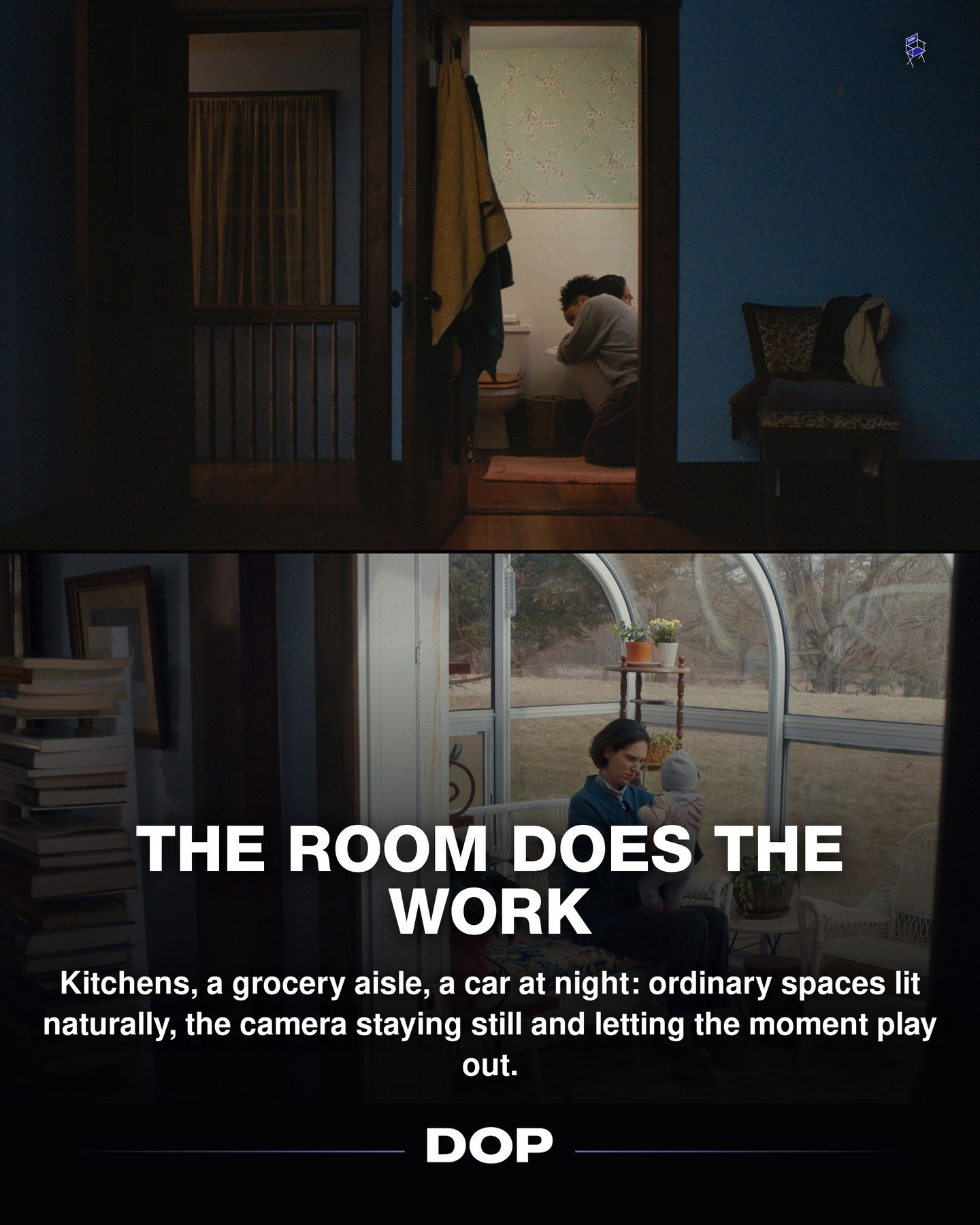
Known for her tactile, humanistic approach on projects like The Year Between and Superior, Cioffi Henry approaches the New England daylight of Sorry, Baby with remarkable fidelity. The aesthetic is deceptively straightforward: diffused ambient light, gentle contrast ratios, and daylight interiors that look as if no lighting truck ever parked on the block. Yet anyone who has wrestled with exterior-dependent location work knows this kind of visual transparency demands rigorous discipline.
The Art of the Unseen Lighting Setup
Working in naturalistic New England environments presents volatile atmospheric challenges, shifting cloud cover, fluctuating color temperatures, and rapidly changing sun angles. Rather than fighting these elements by overpowering rooms with large HMIs punched through windows, Cioffi Henry and her gaffer lean into ambient augmentation. Utilizing high-output, soft LED fixtures like ARRI SkyPanels bounced into unbleached muslin or book-lit through silent grid cloth, the lighting team manages to extend and stabilize ambient falloff without introducing artificial directionality.
"Daylight that plain is a choice, not an absence of one. It keeps the film at the level of a life being lived rather than a story being staged."
The key light rarely calls attention to itself. When characters move through interior hallways or sit near north-facing windows, the roll-off across skin tones remains smooth and gradual. Cioffi Henry relies on subtle negative fill, floppy solids and duvetyne skirts placed just off-frame, to shape dimension organically while keeping ambient spill from flattening out the frame.
Optics, Texture, and Camera Demeanor
To support this grounded observational tone, Cioffi Henry pairs large-format digital sensors with vintage or detuned modern glass, providing organic texture that tempers digital clinical sharpness. By selecting lenses with controlled flare characteristics and gentle highlight roll-off, the highlights in practical windows bloat naturally without clipping into harsh digital white.
Camera movement follows the same philosophical ethos. The operating avoids performative handheld energy in favor of patient, deliberate frames that honor Victor’s comedic and dramatic pacing. The camera breathes with the performers, maintaining a respectful proximity that feels observational rather than invasive.
Ultimately, Sorry, Baby serves as a clinic in visual maturity. By letting ambient daylight do the quiet work, Mia Cioffi Henry proves that restraint is often the boldest cinematographic choice a director and DP can make.