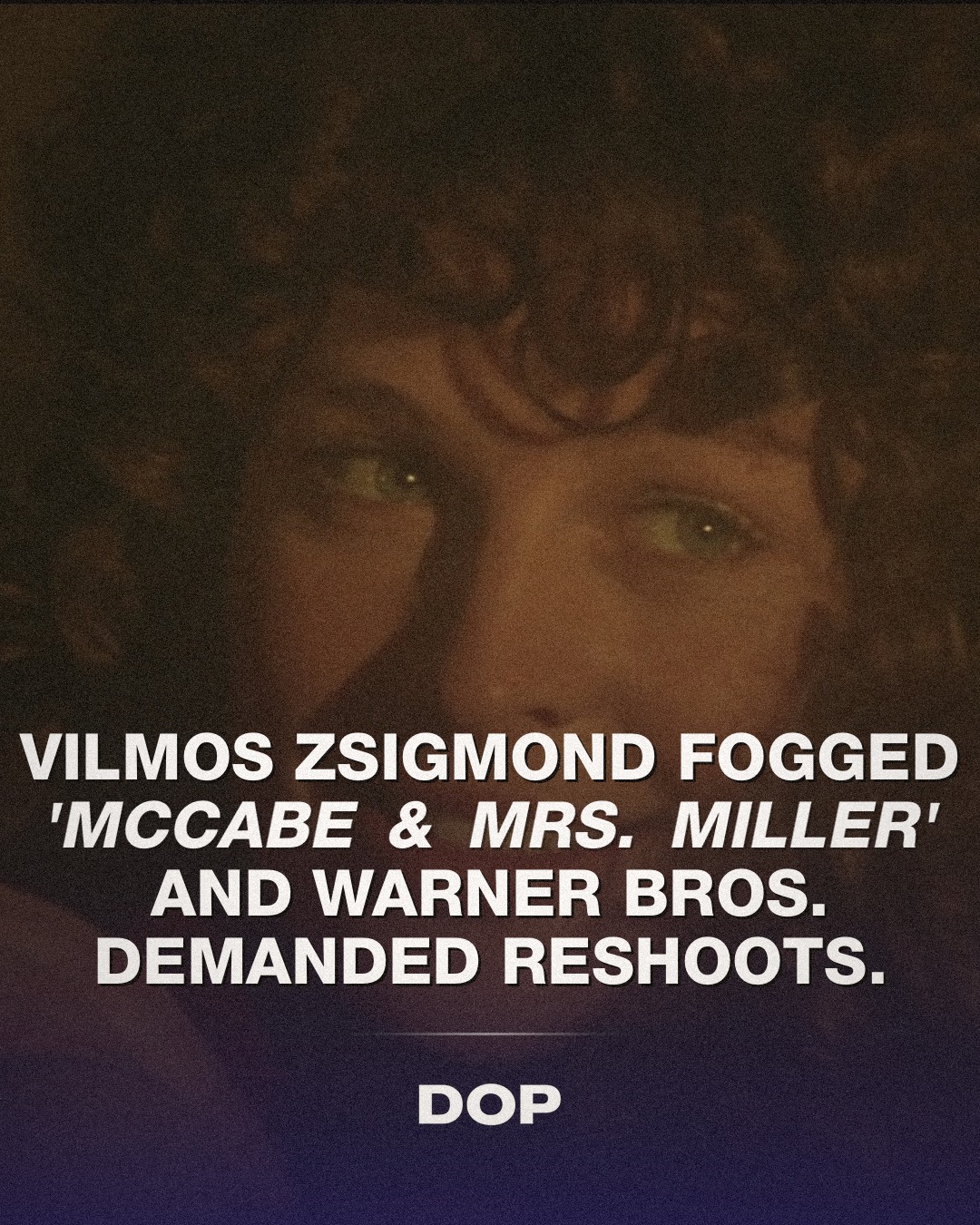
In the annals of cinematic history, few collaborations have yielded such a distinct and influential visual language as that between director Robert Altman and cinematographer Vilmos Zsigmond. Their work on the 1971 anti-western McCabe & Mrs Miller stands as a monumental testament to artistic conviction, pushing the boundaries of what was deemed acceptable, and in doing so, creating an indelible aesthetic that continues to inspire. The story of its creation, particularly its defiant visual style, is a fascinating saga of creative genius clashing with studio conservatism.
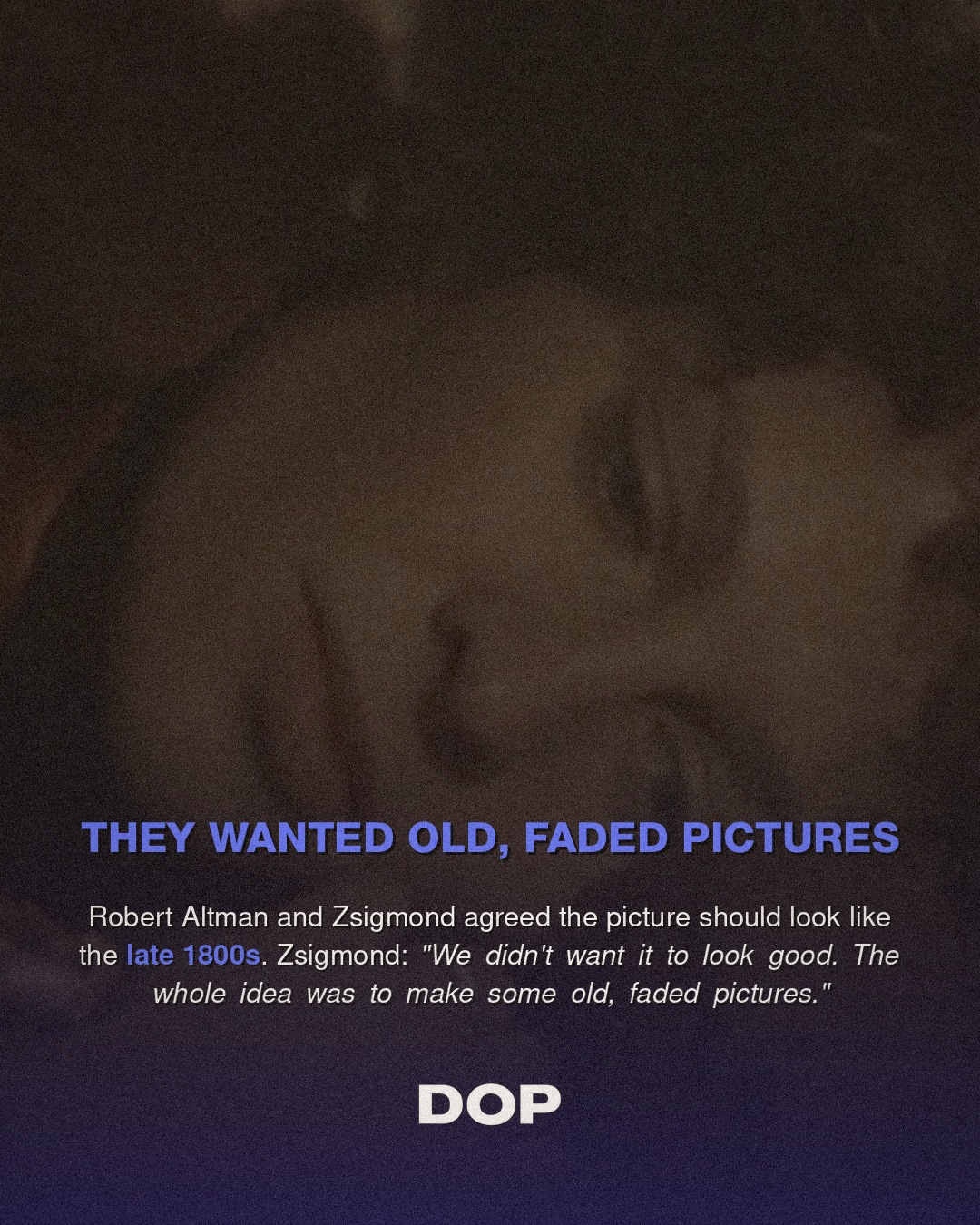
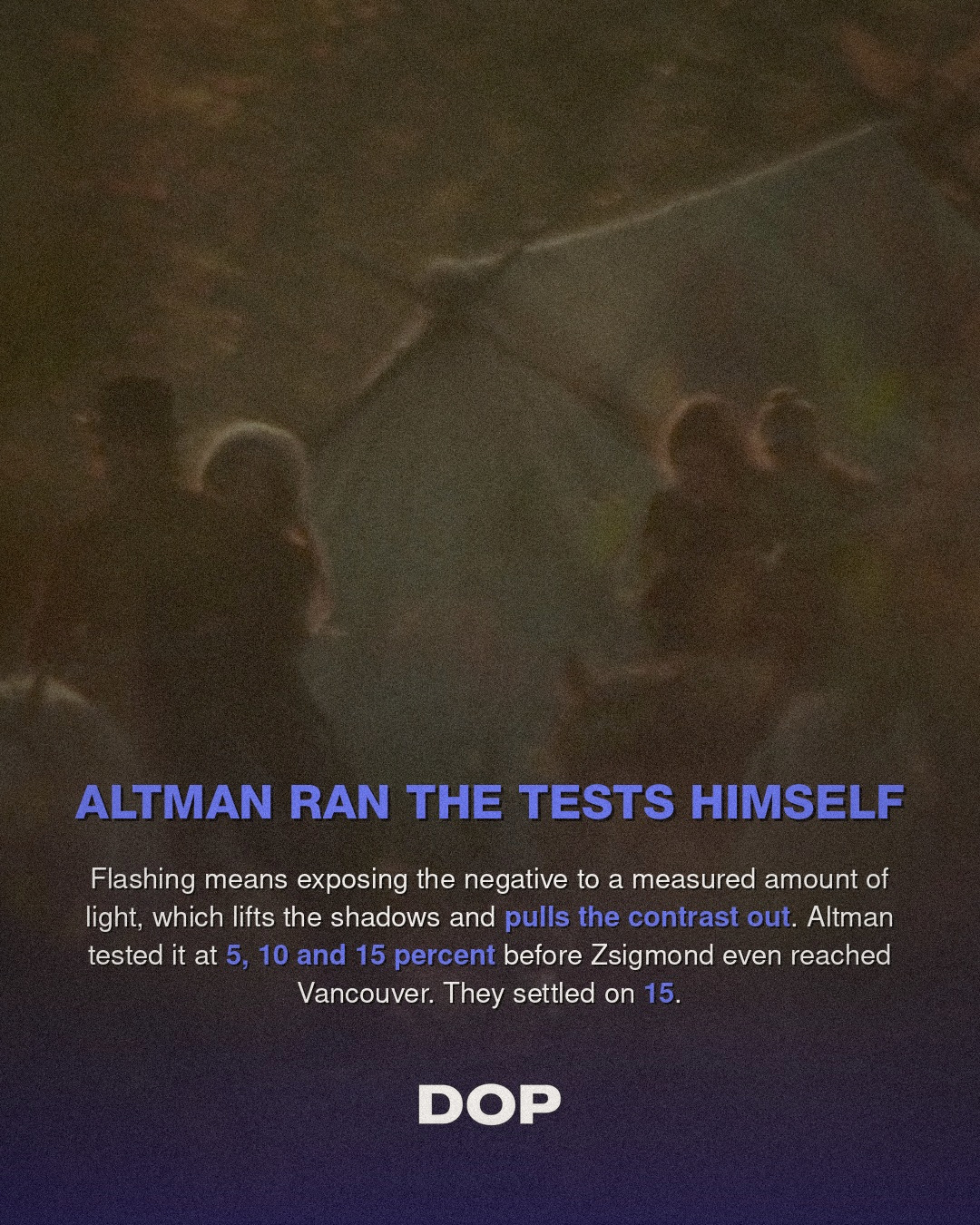
The genesis of McCabe & Mrs Miller's unique look began with a singular vision: to immerse the audience in the grimy, lived-in reality of the late 19th-century Pacific Northwest. Altman, ever the iconoclast, understood that conventional pristine cinematography would betray this ambition. He sought a visual texture that felt aged, worn, and evocative of old photographs, a world devoid of the glossy sheen typical of Hollywood productions. Before Zsigmond even arrived on location in Vancouver, Altman had already initiated tests, ordering 'flashing' at various percentages. Flashing, a pre-exposure technique, involves briefly exposing the film stock to a small amount of light before it's used in the camera. This process effectively fogs the negative, reducing contrast, lifting blacks, and desaturating colors, imparting a softer, antique quality. They ultimately settled on a bold 15% flash, a decision that would become a cornerstone of the film's visual identity.
The Alchemy of Light and Grain: Zsigmond's Technical Mastery
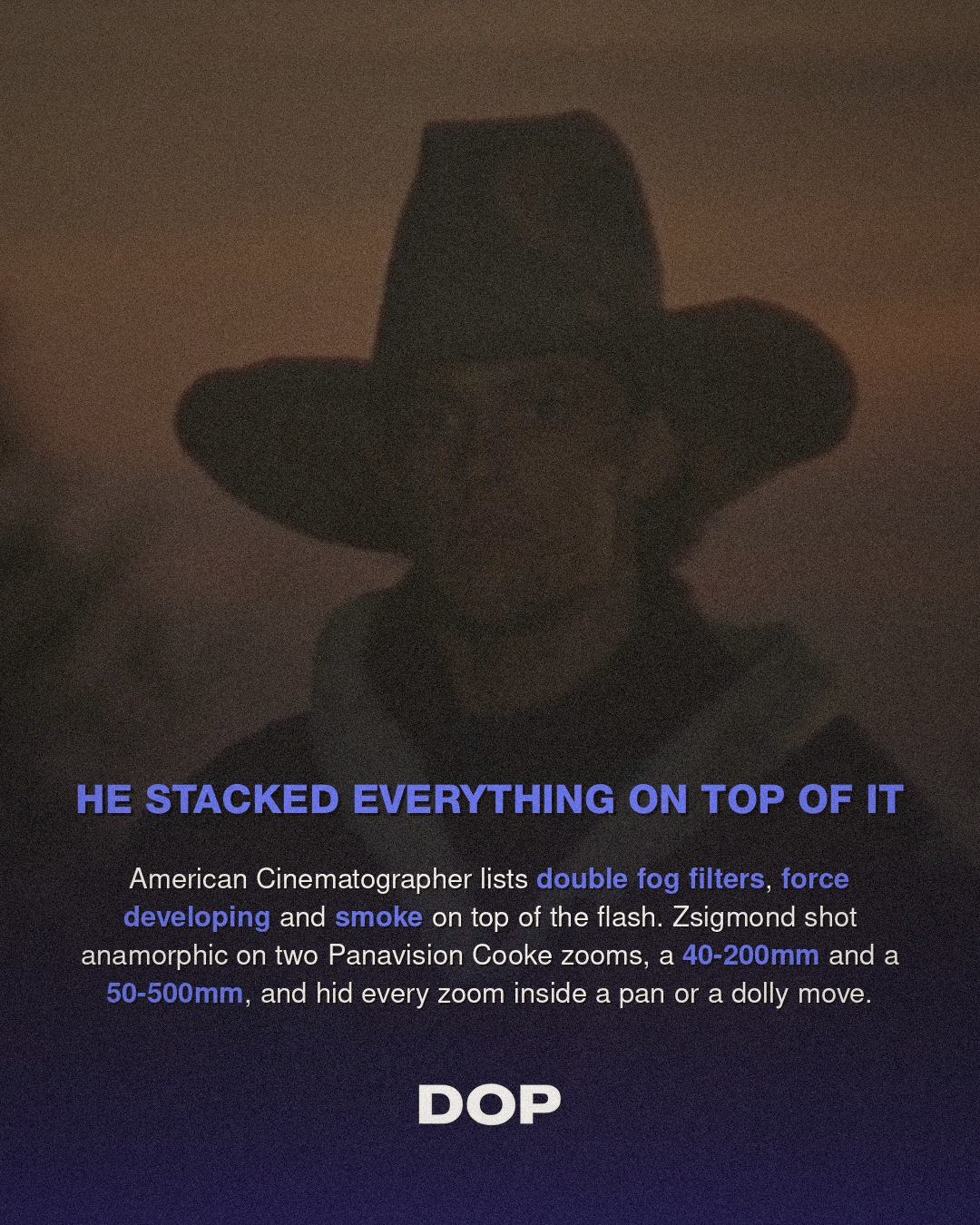
Zsigmond, a Hungarian émigré whose sensibilities were honed by European art cinema, was the perfect collaborator for Altman's audacious vision. His filmography, already rich with atmospheric works like Deliverance and later Close Encounters of the Third Kind, consistently demonstrated a willingness to experiment. For McCabe & Mrs Miller, his technical approach went far beyond just flashing. American Cinematographer detailed a layered process that included the use of double fog filters on the lenses, further diffusing highlights and softening the image. This, combined with force developing the negative, pushing the film in the lab to increase its effective speed and grain, contributed to the film's gritty, textural character. The final flourish was the introduction of smoke on set, adding an ethereal haze that permeated the frame, obscuring sharp lines and enhancing the feeling of a world perpetually shrouded in mist and mystery. The film was shot anamorphically on two Panavision Cooke zooms, lenses known for their unique optical characteristics, including a pleasing barrel distortion and a painterly fall-off that beautifully complemented the film's aesthetic.
"We were trying to create something that looked like it was found in an attic, a forgotten memory, not a pristine recreation. The 'mistake' was the point.", Vilmos Zsigmond (paraphrased)
The choice of anamorphic lenses was particularly impactful. While often associated with epic scope, Zsigmond and Altman utilized the Panavision Cooke zooms to capture the intimate, often claustrophobic atmosphere of the frontier town. The anamorphic squeeze and subsequent desqueeze in projection inherently introduce certain optical aberrations and a distinct oval bokeh, which, when combined with the flashing, fog filters, and forced development, created a visual tapestry unlike anything seen before. This wasn't merely about making it look 'old'; it was about crafting a sensory experience that mirrored the harsh, unromanticized reality of the period.
Studio Resistance and Enduring Legacy
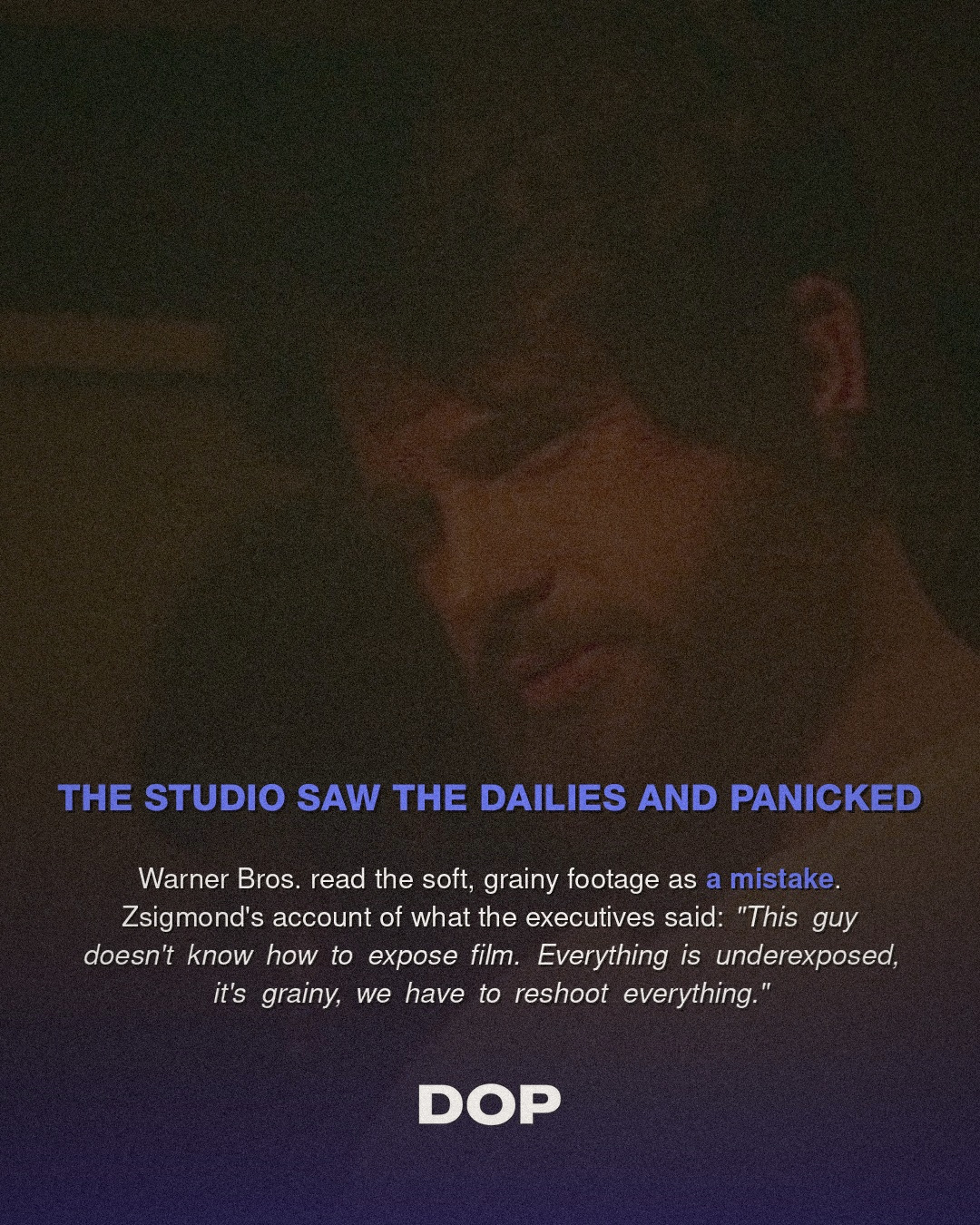
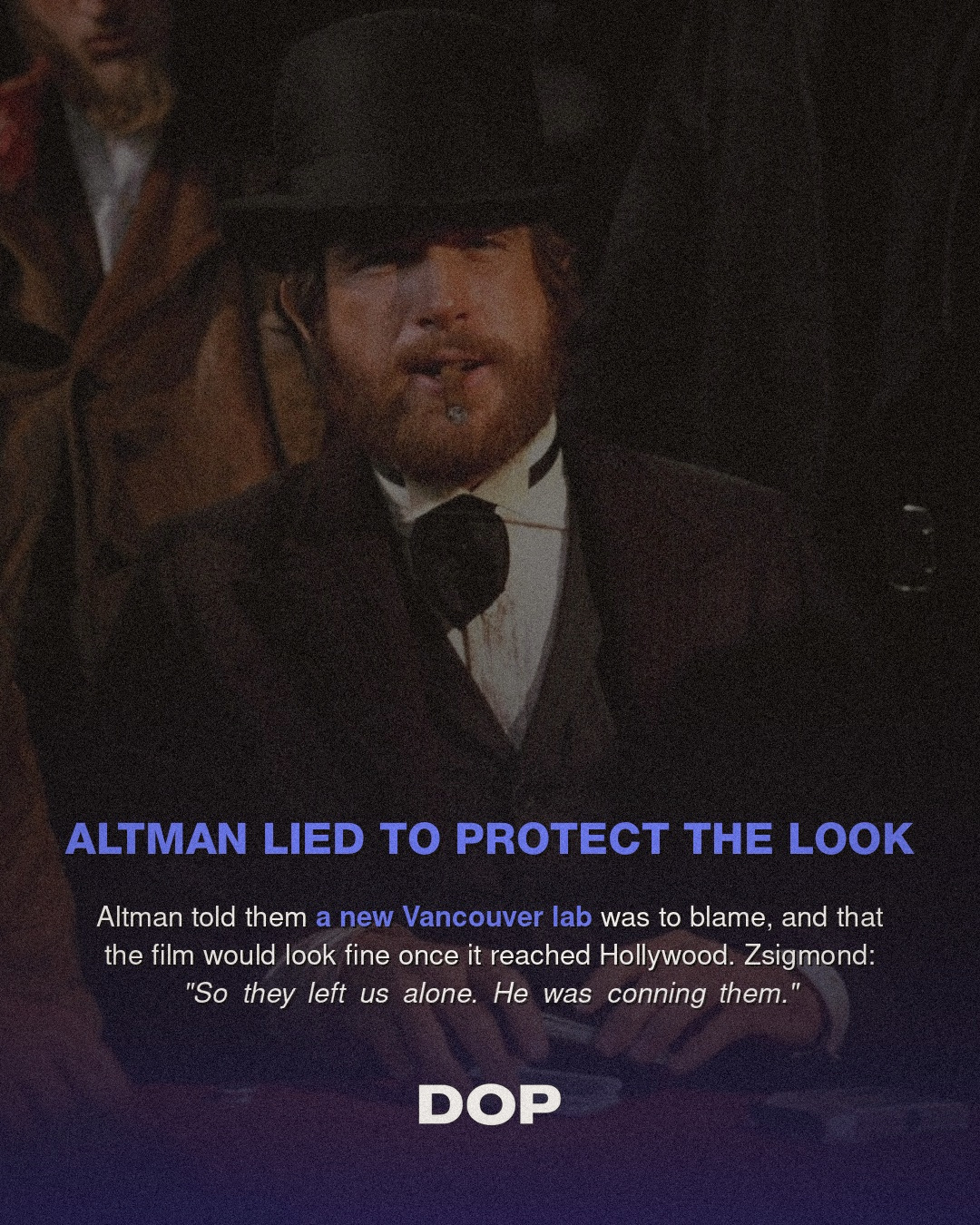
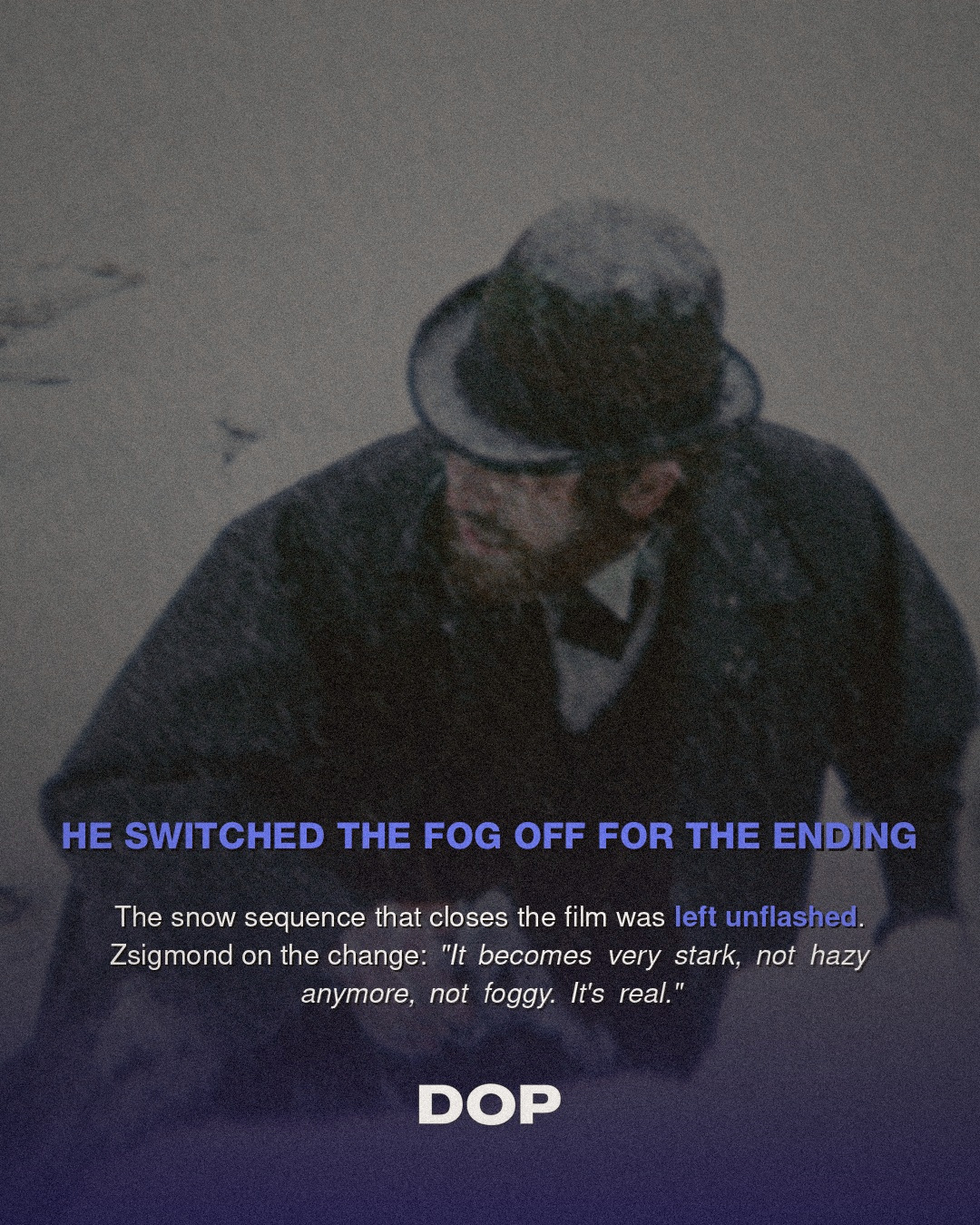
Unsurprisingly, such radical visual choices did not sit well with the studio. Warner Bros., upon viewing the initial dailies, reacted with alarm, perceiving the heavily flashed, grainy, and desaturated footage as a catastrophic error. They reportedly demanded reshoots, convinced that the film stock or processing had been mishandled. This tension between artistic intent and commercial expectations is a recurring theme in film history, and McCabe & Mrs Miller stands as a prime example of a director and cinematographer holding firm against corporate pressure. The famous exception was the snow sequence, which, due to its inherent visual brilliance and Zsigmond's insistence, was left unflashed, providing a stark, almost blinding contrast to the muted tones of the rest of the film, further emphasizing the harshness of the environment.
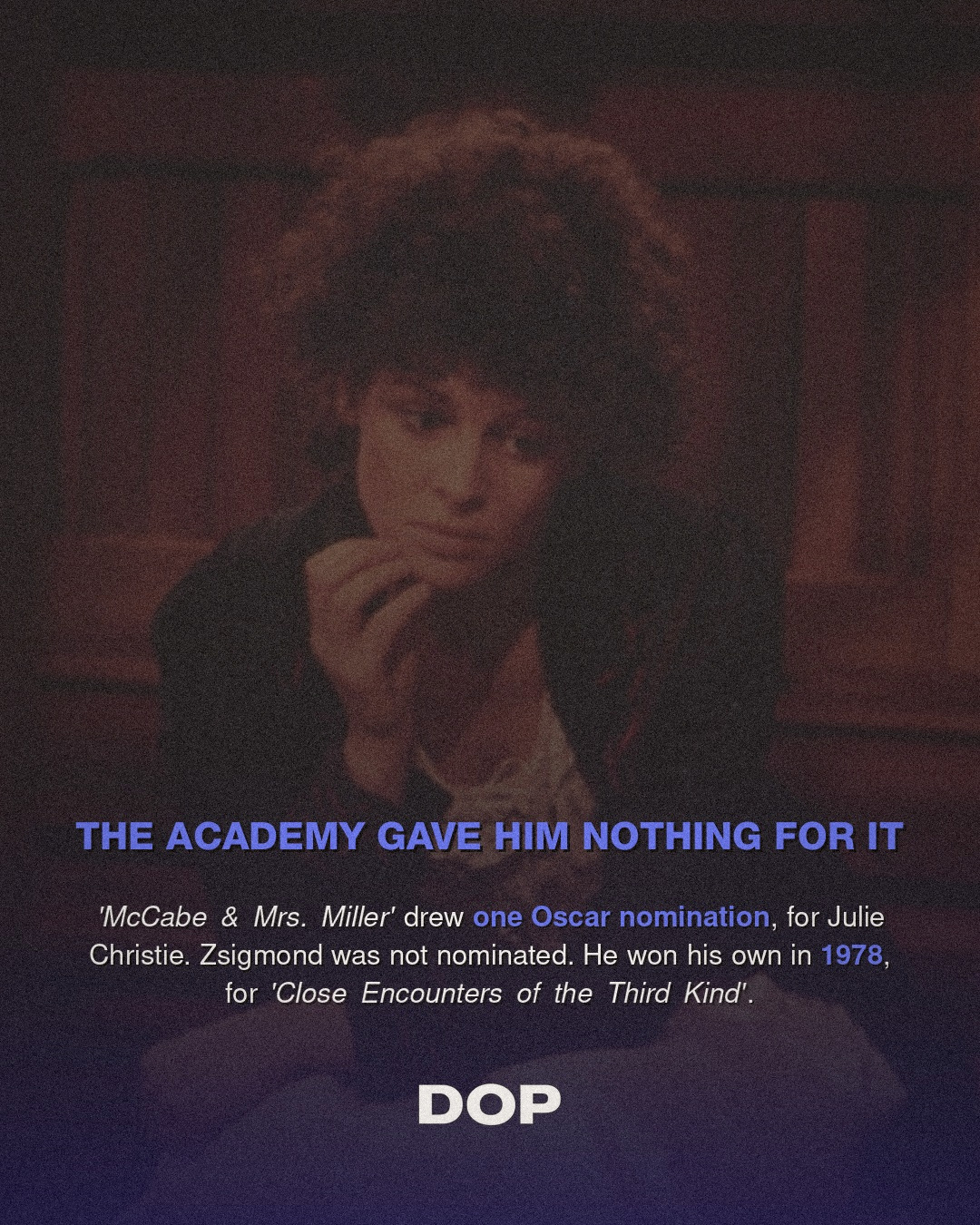
Despite the studio's initial misgivings, the film's unique aesthetic became its defining characteristic, earning critical acclaim and a lasting place in cinematic canon. While it garnered only one Oscar nomination (for Julie Christie's performance), its influence on subsequent generations of filmmakers and cinematographers is undeniable. It demonstrated that a film's visual style could be an active participant in its narrative, conveying mood, character, and thematic depth with as much power as dialogue or plot. Zsigmond's work on McCabe & Mrs Miller wasn't just cinematography; it was an act of visual archaeology, unearthing a lost world through the deliberate manipulation of light, film, and optics. It remains a masterclass in how to break the rules to achieve a truly distinctive and emotionally resonant vision.