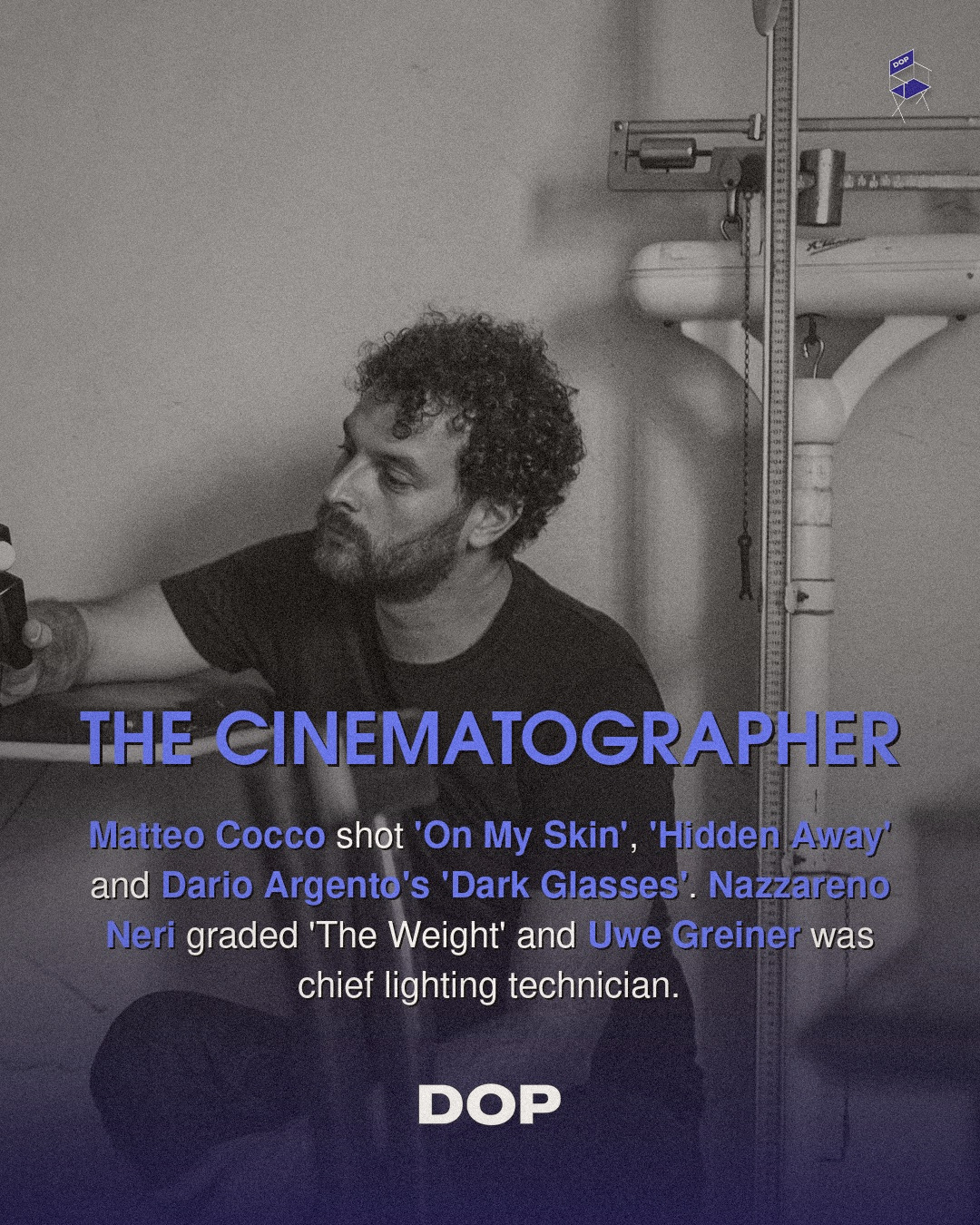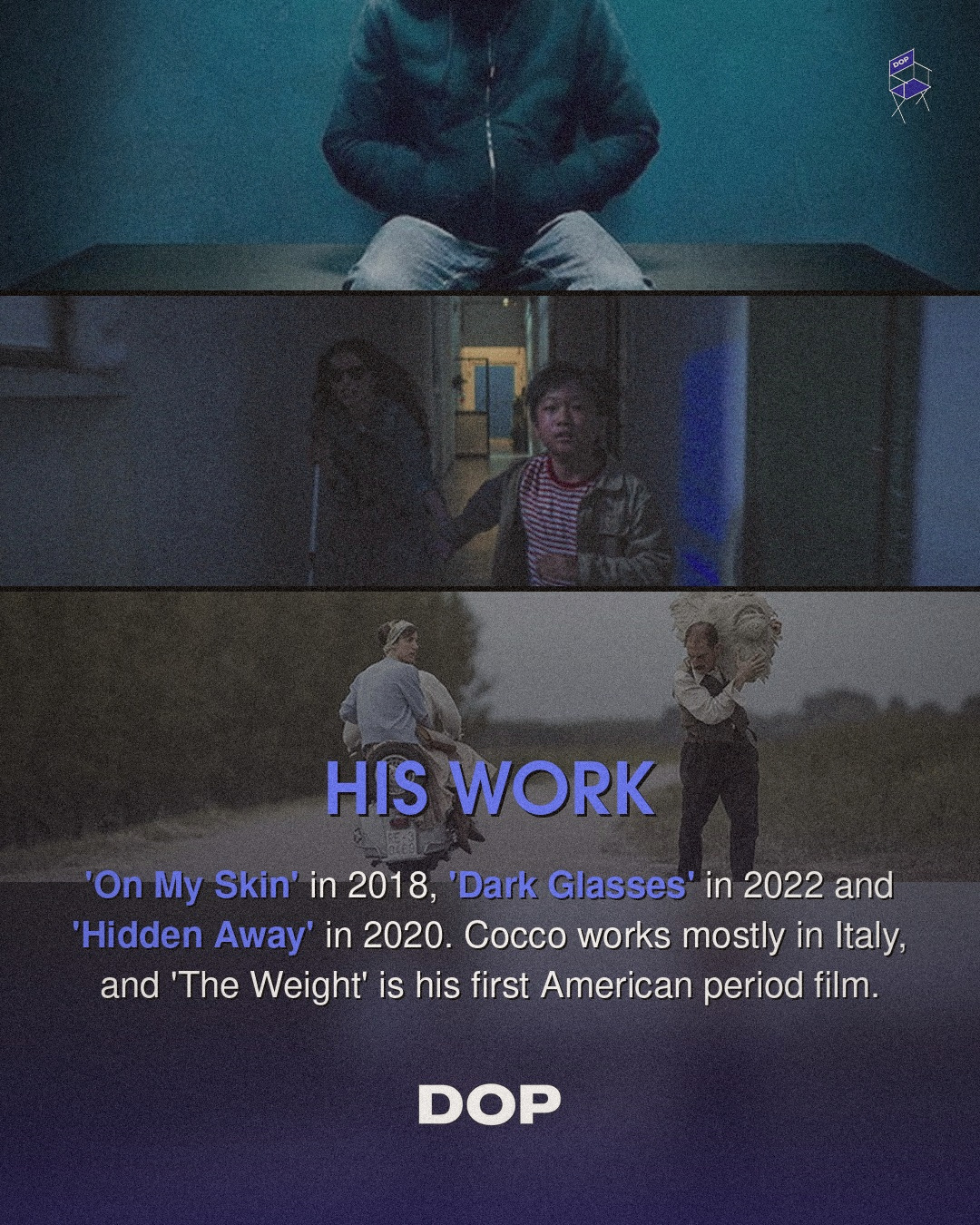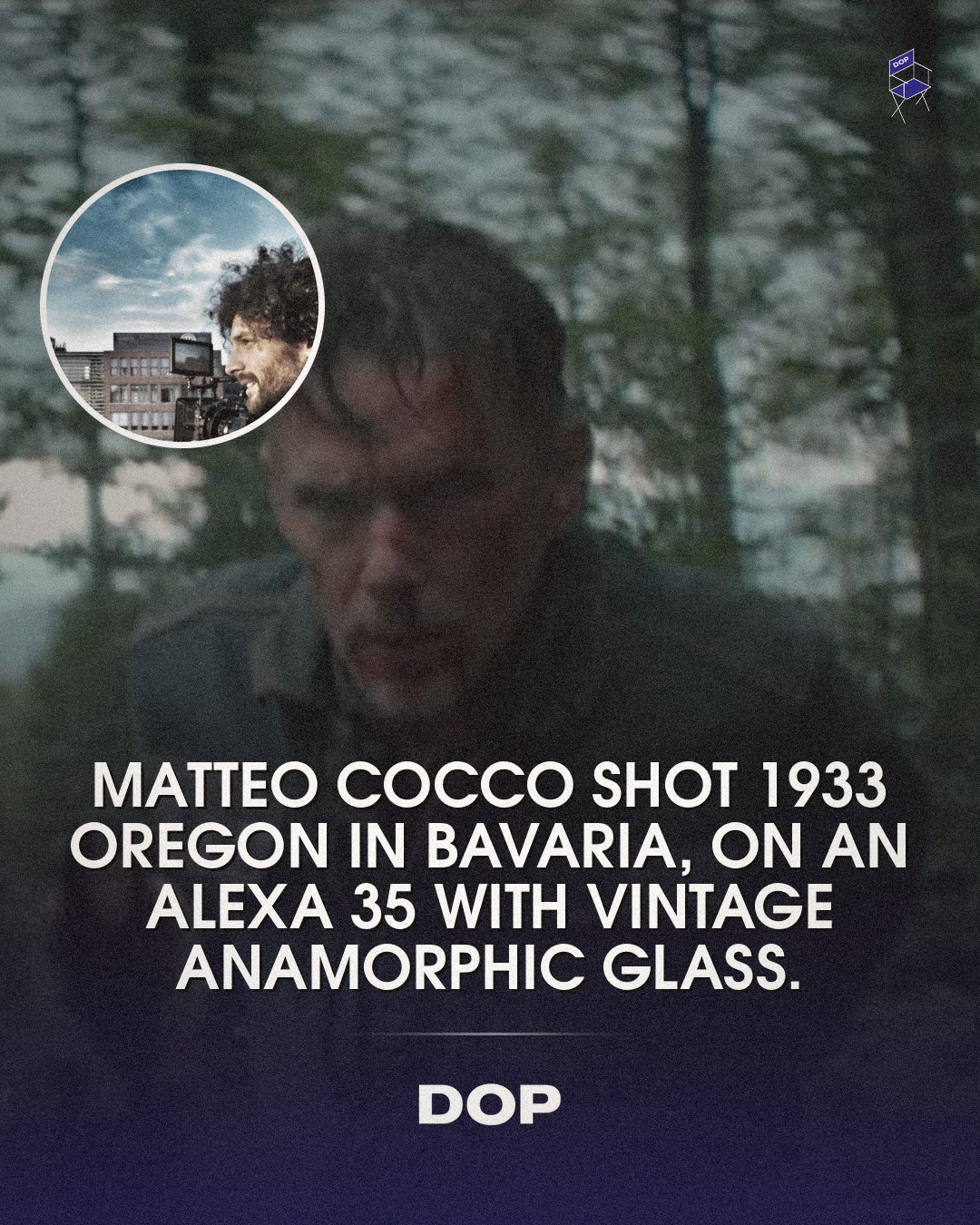
Matteo Cocco is a cinematographer whose name resonates with a particular kind of visual integrity. From the stark realism of 'On My Skin' to the chilling atmospheric tension of Dario Argento's 'Dark Glasses,' Cocco has consistently demonstrated a masterful command of light and shadow, often in service of deeply human stories. Now, with 'The Weight,' his first foray into American period filmmaking, he’s charting new territory, not just geographically, but stylistically, bringing his refined European sensibility to a distinctly American narrative set in 1930s Oregon.
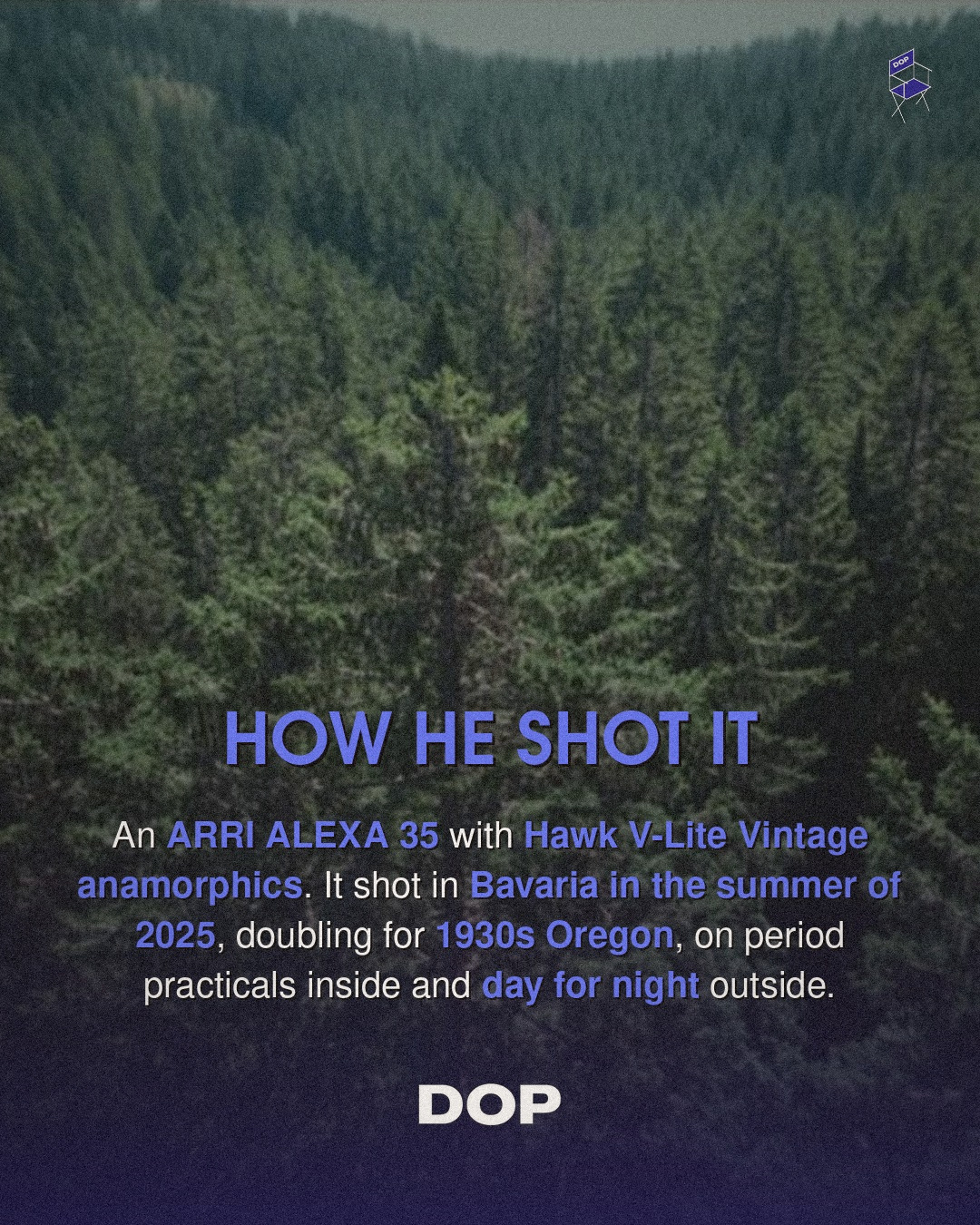
The choice of camera and lenses for 'The Weight' immediately signals Cocco's artistic intent. Pairing the cutting-edge ARRI ALEXA 35 with Hawk V-Lite Vintage anamorphics is a stroke of genius. The ALEXA 35, with its new REVEAL Color Science and enhanced dynamic range, offers an unparalleled digital negative, capturing incredible detail and subtle tonal gradations. This modern workhorse provides the canvas, while the Hawk V-Lite Vintage anamorphics imbue the image with a distinct character, the elliptical bokeh, the gentle fall-off, and the organic flares that evoke a bygone era without sacrificing resolution or depth. This combination allows for a contemporary clarity blended with a nostalgic texture, crucial for a period film aiming for authenticity over mere imitation.
The Art of Period Authenticity: Light and Location
Filming in Bavaria, doubling for 1930s Oregon, presents its own set of challenges and opportunities. The production's commitment to period practicals for interior scenes speaks volumes about Cocco's approach. Working with chief lighting technician Uwe Greiner, the reliance on practical sources, period lamps, natural window light, and motivated firelight, would have been paramount. This isn't just about historical accuracy; it's about creating a believable world where the light feels indigenous to the space, shaping performances and guiding the audience's eye with an organic flow. The ALEXA 35's exceptional low-light performance would have been invaluable here, allowing Cocco to push exposure without introducing excessive noise, preserving the delicate nuances of practical illumination.
"The true magic of period cinematography lies not just in replicating the past, but in interpreting it through a modern lens, making it feel lived-in and immediate, not merely a museum piece."
The mention of 'day for night' exteriors further highlights the technical prowess involved. This classic technique, when executed flawlessly, can be incredibly evocative. Cocco and Greiner would have meticulously planned these sequences, using specialized filtration, precise exposure control, and potentially augmented artificial moonlight to transform sunlit landscapes into moonlit vistas. The wide dynamic range of the ALEXA 35 would again prove critical, allowing for detailed shadows and controlled highlights, preventing the 'day for night' effect from appearing artificial or underexposed.
Crafting Mood and Narrative Through Color Science
The final layer of visual storytelling comes through the grade, handled by Nazzareno Neri. This is where the raw data captured by the ALEXA 35 and filtered through the Hawk anamorphics is sculpted into its final aesthetic. Given the 1930s setting, one might anticipate a palette that leans towards muted earth tones, sepia-infused highlights, and rich, deep shadows, perhaps with a slight desaturation to evoke vintage photographic processes. However, Cocco's previous work suggests he avoids overly stylized or heavy-handed grades. Instead, Neri's work would likely focus on enhancing the naturalism, emphasizing the character of the lenses, and defining the emotional arc of the film through subtle color shifts and contrast adjustments. The new REVEAL Color Science of the ALEXA 35 offers an incredibly robust foundation for grading, providing Neri with maximum flexibility to achieve Cocco's vision.
The casting of Ethan Hawke and Russell Crowe adds another dimension. Cocco's cinematography will undoubtedly be tasked with capturing the raw intensity and nuanced performances of these seasoned actors. The anamorphic format, with its inherent ability to create intimate close-ups while maintaining a sense of environment, will be key to framing their interactions. The gentle fall-off of the Hawks will allow faces to stand out with a sculptural quality, drawing the audience into their emotional states.
'The Weight' promises to be a significant addition to Matteo Cocco's impressive filmography. By marrying the cutting-edge technology of the ARRI ALEXA 35 with the evocative character of Hawk V-Lite Vintage anamorphics, and grounding it all in meticulous period detail and naturalistic lighting, Cocco is poised to deliver a visually rich and emotionally resonant cinematic experience. As it opens on September 18, audiences and cinematographers alike will undoubtedly be dissecting its visual language, appreciating the intricate craft behind its 1930s facade.
This article contains affiliate links. We may earn a small commission at no extra cost to you. Learn more.