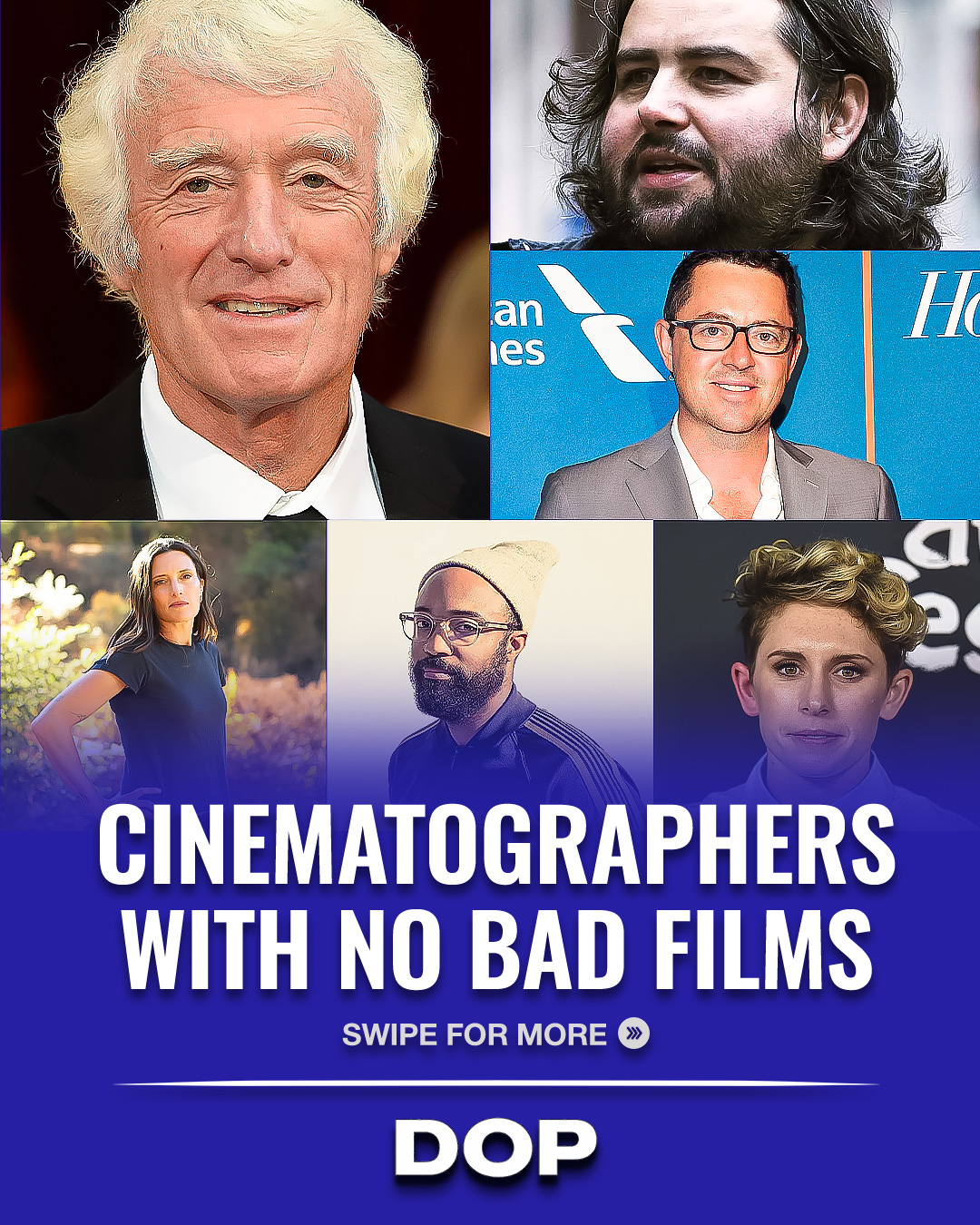
In the pantheon of contemporary cinematography, certain names resonate with an almost mythical quality. Roger Deakins, Hoyte van Hoytema, Greig Fraser, Rachel Morrison, and Bradford Young represent not just individual talents, but distinct philosophies that have shaped the visual landscape of modern cinema. Their filmographies are not merely lists of credits, but a masterclass in visual storytelling, each project a testament to their unwavering commitment to craft and innovation. For the discerning eye of a DP, a gaffer, or any serious film enthusiast, dissecting their approaches offers invaluable insights into the art of light and shadow.
Roger Deakins stands as a towering figure, his work characterized by a profound sense of naturalism and an almost painterly control of light. From the stark, sun-drenched landscapes of No Country for Old Men to the ethereal glow of Blade Runner 2049, Deakins consistently finds the inherent drama in a scene through meticulous composition and a nuanced understanding of color. His predilection for subtle, motivated lighting, often achieved with minimal units, speaks to a philosophy of less being more. His collaboration with the ARRI Alexa Mini LF on 1917, for instance, showcased his ability to harness cutting-edge digital technology to achieve a seamless, immersive single-take aesthetic, proving that technological prowess serves, rather than dictates, his artistic vision.
The IMAX Maestro and the World-Builder
Hoyte van Hoytema, a frequent collaborator with Christopher Nolan, has carved out a niche defined by scale and an audacious embrace of large formats. His work on films like Interstellar, Dunkirk, and Oppenheimer is synonymous with the visceral impact of IMAX 65mm film. Van Hoytema’s genius lies not just in his ability to wrangle these massive cameras, but in his innovative techniques for photographing darkness. He understands that true darkness isn't an absence of light, but a canvas for subtle texture and detail, often achieved through careful manipulation of practicals and negative fill. His development of custom lenses and lighting solutions for Nolan's ambitious visions speaks to a DP who is not merely an operator, but a true co-creator of the film's visual language.
"True darkness isn't an absence of light, but a canvas for subtle texture and detail."
Greig Fraser, on the other hand, has become the go-to cinematographer for crafting expansive, immersive worlds. His work on Dune: Part One and Part Two, The Batman, and Rogue One demonstrates a remarkable versatility, seamlessly blending digital precision with a cinematic grittiness. Fraser often employs custom filtration and a unique approach to digital color grading, pushing the boundaries of what's achievable in a digital intermediate. His use of LED lighting technologies, particularly on The Batman, allowed for unprecedented control over environmental lighting, creating mood and atmosphere that are intrinsically linked to the narrative. His rapid ascent to the pinnacle of studio filmmaking underscores a demand for DPs who can not only execute a vision but elevate it into something truly iconic.
Breaking Barriers and Redefining the Gaze
The landscape of cinematography is also being enriched by groundbreaking talents like Rachel Morrison and Bradford Young. Rachel Morrison's historic nomination for Mudbound marked a pivotal moment, showcasing her profound ability to capture nuanced human emotion within challenging environments. Her subsequent work on Black Panther demonstrated her adaptability, transitioning from intimate period drama to a vibrant, Afrofuturist spectacle with equal mastery. Morrison’s strength lies in her empathetic lens, ensuring that character and story are always at the forefront, regardless of the scale of the production.
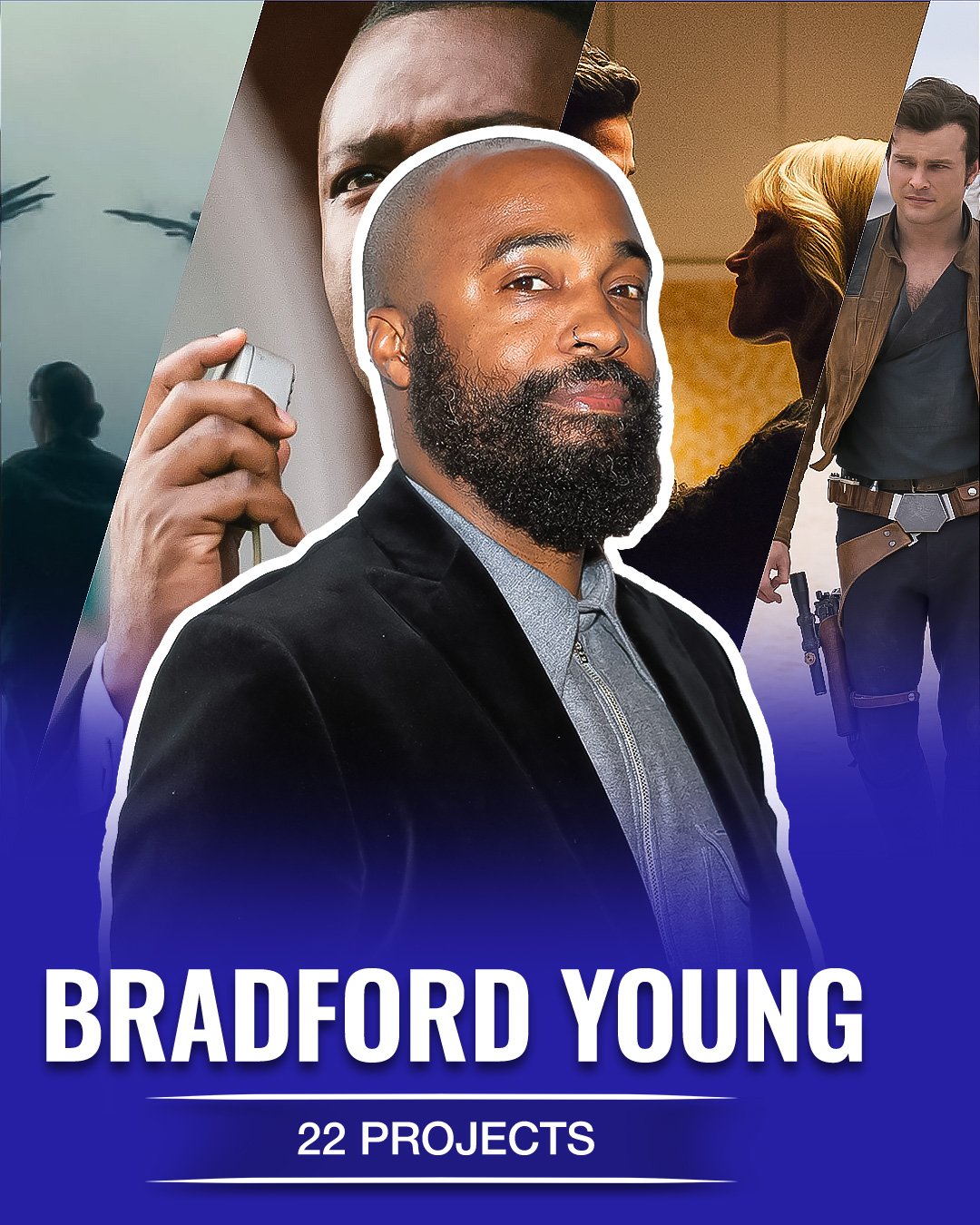
Bradford Young's contributions are equally significant, not just for his artistry but for his profound impact on the technical and cultural aspects of cinematography. His work on films like Arrival and Selma is characterized by a luminous, often melancholic beauty, achieved through a deep understanding of natural light and shadow. Crucially, Young has been a vocal advocate for addressing historical biases in film stock calibration and light meter design, which traditionally favored lighter skin tones. His lighting philosophy ensures that all skin tones are rendered with richness and accuracy, a vital step towards a more inclusive and representative visual medium. This conscious approach to lighting isn't just aesthetic; it's a powerful statement about how we see and represent the world.
What unites these disparate talents is not a singular style, but an uncompromising dedication to their craft, an insatiable curiosity for innovation, and an innate ability to translate narrative into compelling visual poetry. Whether it's Deakins' minimalist mastery, van Hoytema's large-format audacity, Fraser's world-building prowess, Morrison's empathetic lens, or Young's transformative approach to light, each cinematographer serves as a beacon for what is possible when technical expertise meets artistic vision. Their filmographies are not just exceptional; they are essential viewing for anyone who seeks to understand the power and potential of cinematography in its purest form.
This article contains affiliate links. We may earn a small commission at no extra cost to you. Learn more.