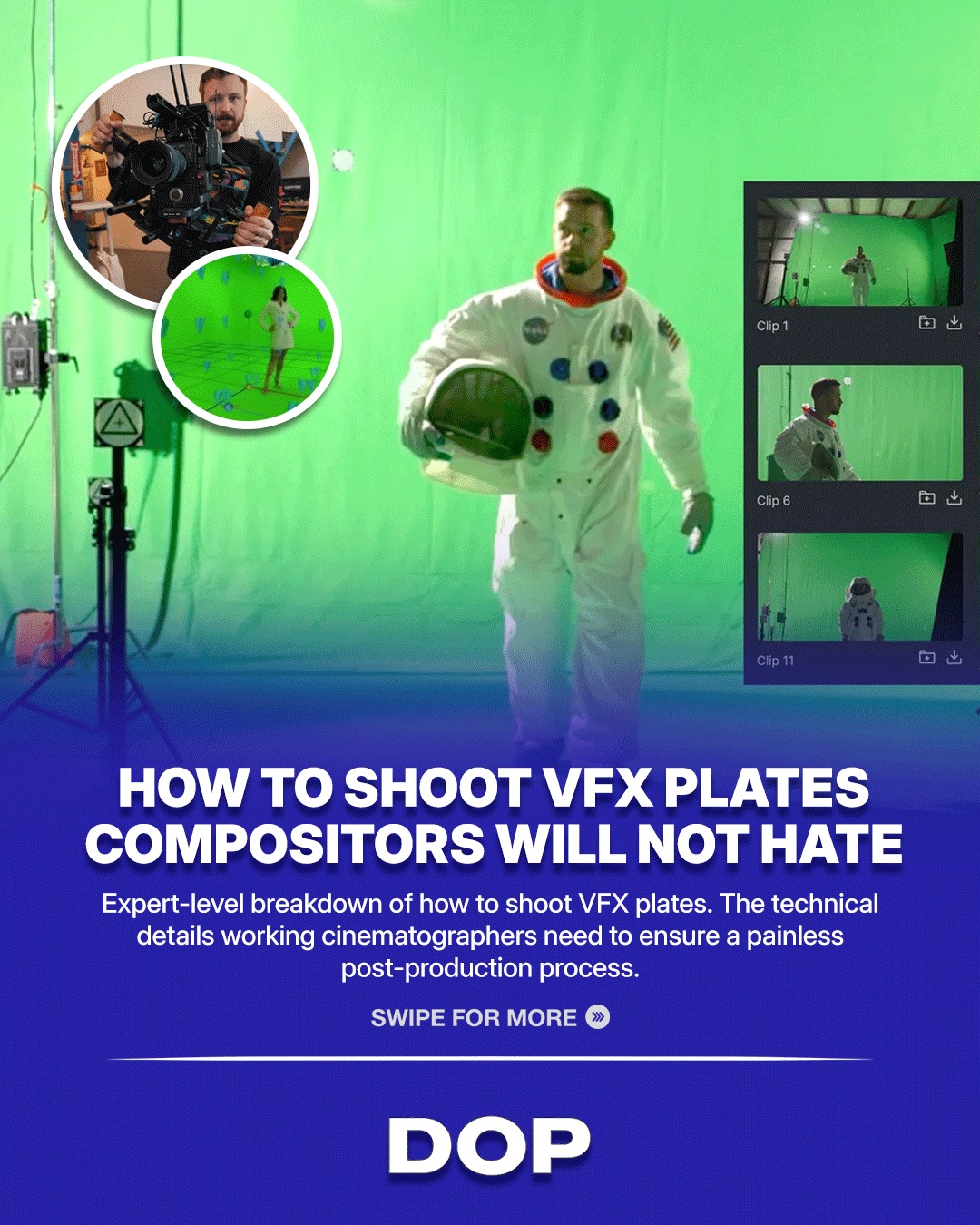
In the intricate ballet between live-action capture and digital wizardry, the cinematographer's role in delivering pristine VFX plates is paramount. It’s a discipline that demands not just technical acumen but a profound understanding of the post-production pipeline. Every decision made on set, from camera choice to lighting philosophy, directly impacts the seamless integration of computer-generated elements. This isn't merely about shooting a clean image; it's about providing the digital artists with a comprehensive dataset, a visual bible that allows them to reconstruct the scene digitally with absolute fidelity.
The bedrock of effective VFX plate capture lies in maximizing image data. This translates directly to prioritizing the highest resolution and bit depth available on your chosen camera system. Think beyond the immediate needs of the edit; consider the future-proofing and the immense flexibility this data affords the compositor. A higher resolution provides more pixels for tracking, rotoscoping, and detailed texture projection, while greater bit depth ensures a smoother, more malleable dynamic range, crucial for matching the subtle nuances of CG lighting to the practical environment. The ARRI ALEXA LF or Mini LF, with their robust sensor and 12-bit ProRes 4444 XQ or 12-bit ARRIRAW capabilities, are often go-to choices for this very reason, offering a clean, film-like latitude that plays exceptionally well with CG integration.
The Uncompromised Canvas: Log Recording and Data Integrity
Perhaps the most critical directive for VFX plates is the unwavering commitment to LOG recording. Baking in a LUT, however aesthetically pleasing it might be on set, is anathema to the VFX workflow. A baked-in LUT irrevocably alters the raw sensor data, compressing dynamic range and color information in a way that can hinder the compositor's ability to precisely match color, contrast, and light. The goal is to deliver a flat, unadulterated image, a blank canvas that retains the maximum amount of information for the post-production team to manipulate. This allows the VFX artists to apply their own color space transformations and grading, ensuring that the CG elements sit perfectly within the final graded image, rather than being forced into a pre-determined look.
“Every decision made on set, from camera choice to lighting philosophy, directly impacts the seamless integration of computer-generated elements.”
Beyond the image itself, the physical setup on set is equally crucial. A locked camera position is non-negotiable for most VFX plates, particularly those involving complex set extensions or character integration. Any camera movement, however slight, introduces tracking challenges that can escalate post-production costs and complexity. When movement is required, precise motion control data becomes essential. Furthermore, the inclusion of gray and chrome ball references at every single setup is not merely a suggestion; it's a fundamental requirement. These unassuming spheres provide invaluable HDRI (High Dynamic Range Image) lighting data, allowing the compositor to accurately recreate the environmental lighting conditions of the scene. The chrome ball reflects the entire environment, providing a visual map of light sources and their intensity, while the gray ball serves as a neutral reference for color and exposure, enabling precise white balance and exposure matching for CG elements.
The Information Overload: Details That Make the Difference
The cinematographer's responsibility extends beyond just the image data; it encompasses a meticulous record of the technical parameters that define the shot. The compositor needs to know the exact lens used, its T-stop, the focal length, and the precise camera height for every plate. This metadata is not trivial; it's essential for accurately modeling the virtual camera within the 3D environment, ensuring that CG objects have the correct perspective, scale, and optical characteristics. A slight discrepancy in focal length or camera height can lead to noticeable parallax errors or a jarring disconnect between live-action and digital elements.
When it comes to reference material, the mantra should always be: shoot more than you think you need. This includes clean plates without actors or practical effects, witness camera footage from multiple angles, and extensive still photography of the set, props, and lighting setups. Every piece of reference material, no matter how small, can serve as a vital clue for the VFX team when they encounter a challenge. This proactive approach not only streamlines the post-production workflow but also fosters a collaborative environment where the cinematographer is seen as an indispensable partner in achieving the director's vision. By understanding and meticulously adhering to these principles, cinematographers elevate their craft, ensuring that the magic of visual effects truly feels like an organic extension of the captured reality.
This article contains affiliate links. We may earn a small commission at no extra cost to you. Learn more.