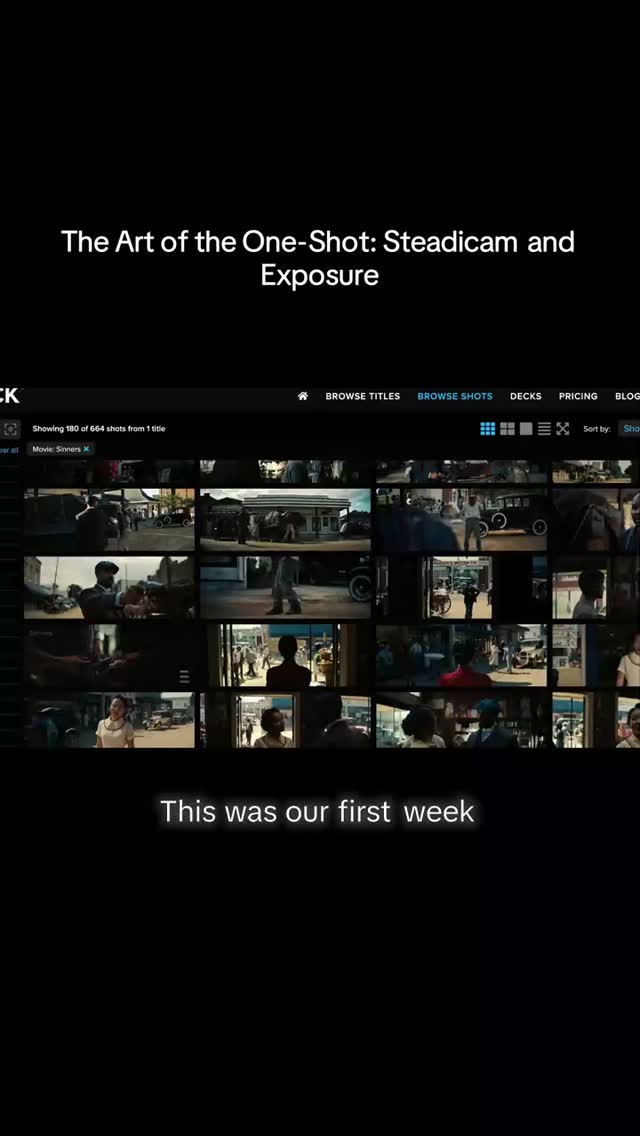
Few things in modern cinema capture the visceral texture of narrative world-building quite like a meticulously constructed period set. When art departments rebuild entire historical towns from the ground up, the visual real estate is breathtaking. Yet for the Director of Photography, these sprawling environments represent a high-stakes puzzle of light, contrast, and physical movement, especially when the director calls for a continuous, unbroken Steadicam long take.
Executing a single-shot sequence that transitions seamlessly across multiple locations on a period backlot demands far more than steady footsteps and smooth gimbal work. It requires a deep technical understanding of sensor latitude, real-time exposure manipulation, and the courage to make aggressive creative choices on set.
Balancing the Dynamic Range Spectrum
The primary hurdle in an interior-to-exterior long take is the immense variance in foot-candles. Moving from a dimly lit, tungsten- or candle-infused period interior out into bright, direct sunlight can easily present a contrast ratio of twelve stops or more. Even with modern digital sensors like the ARRI Alexa 35 offering unprecedented dynamic range, pushing light levels into a single, static exposure index is impossible without clipping highlights or muddying shadow detail.
To solve this, DPs often employ a disciplined philosophy: intentionally underexposing the foreground and interior elements. By allowing shadow areas to sit two or three stops below key, the cinematographer preserves critical highlight detail in the exterior background, ensuring that natural textures like sunlit cobblestone, aged wood, and historic wardrobe retain their fidelity.
In a period setting, a blown-out exterior window or crushed, noisy shadow doesn't just represent a technical flaw, it instantly shatters the historical illusion for the audience.
Dynamic Iris Pulls and Wireless Engineering
Managing this transition requires precise live adjustment. Enter the wireless lens control system. During a continuous shot, a 1st AC or DIT must execute seamless iris pulls using systems like the Preston FI+Z or ARRI Hi-5, riding the aperture as the Steadicam operator traverses bright doorways and shadowed corridors. Shifting the lens from an T2.0 inside to an T8 or T11 outdoors in a single fluid motion preserves detail without making the exposure shift visible to the audience.
However, unexpected lighting conditions on set frequently force last-minute ingenuity. When space limitations or complex rig clearance prevent standard motor placements, camera crews must improvise custom gearing and offset brackets. Rigging secondary motors or utilizing custom DMX-controlled LED ambient fills to smooth out exposure drops keeps the camera rig balanced without disturbing the operator’s physical center of gravity.
The Synthesis of Craft and Movement
Ultimately, a successful sequence shot relies on absolute harmony between the camera operator, focus puller, gaffer, and key grip. Every step of the Steadicam rig must be mirrored by subtle adjustments on the lighting console and precision wireless lens control, all operating invisibly beneath the performance of the actors.
When these elements align, the result transcends technical prowess. The technical machinery fades into the background, leaving the viewer entirely immersed in the atmosphere of a bygone era, a testament to the unseen artistry that defines high-level visual storytelling.
This article contains affiliate links. We may earn a small commission at no extra cost to you. Learn more.