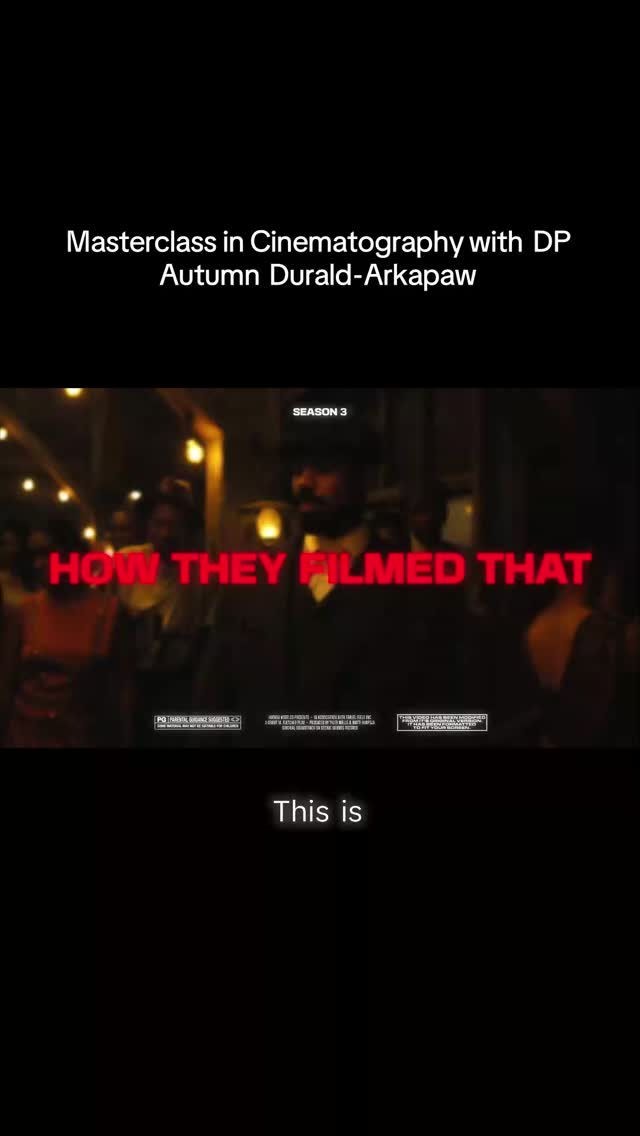
When Autumn Durald Arkapaw ASC stepped onto the set of a modern tentpole blockbuster, her challenge was not merely scaling up the visual spectacle; it was preserving the intimate, visceral human texture that defined her earlier filmography. Transitioning from indie projects like Palo Alto and Teen Spirit to massive cinematic universes, Durald Arkapaw has continually redefined how physical scale and emotional intimacy coexist on screen. Becoming a true pioneer in utilizing large-format 65mm and IMAX-certified camera systems, she demonstrated that massive sensor real estate doesn't require cold, clinical precision, it demands an even deeper commitment to atmosphere, optical character, and organic lighting craft.
Her visual path didn't begin with digital behemoths. Rooted in a reverence for 16mm film grain and tactile optical flaws, Durald Arkapaw initially approached image-making through the lens of physical emulsion and direct, unvarnished natural light. Translating that sensibility into the world of IMAX capture required a deliberate evolution in her methodology. Rather than allowing the hyper-clean resolution of modern sensors to dictate the visual tone, she used large-format capture to pull the audience directly into the physical space, turning vast spatial depth into an emotional narrative tool.
Large-Format Texture and Optical Character
Capturing for an IMAX presentation requires a meticulous pairing of digital sensor technology and bespoke optical glass. To soften the clinical edge of high-resolution digital sensors like the Sony Venice, Durald Arkapaw frequently leans on custom-tuned optics, such as Panavision Ultra Vista anamorphic lenses and vintage spherical elements. These optics introduce controlled chromatic aberrations, gentle edge falloff, and lush flare characteristics that humanize the massive canvas. The result is an image that feels expansive yet distinctly painted by hand, combining 65mm depth of field with the expressive, imperfect characteristics of classic cinema glass.
Furthermore, large-format sensors offer an unprecedented control over field of view and depth separation. By stepping back physically and utilizing longer focal lengths, she maintains tight character isolation against expansive backgrounds. This technique prevents large-format frames from feeling overwhelming or cluttered, guiding the viewer's eye directly to subtle performer nuances even on a multi-story screen.
The Philosophy of Lighting with Available Atmosphere
Perhaps the most compelling aspect of Durald Arkapaw’s approach is her unflinching commitment to naturalism, even when working under the immense pressures of studio budgets. In scenes that lesser cinematographers might flood with massive HMI setups or complex LED arrays, she frequently relies on subtractive lighting techniques and the raw strength of ambient sunlight. By shaping available light using massive negative fill, large diffusion frames, and precise scheduling around natural golden hours, she sculpts dramatic scenes with remarkable restraint.
"Real cinematic weight comes from trusting the dark spaces in the frame. When you let natural light fall off organically onto skin, the scale takes care of itself."
Operating with little to no artificial lighting units on large exterior sets requires immaculate exposure management and sensor control. Leveraging the dual-native ISO capabilities of modern large-format cameras, she exposes specifically for rich shadow detail without blowing out daylight highlights. Skin tones remain soft, supple, and realistic, bathed in reflected ambient skylight rather than hard directional source points. This organic philosophy strips away the artificial polish of typical blockbusters, substituting it with grounded visual realism.
Color science plays an equally critical role in finalizing her signature look. Working closely with her colorist to develop custom Look Up Tables (LUTs) long before principal photography begins, Durald Arkapaw bakes in rich contrast curves, filmic highlight rolloff, and nuanced color palettes directly into monitor feeds. This ensures that every department on set is reacting to a cohesive image, reinforcing lighting decisions that honor natural textures over digital sharpness.
Ultimately, Autumn Durald Arkapaw's historic achievements in large-format cinematography represent a vital shift in modern filmmaking. She proves that high-format tools like 65mm IMAX are not reserved solely for bombastic visual effects sequences, but are deeply expressive instruments for human emotion. Her masterclass in optical choice, subtractive lighting, and naturalism serves as a essential blueprint for the modern director of photography.
This article contains affiliate links. We may earn a small commission at no extra cost to you. Learn more.