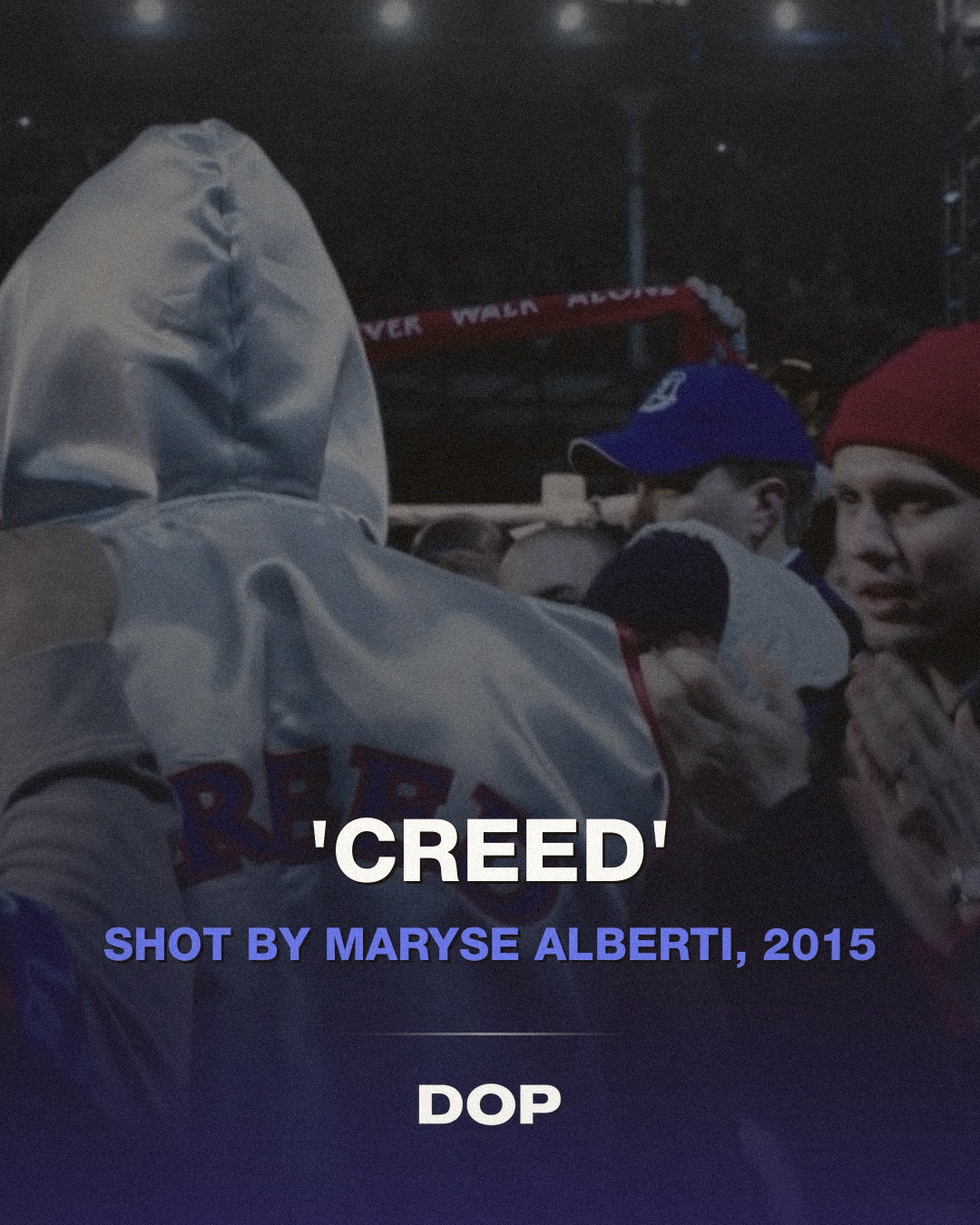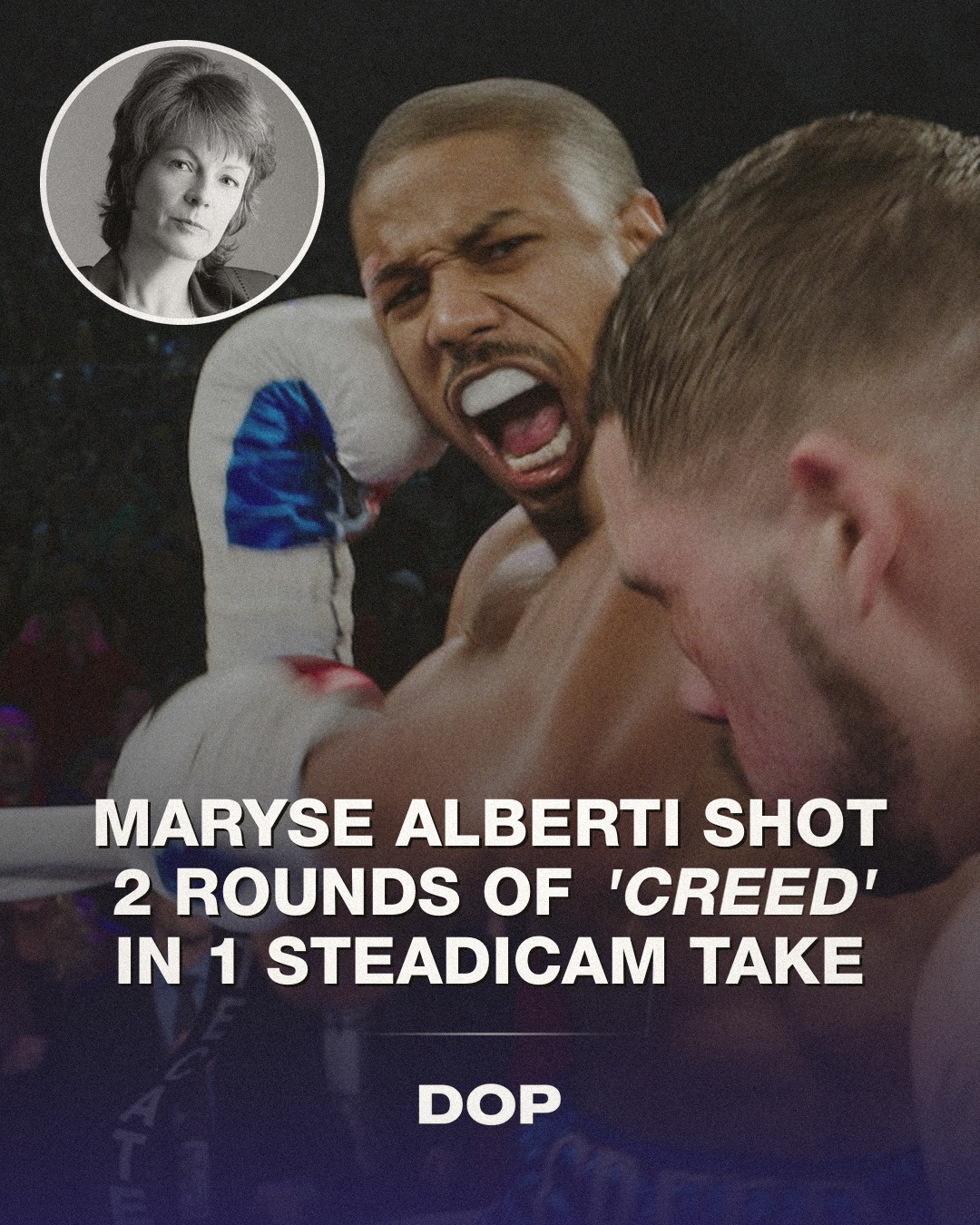
In the pantheon of iconic boxing film sequences, the first professional fight in Ryan Coogler’s 2015 knockout, Creed, stands as a singular achievement. More than just a visceral portrayal of Adonis Johnson's ring debut, this two-round, single-take marvel, orchestrated by the visionary cinematographer Maryse Alberti, redefined what was possible within the confines of the squared circle. It wasn't merely a technical flex; it was a profound narrative statement, a meticulously choreographed ballet of violence and vulnerability that immersed audiences directly into the heart of the fight.
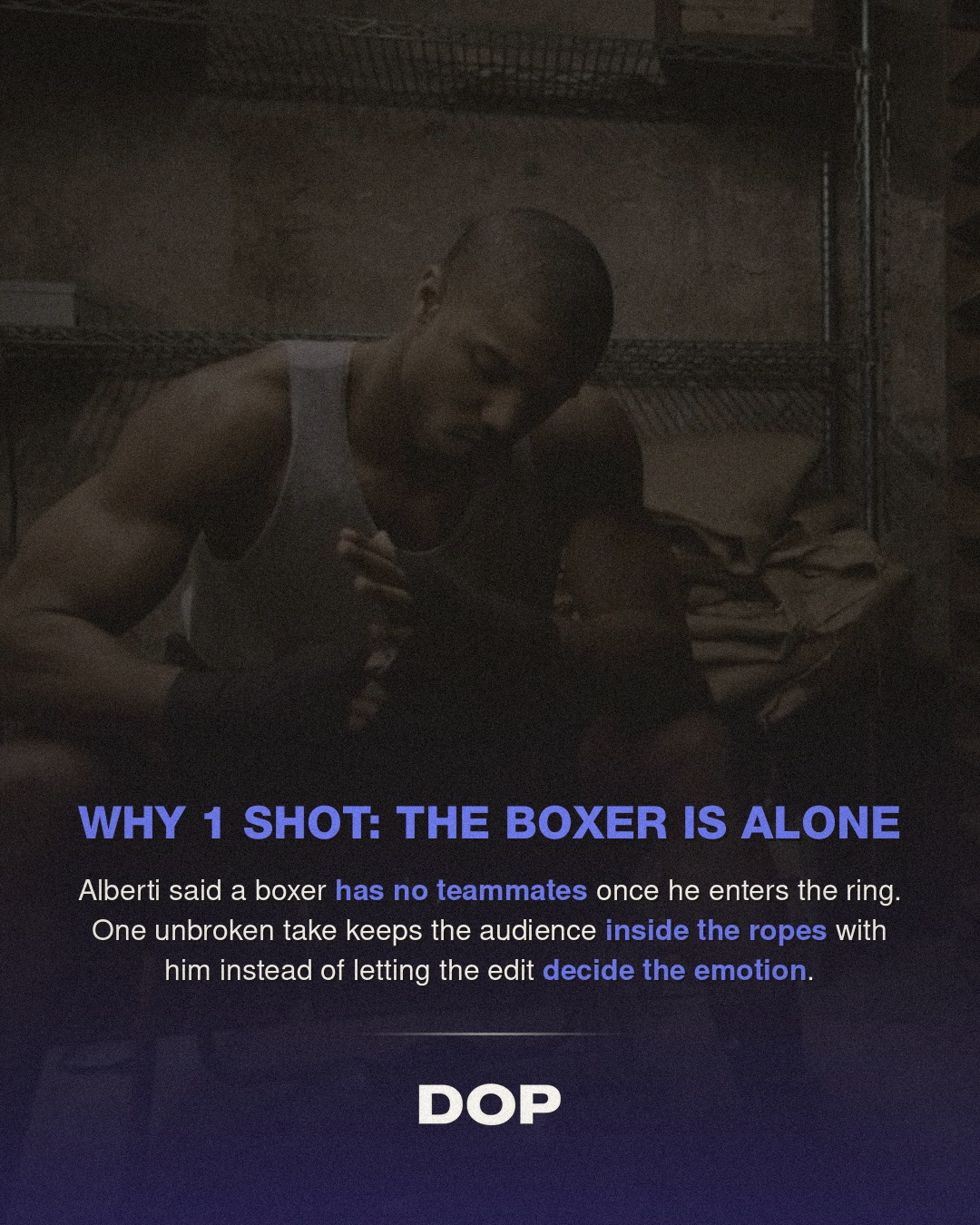
Alberti’s approach to this pivotal scene was rooted in a deep understanding of the sport's psychology. Her rationale for the single-shot mandate was elegantly simple yet profoundly impactful: a boxer, once through the ropes, stands utterly alone. This philosophy dictated every creative and technical decision, stripping away the conventional editing safety net and forcing both cast and crew into an extraordinary commitment. The result is an unbroken gaze into Adonis's struggle, the raw exhaustion, the fleeting moments of triumph, and the brutal reality of combat.
The Technical Knockout: Cameras, Lenses, and Lighting
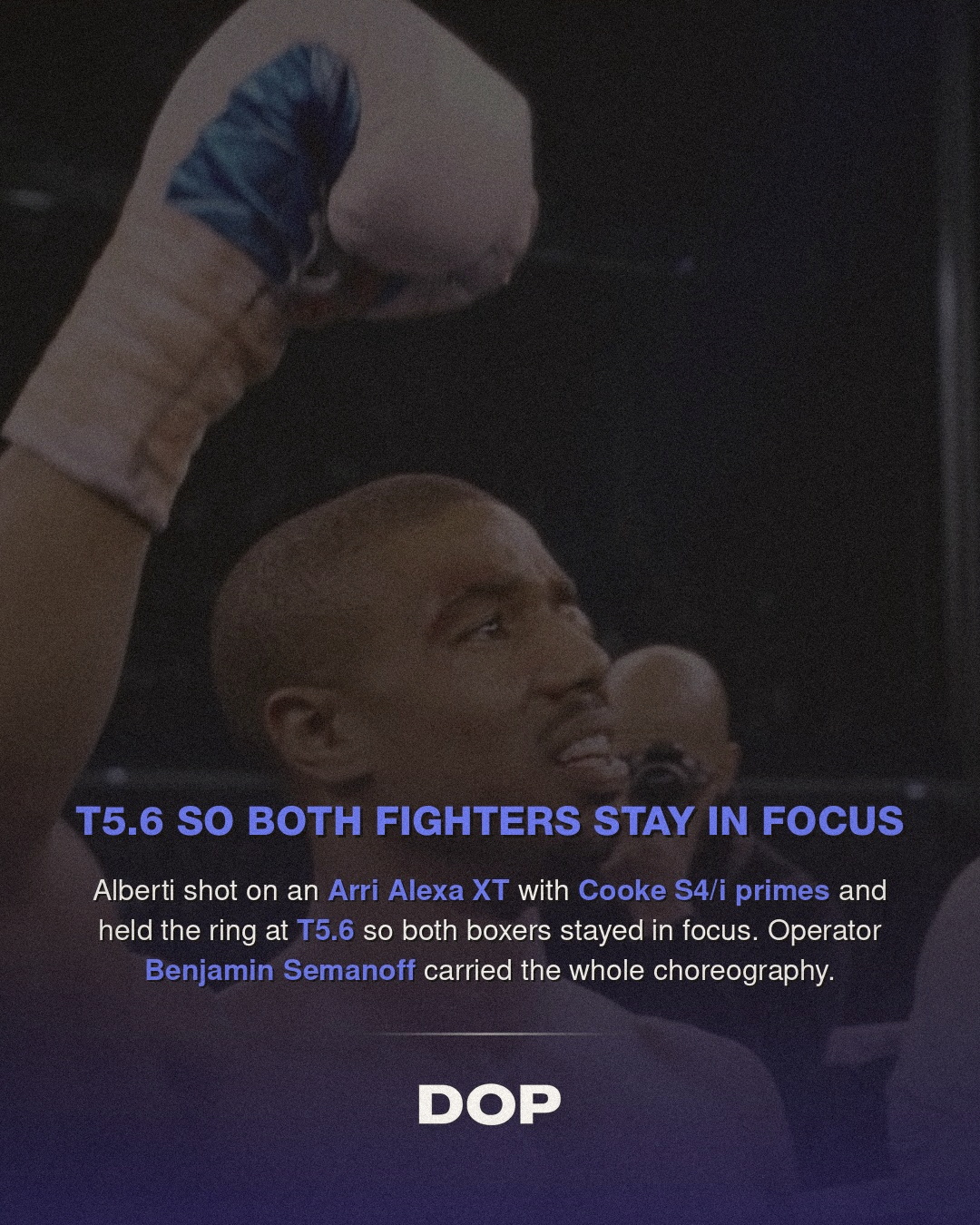
The technical execution behind this seamless sequence is nothing short of breathtaking. Alberti chose the ARRI Alexa XT as her primary capture device, a camera body renowned for its organic image quality, robust dynamic range, and exceptional low-light performance, crucial for the often dimly lit, high-contrast environments of boxing arenas. Paired with Cooke S4/i prime lenses, the Alexa XT delivered a beautifully rendered image, characterized by Cooke's signature warm, creamy fall-off and natural skin tones, which lent an almost classical realism to the gritty fight.
The critical challenge of maintaining focus on two rapidly moving targets within a tightly framed, dynamic environment was met with a bold decision: holding the ring at T5.6. This deeper depth of field, while demanding more light, ensured both fighters remained tack sharp throughout the extended take, a testament to Alberti's precision and planning. Powering this illumination was an ingenious lighting rig: a massive truss of 120 Par cans suspended above the ring. This setup provided the necessary punch and directionality, carving out the fighters from the surrounding darkness and emphasizing the arena's theatricality without sacrificing realism.
"Her reason for one take: a boxer has no teammates once he steps through the ropes. This philosophy dictated every creative and technical decision, stripping away the conventional editing safety net."
The Dance of the Steadicam: Precision and Endurance
The true unsung hero of this sequence, alongside Alberti, was Steadicam operator Benjamin Semanoff. For nearly four minutes, Semanoff navigated the tight confines of the ring, circling, ducking, and weaving with the fighters, seamlessly incorporating the break between rounds into the continuous shot. This wasn't merely tracking; it was an intricate dance, demanding immense physical stamina, spatial awareness, and an almost telepathic connection with the action unfolding around him. The camera became a third fighter in the ring, an omniscient observer that mirrored the audience's own breathless anticipation.
The sheer logistical complexity of this shot is staggering. The crew undertook 12 full takes, each approximately four minutes long, before securing the version that made it into the final cut. This grueling process underscores the dedication required from every department, from the fight choreographers and actors to the grips, gaffers, and camera department. It’s a powerful reminder that some of the most impactful cinematic moments are born from relentless iteration and unwavering commitment to a singular artistic vision.
Maryse Alberti's filmography is marked by an unflinching realism and a knack for capturing the raw human experience, from the documentary grit of Crumb to the stark beauty of The Wrestler. Her work on Creed is a masterclass in how technical prowess can serve profound emotional storytelling. She understands that cinematography isn't just about pretty pictures; it's about translating narrative and character psychology into visual language. The single-take fight isn't a gimmick; it's an immersive plunge into the protagonist's psyche, forcing the audience to endure the rounds alongside Adonis, feeling every blow, every moment of desperation, every surge of adrenaline.
In an era where rapid-fire editing often dictates action sequences, Alberti's choice to slow down, to hold the gaze, and to trust in the power of an unbroken shot felt revolutionary. It demands more from the audience, but it rewards them with an unparalleled sense of presence and authenticity. This sequence is a testament to the enduring power of thoughtful cinematography, proving that sometimes, the bravest choice is not to cut away, but to bear witness, unflinchingly, to the entirety of the moment.
This article contains affiliate links. We may earn a small commission at no extra cost to you. Learn more.