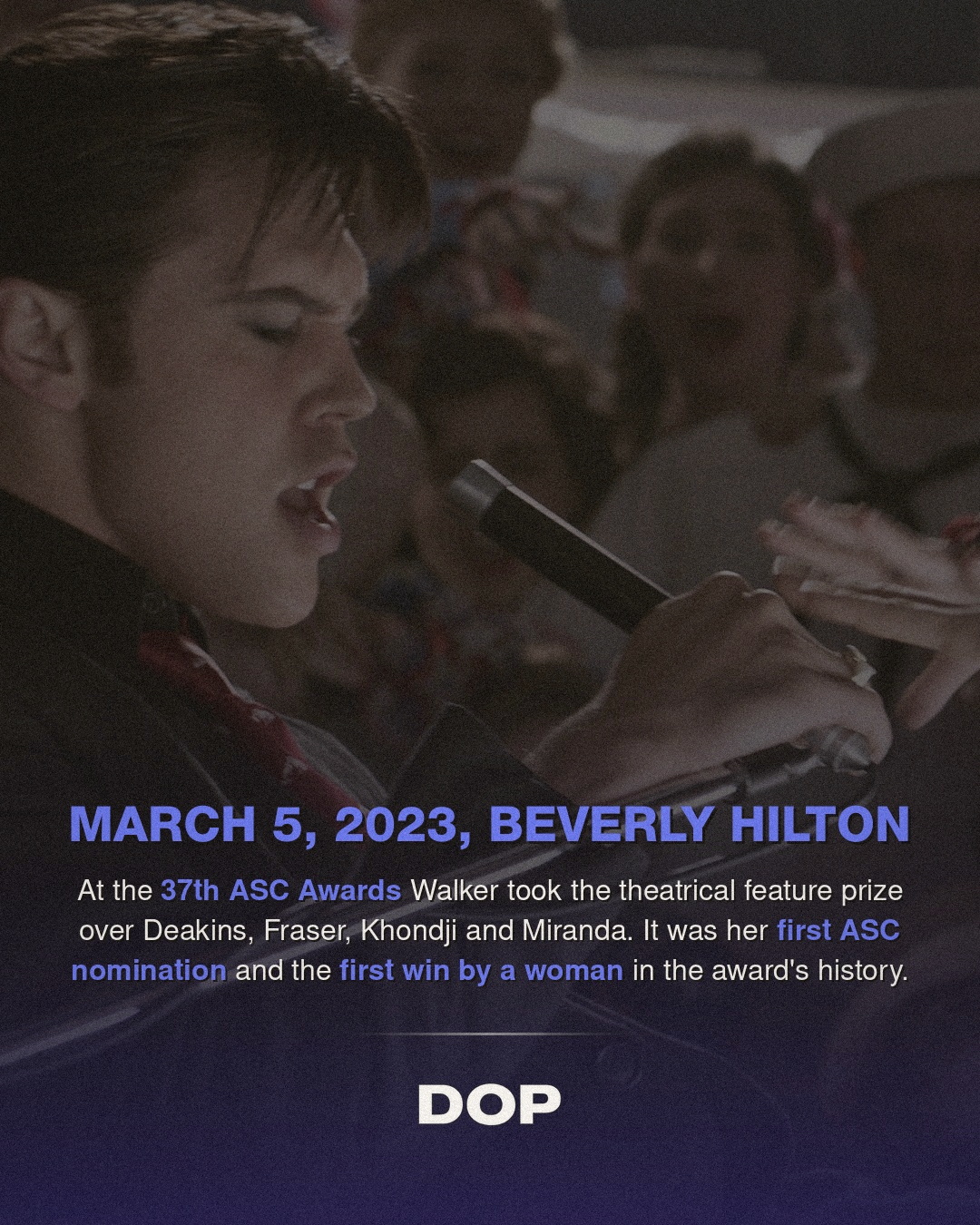
On March 5, 2023, history was made at the ASC Awards. For 37 years, the prestigious Theatrical Feature Film award had eluded women cinematographers. That night, Mandy Walker, ASC, ACS, shattered that barrier with her breathtaking work on Baz Luhrmann’s Elvis. Her victory, against a formidable field including Roger Deakins, Greig Fraser, Darius Khondji, and Florian Hoffmeister, was not merely a personal triumph but a seismic shift for the industry. As Walker herself eloquently stated, accepting the award on her first nomination, it was a win for all the women who would follow in her footsteps, validating their talent and vision on the grandest stage.
Walker's achievement with Elvis is a testament to her profound understanding of visual narrative and her fearless collaboration with a director known for maximalist aesthetics. The film is a kaleidoscopic journey through the life of Elvis Presley, and Walker’s cinematography is the guiding hand, translating emotional arcs and historical periods into distinct, immersive visual languages. This wasn't a static look; it was a living, breathing canvas that evolved with its subject, demanding an immense range of technical prowess and artistic sensibility.
Crafting Eras: The Technical Evolution of Elvis
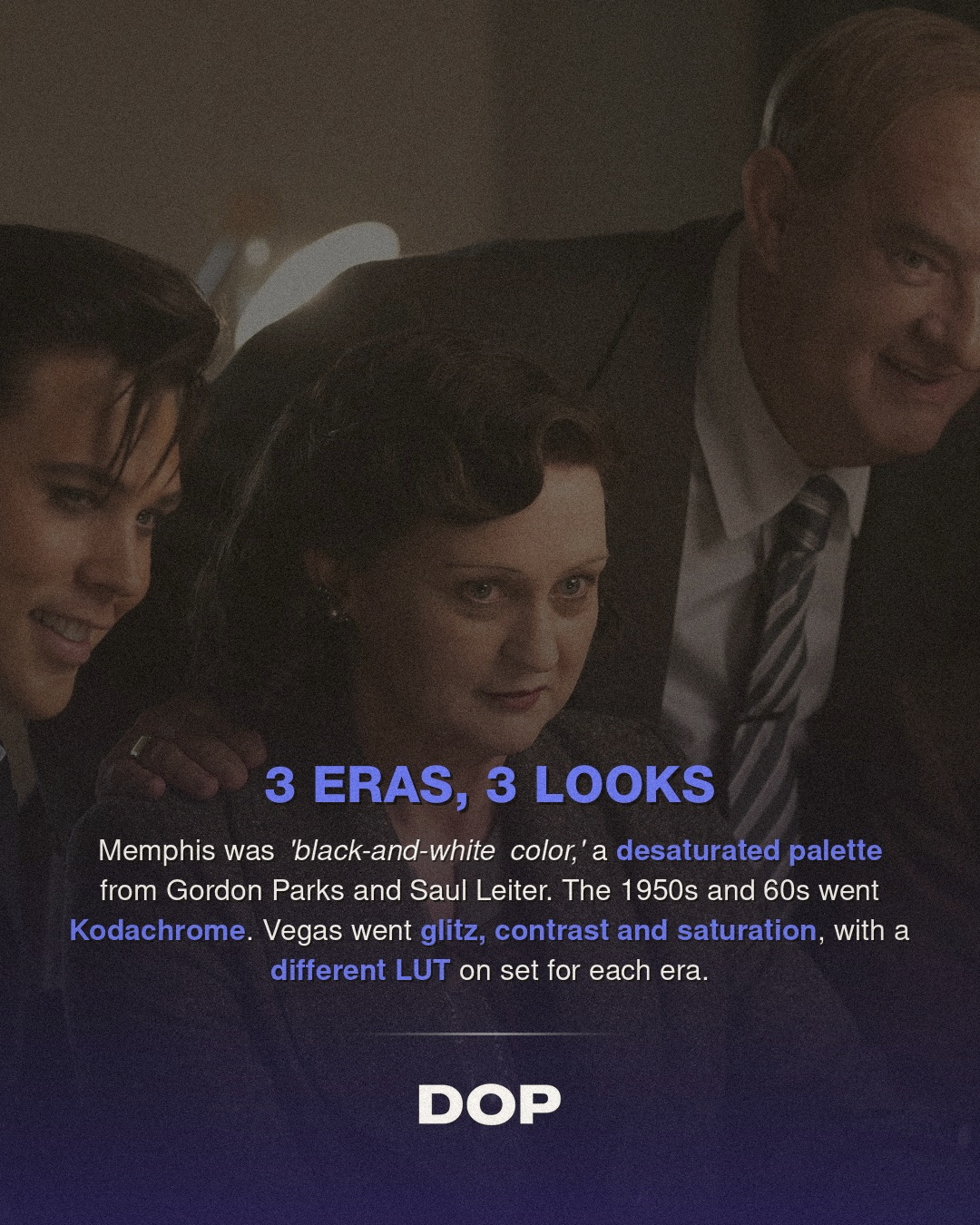
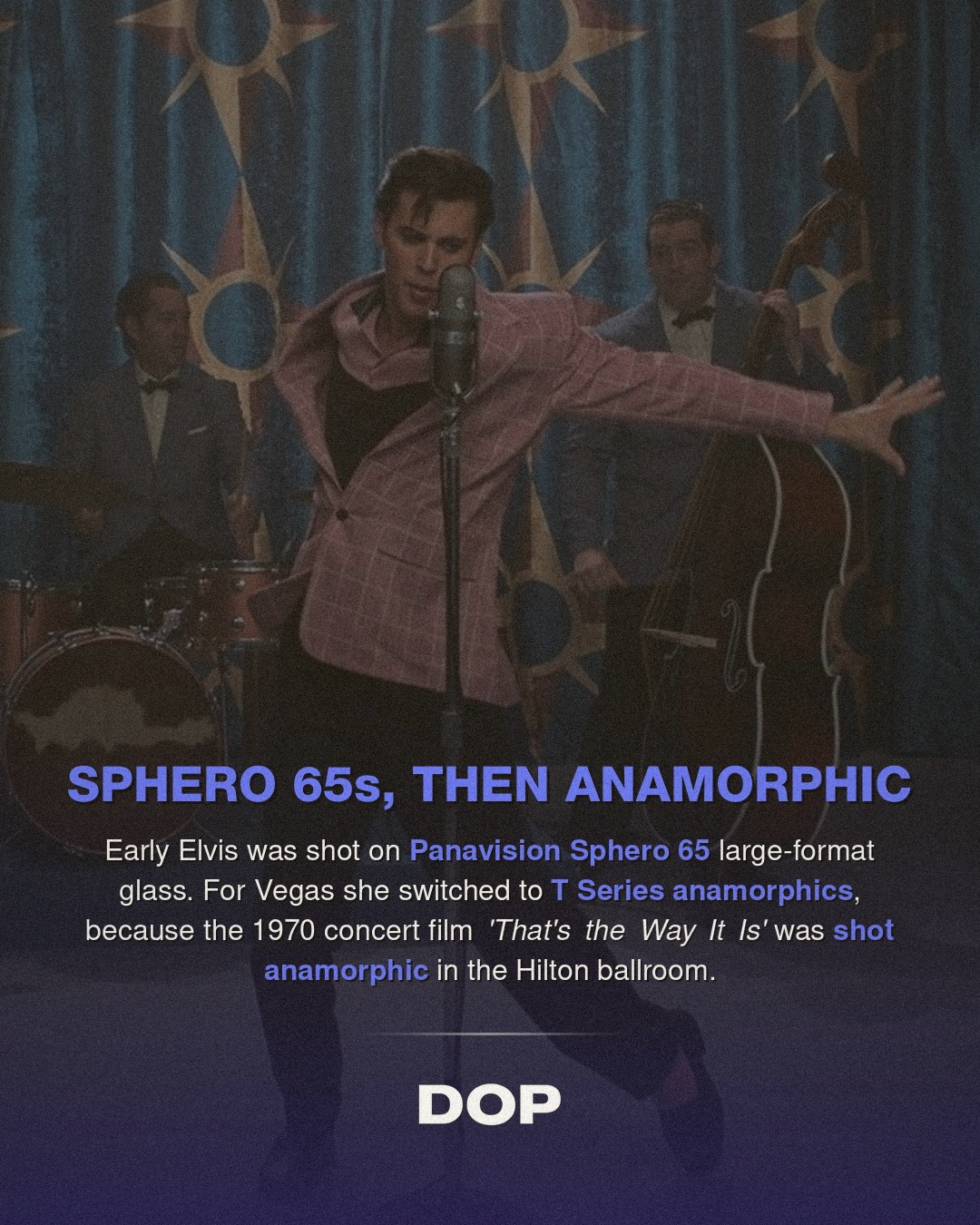
The genius of Walker’s approach lies in its deliberate segmentation of Elvis’s life into three distinct visual eras, each meticulously crafted to evoke a specific mood and time. The early Memphis years, raw and foundational, were rendered with a desaturated palette, almost monochrome in its emotional restraint, mirroring the nascent stages of Elvis’s career before the explosion of fame. This period often utilized a grittier, more documentary-like texture, hinting at the struggle and authenticity of his origins. The choice to shoot much of this on the ARRI Alexa 65, paired with the large-format Sphero 65 glass, was critical. The Sphero 65 lenses, known for their unique character and softer rendering, contributed to a slightly vintage, organic feel that perfectly complemented the historical period, offering a beautiful fall-off and a subtle, painterly quality to the images.
As Elvis ascended to stardom in the 1950s and 60s, Walker transitioned to a vibrant, almost idealized Kodachrome aesthetic. This era bursts with color and energy, reflecting the revolutionary impact of rock and roll and Elvis's magnetic stage presence. The saturated hues and heightened contrast evoke the glossy magazine covers and Technicolor dreams of the era, immersing the audience in the exhilarating rush of his early success. It's a bold, almost audacious use of color that perfectly captures Luhrmann's signature style while remaining grounded in period authenticity. The large format sensor of the Alexa 65 continued to provide a pristine, expansive canvas, allowing for intricate set designs and costume details to truly sing.
The Vegas Spectacle: Anamorphic Grandeur
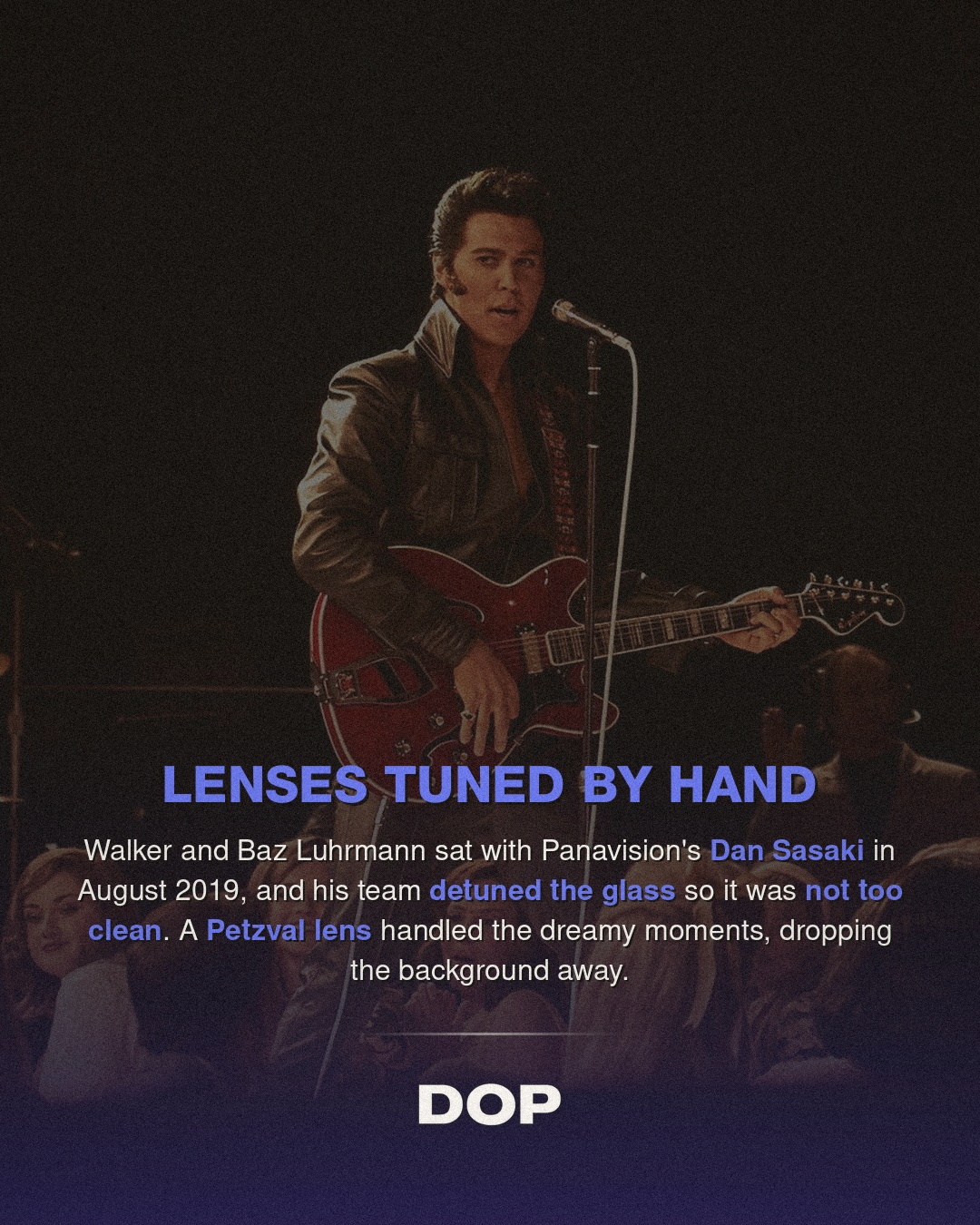
The final act, charting Elvis’s Las Vegas residency, is where Walker unleashed a torrent of saturated glitz and theatrical grandeur. This segment is visually opulent, bathed in rich, often artificial light, reflecting the spectacle and excess of the Hilton shows. To achieve this, Walker made a pivotal lens change, opting for the Panavision T Series anamorphics. This shift from spherical large format to anamorphic not only introduced the characteristic oval bokeh and horizontal flares but also provided a wider, more immersive cinematic canvas, perfectly suited for the sprawling stage performances and the grandeur of the Vegas Strip. The anamorphic squeeze inherently lends a heightened, almost surreal quality to the imagery, amplifying the theatricality and the larger-than-life persona Elvis had become. It’s a brilliant choice that visually underscores the dramatic shift in his career and personal life, moving from raw talent to manufactured icon.
“Mandy Walker's work on Elvis is a masterclass in evolving visual language. She didn't just light scenes; she painted entire epochs, using every tool in her arsenal to chart the emotional and historical journey of her subject.”
Walker’s lighting philosophy throughout the film is equally impressive. For the early, intimate moments, she often employed naturalistic, motivated sources, allowing shadows to define character and environment. As the film progresses into the performance segments, particularly in Vegas, her lighting becomes more complex and theatrical, using a myriad of practicals, moving lights, and carefully sculpted beams to create the iconic stage presence. Her collaboration with gaffers and rigging crews would have been paramount in executing these intricate setups, often requiring dynamic changes to reflect the energy of the performances. The interplay of light and shadow, the careful control of color temperature, and the strategic use of diffusion all contribute to the film’s rich, tactile visual experience.
Beyond Elvis, Mandy Walker’s filmography showcases a remarkable versatility and a consistent dedication to visual storytelling. From the gritty realism of Australia (also with Luhrmann) to the period charm of Jane Eyre, she has demonstrated an ability to adapt her craft to vastly different genres and directorial visions. Her work is characterized by a keen eye for composition, a sensitivity to color, and an innate understanding of how light can shape emotion and narrative. Her career, spanning decades, has quietly built a reputation for excellence, culminating in this historic and richly deserved ASC award.
Mandy Walker's triumph for Elvis is more than just an award; it's a powerful statement about the evolving landscape of cinematography and the undeniable talent of female practitioners. Her meticulous craft, her bold choices in lens and lighting, and her ability to seamlessly weave a complex visual tapestry across distinct historical periods make Elvis a benchmark in modern cinematography. It serves as an inspiration, not just for aspiring female DPs, but for anyone who believes in the transformative power of the moving image. Her victory is a reminder that vision, skill, and an unwavering commitment to the story will always shine brightest.