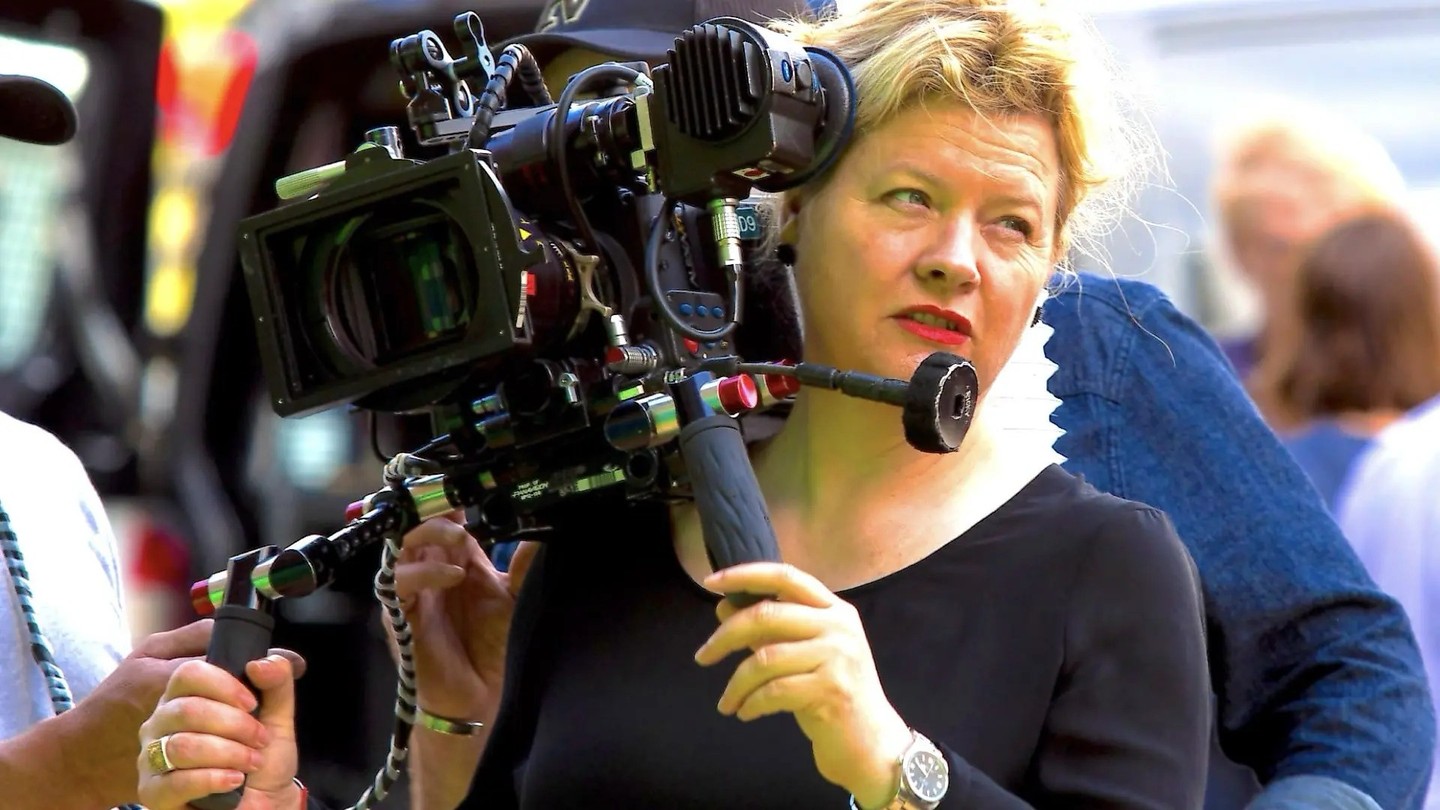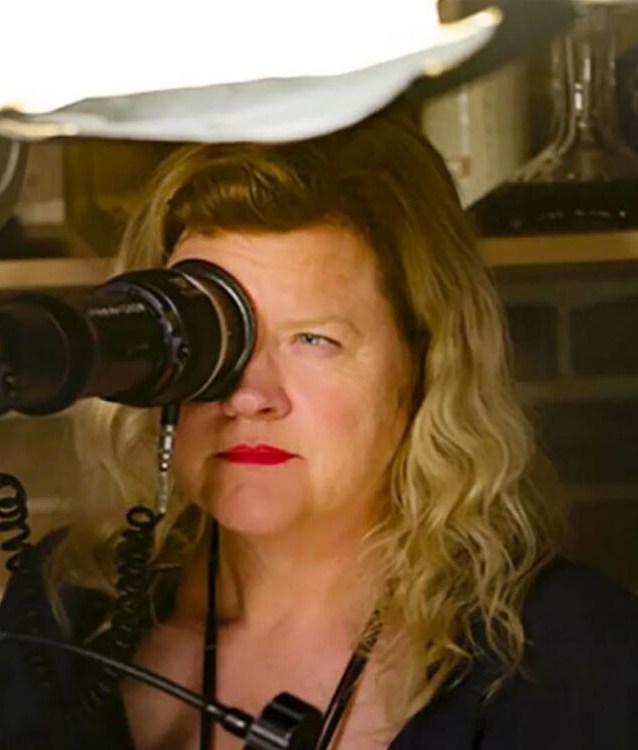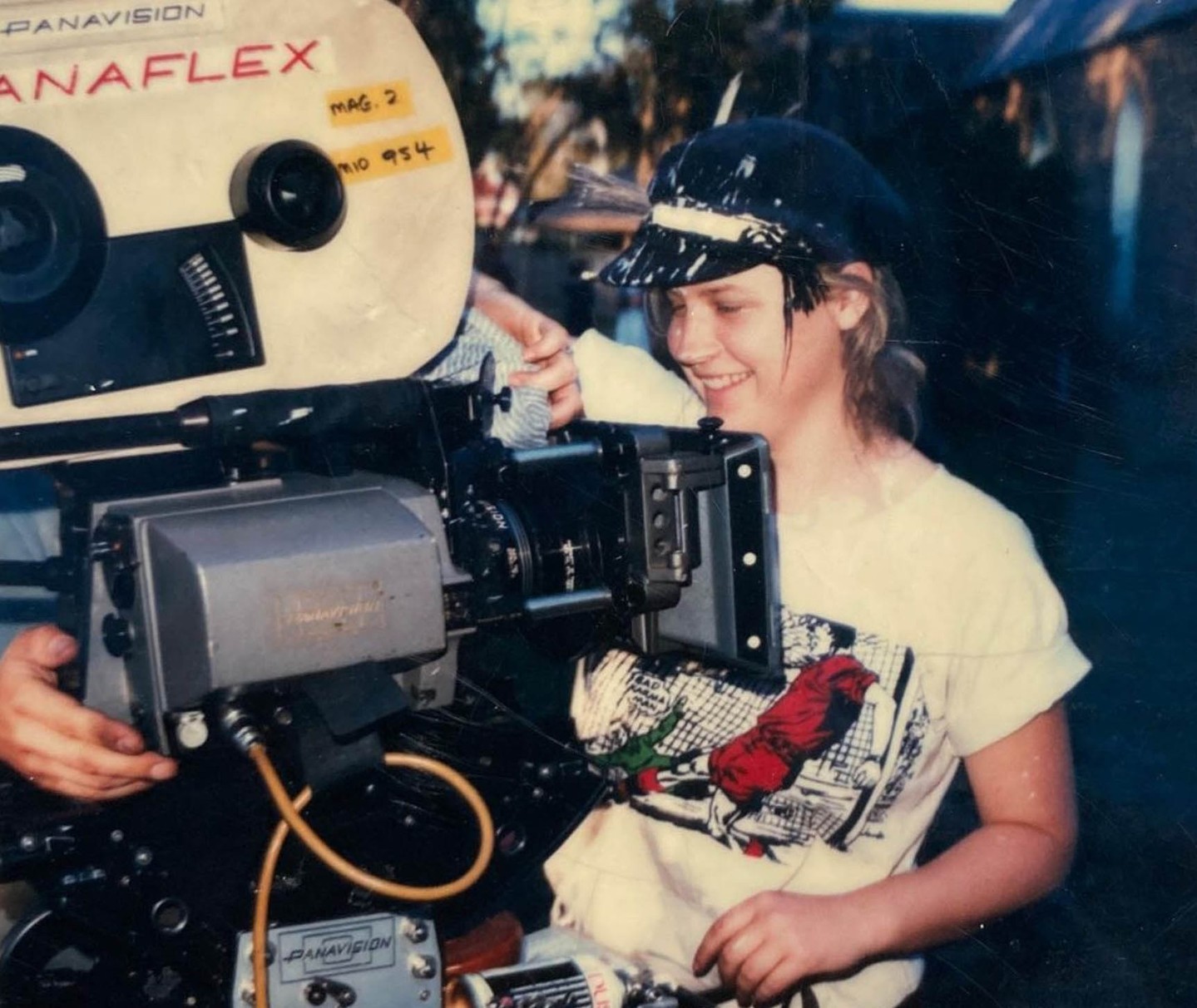
When Mandy Walker, ASC, ACS, stepped onto the stage to accept the American Society of Cinematographers Award for Outstanding Achievement in Cinematography in a Theatrical Release for Baz Luhrmann's Elvis in 2022, it was more than just another accolade in a storied career. It was a seismic event, marking the first time in the organization's over century-long history that a woman had claimed the top prize in this prestigious category. This wasn't merely a symbolic gesture; it was a formal, undeniable recognition from her peers that Walker stands at the absolute pinnacle of her craft, orchestrating visual narratives on the grandest possible scale.
Walker's journey to this landmark achievement is paved with a diverse and visually ambitious filmography. Her collaborations with Baz Luhrmann, a director known for maximalist aesthetics and audacious visual language, are particularly instructive. Prior to Elvis, she had already navigated the expansive, sun-drenched canvases of Australia (2008), a film that demanded a delicate balance between epic scope and intimate character moments. That project, like many in her career, involved extensive location work, often in challenging environments, and meticulous studio setups. The sheer logistical complexity and the consistent visual quality she delivered on such productions underscore a mastery of both the technical and artistic demands of large-scale filmmaking.
The Visual Symphony of Elvis
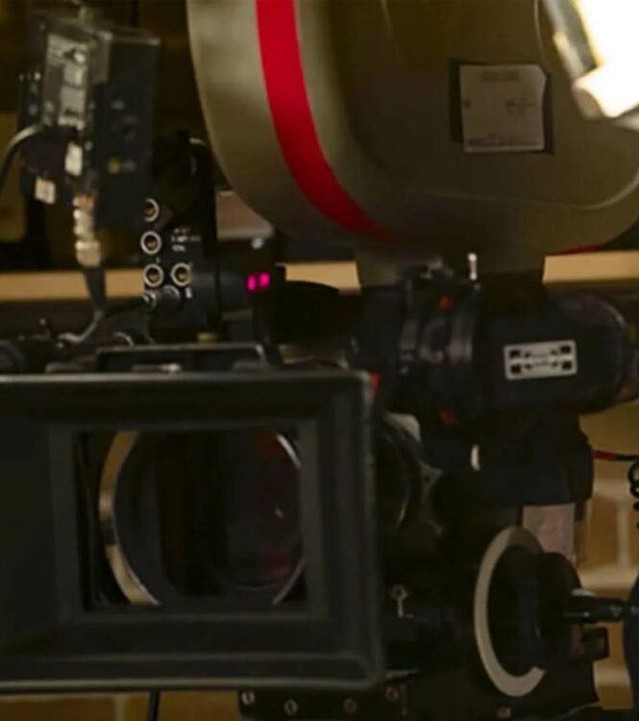
Elvis, however, presented a unique set of challenges and opportunities. Luhrmann's signature kinetic style, coupled with a narrative spanning decades, required a visual approach that was both period-accurate and explosively contemporary. Walker, working with the ARRI Alexa 65 and a suite of Panavision C-Series and T-Series anamorphic lenses, crafted a visual tapestry that was as flamboyant and dynamic as its subject. The choice of the Alexa 65, with its massive sensor and incredible dynamic range, allowed for breathtaking detail and a rich, filmic quality, even in the most elaborate, multi-layered compositions. The anamorphic glass, with its distinctive flares and oval bokeh, imbued the film with a classic Hollywood glamour while simultaneously lending a raw, immersive quality to the performance sequences.
"Walker's use of color and light in Elvis was not merely decorative; it was a narrative engine, shifting from the desaturated grittiness of early Memphis to the hyper-saturated spectacle of Las Vegas, each phase meticulously crafted to reflect Elvis's evolving persona and the cultural zeitgeist."
Her lighting philosophy on Elvis was particularly noteworthy. Rather than relying solely on traditional hard theatrical lighting for the performance scenes, Walker often integrated practicals and cleverly concealed sources to create a sense of authenticity and spontaneity, even within highly choreographed sequences. This approach brought a tactile, almost documentary-like feel to the stage performances, allowing audiences to feel the energy of the crowd and the sweat of the performer. The film's vibrant color palette, meticulously managed through pre-production tests and on-set grading, further amplified the emotional arc, from the desaturated grit of Elvis's humble beginnings to the dazzling, yet ultimately isolating, spectacle of his Vegas residency.
Breaking Barriers, Defining Excellence
Beyond the technical prowess, Walker's win carries profound significance for the industry. The ASC, founded in 1919, has historically been a bastion of the craft, its membership representing the highest echelon of cinematographic achievement. Gaining entry is notoriously difficult, requiring a rigorous application process, sponsorship from existing members, and a peer review vote. For decades, this esteemed organization, like many aspects of the film industry, was predominantly male. Walker's ASC Award is not just a personal triumph; it is a powerful affirmation from her peers that talent, vision, and relentless dedication transcend gender.
Her career, which also includes significant studio projects like Disney's live-action Mulan (2020) – another visually ambitious production demanding extensive global logistics and sophisticated visual effects integration – demonstrates a consistent ability to operate at the highest level of studio filmmaking. These are not small, independent features; these are tentpole productions where the stakes are astronomical, and the visual demands are immense. Walker's consistent delivery of breathtaking, narratively resonant imagery on such projects has unequivocally earned her place among the pantheon of great cinematographers.
Mandy Walker's ASC win is a watershed moment, not just for women in cinematography, but for the entire craft. It underscores a crucial truth: that excellence in visual storytelling is a universal pursuit, and that the gates of even the most venerable institutions are opening to recognize the extraordinary talent that has always existed, now finally receiving its rightful, long-overdue recognition. Her achievement is a beacon, inspiring a new generation of DPs to pursue their vision without limitation, knowing that the highest honors await those who master the art and science of light and shadow.