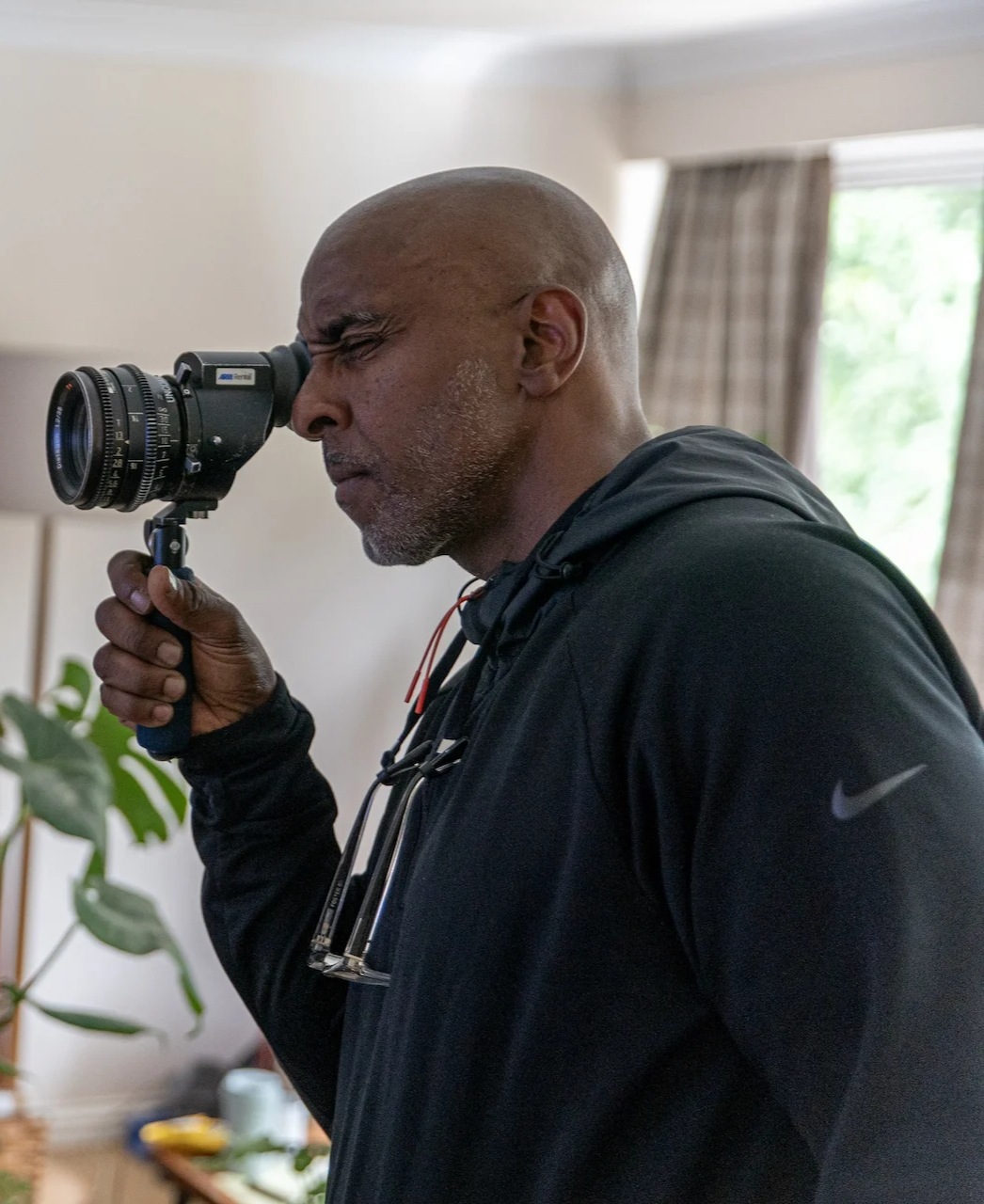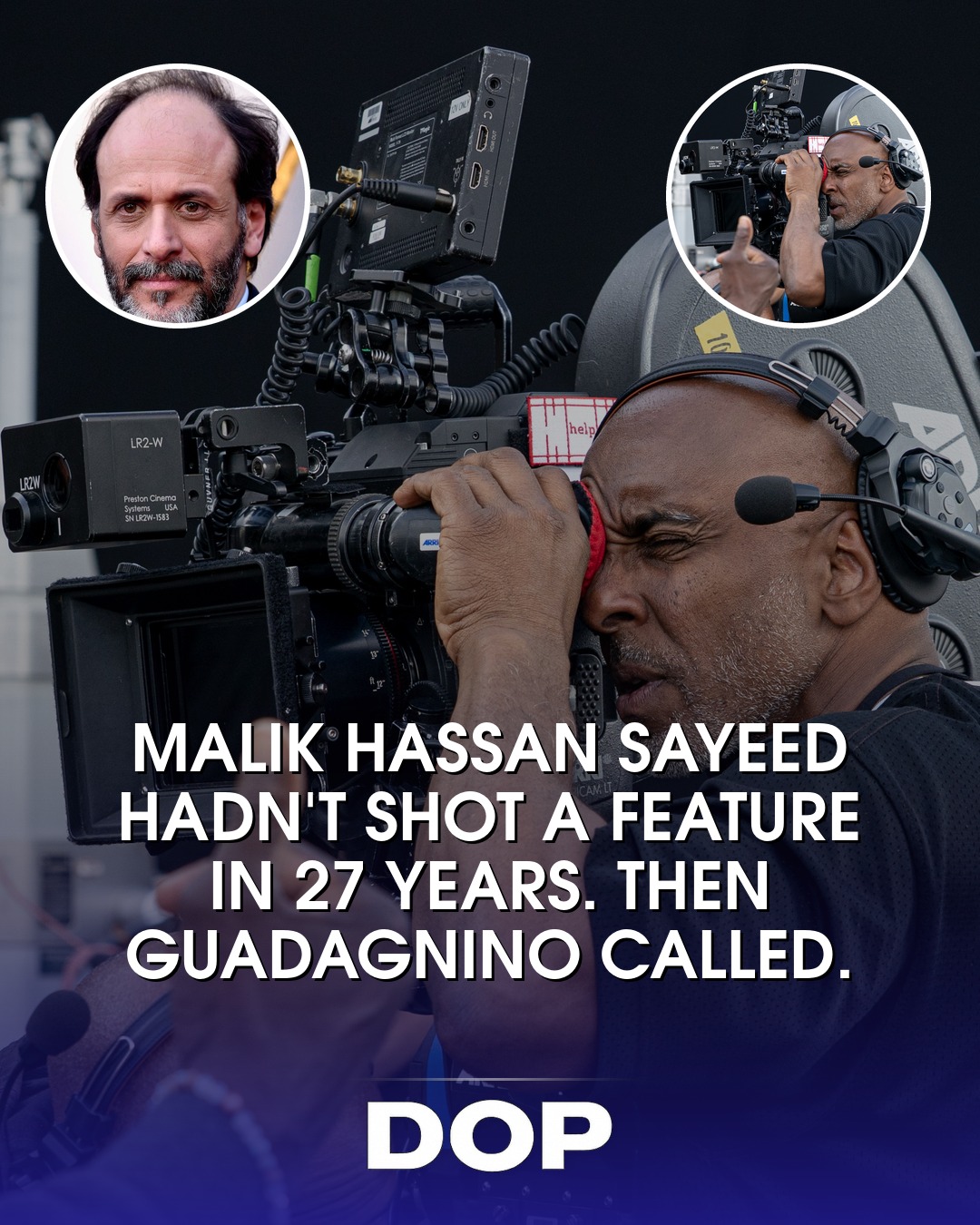
The news that Malik Hassan Sayeed is lensing Luca Guadagnino’s After the Hunt, captured on 35mm Kodak film stock, sent a ripple of excitement through the cinematography community. For those who track the evolution of visual storytelling, Sayeed’s name evokes a very specific kind of cinematic poetry—gritty yet beautiful, raw yet meticulously composed. His official debut as a feature cinematographer on Spike Lee’s 1995 urban epic Clockers declared the arrival of a distinctive voice. But it was his work on Hype Williams’ 1998 cult classic Belly that truly cemented his place as a visionary, crafting a neon-drenched, hyper-stylized world that remains iconic to this day. To realize that nearly three decades have passed between Belly and After the Hunt is to grasp the sheer significance of this moment.
This isn't to say Sayeed disappeared. Far from it. While the narrative feature world awaited his return, Sayeed was busy defining the visual lexicon of an entire era through commercials and, most notably, music videos. His collaboration on Beyoncé's Lemonade, for instance, wasn't just a collection of music videos; it was a sprawling, visually ambitious film that pushed boundaries of form and content. He didn't just shoot; he co-directed, crafting indelible images that resonated globally. This period was a crucible, refining his eye, experimenting with new technologies, and deepening his understanding of light, color, and movement, all outside the often rigid confines of traditional feature film production.
The Enduring Allure of Film and Guadagnino's Vision
The choice to shoot After the Hunt on 35mm Kodak film stock is, in itself, a statement. In an industry increasingly dominated by digital workflows, the decision to embrace celluloid speaks volumes about Sayeed's commitment to a specific aesthetic and the tactile quality of the image. Film offers a unique grain structure, a subtle color rendition, and a dynamic range that digital, for all its advancements, still struggles to perfectly replicate. For a director like Luca Guadagnino, known for his sensuous and immersive storytelling—think the sun-drenched textures of Call Me By Your Name or the unsettling beauty of Suspiria—Sayeed's mastery of film will undoubtedly elevate the emotional landscape of After the Hunt.
“Sayeed’s return on 35mm, for a director like Guadagnino, isn't just a comeback; it's a profound statement on the enduring power of craft and the cumulative wisdom of an artist's journey.”
Guadagnino's films often explore themes of desire, identity, and the intricate dance of human relationships, demanding a cinematographer who can translate internal states into external visual cues. Sayeed's ability to imbue every frame with psychological depth, to use light not just to illuminate but to reveal character, makes him an ideal collaborator. Imagine the interplay of natural light, the nuanced skin tones, and the rich, organic textures that only 35mm film, guided by Sayeed's discerning eye, can truly capture within Guadagnino's world.
A Career Reimagined: The Power of Accumulated Vision
The idea of a 27-year gap between dramatic features might suggest a career stalled, but for an artist like Sayeed, it represents a period of immense growth and accumulation. Every commercial, every music video, every short-form project contributed to a deeper understanding of visual grammar, pacing, and emotional impact. He refined his technical acumen, experimented with cutting-edge lighting, and honed his ability to communicate complex narratives through pure imagery. This isn't a cinematographer picking up where he left off; it's a cinematographer returning with nearly three decades of lived experience, artistic exploration, and technological evolution embedded in his vision.
The industry often celebrates youth and continuous output, but Sayeed’s trajectory reminds us that a career doesn't always follow a linear path. Sometimes, the greatest contributions come after a period of intense, albeit less visible, cultivation. His work on After the Hunt, therefore, isn't just another film; it's a testament to resilience, artistic integrity, and the profound impact of a unique visual philosophy. We anticipate a masterclass in cinematography, where every frame will likely carry the weight and wisdom of an artist who has seen, shot, and absorbed so much, now unleashed back into the narrative feature space. This is more than a return; it's a recommitment to the art form, promising a rich, visually resonant experience for audiences and an inspiration for cinematographers worldwide.