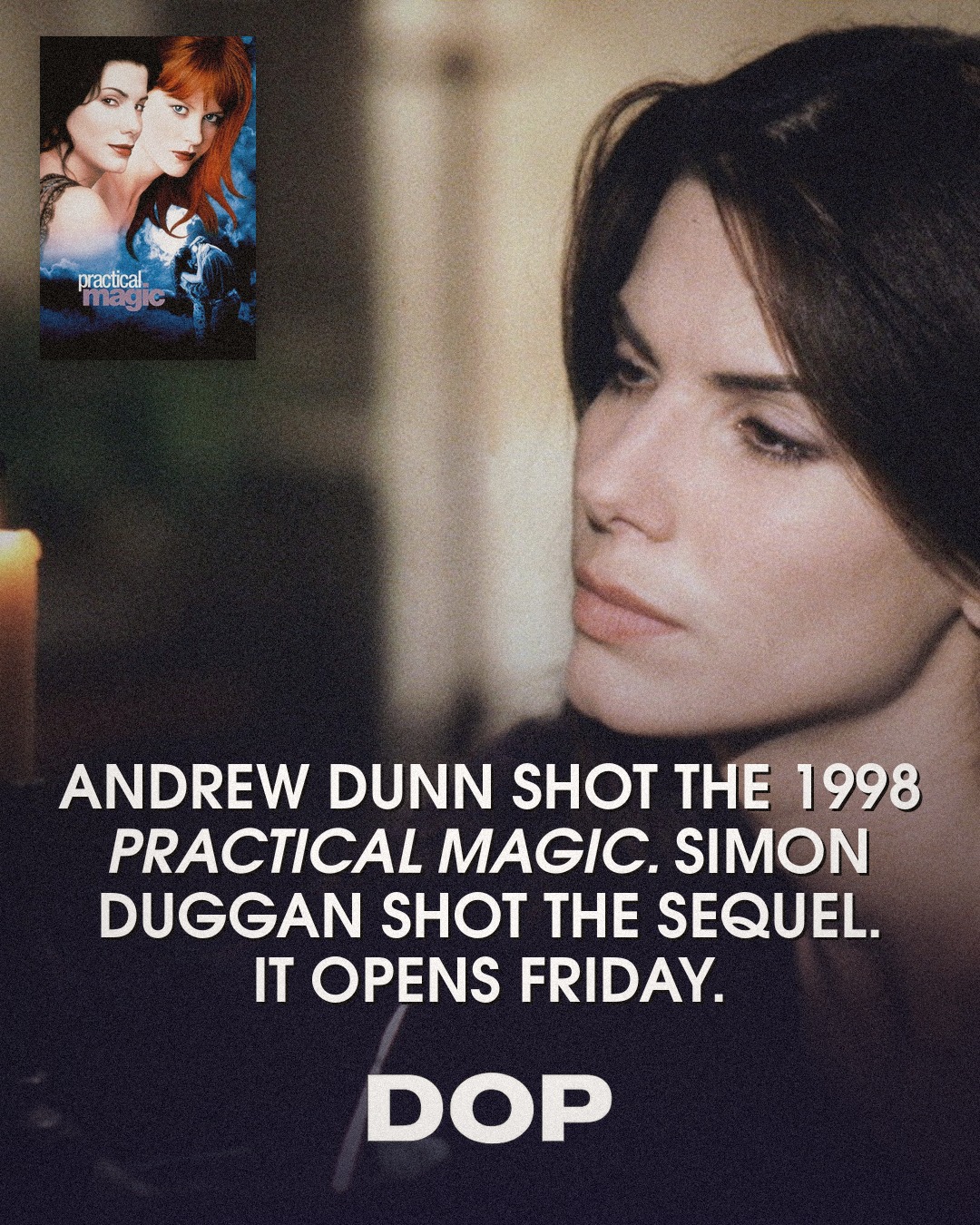
The hallowed halls of cinematic history are often revisited, but rarely do we get such a direct, captivating comparison as the one unfolding with the return to the Owens family home. The announcement of Practical Magic 2, with Simon Duggan, ASC, ACS at the helm of cinematography, presents an unparalleled opportunity to dissect the evolution of visual storytelling. Twenty-eight years separate Andrew Dunn's enchanting work on the 1998 original and Duggan's contemporary vision, yet both converge on the same iconic structure, offering a unique masterclass in how technology, aesthetic sensibilities, and the very language of film have shifted.
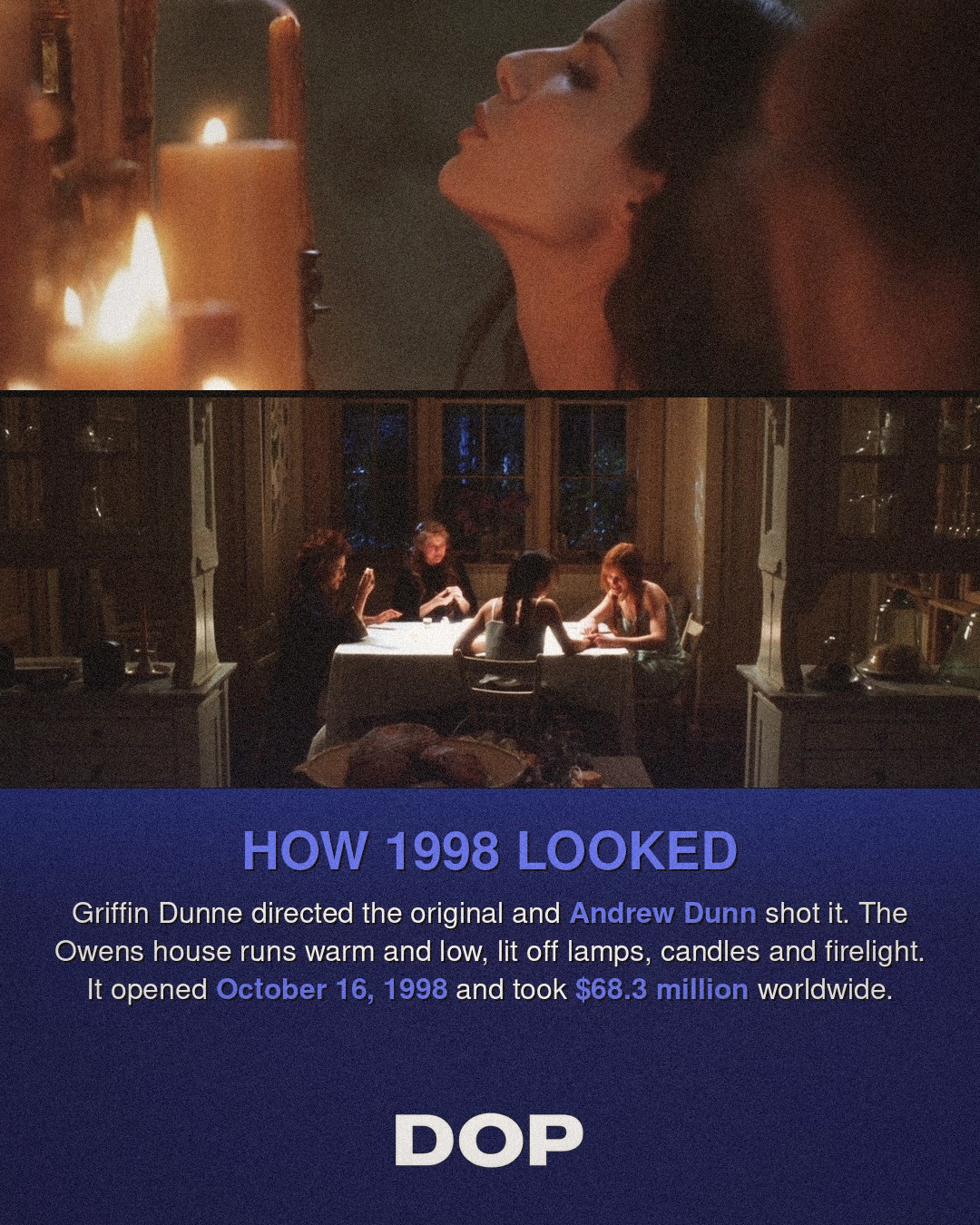
Andrew Dunn's cinematography for Griffin Dunne's Practical Magic was a masterclass in establishing a distinct, ethereal atmosphere. Dunn, known for his ability to blend naturalism with a subtle, almost painterly quality in films like The Bodyguard and The Madness of King George, bathed the Owens house in a soft, often melancholic glow. His use of practical lighting and a restrained color palette, leaning into blues and greens with warm, inviting highlights, created a sense of lived-in magic rather than overt fantasy. It was a film where the magic felt inherent to the world, not imposed upon it, largely due to Dunn's careful balance of light and shadow, and his ability to make the supernatural feel grounded.
The Legacy of Light: Dunn's Enduring Influence
Dunn's approach in the original was deeply rooted in the film stock era. He likely employed a combination of tungsten-balanced film, pushing it slightly for added grain and texture, and then balancing with daylight exteriors. The look was organic, often favoring wider lenses to capture the full scope of the house's eccentric charm and the sprawling, witchy garden. The camera movement was deliberate, often tracking or craning, allowing the audience to soak in the environment. This contributed to the film's cult status, creating a visual language that felt both intimate and grand, a perfect reflection of the story's blend of domesticity and destiny.
"To revisit a location with a new cinematographer is to see the past through a new lens, literally and metaphorically. It's a dialogue between eras, an evolution of the craft."
The original film's box office performance and critical reception might have been modest, but its visual identity, crafted by Dunn, has resonated for decades. It's a testament to cinematography that transcends immediate commercial success, influencing subsequent generations of DPs in how to visually articulate magical realism without resorting to overt special effects. The 'Practical Magic' house itself became a character, its eccentricities amplified by Dunn's framing and lighting choices, making it a benchmark for establishing a strong sense of place.
Duggan's Modern Alchemy: A New Visual Paradigm
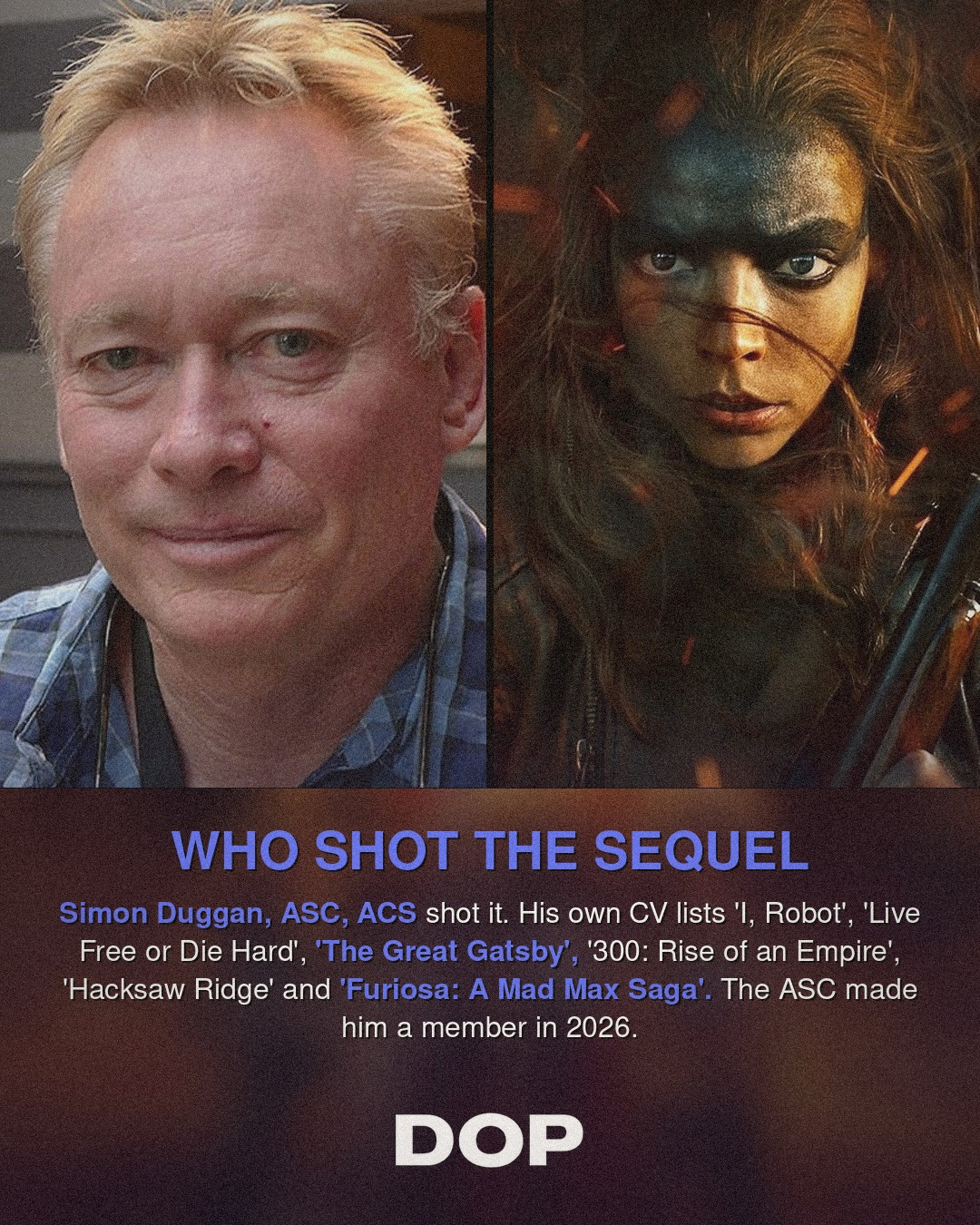
Now, Simon Duggan, ASC, ACS steps into this rich legacy. Duggan's filmography is a testament to his versatility and mastery of cutting-edge technology, from the stark, futuristic sheen of I, Robot to the opulent, digitally-enhanced grandeur of The Great Gatsby, and the visceral realism of Hacksaw Ridge. His recent work on Furiosa: A Mad Max Saga further showcases his ability to craft breathtaking, immersive worlds, often pushing the boundaries of digital cinematography.
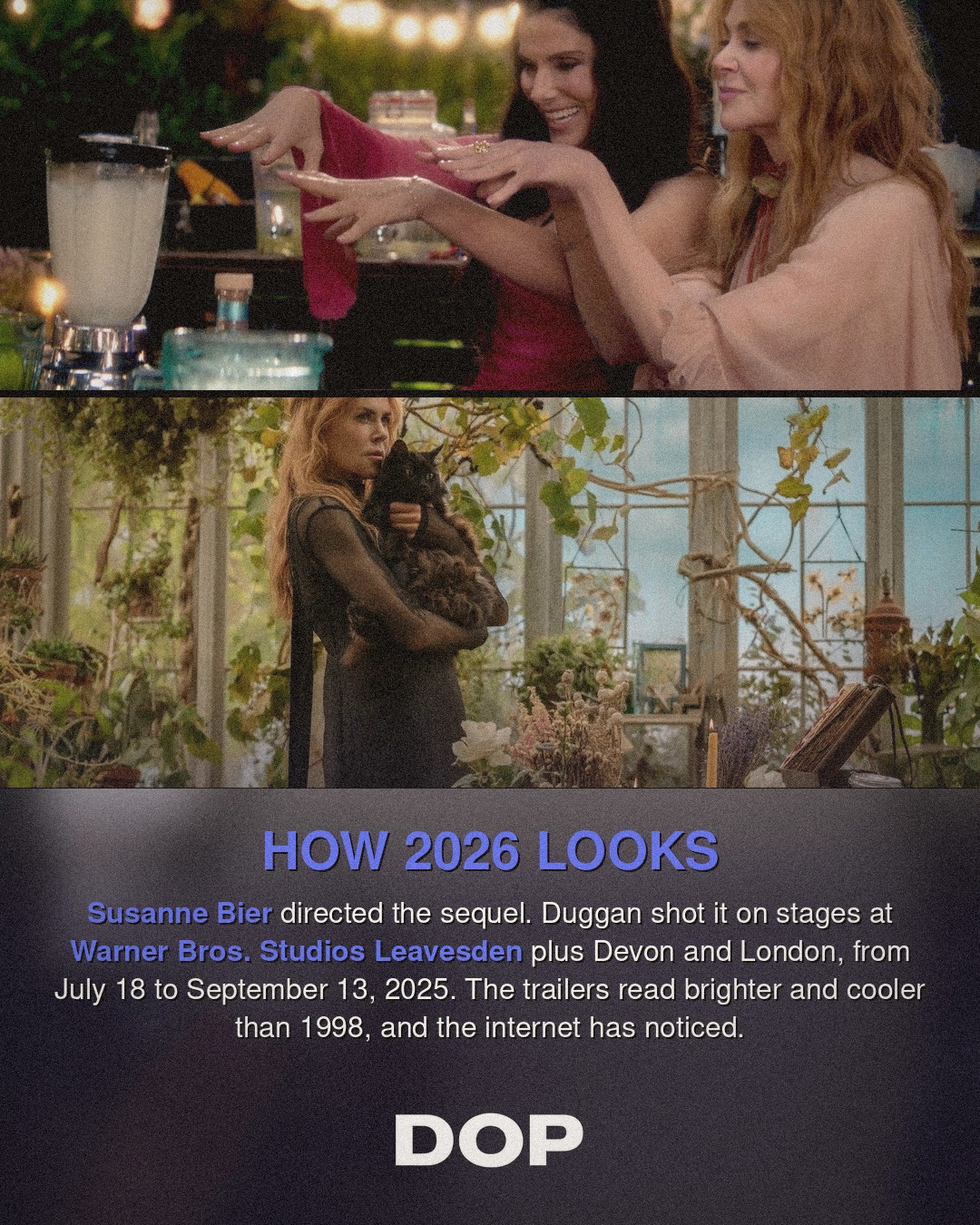
Duggan's approach to Practical Magic 2 for director Susanne Bier will undoubtedly leverage the advancements of the digital age. We can anticipate a higher dynamic range, perhaps more nuanced control over color separation, and a distinct sharpness that contrasts with the softer, filmic aesthetic of the original. Will he lean into large-format sensors to capture even more detail, or perhaps employ vintage lenses to emulate some of Dunn's classic character while still working within a modern digital workflow? His choice of camera, likely an ARRI Alexa LF or Mini LF, given his past work, paired with a selection of anamorphic or spherical lenses known for their character, will be critical in defining the new film's visual signature.
The contrast in lighting philosophy will also be fascinating. While Dunn relied heavily on practicals and large sources, Duggan might employ more sophisticated LED fixtures for precise control over color temperature and intensity, allowing for dynamic shifts in mood within the same scene. His color science will likely be more saturated and vibrant, perhaps reflecting a more contemporary, assertive take on the magical elements. The visual language of Practical Magic 2, shot at Warner Bros. Studios Leavesden and on location in Devon and London, will be a careful dance between honoring the original's spirit and forging a bold, new identity that speaks to a modern audience's visual expectations. This sequel isn't just a new story; it's a new conversation about how cinematography evolves while staying true to the heart of a beloved tale.