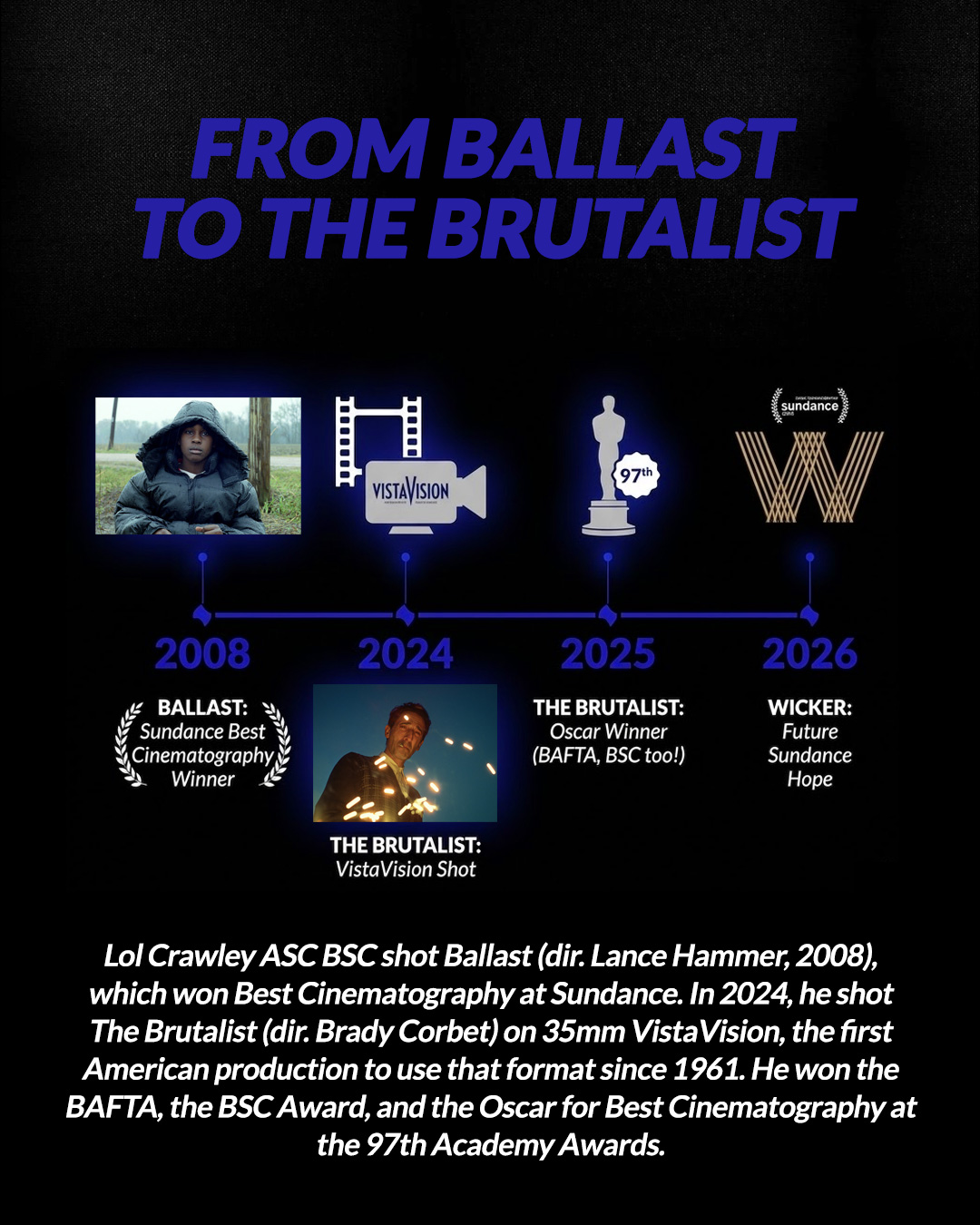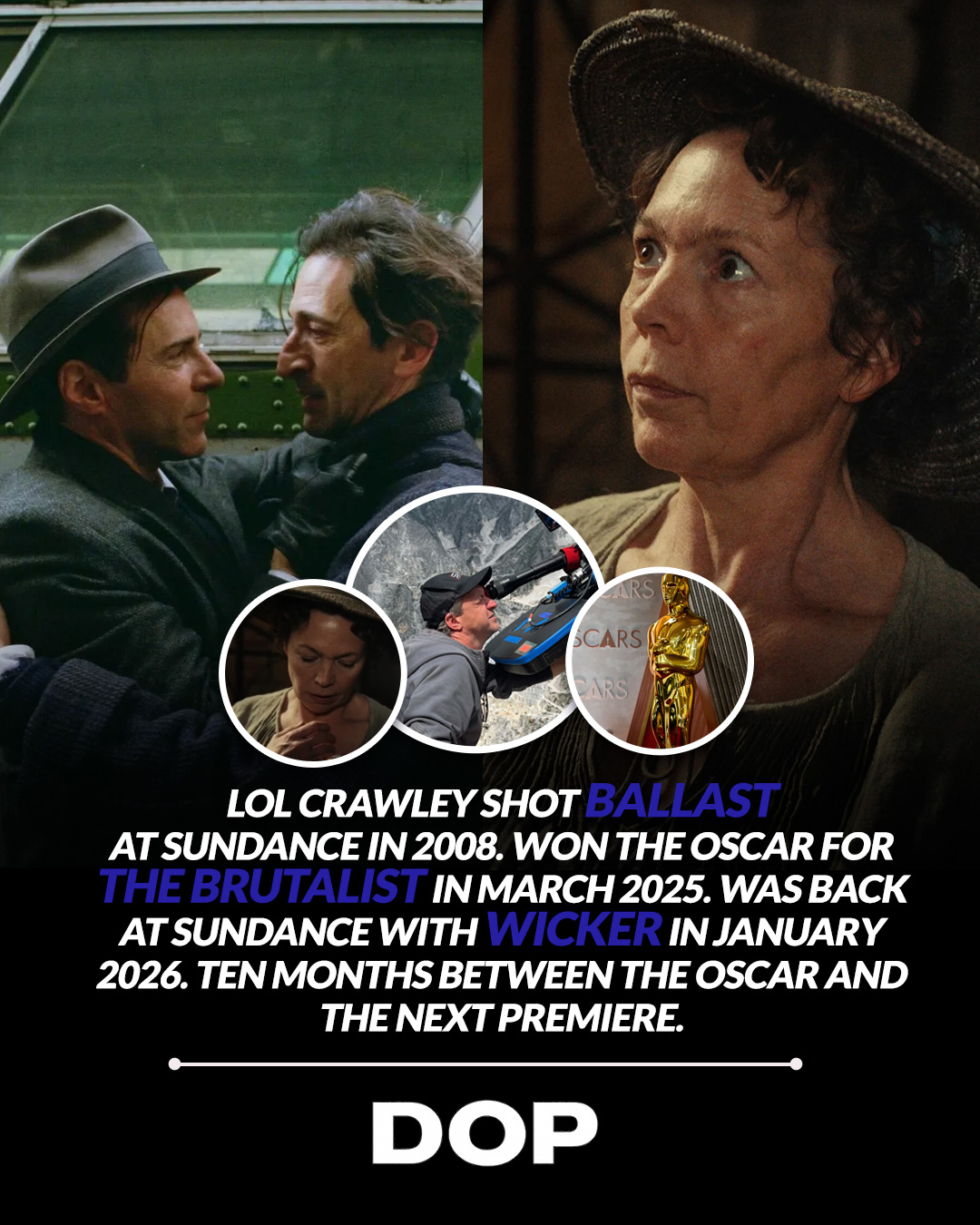
In the often-fickle world of independent cinema, where careers are forged and sometimes forgotten in the blink of an eye, the trajectory of Lol Crawley ASC BSC stands as a testament to unwavering vision and a relentless pursuit of captivating images. From his breakout at Sundance in 2008 with Ballast to his recent Oscar triumph for The Brutalist and a swift return to the cinematic proving ground with Wicker, Crawley’s journey is a masterclass in sustained creative discipline and an inspiring refusal to be typecast.
His early work on Ballast, a poignant drama that resonated deeply with critics, showcased a cinematographer acutely attuned to the nuances of natural light and the power of understated compositions. Shot on a modest budget, likely with accessible digital cinema cameras of the era – perhaps an ARRI D-21 or a RED ONE – Crawley’s approach was already marked by a painterly quality, an ability to imbue everyday landscapes with a profound sense of atmosphere. This film, as the ASC's Sundance 2026 roundup insightfully noted, became a bedrock for his American career, demonstrating that true artistry transcends production scale.
The Brutalist: A Vistavision Revival
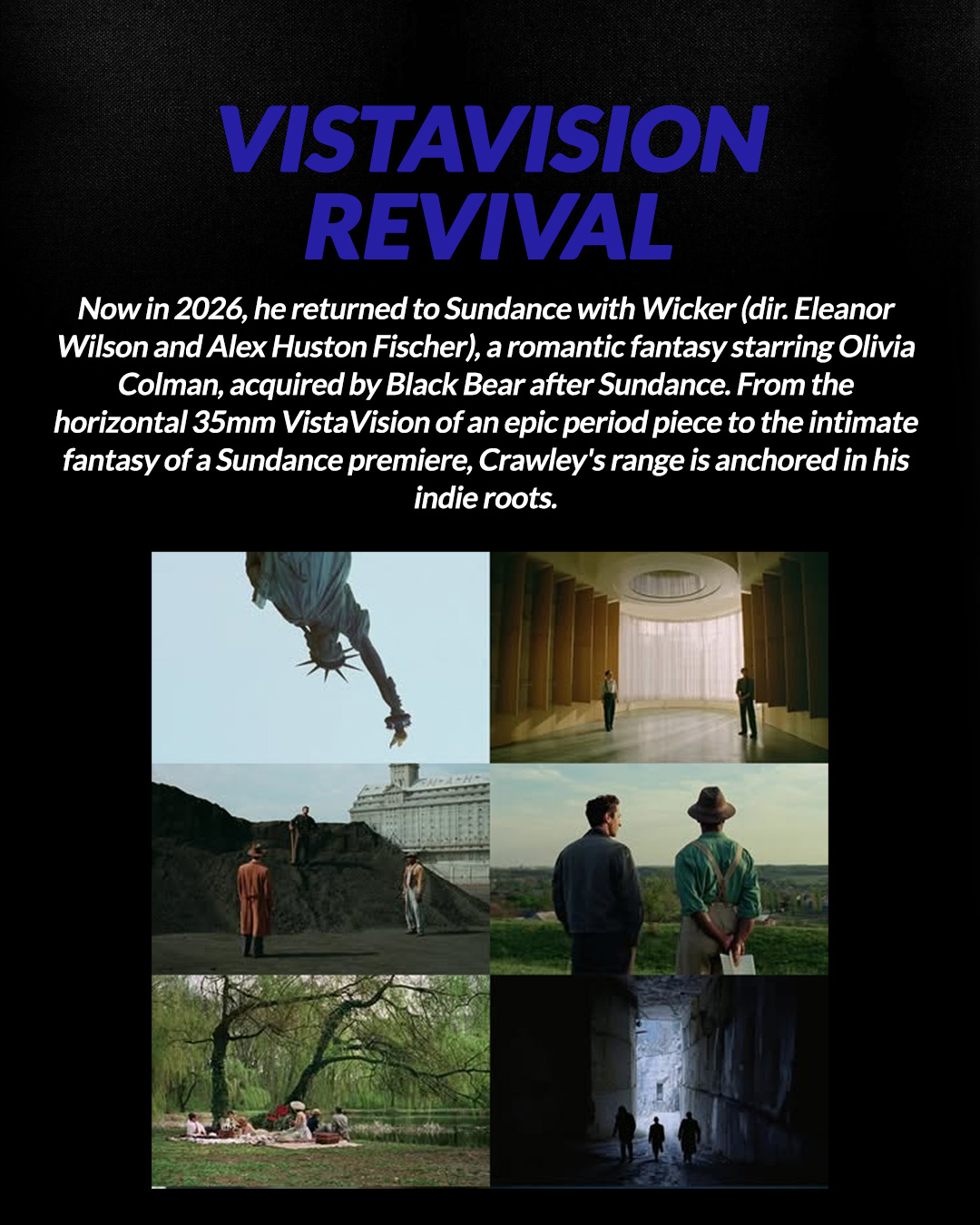
Fast forward to 2025, and Crawley’s name was etched into cinematic history with an Academy Award for Best Cinematography for Brady Corbet's ambitious period piece, The Brutalist. This wasn't merely another industry accolade; it was a recognition of a bold artistic choice that pushed technical boundaries. The Brutalist marked the first American production since 1961 to utilize 35mm VistaVision, a format renowned for its expansive horizontal negative and unparalleled image fidelity. This decision speaks volumes about Crawley's collaborative spirit and his willingness to embrace challenging, yet visually rewarding, methodologies.
“Crawley’s work on The Brutalist is a defiant embrace of analog grandeur, proving that sometimes, the most innovative path forward is a meticulous return to the past.”
Working with VistaVision, which typically involves horizontally feeding 35mm film through the camera to capture an 8-perf frame, meant a different lens package and a meticulous approach to lighting and blocking. The larger negative area offers incredible resolution and a unique textural quality, demanding a cinematographer who understands how to fill that canvas with intention. Crawley, in collaboration with his gaffers and camera department, would have meticulously crafted light to maximize the format's potential, likely employing large, soft sources to create the naturalistic yet epic look that defined the film's visual language.
The Return to Sundance: Wicker and Beyond
Just ten months after his Oscar win, Crawley found himself back at Sundance, premiering Wicker, a film directed by Eleanor Wilson and Alex Huston Fischer, and starring Olivia Colman. This swift return to the independent festival circuit, especially after achieving the pinnacle of industry recognition, underscores a vital aspect of Crawley’s professional ethos: a deep-seated commitment to compelling storytelling, regardless of budget or perceived prestige. It’s a testament to his artistic curiosity and his desire to collaborate with emerging voices.
While details on Wicker's specific technical approach are still emerging, one can anticipate Crawley bringing his signature blend of atmospheric realism and precise visual composition to the project. Whether it's the intimate character studies of his early career or the grand scale of The Brutalist, his visual philosophy remains consistent: to serve the narrative with images that are both aesthetically striking and emotionally resonant. His choice of camera and lens packages, while always tailored to the project, consistently prioritizes character and mood over fleeting trends.
A Legacy of Craft and Collaboration
Crawley's filmography is a masterclass in versatility. From the gritty realism of The East to the elegant period details of White Noise, he adapts his visual style with chameleon-like precision, always serving the director's vision while imprinting his distinctive photographic signature. He is known for his collaborative spirit, fostering an environment where ideas can flourish and technical challenges are met with creative solutions. This approach has endeared him to directors and producers across the industry, ensuring a steady stream of diverse and challenging projects.
His recent accolades, including the BAFTA and BSC Award alongside his Oscar, are not just personal triumphs; they are a celebration of a cinematographer who exemplifies the highest standards of the craft. Lol Crawley's journey, from the quiet intensity of Ballast to the grand scale of The Brutalist and back to the independent spirit of Wicker, is a powerful reminder that true artistic success is not merely about awards, but about the relentless pursuit of impactful images and the unwavering dedication to the art of visual storytelling.
It's a career built on a foundation of early promise, solidified by audacious technical choices, and sustained by an unyielding commitment to the craft. For cinematographers seeking inspiration, Crawley's path offers a compelling blueprint: hone your craft, embrace challenges, and never stop taking on interesting work, no matter the scale.