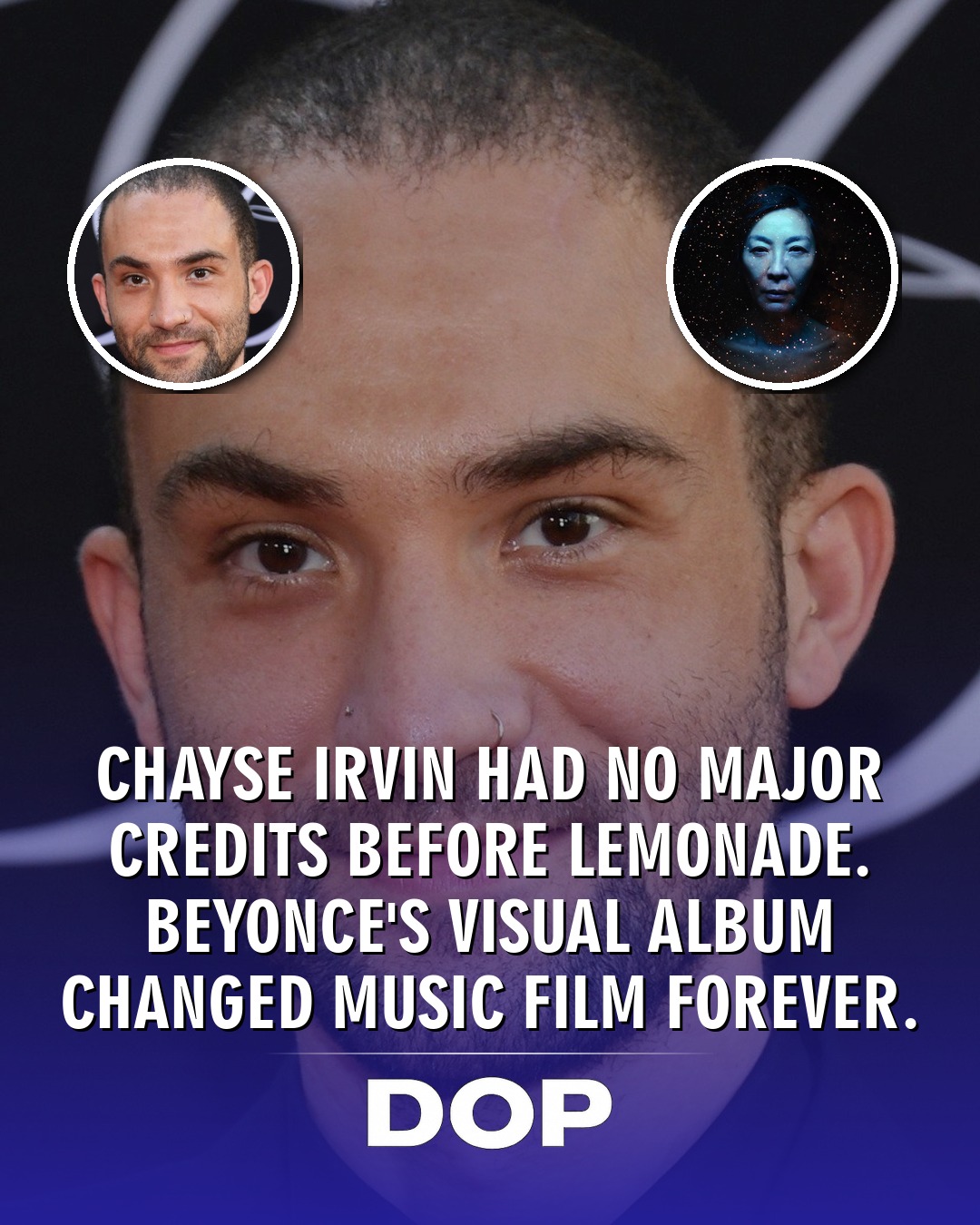
When Beyoncé dropped Lemonade in 2016, it wasn't merely a musical event; it was a seismic shift in visual culture, a powerful and poignant exploration of Black womanhood, history, and resilience. At the heart of this groundbreaking work was the radical cinematography of Chayse Irvin, whose lens transformed a promotional format into a profound cinematic statement. While Irvin had already garnered critical acclaim for his stark, evocative work on Andrea Pallaoro's Medeas, earning him the Best Cinematography Debut award at Camerimage in 2013, Lemonade catapulted his distinctive visual language onto the global stage, cementing his status as a visionary.
Irvin's approach to Lemonade was deeply rooted in the American South, meticulously crafting a visual tapestry from the urban grit and pastoral beauty of Louisiana. This wasn't just a backdrop; it was a living, breathing character, imbued with the weight of history and the spirit of a people. He employed a diverse array of film stocks and digital formats, often within the same sequence, to evoke a sense of timelessness and visceral authenticity. This deliberate choice, eschewing a singular, pristine aesthetic, allowed him to navigate between archival quality and hyper-realism, reflecting the complex layers of memory, pain, and triumph woven into the narrative. The grainy texture of Super 8 film might juxtapose with the crispness of a high-resolution digital sensor, creating a dialogue between past and present, dream and reality.
The Visual Album Reimagined
Before Lemonade, the 'visual album' often felt like an extended music video, a series of vignettes tied loosely to an overarching theme. Irvin, alongside director Kahlil Joseph and Beyoncé herself, redefined this paradigm. They elevated the form into a cohesive, long-form narrative with serious cinematographic intention. The film's visual language was not merely illustrative; it was interpretative, adding layers of meaning and emotion that transcended the lyrics. Each frame was meticulously composed, each lighting choice deliberate, designed to amplify the emotional resonance and historical context of Beyoncé's powerful message. This wasn't just about making a beautiful image; it was about making an image that felt, that resonated, that provoked.
"Irvin's work on Lemonade wasn't just about making a beautiful image; it was about making an image that felt, that resonated, that provoked."
Consider the iconic sequence of Beyoncé in the yellow dress, smashing cars with a baseball bat. The golden hour light, the slow-motion choreography, the controlled chaos – it's a masterclass in capturing rage and liberation with exquisite precision. Irvin's lighting here is often naturalistic, but with an underlying artistry that sculpts and defines, using available light to create depth and mood, then augmenting it with subtle, motivated sources to highlight key elements. His command over color science, particularly in the rich, saturated tones that define much of Lemonade, speaks to a deep understanding of how color affects psychological impact and cultural resonance. The sun-drenched landscapes and intimate interiors are rendered with a painterly quality, yet always remain grounded in an authentic, lived experience.
From Medeas to BlacKkKlansman: A Signature Style
Irvin's work on Lemonade was so profoundly impactful that it became his primary calling card, a testament to the power of a distinct visual voice. Spike Lee, a director known for his discerning eye for cinematography, specifically sought out Irvin to shoot BlacKkKlansman after witnessing the raw power and evocative beauty of Lemonade. This speaks volumes about the lasting impression Irvin's work leaves – a blend of poetic realism, emotional depth, and an unwavering commitment to character and story through the lens. His filmography, from the stark beauty of Medeas to the vibrant energy of Lemonade and the intricate period detail of BlacKkKlansman, showcases a DP who is not afraid to push boundaries, to experiment with texture and tone, and to imbue every frame with profound meaning.
His lens choices often favor anamorphic glass, or lenses with a distinct character, that introduce subtle imperfections – flaring, fall-off, organic distortion – which contribute to a more subjective and immersive viewing experience. He understands that absolute technical perfection isn't always the goal; sometimes, it's the beautiful flaws that make an image truly resonate. This philosophy, coupled with his masterful understanding of light and shadow, allows him to craft visuals that are at once grand and intimate, epic and deeply personal. Lemonade didn't just change how we perceive the visual album; it solidified Chayse Irvin's place as one of the most exciting and influential cinematographers working today, a true artist who uses light and composition to tell stories that matter, and to make us feel them in our bones.