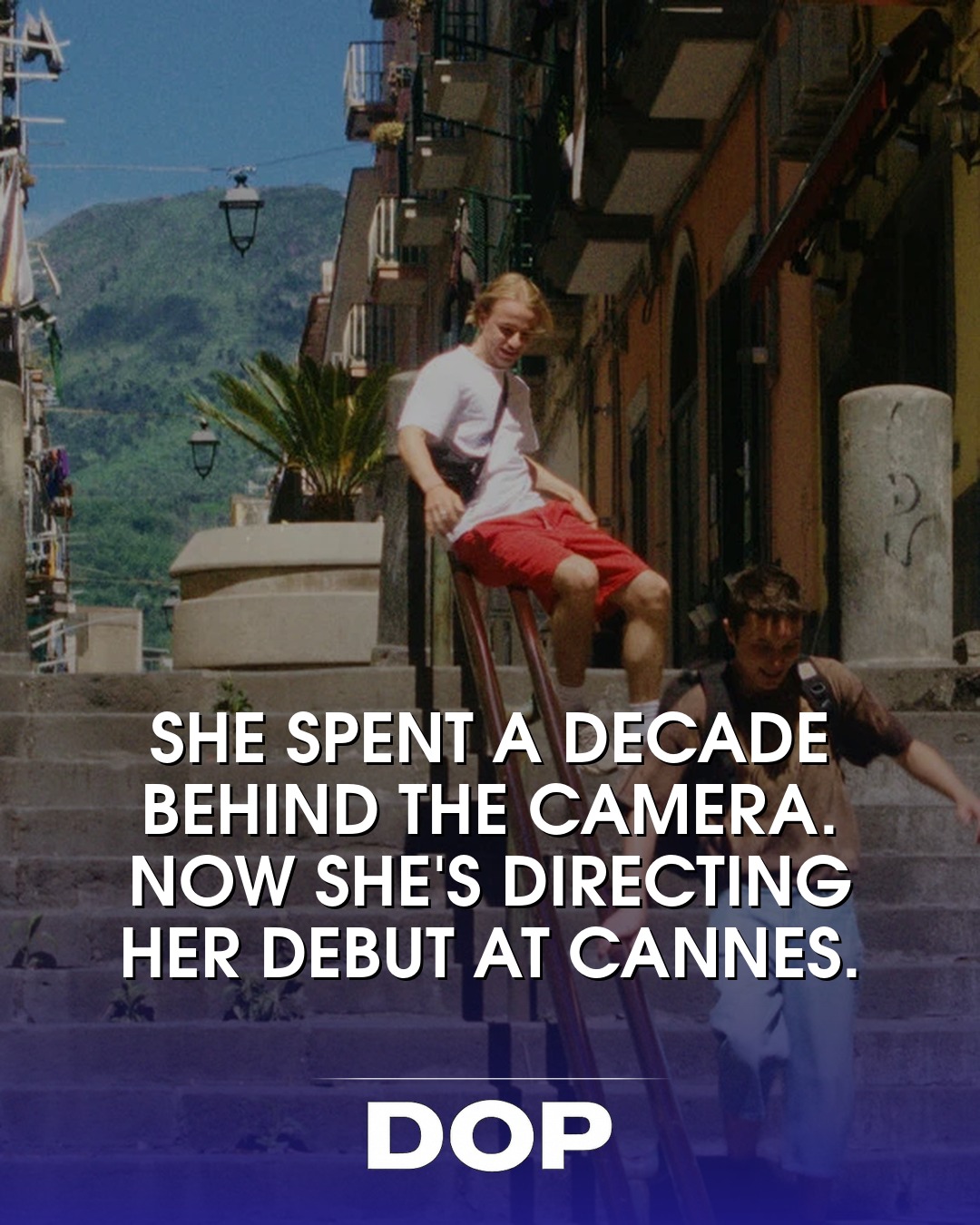
In an era where the digital intermediate often reigns supreme, dictating the final look and feel of a motion picture, the work of director and cinematographer Marine Atlan on her debut feature, La Gradiva, stands as a powerful testament to the enduring artistry of in-camera effects and bespoke optical character. Premiering to critical acclaim at the 2026 Cannes Critics' Week, Atlan's film is not merely a haunting coming-of-age story set against the evocative ruins of Pompeii; it is a profound exploration of visual storytelling, meticulously crafted through a custom anamorphic lens series built by Angénieux.
Atlan's decision to prioritize the inherent texture and optical qualities of her lenses over extensive digital color grading is a bold and increasingly rare move. This isn't just a stylistic choice; it's a philosophical one, grounding the film's visual language in the physical properties of light and glass. For the dedicated cinematographer, this approach resonates deeply. We understand that the soul of an image often lies not in post-production wizardry, but in the unique way a lens renders focus, fall-off, flares, and distortion. Angénieux, a name synonymous with precision and optical excellence, custom-building a series for a debut feature speaks volumes about the ambition and vision behind La Gradiva.
The Anamorphic Narrative
The core of Atlan's genius in La Gradiva lies in her deployment of these distinct optical characters to signal shifts in the film's narrative structure. Imagine a scene where the youthful protagonist, perhaps bathed in the soft, ethereal glow of a wide, slightly breathing anamorphic lens, embodies innocence and longing. Then, as the narrative delves into the ancient, unyielding history of Pompeii, the optics might subtly shift – perhaps to a lens with more pronounced aberrations, a heavier fall-off, or a different flare characteristic – to convey a sense of gravitas, foreboding, or the weight of time. This is not about mere visual flair; it's about using the very mechanics of light capture to articulate emotional and thematic beats.
"By prioritizing lens texture over digital color grading, Atlan creates a tactile visual experience that explores the collision of youth and history."
This approach demands a deep understanding of lens theory and an intimate relationship with the chosen glass. It's about knowing how a particular element in the lens design will react to a specific light source, how its spherical aberration might soften a highlight, or how its astigmatism could render a background element with a dreamlike smear. Atlan's work suggests a meticulously planned lens map, where each sequence, each emotional arc, is assigned its specific optical signature. This is a level of pre-visualization and in-camera control that harks back to the golden age of cinematography, updated with contemporary precision.
Crafting Tactile Reality
The setting of Pompeii itself is a character in La Gradiva, a place where history is perpetually colliding with the present. Atlan's choice to craft a "tactile visual experience" through her lenses perfectly complements this theme. Instead of a pristine, hyper-real digital image, the anamorphic glass likely introduces subtle imperfections – organic flares, gentle distortions at the edges, a unique way of rendering skin tones and textures – that imbue the image with a palpable sense of reality, a lived-in quality that mirrors the ancient ruins. This isn't about simulating grit; it's about embracing the inherent character of the medium.
While specific camera bodies weren't mentioned, it's highly probable that Atlan paired these custom Angénieux anamorphics with a camera system known for its robust sensor and color science, allowing the unique optical qualities to shine through without undue digital interference. Whether it was an ARRI Alexa Mini LF for its renowned skin tones and dynamic range, or a VENICE for its full-frame capabilities and internal NDs, the choice would have been made to serve the lens's character. The synergy between a high-fidelity digital sensor and bespoke analog glass is where modern cinematography often finds its most compelling expressions.
La Gradiva, with its impending French theatrical release, promises to be a seminal work for cinematographers and filmmakers alike. It challenges us to look beyond the immediate gratification of digital manipulation and to rediscover the profound narrative potential embedded within the very tools of our craft. Marine Atlan isn't just making a film; she's making a statement about the power of intentional optics, reminding us that sometimes, the most innovative visions are those that skillfully harness the timeless magic of light and glass.
This article contains affiliate links. We may earn a small commission at no extra cost to you. Learn more.