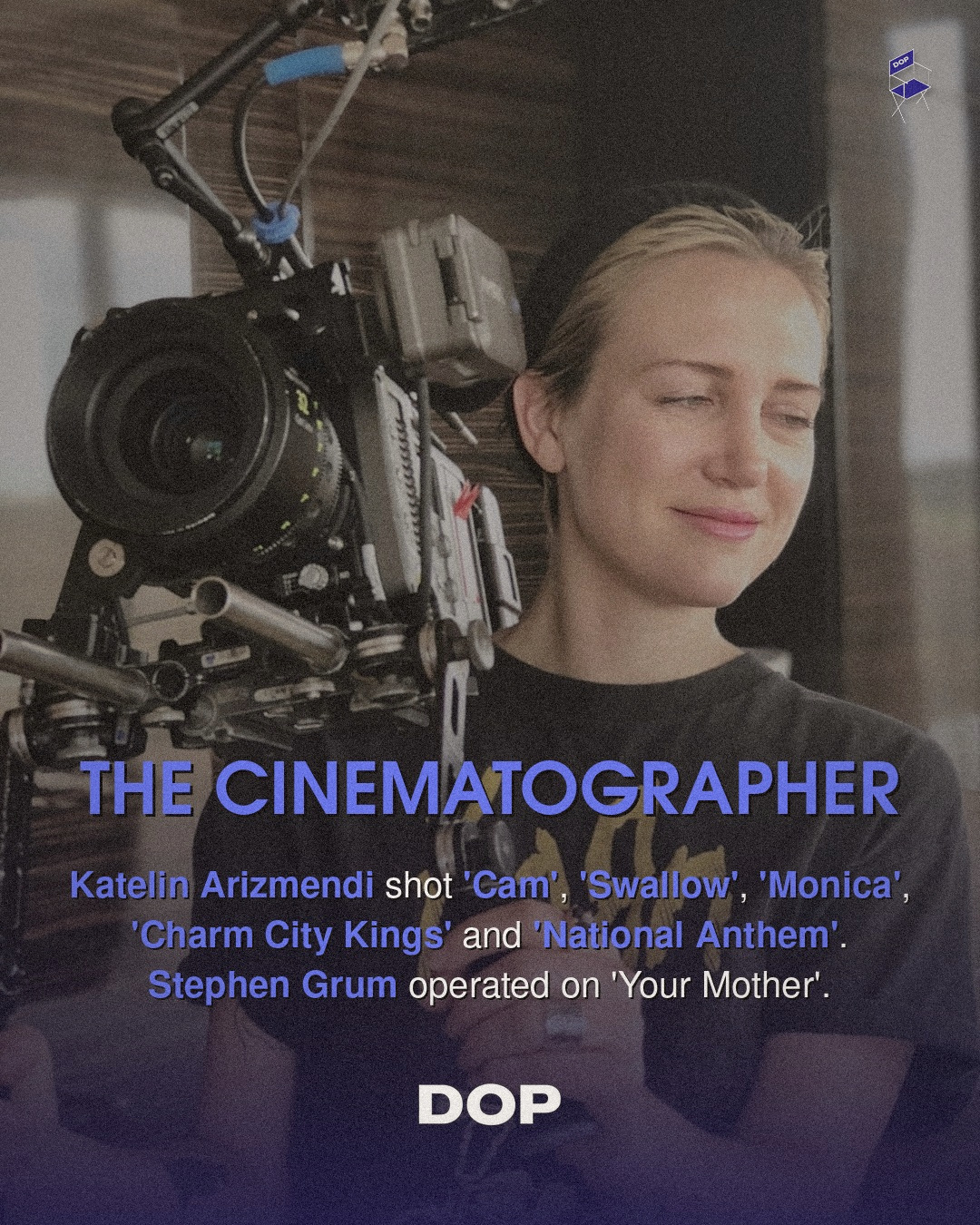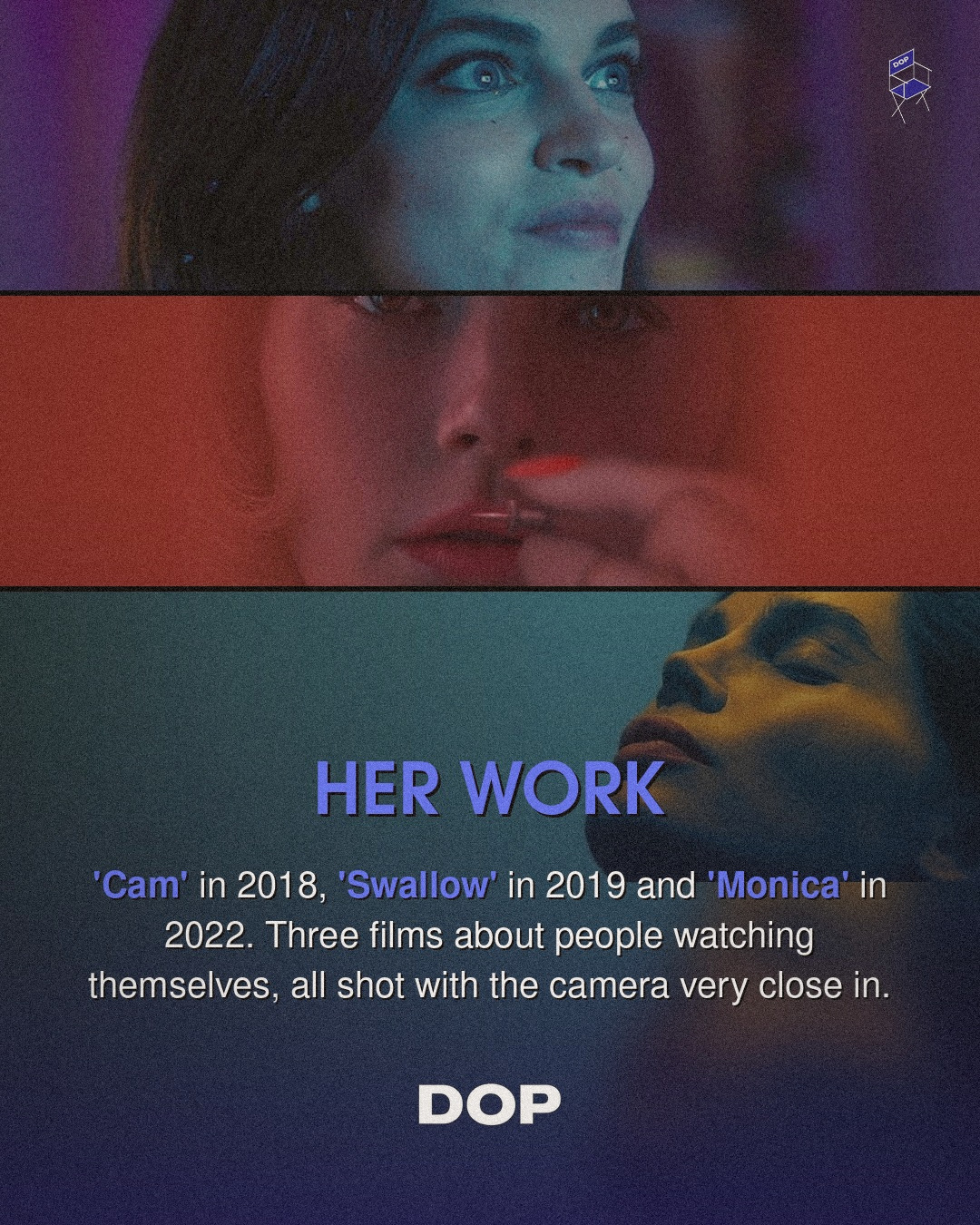
Over the past decade, Katelin Arizmendi has quietly emerged as one of the most rigorously empathetic image-makers in contemporary American independent cinema. From the predatory webcam glow of Daniel Goldhaber’s Cam to the hyper-manicured, mid-century alienation of Carlo Mirabella-Davis’s Swallow and the delicate portraiture of Andrea Pallaoro’s Monica, Arizmendi has built a filmography fascinated by internal crises made external. Across these titles, her visual syntax frequently turns inward: her camera hovers uncomfortably close, mapping faces with portrait-length glass to examine characters who are obsessively, painfully watching themselves exist.
The Geometry of Guilt and Intimacy
In her latest collaboration, Arizmendi teams with director Bassam Tariq (Mogul Mowgli) for Your Mother, starring Mahershala Ali as a devoutly religious contract killer forced to transport his children across Houston following the sudden death of his wife. Working alongside production designer Akin McKenzie and A-camera operator Stephen Grum, Arizmendi translates Tariq’s script into an exercise in spiritual fracture, staging a relentless collision between domestic tenderness and visceral dread.
Houston offers an intoxicating, heavy canvas, wide petrochemical landscapes, unforgiving highway sprawls, and humid summer interiors. Rather than leaning purely into neo-noir tropes of high contrast and deep silhouette, Arizmendi’s lighting philosophy favors textural honesty and atmospheric pressure. Interior setups balance low-key naturalism with motivated sources: the dull amber hum of sodium vapor filtering through venetian blinds, or the sharp, sterile kick of practical fluorescent strips in motel kitchenettes, creating layered micro-environments that hem Ali’s character in.
“Arizmendi rejects detached observation; she places the optical center right inside the protagonist’s psychological perimeter, turning every glance into a silent confession.”
Camera Movement and Operator Precision
With Stephen Grum on operating duties, the camera movement in Your Mother feels tactile and reactive without succumbing to unmotivated handheld jitter. Where an action-adjacent narrative might demand detached techno-cranes or sweeping Steadicam passes, Arizmendi and Grum lean heavily into purposeful, weighted movement. The camera often clings to Ali’s shoulder line, tracking the micro-adjustments in his posture as he balances paternal duty against survival instinct.
Building on the formal rigor seen in National Anthem and Charm City Kings, Arizmendi favors large-format digital sensors paired with vintage or customized spherical glass. This combination yields a shallow, painterly depth of field while retaining roll-off that softens harsh digital edges. By shooting wide open, the background architecture designed by McKenzie blurs into expressive, impressionistic blocks of color, isolating the protagonist and his grief-stricken children from a world that has suddenly become deeply perilous.
Color Science and Spatial Confinement
A central technical triumph of Arizmendi’s craft is her approach to skin tones under complex mixed lighting. Collaborating closely with McKenzie’s rich, tactile palette of domestic decay, her exposures prioritize rich shadow detail without elevating the black floor into muddy territory. The camera captures every bead of sweat and ambient reflection across Ali’s face, emphasizing his moral friction against Houston’s sprawling, industrial twilight.
Premiering at TIFF ahead of its late September theatrical debut, Your Mother cements Arizmendi’s status as a cinematographer who treats the human face not merely as a subject, but as the primary landscape of dramatic conflict. Her lens doesn’t merely witness violence or bereavement, it builds an inescapable perimeter around them.