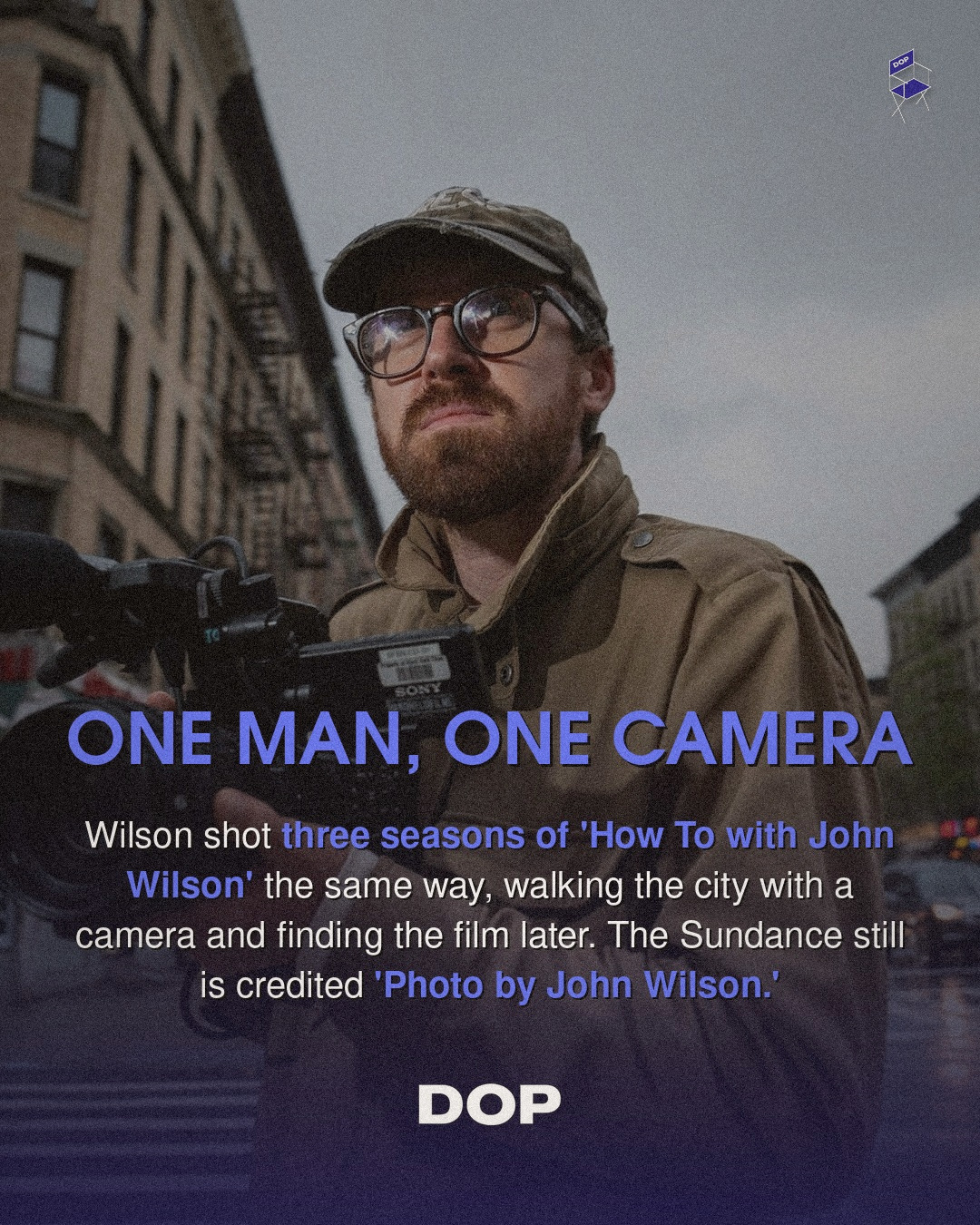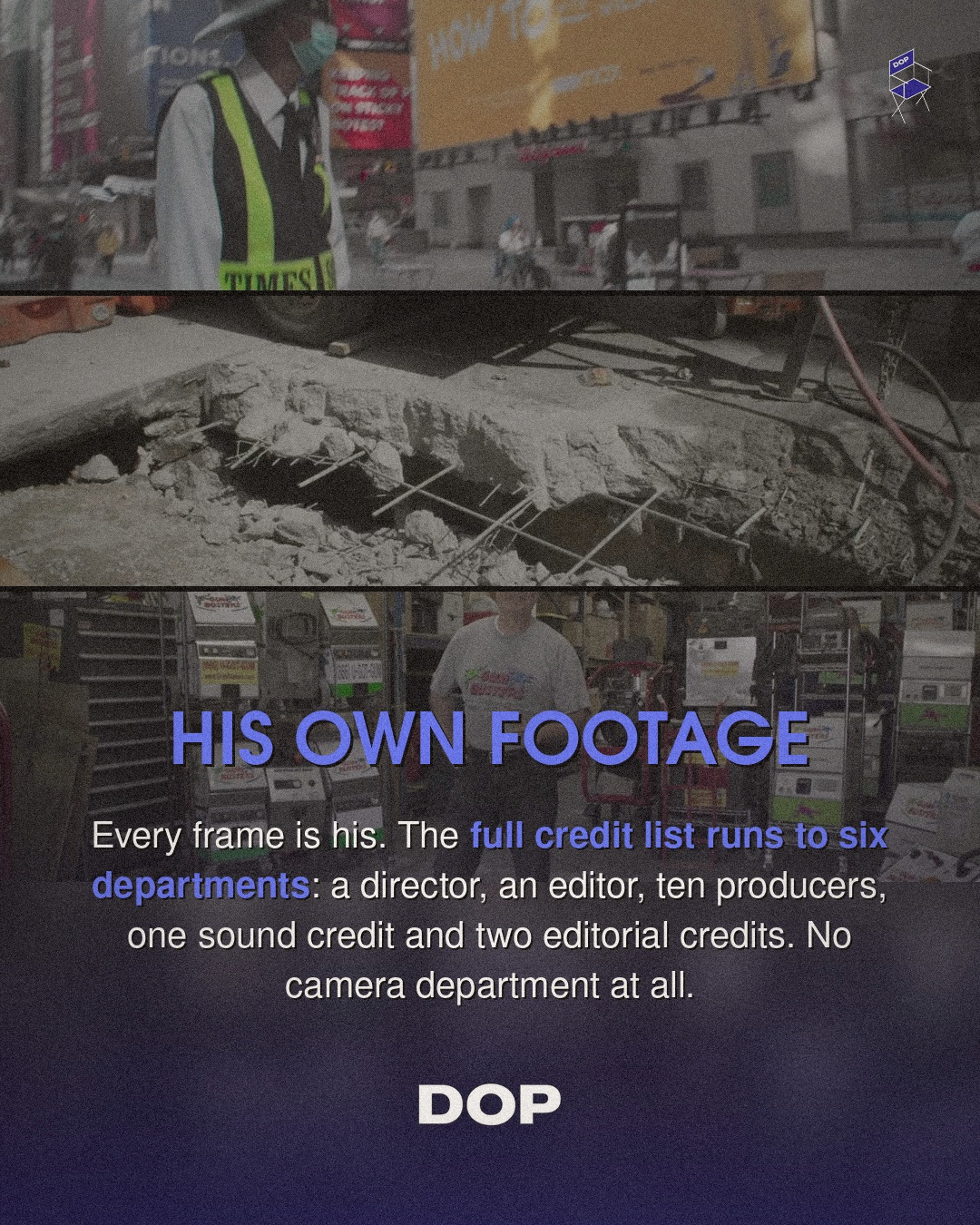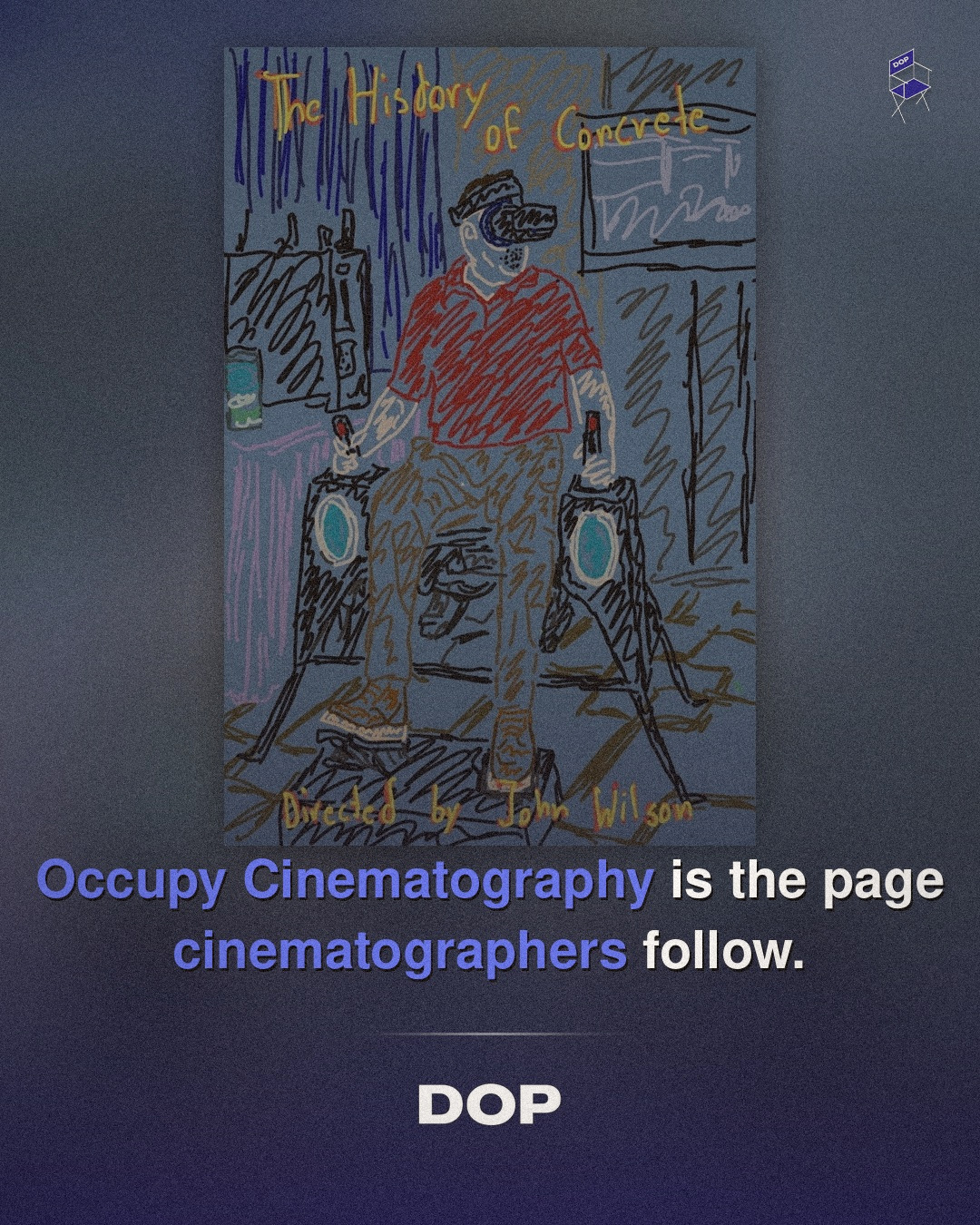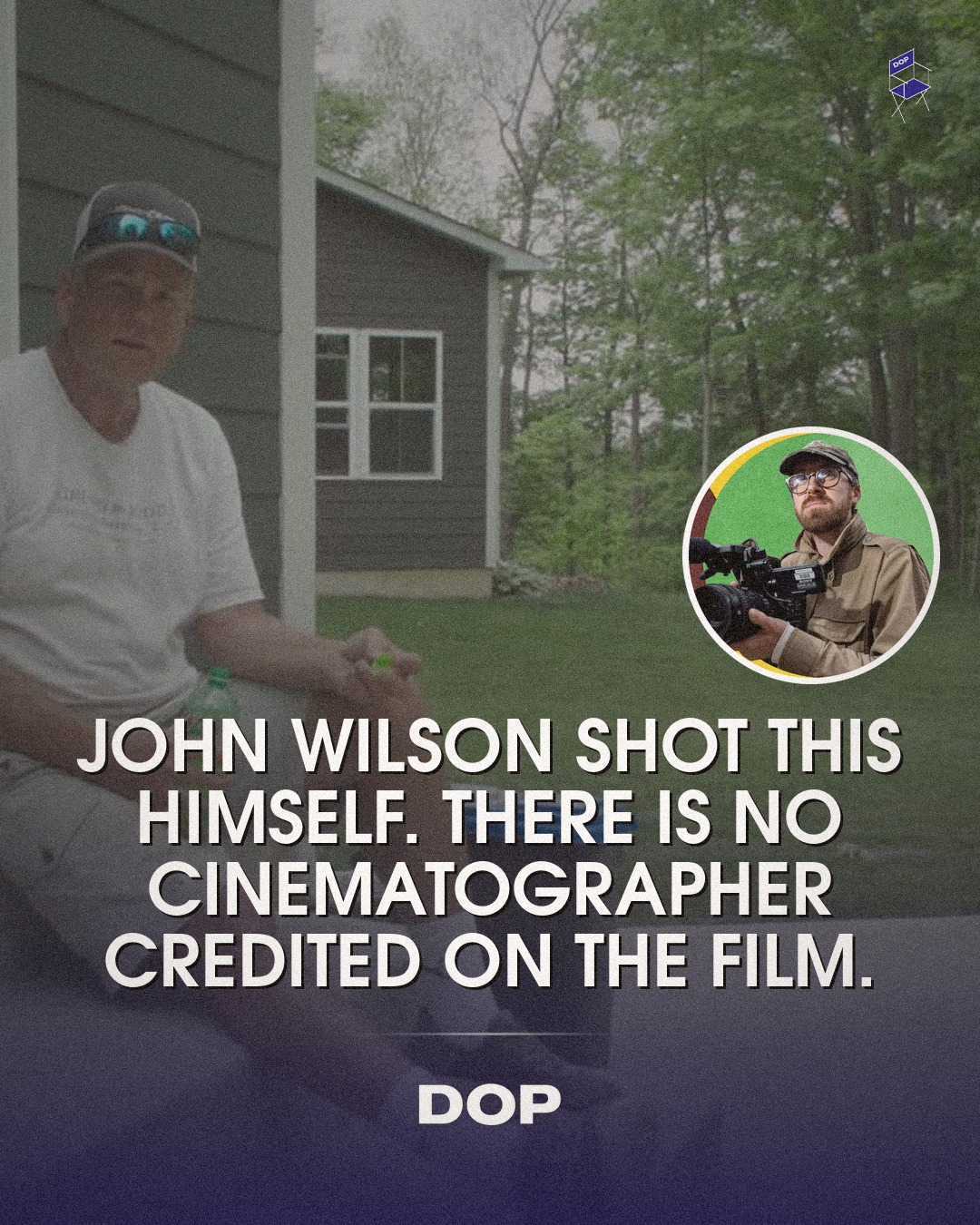
In an age where cinematic perfection often hinges on multi-million dollar camera packages, elaborate lighting setups, and meticulously planned shot lists, John Wilson stands as a fascinating anomaly. The Instagram caption’s observation that three seasons of How To with John Wilson were shot by Wilson himself, often credited simply as ‘Photo by John Wilson,’ and that his new documentary on building materials lists no camera department on IMDb, isn’t just a curiosity, it’s a profound statement on authorship, authenticity, and the very definition of cinematography in documentary.
Wilson’s methodology is a radical departure from the structured, crew-heavy productions many cinematographers are accustomed to. His process, described as “walking the city with a camera and finding the film later,” speaks to a philosophy deeply rooted in observational cinema, yet uniquely filtered through his distinct comedic and existential lens. This isn't merely run-and-gun; it's a meticulously curated form of serendipity, where the camera becomes an extension of his inquisitive mind, capturing the absurd, the mundane, and the deeply human moments that often escape the gaze of more formal productions.
The Intentional Absence: A Cinematographic Statement
The absence of a dedicated Director of Photography or camera department credits in Wilson's work is not an oversight; it's a deliberate artistic choice that underpins his entire aesthetic. By personally operating the camera, Wilson maintains an unfiltered connection to his subjects and environments. This direct authorship ensures that every frame, every jarring cut, every seemingly accidental zoom or pan, is intrinsically linked to his narrative voice. It's a raw, unpolished look that paradoxically feels more intimate and honest than many highly polished documentaries. This approach challenges the traditional hierarchy of filmmaking, placing the visionary singular artist at the helm of every visual decision.
While specific camera models are rarely highlighted in discussions of Wilson’s work, often assumed to be prosumer or readily available digital cameras, the choice itself is part of the statement. The equipment is a tool, not a star. It’s about utility and unobtrusiveness. The aesthetic isn't about razor-sharp focus or perfectly balanced exposure; it's about capturing the moment, sometimes imperfectly, but always truthfully. This lo-fi, found-footage sensibility is a cornerstone of his visual language, allowing him to weave together disparate elements into a cohesive, often hilarious, and surprisingly poignant narrative tapestry.
"Wilson’s methodology is a radical departure from the structured, crew-heavy productions many cinematographers are accustomed to. His process... speaks to a philosophy deeply rooted in observational cinema, yet uniquely filtered through his distinct comedic and existential lens."
Subverting Expectations: From Hallmark to Humanity
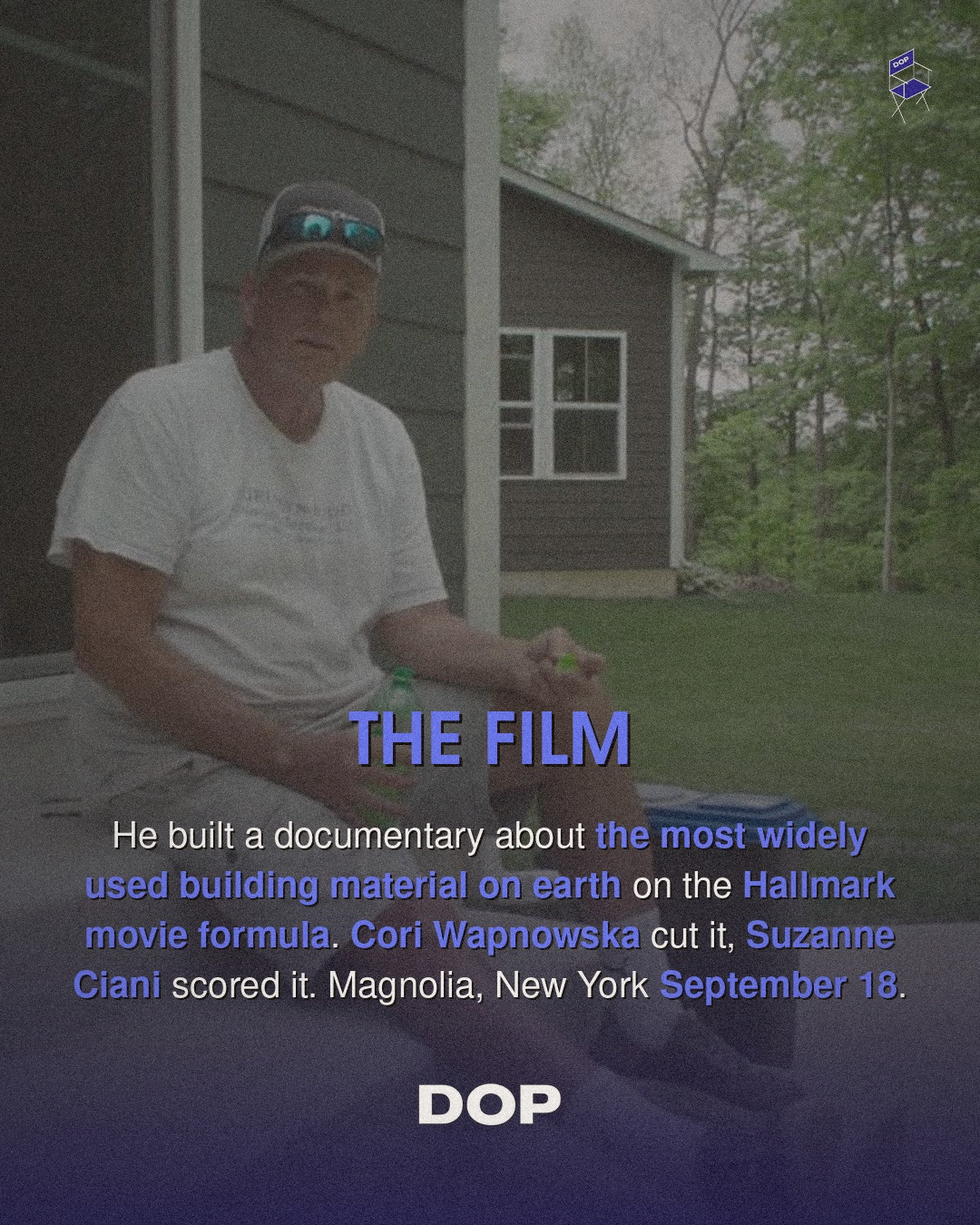
The description of Wilson building a documentary about building materials on a “Hallmark movie formula” and letting “the structure come apart” is a brilliant summation of his subversive genius. This isn't just about capturing images; it's about how those images are framed, edited, and scored to create an experience that defies categorization. The visual language, while seemingly artless, is incredibly effective in setting up and then dismantling viewer expectations. The juxtaposition of seemingly trivial footage with profound philosophical voiceovers, or the sudden pivot from a mundane street scene to an unexpected interview, is where Wilson’s true cinematographic craft lies, in the art of visual surprise and narrative misdirection.
The role of post-production in Wilson's visual storytelling cannot be overstated. With Cori Wapnowska on editing and Suzanne Ciani providing the score, the raw footage Wilson captures transforms into its final, compelling form. Wapnowska’s editing is crucial in shaping the visual rhythm and comedic timing, while Ciani's sonic landscape often provides an emotional counterpoint or a layer of surrealism to Wilson’s observed reality. The “finding the film later” aspect means that the true cinematography, in many respects, occurs in the edit suite, where meaning is constructed, and the visual narrative is painstakingly assembled from countless hours of seemingly random footage.
The Future of Found Cinematography
As his new documentary opens in New York and Los Angeles, John Wilson continues to carve out a unique space in the documentary landscape. His work serves as a powerful reminder that cinematography is not solely about technical prowess or high-end gear; it’s fundamentally about seeing, observing, and telling a story through images, however they are captured. For DPs and film enthusiasts, Wilson’s approach offers a liberating perspective: that sometimes the most impactful visual statements come from shedding the weight of traditional production, embracing spontaneity, and allowing the world to reveal itself through an unadulterated lens. It’s a testament to the idea that true cinematic vision often comes from an unyielding personal perspective, rather than a meticulously planned shot list.