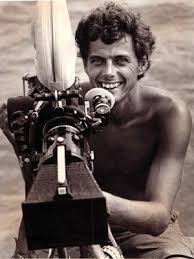
In an industry obsessed with the next big thing, the latest camera, and the freshest talent, there are few stories as profoundly inspiring as that of John Seale ACS ASC. A name synonymous with robust, evocative cinematography across four decades, Seale's trajectory took a remarkable, almost mythical turn. By 2010, after a career punctuated by an Academy Award for his breathtaking work on The English Patient and a filmography boasting epics like The Perfect Storm and Cold Mountain, Seale had hung up his light meter. He was, by all accounts, retired.
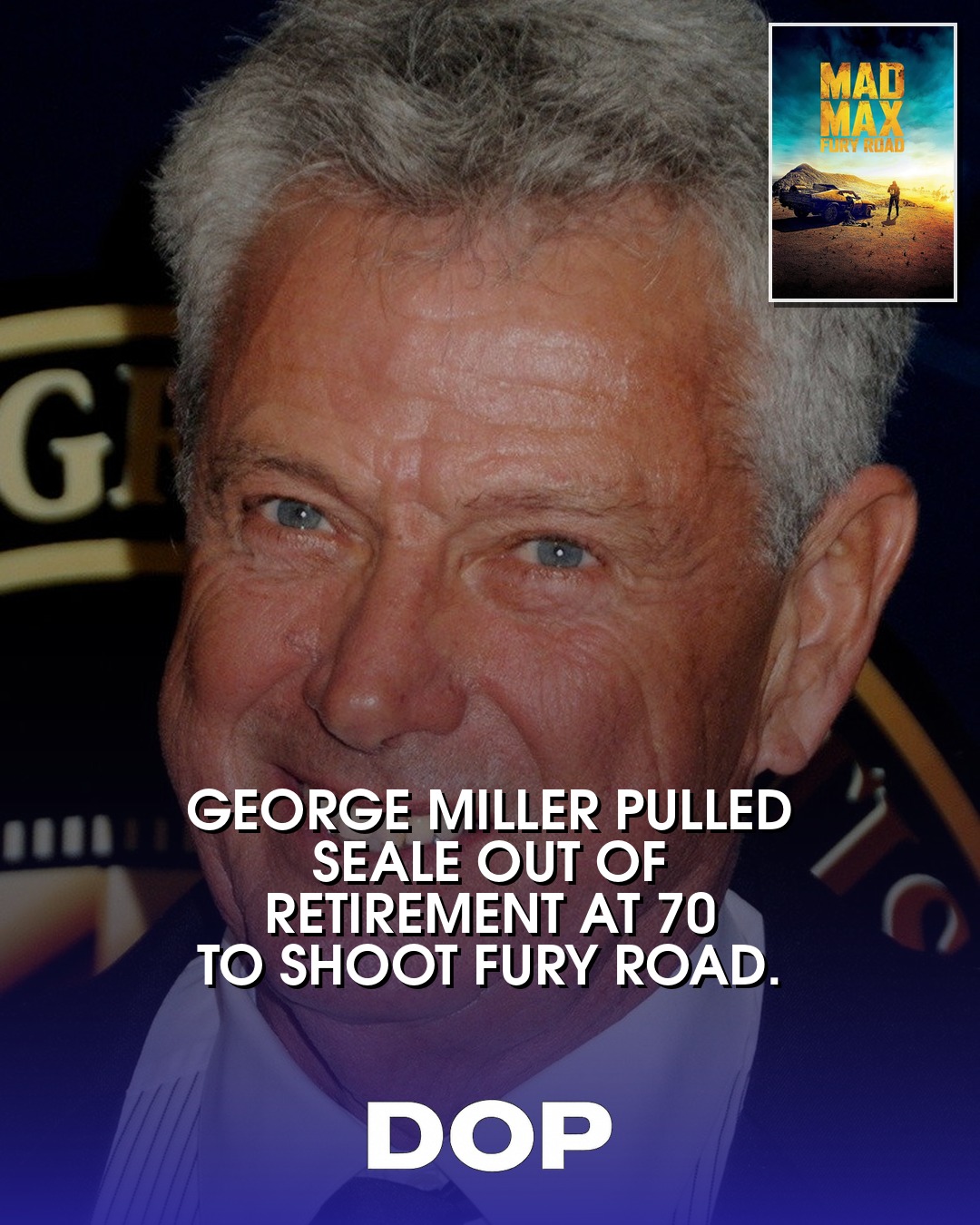
But the siren call of cinema, particularly when voiced by a visionary like George Miller, proved irresistible. Three years later, Miller, himself a master of audacious filmmaking, personally sought out the septuagenarian Seale. The proposition? To lens a project as ambitious and physically demanding as anything Seale had ever encountered: Mad Max: Fury Road. It was a gamble – on Miller's part to entrust such a colossal undertaking to a retired DP, and on Seale's to re-enter the fray at an age when most are enjoying a well-deserved respite. The result was not just a film; it was a seismic event, a visceral, unrelenting ballet of chaos and beauty that redefined action cinema.
The Desert Canvas: Crafting Fury Road's Visual Language
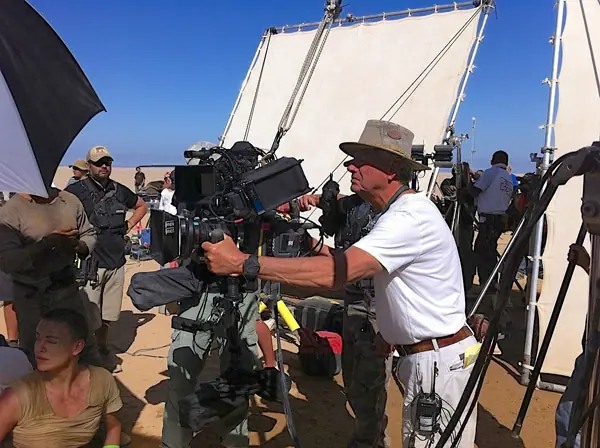
Mad Max: Fury Road is a masterclass in visual storytelling, and much of its impact stems directly from Seale's audacious approach. Shot predominantly in the unforgiving expanse of the Namibian desert, the film eschewed green screens and digital backlots in favor of practical effects and authentic environments. This commitment to tangibility, a hallmark of Seale's career, elevated the film's gritty realism. Rather than relying on controlled studio conditions, Seale embraced the harsh, natural light of the desert, particularly the golden hours, to sculpt the film's iconic look. The sun became a character, alternately searing and glorious, its rays cutting through dust and exhaust fumes to create a hyper-real, almost painterly aesthetic.
“We shot 90% of the film on location, which meant we were constantly battling the elements, but that’s where the magic happened. The desert was our biggest collaborator.”
Technically, Seale and his team employed a fleet of Arri Alexa M and Alexa Plus cameras, often rigged in unconventional ways – on cranes, wire rigs, and even directly onto stunt vehicles. This choice of sensor was crucial; the Alexa's renowned dynamic range allowed them to capture both the blinding highlights of the desert sun and the deep, rich shadows of the post-apocalyptic world without losing detail. Lenses, predominantly Angenieux Optimo zooms, provided the flexibility needed for the breakneck pace of the shoot, while their inherent character contributed to the film's slightly gritty, yet still highly resolved, image. Seale's lighting philosophy was largely subtractive, shaping the harsh natural light rather than overwhelming it, and relying on practical sources and flares to add a layer of organic texture.
A Legacy Etched in Light
The visual language of Fury Road is one of relentless motion, tight framing, and a vibrant, desaturated color palette that leans heavily on oranges, blues, and sandy tones. Seale's genius lay in his ability to maintain clarity and kinetic energy amidst the pandemonium. His shot composition, often tight on faces and action, yet always aware of the surrounding environment, draws the viewer into the heart of every chase and confrontation. The film's editing, a relentless rhythm, is only possible because Seale delivered clean, dynamic footage that allowed for such precise cuts. It's a testament to his decades of experience, his innate understanding of spatial relationships, and his unwavering eye for the frame.
At 73, John Seale walked onto the Academy Awards stage for the second time, collecting another Oscar for Best Cinematography. It was a moment of profound vindication, not just for him, but for the enduring power of experience and passion in filmmaking. His work on Mad Max: Fury Road isn't merely a technical achievement; it's a defiant statement that age is no barrier to innovation, and that a deep, intuitive understanding of light and shadow can still produce cinematic miracles. Seale's journey, from retirement to a radical masterpiece, serves as an eternal beacon for cinematographers everywhere: the craft is a lifelong pursuit, and true vision, like a desert storm, can emerge with devastating beauty when least expected.