Few films have left as indelible a mark on the cinematic landscape as Steven Spielberg's 1975 masterpiece, Jaws. Beyond its iconic score and terrifying antagonist, the film stands as a testament to creative problem-solving and the power of visual illusion. While much has been written about the mechanical shark, 'Bruce,' and its infamous malfunctions, a lesser-known but equally brilliant piece of filmmaking ingenuity involved a real shark, a shrunken stuntman, and a profound understanding of perspective.
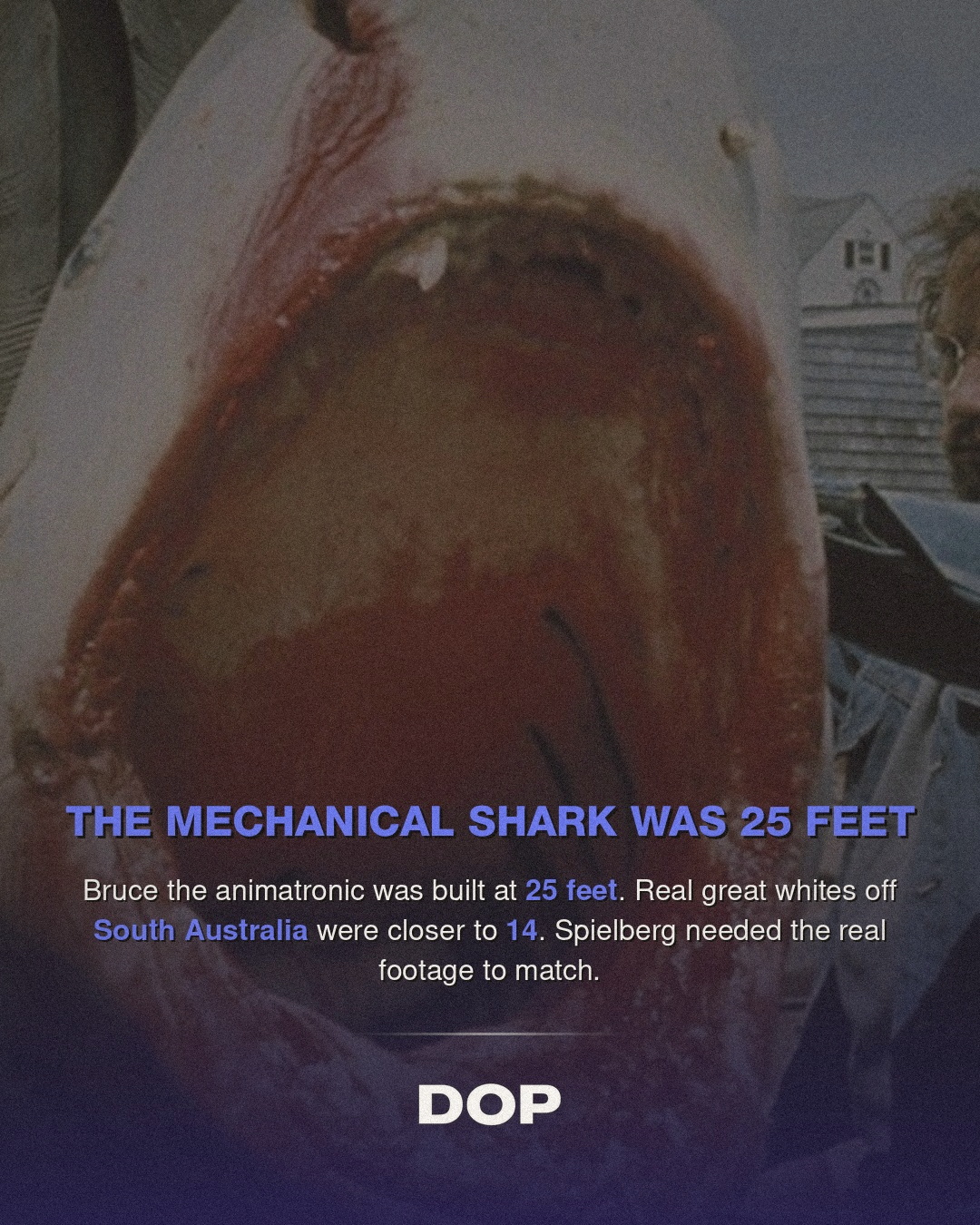
The challenge was simple: the script called for a menacing great white shark, but the real-life specimens encountered off the coast of South Australia by underwater cinematographers Ron and Valerie Taylor were, by Hollywood standards, underwhelming in size. While a 13-foot great white is formidable, it paled in comparison to the 25-foot behemoth envisioned for the film's climax and indeed, the scale of the animatronic shark. Spielberg, ever the pragmatist and visionary, needed to bridge this gap, and his solution was nothing short of brilliant: he didn't make the shark bigger; he made the man smaller.
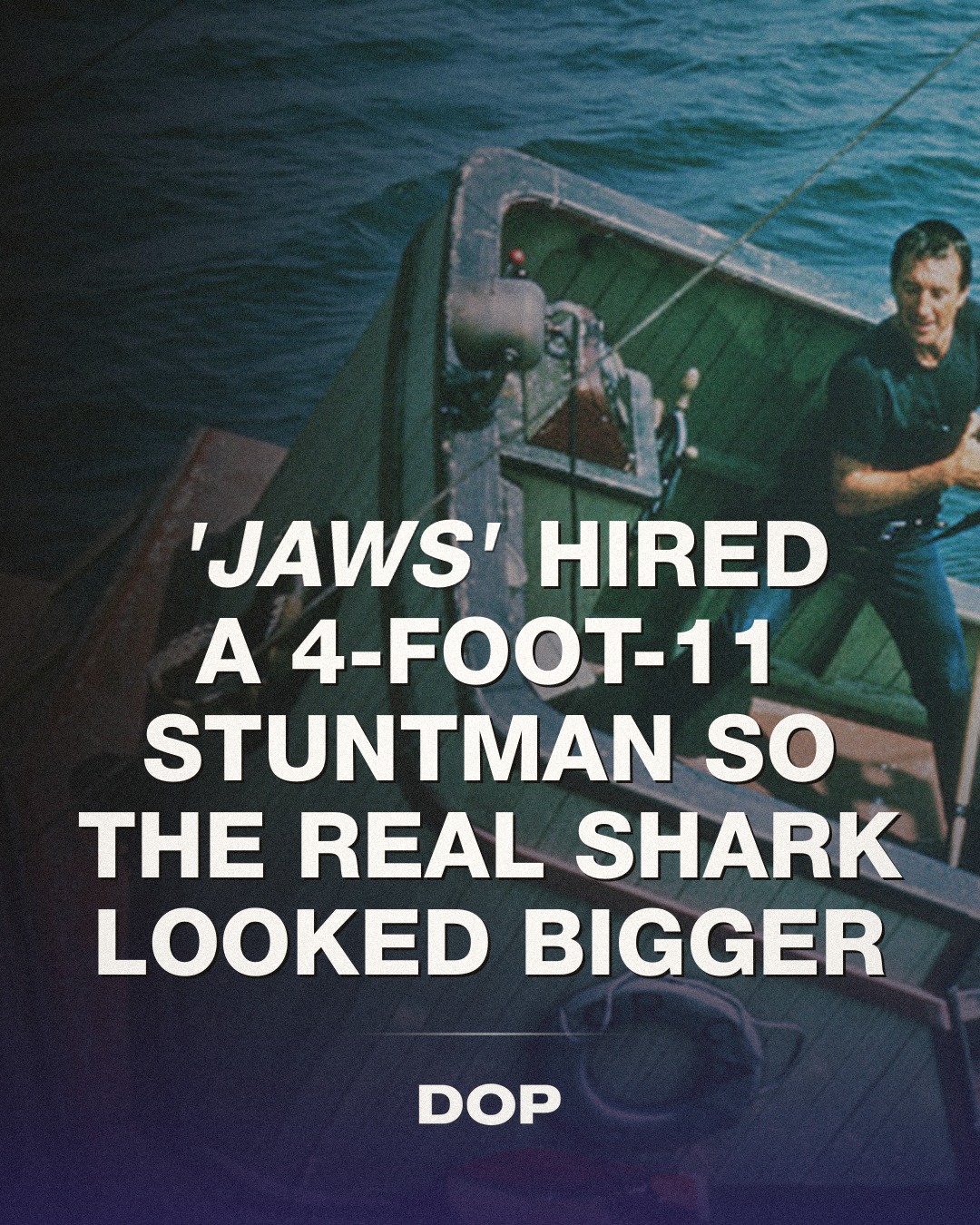
Enter Carl Rizzo, a 4-foot-11 stuntman with a history of doubling child actors. Spielberg and his team constructed a custom, half-size shark cage. By placing Rizzo in this miniature cage, the 13-foot great white sharks that swam around him on camera would appear to be twice their actual size, instantly transforming them into the terrifying leviathans the narrative demanded. This simple yet profound manipulation of scale is a cornerstone of cinematic illusion, demonstrating a deep understanding of how the human eye perceives relative size on screen. It's a classic example of forced perspective, executed with life-threatening stakes.
The Unscripted Terror: When Reality Bites
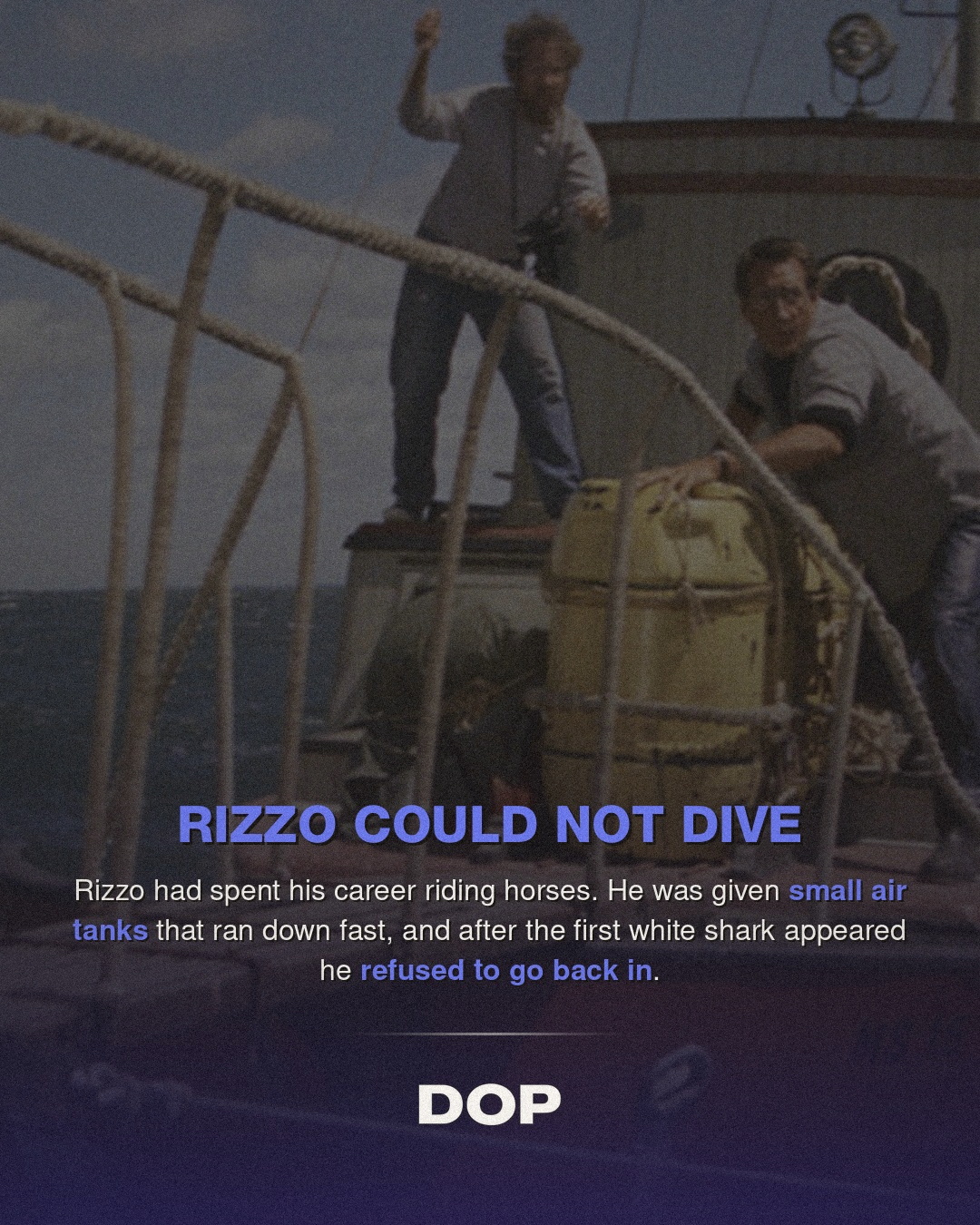
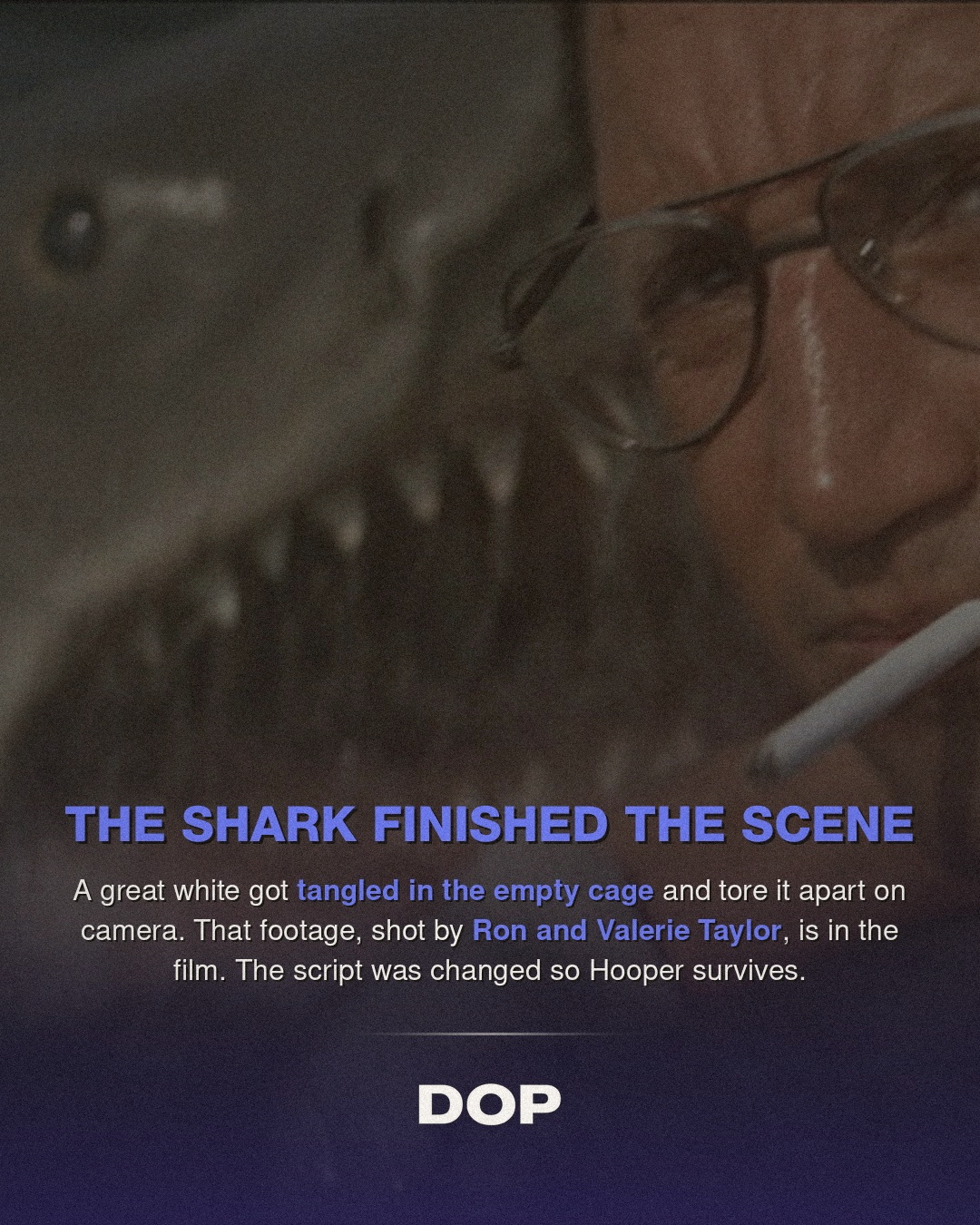
The sequence involving Rizzo, however, was not without its own brand of drama. Rizzo, despite his professional bravery, found the experience of being in a cage with real great whites profoundly unsettling and reportedly refused to go back in after his initial encounter. This led to a pivotal moment of serendipity that gifted Jaws some of its most iconic and terrifying footage. With Rizzo out of the picture, the empty, half-sized cage was still in the water, awaiting its fate. It was then that a real great white, perhaps curious or agitated, got entangled in the cage and, in a furious struggle, tore it apart.
"The genius of Spielberg and the Taylors wasn't just in capturing the footage, but in recognizing its narrative power, transforming a technical hurdle and an unscripted event into a moment of pure, visceral terror."
This footage, captured by the intrepid Ron and Valerie Taylor, was an unscripted miracle. It was raw, authentic, and utterly terrifying. Spielberg, recognizing the unparalleled realism and intensity of the event, immediately incorporated it into the film, providing a chilling visual representation of the shark's destructive power that no animatronic could replicate. This blend of meticulously planned illusion and fortunate, terrifying reality is what elevates Jaws beyond mere genre film into a masterclass of filmmaking.
Cinematic Legacy: Beyond the Bite
The story of the shrunken stuntman and the real shark is more than just a production anecdote; it's a window into the mind of a director who understood that the true power of cinema lies in its ability to manipulate perception and evoke primal fear. While the film's primary cinematographer, Bill Butler, ASC, is rightly lauded for his masterful use of low-angle shots, point-of-view perspectives, and the iconic 'dolly zoom,' the underwater sequences by the Taylors were crucial. Their robust underwater camera rigs, often housing Arriflex 35mm cameras, were instrumental in bringing the true terror of the ocean to the screen, capturing the natural light and unpredictable movements of the great whites with chilling authenticity.
This episode highlights a core principle of effective cinematography: sometimes the most impactful images are born not from technological superiority, but from ingenious practical solutions and a willingness to embrace the unpredictable. The decision to use a shrunken stuntman was a stroke of genius in forced perspective, while the real shark tearing apart the empty cage provided an unvarnished, terrifying reality that deepened the film's impact. Jaws remains a foundational text for aspiring cinematographers and filmmakers, not just for its suspense, but for its enduring lessons in visual problem-solving and the art of cinematic illusion.