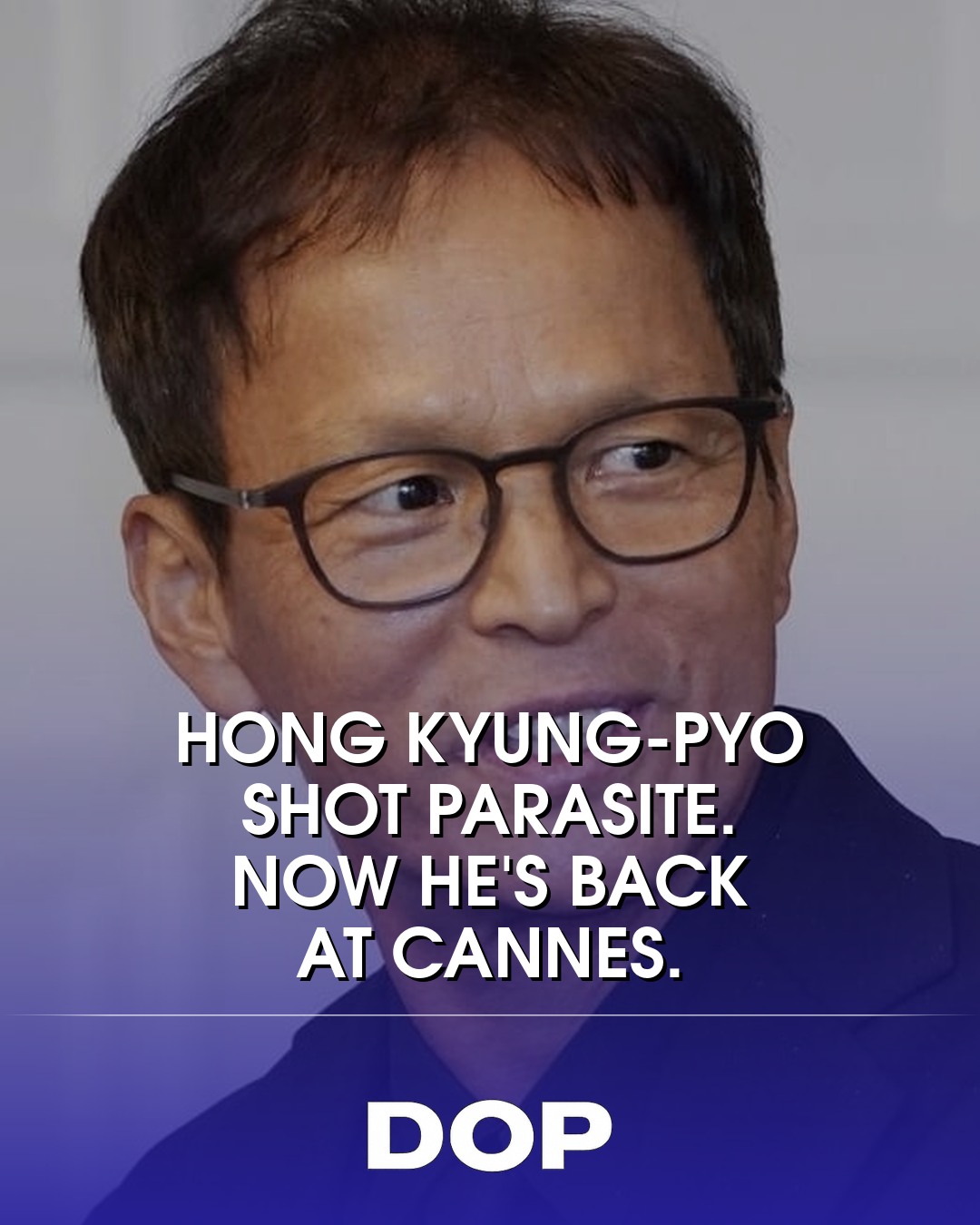
The name Hong Kyung-pyo resonates with a particular weight in the hallowed halls of contemporary cinematography. For those of us who obsess over the interplay of light and shadow, the tactile quality of film grain (or its digital equivalent), and the profound emotional impact of a perfectly composed frame, Hong's work is a masterclass in visual storytelling. His return to Cannes, collaborating once again with Na Hong-jin on the hotly anticipated film Hope, starring Michael Fassbender and Alicia Vikander, isn't just news; it's a reaffirmation of a singular talent and a moment for us to reflect on his indelible contributions to cinema.
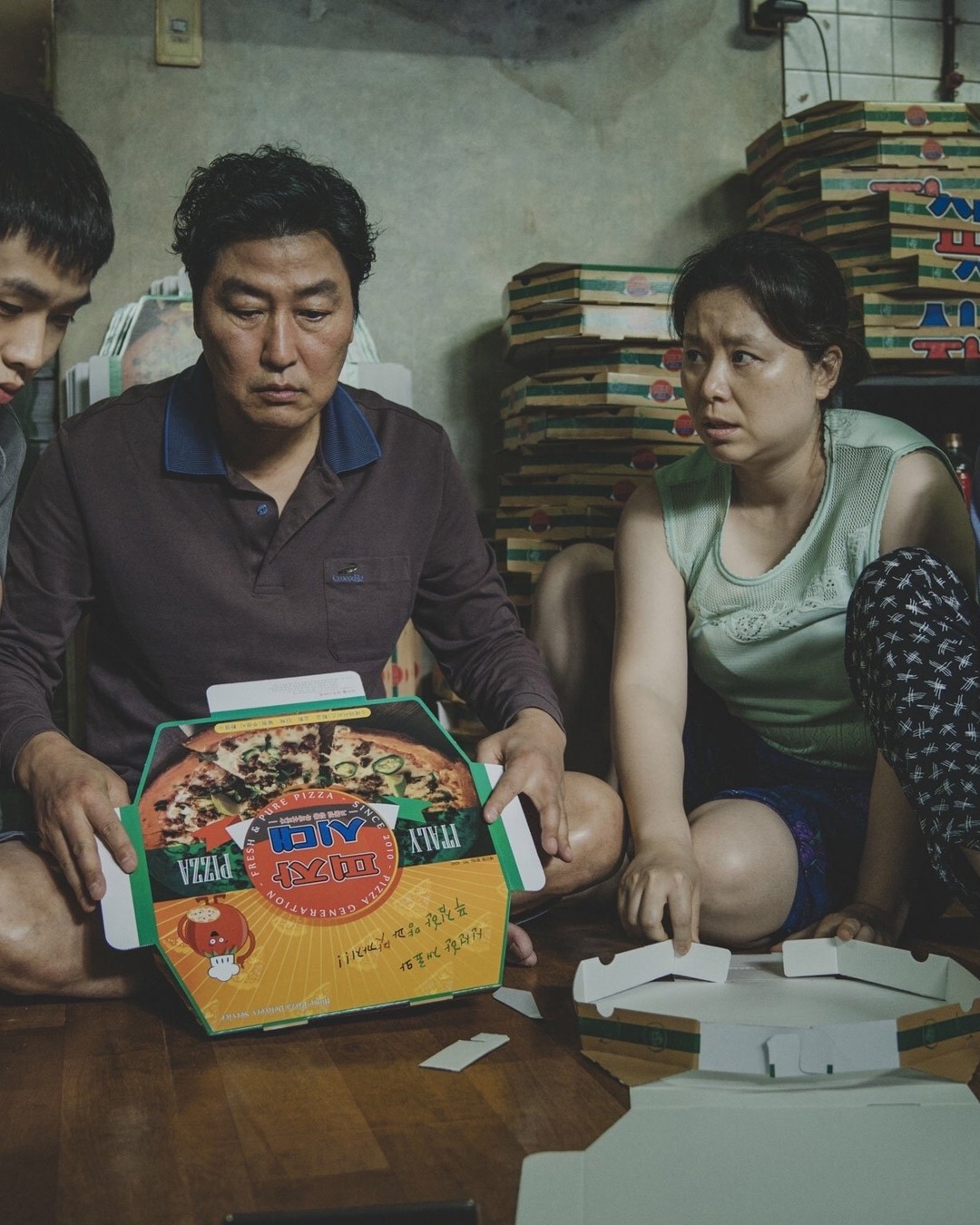
Hong Kyung-pyo is not merely a technician; he is an artist who wields the camera like a painter commands a brush. His filmography is a testament to an audacious vision and an unwavering commitment to craft. Consider his work on Bong Joon-ho's Palme d'Or-winning masterpiece, Parasite. Here, Hong's cinematography was instrumental in articulating the film's biting social commentary. The stark contrast between the sun-drenched, manicured lawns of the Park family's modernist abode and the subterranean, claustrophobic world of the Kim family's semi-basement apartment was not just set dressing; it was a character in itself, meticulously sculpted with light.
The Architecture of Light in Parasite
In Parasite, Hong’s approach to lighting was surgical. The Park residence, designed by architect Lee Ha-jun, became a canvas for natural light, often filtered and diffused to create an aspirational, yet sterile, environment. Conversely, the Kim family's dwelling was a masterclass in practical lighting, augmented by carefully placed subtle sources to evoke a sense of dampness, desperation, and encroaching darkness. The deliberate use of practicals like bare bulbs and fluorescent tubes in the lower-class settings, contrasted with the sophisticated, hidden lighting of the wealthy, underscored the film's core themes without ever feeling didactic. Hong’s choice of the Arri Alexa 65, known for its expansive dynamic range and incredible resolution, allowed him to capture these stark differences with breathtaking clarity, preserving detail in both the brightest highlights and the deepest shadows, a critical element in a film so reliant on visual metaphor.
"Hong Kyung-pyo doesn't just light a scene; he sculpts emotion into the very fabric of the image, using light and shadow as his primary tools."
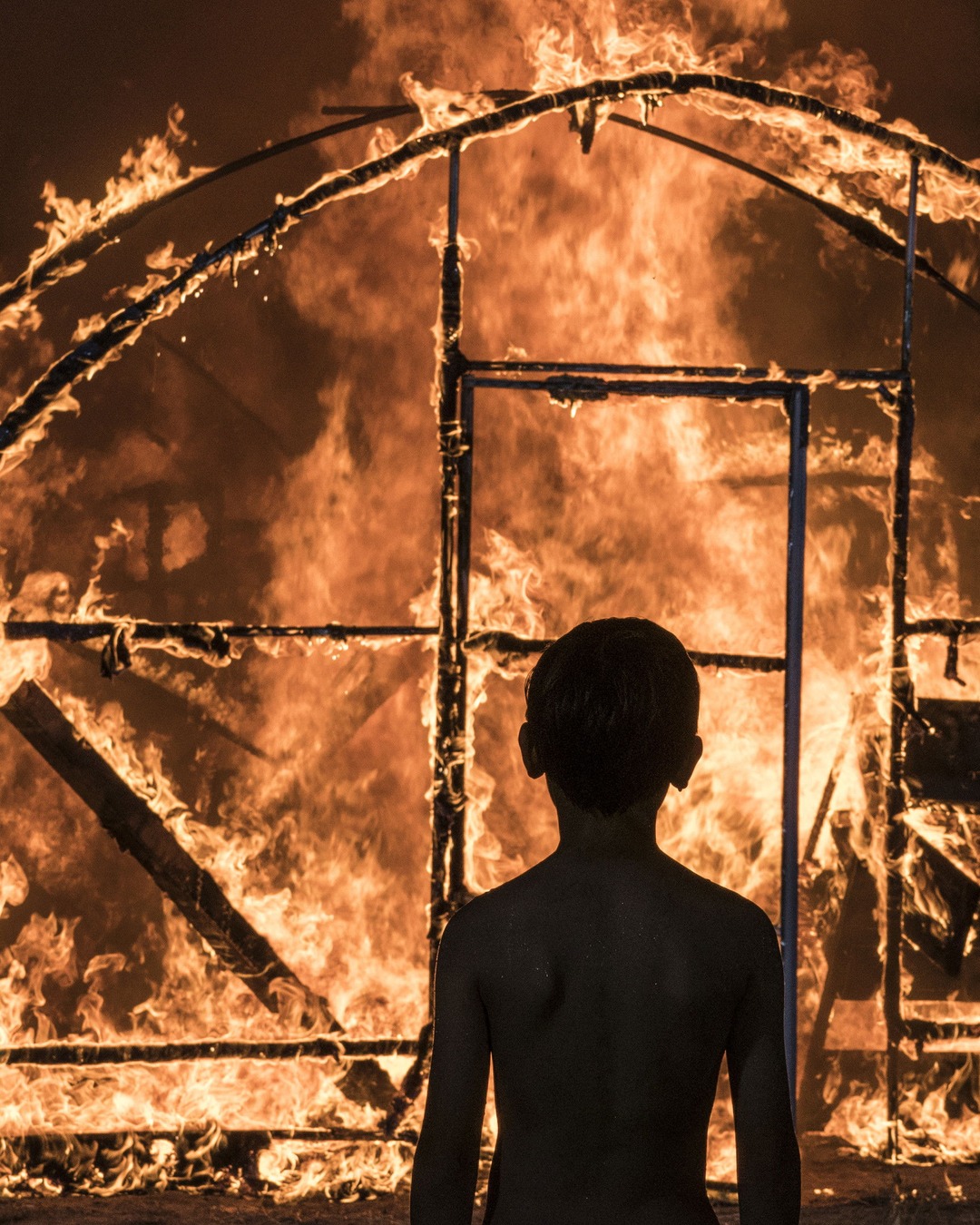
Before Parasite, Hong’s versatility and profound understanding of visual narrative were already evident. His collaboration with Lee Chang-dong on Burning (2018), which earned the FIPRESCI Prize at Cannes, showcased a different facet of his genius. Here, the cinematography was more ethereal, suffused with a sense of melancholic longing and simmering dread. The sun-drenched, yet unsettling, Korean countryside, the golden hour light that bathed the elusive Haemi, and the stark, almost voyeuristic, framing of Jong-su's increasingly desperate search, all contributed to the film’s enigmatic atmosphere. Hong's lens choices, often favoring wider focal lengths to emphasize isolation and the vastness of the landscape, imbued Burning with a haunting, dreamlike quality.
Mastering the Macabre in The Wailing
Then there's Na Hong-jin's The Wailing (2016), a film that plunges into the abyss of folk horror and existential dread. Hong Kyung-pyo's work here is nothing short of bravura. The film's oppressive atmosphere, its creeping sense of unease, and its terrifying supernatural elements are amplified by cinematography that masterfully blends the grotesque with the sublime. The rain-soaked, fog-laden landscapes, the claustrophobic interiors, and the visceral close-ups of terrified faces are all rendered with an unflinching gaze. Hong's lighting in The Wailing often leaned into naturalistic darkness, forcing the audience to strain their eyes, mirroring the characters' desperate search for answers in an increasingly chaotic world. The use of anamorphic lenses added to the film's epic, yet intimate, horror, creating a distinctive visual signature that is both terrifying and beautiful.
The announcement of his reunion with Na Hong-jin for Hope at Cannes 2026 is, therefore, more than just exciting; it's a testament to a powerful creative synergy. Given their past work on The Wailing, one can anticipate a film that pushes visual boundaries, where cinematography is not just an aesthetic choice but a crucial narrative engine. With actors of the caliber of Michael Fassbender and Alicia Vikander, Hong Kyung-pyo will undoubtedly craft images that are as emotionally resonant as they are technically brilliant.
Hong Kyung-pyo's legacy is built on a foundation of meticulous planning, an intuitive understanding of story, and an unparalleled ability to translate abstract emotions into concrete visual language. Whether he's capturing the nuanced social satire of Parasite, the haunting mystery of Burning, or the visceral terror of The Wailing, his work consistently elevates the cinematic experience. As we await Hope, we do so with the knowledge that a master of the craft is once again at the helm, promising to deliver a visual feast that will undoubtedly inspire and challenge DPs and film enthusiasts for years to come.