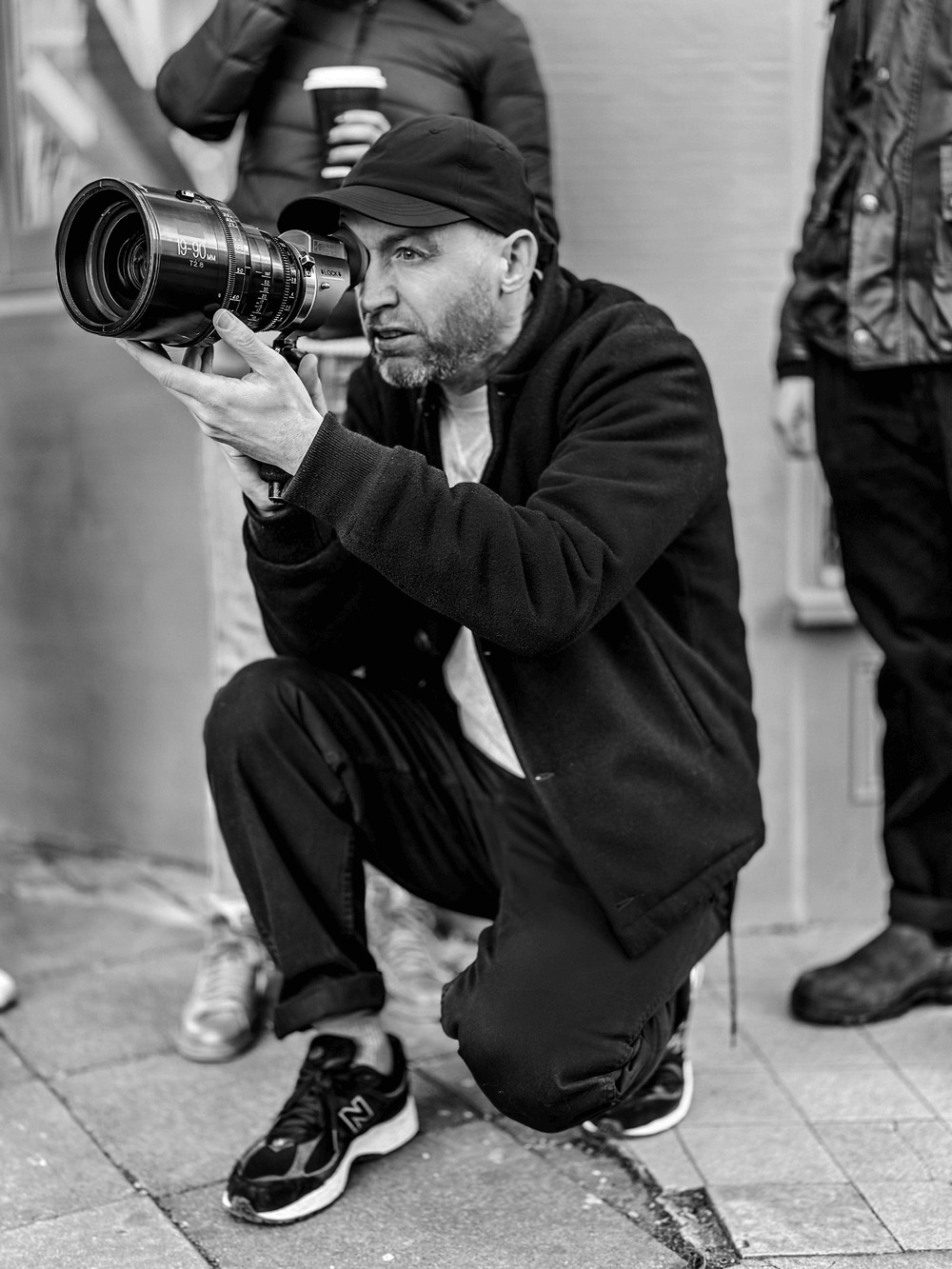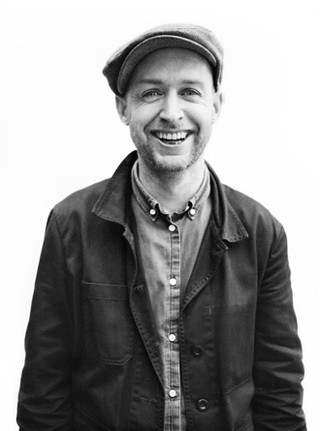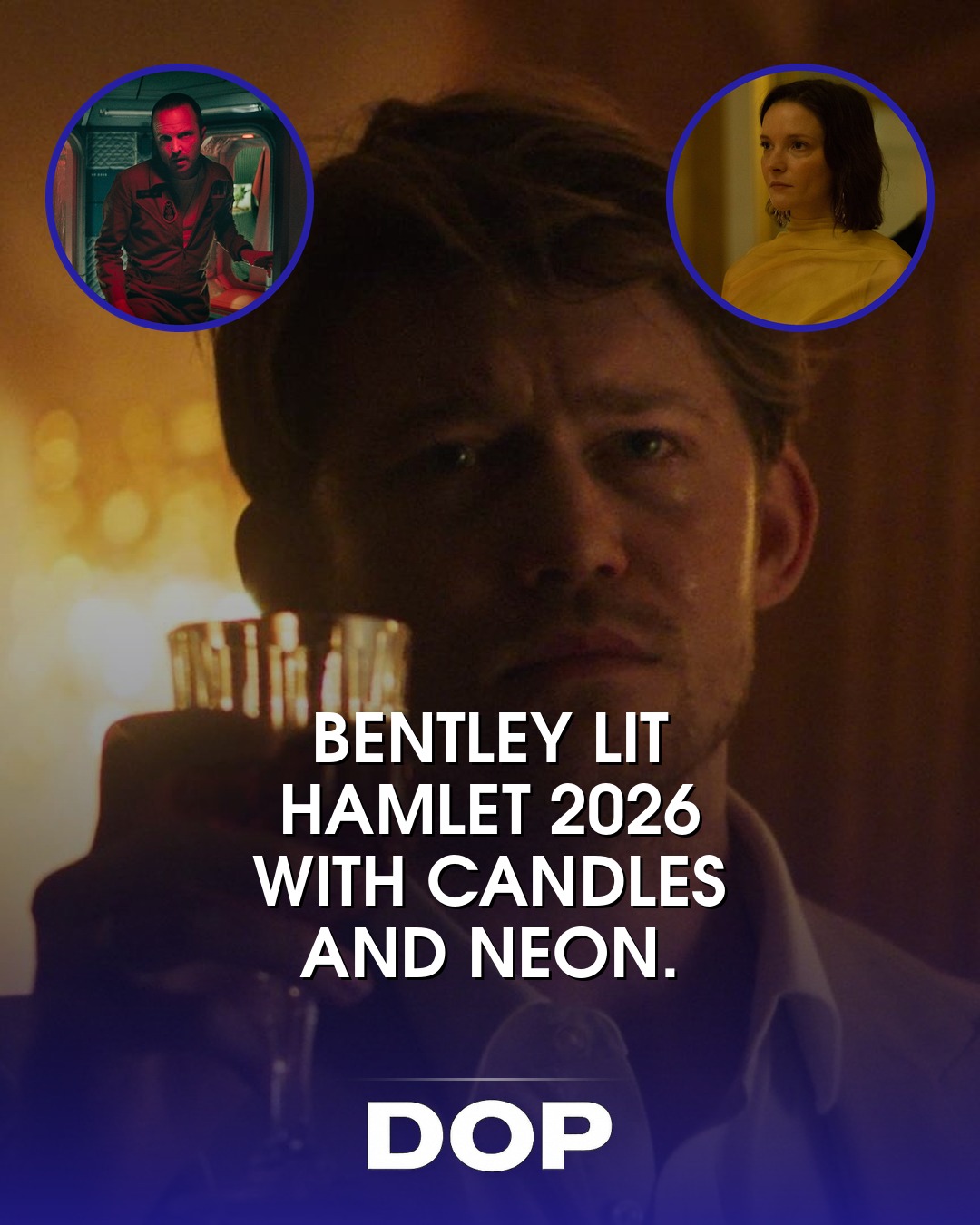
The reimagining of Shakespeare’s Hamlet has always presented a formidable challenge to cinematographers: how to translate the Bard’s timeless tragedy into a fresh visual language that resonates with a contemporary audience. For the 2026 iteration, directed by Oscar-winner Aneil Karia and starring Riz Ahmed, Director of Photography Stuart Bentley, BSC, has not merely met this challenge but has audaciously redefined it. Bentley’s approach is a masterclass in intentional subversion, shedding the expected stately grandeur for a raw, visceral, and deeply unsettling cinematic experience that grounds Hamlet’s psychological torment in the unforgiving grit of modern London.
At the heart of Bentley's visual strategy lies the decision to embrace the ARRI Alexa 35, paired with ARRI DNA Master Primes. This combination is a testament to Bentley’s understanding of modern digital capture and its ability to render exquisite detail even in the most challenging low-light scenarios. The Alexa 35, with its larger sensor and expanded dynamic range, offered the critical latitude needed to navigate the demanding nocturnal landscapes of London. Rather than fighting the city’s inherent darkness, Bentley leaned into it, allowing the naturalistic light sources – the stark glow of streetlamps, the ephemeral pulse of car headlights, and the aggressive hues of neon signage – to paint the frame. This isn't just about technical proficiency; it's a philosophical choice, ensuring that the environment itself becomes a character, an active participant in Hamlet's descent.
Breaking from Tradition: Handheld and Hues
What truly sets Bentley’s work apart in this Hamlet is the radical departure from traditional Shakespearean visual formality. Gone are the meticulously composed wide shots and static frames often associated with period adaptations. Instead, Bentley champions a “shaky-cam” handheld aesthetic, a deliberate choice that mirrors Hamlet’s burgeoning psychological unraveling. This isn't gratuitous movement; it’s a direct conduit to the character’s inner turmoil, pulling the audience into the vortex of his mind. The camera becomes an extension of Hamlet’s fractured perspective, shifting from moments of rigid observation to chaotic, almost frantic, movement. This technique, while challenging to execute with precision, imbues the film with an immediate, almost documentary-like intimacy, making Ahmed’s performance feel even more immediate and raw.
“The decision to go handheld wasn't about being trendy; it was about internalizing Hamlet’s psychological state. We wanted the camera to breathe with him, to shudder with him, to reflect the very instability of his world.”
The lighting philosophy further cements this gritty realism. Bentley eschews artificial perfection, instead harnessing the inherent drama of urban light. Neon purples and greens, often seen as garish in other contexts, are here employed with masterful intent, creating a chiaroscuro effect that feels both authentic and expressionistic. These vibrant, often unsettling, color temperatures are not just cosmetic; they underline the “grimey” urban reality that envelops Hamlet, a stark contrast to the opulence often associated with royal tragedy. This is a prince stripped of his gilded cage, navigating a world as visually harsh as his internal landscape.
From Mogul Mowgli to Hamlet: A Continuing Partnership
Bentley’s collaboration with director Aneil Karia and star Riz Ahmed is a natural extension of their acclaimed work on films like Mogul Mowgli (2020) and the Oscar-winning short The Long Goodbye. In those projects, a similar commitment to raw, unvarnished storytelling and a keen eye for character-driven visuals were evident. Bentley’s filmography, which also includes the intense psychological thriller Surge (2020) and the delicate romantic drama We Live in Time, demonstrates a versatility and a deep understanding of how to tailor visual language to the emotional core of a narrative. With Hamlet, he brings this experience to bear on perhaps his most ambitious project yet.
The choice of large-format digital capture, specifically with the Alexa 35, plays a crucial role in heightening the intimacy of Ahmed’s performance. The larger sensor size yields a shallower depth of field and a more immersive, almost three-dimensional quality to the image, allowing for a heightened sense of presence. This visual characteristic, combined with the DNA Master Primes' renowned character and ability to render skin tones with exquisite detail, ensures that every nuance of Ahmed’s portrayal is captured with breathtaking clarity. It’s a precision that serves a singular purpose: to draw the audience into Hamlet's internal struggle, making his psychological unraveling not just observable, but palpable.
Bentley’s Hamlet is poised to be a landmark achievement in contemporary cinematography. By daring to break free from convention, by embracing the inherent imperfections and visceral realities of urban life, and by utilizing cutting-edge technology with a deeply humanistic intent, he has crafted a visual tapestry that is as challenging as it is compelling. This isn't just a retelling of Shakespeare; it’s a reinterpretation through the lens of modern anxiety, a testament to the power of cinematography to transform the familiar into something profoundly new and unforgettable.
This article contains affiliate links. We may earn a small commission at no extra cost to you. Learn more.