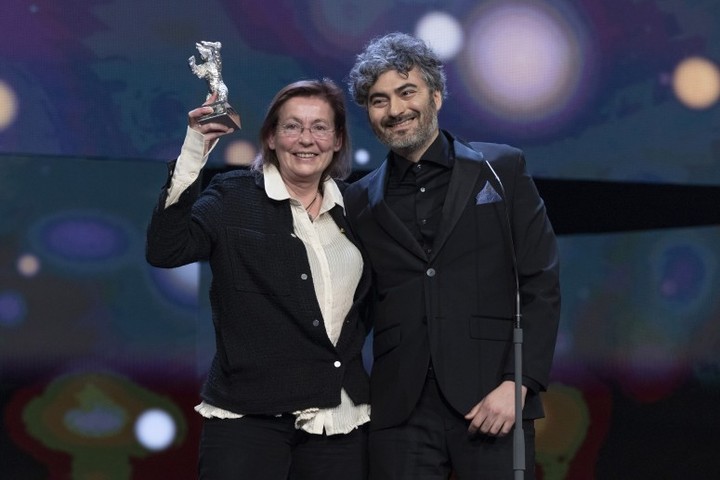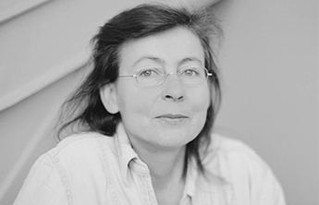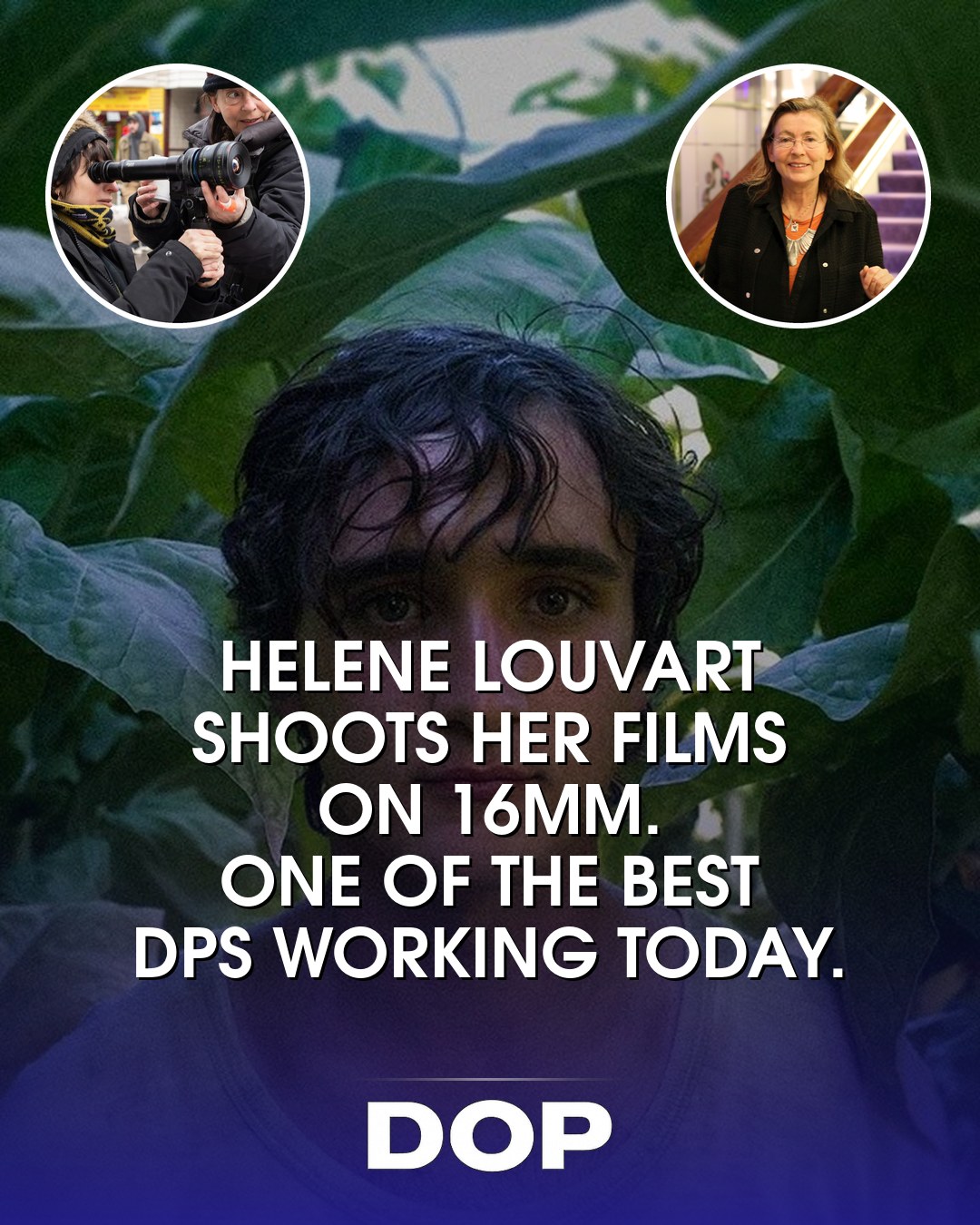
In an era where the digital sensor reigns supreme and visual effects pipelines dictate pre-production, the work of French cinematographer Hélène Louvart stands as a powerful testament to the enduring magic and artistic integrity of analog filmmaking. Louvart, a name synonymous with raw authenticity and profound intimacy, has carved an indelible niche in international independent cinema, influencing a generation of DPs and directors with her unwavering commitment to 16mm film and a deeply observational visual philosophy.
Her filmography reads like a who's who of contemporary arthouse masterpieces: Alice Rohrwacher's Happy as Lazzaro (2018), Eliza Hittman's poignant Never Rarely Sometimes Always (2020), Céline Sciamma's tender Petite Maman (2021), and Maggie Gyllenhaal's evocative The Lost Daughter (2021). Each project, while distinct in narrative, bears Louvart's unmistakable signature: a visual language that feels lived-in, unvarnished, and profoundly human. Her choice of 16mm is not merely a stylistic flourish; it's a foundational element of her aesthetic, imparting a tactile grain, a nuanced color rendition, and a unique emotional resonance that digital often struggles to replicate.
The Philosophy of Less Is More
Louvart's approach is a masterclass in the 'less is more' philosophy. She frequently embraces available light, relying on the inherent beauty and drama of natural illumination to sculpt her scenes. This isn't born out of budgetary constraints alone, but a deliberate artistic choice to ground her narratives in a tangible reality. Her lighting setups are often minimal, designed to enhance rather than overpower, allowing the environment and the actors' performances to dictate the mood. This commitment extends to her crew configurations, which are typically lean, fostering an atmosphere of agility and close collaboration on set.
"My approach prioritizes available light, minimal crew configurations, and a camera style that follows action rather than anticipating it, giving her films a documentary-like intimacy."
The camera itself under Louvart's direction is not a static observer but an active, yet unobtrusive, participant. Her camera movement is often described as 'following' rather than 'anticipating' the action, a technique that imbues her films with a documentary-like intimacy. This fluid, responsive style allows for an authentic capture of moments, lending a sense of unmediated reality to even the most carefully constructed narratives. It's a dance between the camera and the subject, where the camera breathes with the characters, inviting the audience into their immediate experience.
Technical Virtuosity in Analog
Technically, Louvart's preference for 16mm often sees her working with Aaton XTR Prod or Aaton A-Minima cameras, renowned for their ergonomic design and quiet operation, crucial for intimate, dialogue-heavy scenes. Paired with a select array of vintage or characterful prime lenses, such as Cooke S2/S3 or Zeiss Super Speeds, she achieves a pleasing optical fall-off and a subtle warmth that is immediately recognizable. The inherent grain structure of 16mm film stock—be it Kodak Vision3 or Fuji Eterna—adds texture and depth, preventing images from feeling overly sterile or digital. Her color science is less about overt manipulation and more about preserving the natural tones captured by the film, often working closely with her colorist to achieve a nuanced, organic palette that reflects the film's emotional core.
Her work on Petite Maman, for instance, showcases this mastery. The film's gentle, dreamlike quality is profoundly enhanced by the soft grain and pastel hues inherent in the 16mm capture, creating a visual warmth that perfectly complements the narrative's tender exploration of childhood and grief. Similarly, in Never Rarely Sometimes Always, the slightly rougher, more immediate feel of 16mm lends a stark authenticity to the protagonist's arduous journey, stripping away any potential for cinematic gloss and forcing the viewer into an uncomfortably real experience.
A Beacon for Authentic Storytelling
In an industry increasingly defined by technological arms races and the pursuit of pristine digital imagery, Louvart's commitment to analog formats and stripped-down production methods is a deliberate artistic position and a powerful counter-narrative. It's a reminder that world-class cinematography does not require the largest sensor, the sharpest lenses, or the most extensive lighting package. Instead, it demands a profound understanding of light, composition, and human emotion, coupled with an unwavering vision.
Hélène Louvart is more than just a cinematographer; she is an artisan, a storyteller whose medium of choice is film itself. Her work champions a kind of visual integrity that is both refreshing and deeply inspiring, proving that sometimes, the most profound cinematic experiences are found not in grand spectacle, but in the quiet, textural beauty of a perfectly observed moment, captured on celluloid.
This article contains affiliate links. We may earn a small commission at no extra cost to you. Learn more.