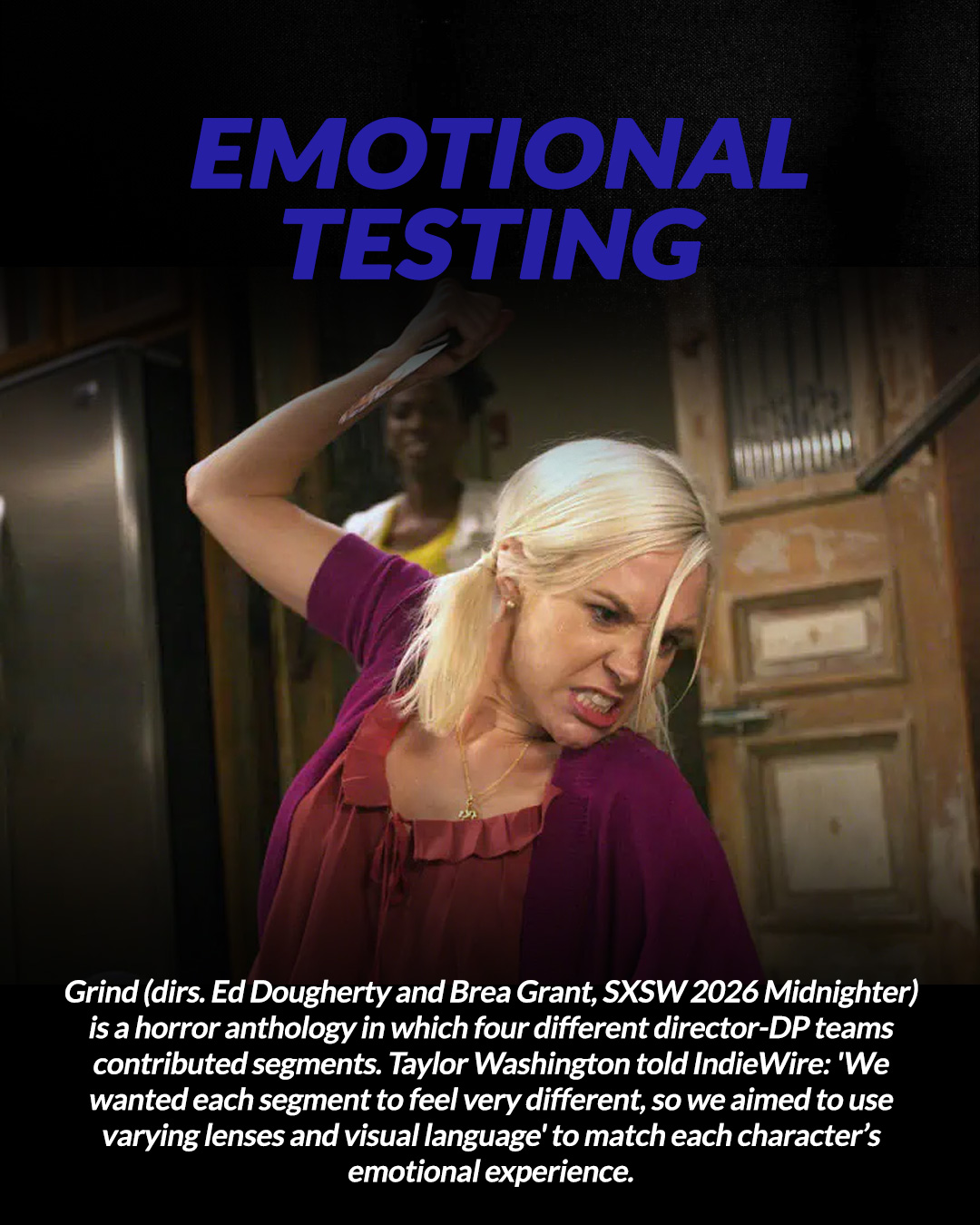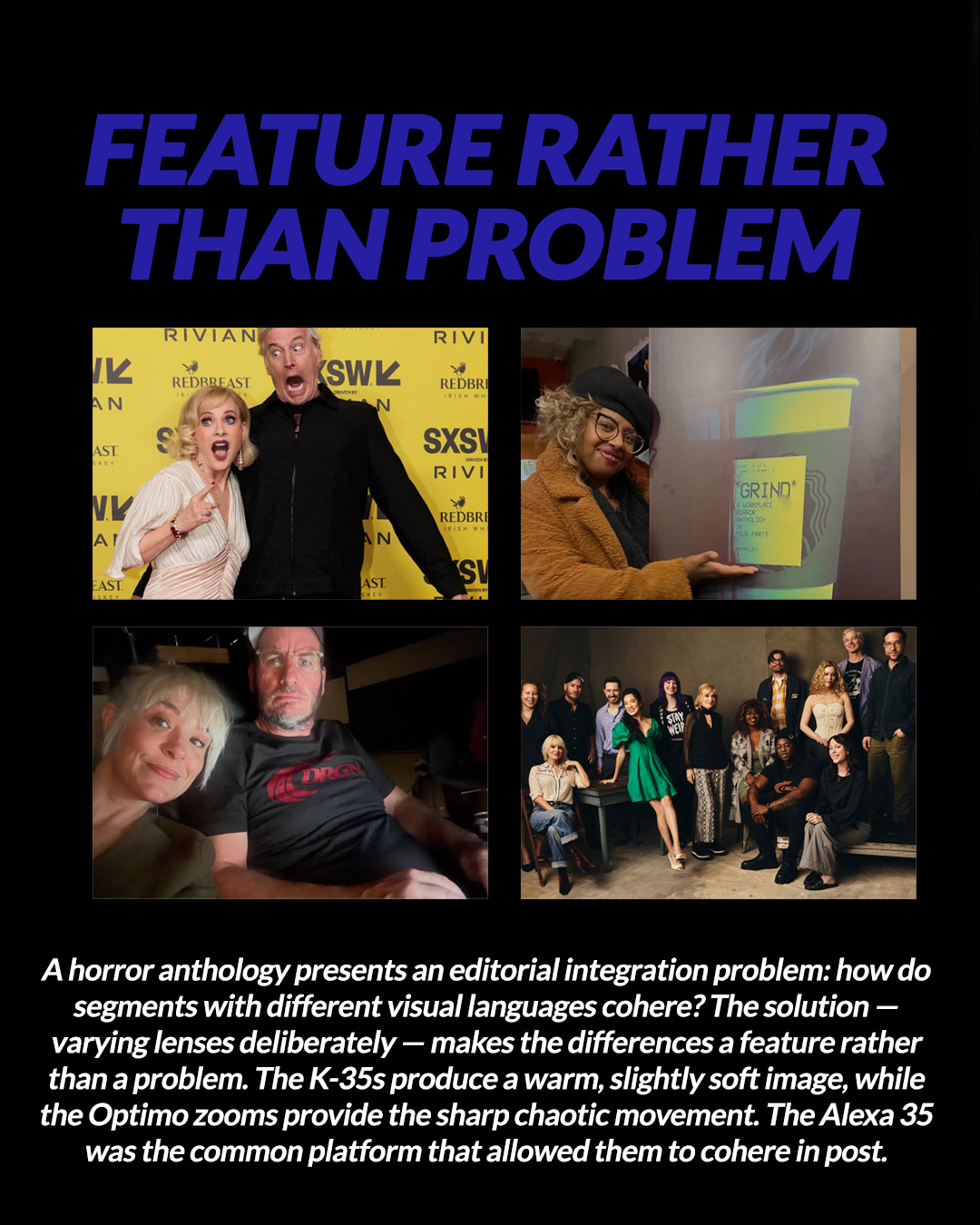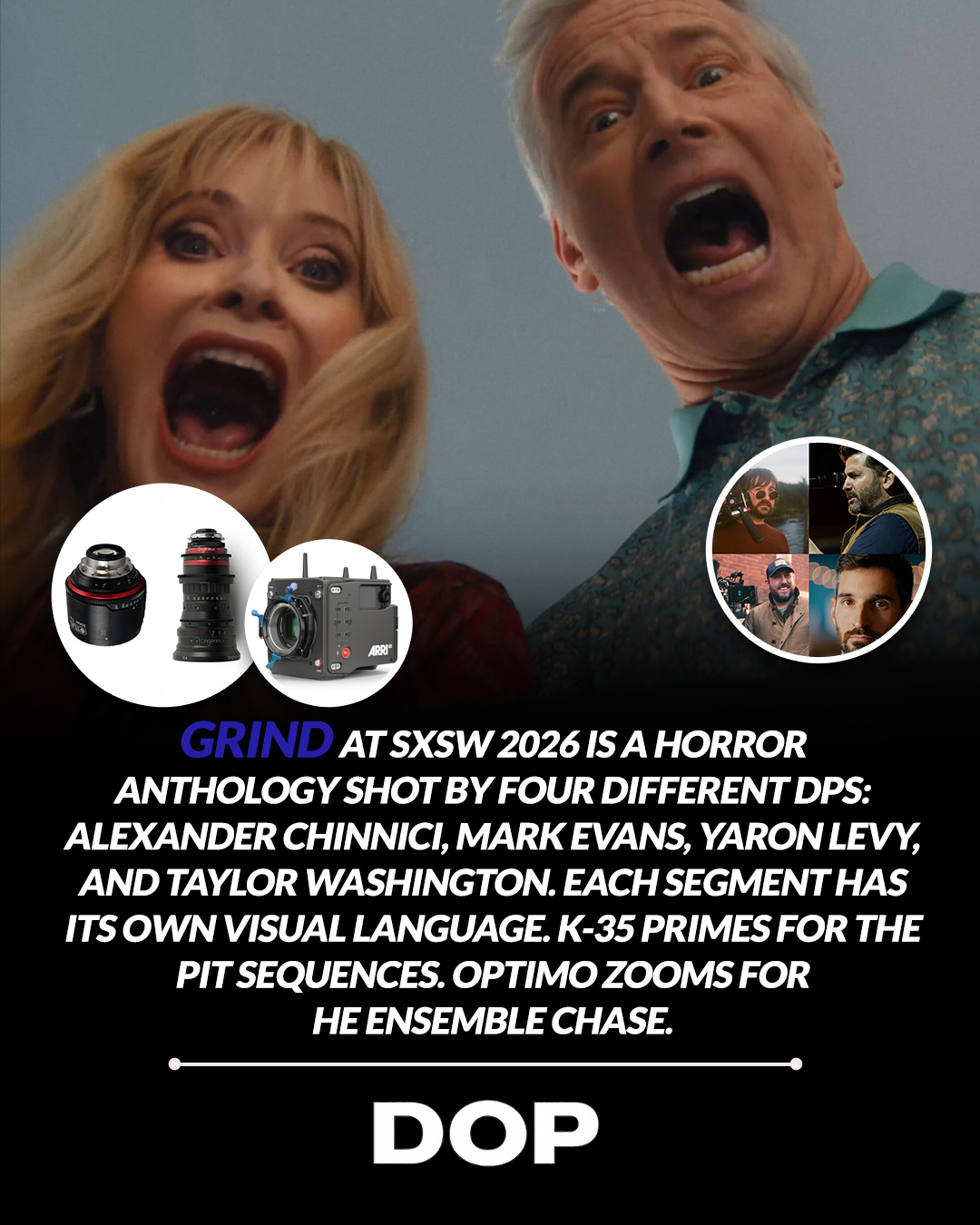
The horror anthology has long been a staple of the genre, offering a smorgasbord of scares and often serving as a proving ground for emerging talent. Yet, the inherent challenge lies in maintaining a cohesive cinematic identity across disparate stories and directorial voices. SXSW 2026's Midnighter sensation, GRIND, doesn't just meet this challenge; it weaponizes it. Under the directorial helm of Ed Dougherty and Brea Grant, and with the distinct visual contributions of DPs Alexander Chinnici, Mark Evans, Yaron Levy, and Taylor Washington, GRIND presents a masterclass in intentional visual divergence, proving that variety isn't just the spice of life, but the backbone of a truly unsettling cinematic experience.
The core premise, as Taylor Washington revealed to IndieWire, was to allow each segment to breathe with its own unique visual language. This isn't a mere stylistic flourish; it's a profound understanding of how cinematography can shape narrative, mood, and audience perception. Rather than striving for a homogenized look, the filmmakers embraced the distinct visions of their four cinematographers, leveraging specific camera and lens choices to amplify the thematic undercurrents of each story. This deliberate fracturing of visual identity becomes, paradoxically, the film's most unifying and compelling aesthetic.
Crafting Claustrophobia: The K-35s and the ARRI Alexa 35
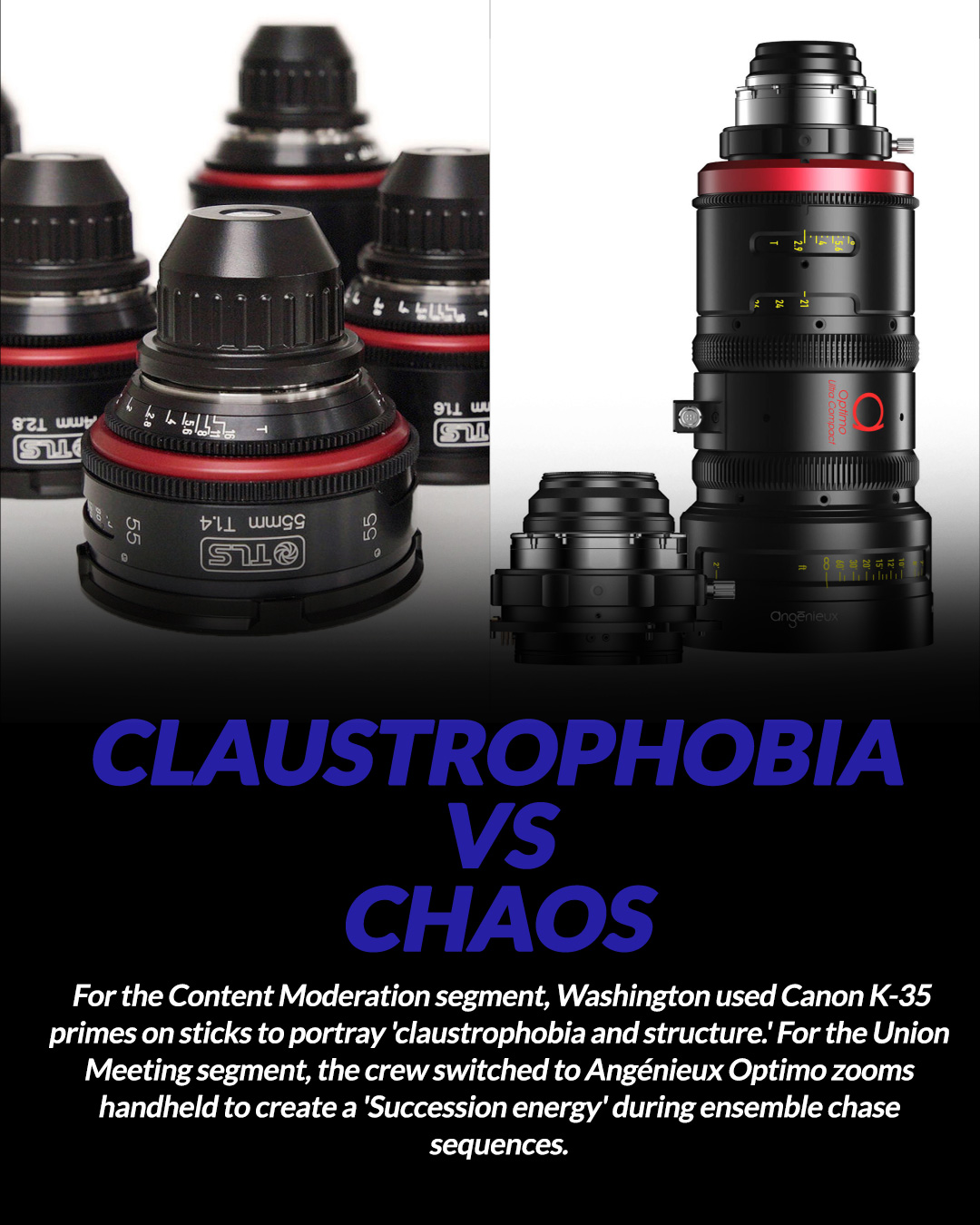
One of the standout examples cited from GRIND is the 'Content Moderation' segment, which features harrowing 'pit sequences.' Here, DP Alexander Chinnici (or one of the DPs responsible for this segment, as the caption implies collective contribution) opted for Canon K-35 primes. This choice is a deeply informed one for conjuring claustrophobia. The K-35s, renowned for their warm, slightly diffused image and gentle fall-off, possess a vintage charm that can evoke a sense of decay and inescapable dread. Their inherent optical characteristics, including a subtle flaring and a beautiful, organic bokeh, prevent the image from feeling too sterile or digital, even when paired with a cutting-edge sensor like the ARRI Alexa 35. The Alexa 35, with its larger-than-Super35 4:3 sensor, delivers an incredible dynamic range and color science, allowing for deep, rich blacks and nuanced shadow detail, crucial for creating an oppressive, light-starved environment. The K-35s, on this sensor, would render skin tones with a pleasing warmth while still retaining the grittiness necessary for a horror context, making the confined spaces feel both intimately real and terrifyingly inescapable.
The combination of the K-35's vintage glass and the Alexa 35's modern sensor fidelity is a powerful one. It allows for the capture of incredibly detailed textures within the pit, the rough concrete, the grime, the desperate faces, without sacrificing the atmospheric softness that lends an almost dreamlike, yet nightmarish, quality. This isn't just about making things look old; it's about using optical imperfections as narrative tools. The subtle distortions at the edges of the frame, the way light interacts with the glass, all contribute to a feeling of unease and disorientation, perfectly aligning with the psychological torment of being trapped in a 'pit.' It's a testament to the DP's understanding of how specific lens characteristics can directly translate into emotional impact.
Dynamic Chaos: Optimo Zooms and Handheld Agility
Contrast this with the 'Union Meeting' segment, where the challenge was to capture the chaotic energy of an 'ensemble chase.' For this, the production turned to Angenieux Optimo zooms, employed predominantly handheld. The Optimo series is a workhorse in high-end cinema, celebrated for its optical precision, consistent image quality across focal lengths, and robust mechanical design. Crucially, their relatively fast apertures and excellent light transmission make them ideal for dynamic, often dimly lit, action sequences. When paired with the ARRI Alexa 35, a camera known for its exceptional low-light performance and ergonomic design, the Optimos become tools of unparalleled operational flexibility.
"We wanted each segment to feel very different, so we aimed to use varying lenses and visual language." - Taylor Washington, DP
The choice of handheld operation with these zooms speaks volumes about the desired aesthetic. It injects an immediate, visceral energy into the chase sequences, placing the audience directly within the frantic action. The slight imperfections of handheld movement, the subtle breathes, the organic shifts in framing, lend an authenticity and rawness that a more controlled, dolly-based shot might lack. Furthermore, the ability to quickly change focal lengths with a zoom lens in a fluid, handheld motion is invaluable for adapting to unpredictable action, maintaining focus on multiple characters, and rapidly altering the sense of space and proximity. This flexibility allows the DP to react instinctively to the unfolding chaos, ensuring that the camera itself becomes an active participant in the chase, rather than a passive observer. It's a strategic choice that prioritizes immediacy and kinetic impact over pristine, static compositions, perfectly serving the segment's narrative demands.
The ARRI Alexa 35: The Unifying Canvas
While the lens choices intentionally diverge, the decision to shoot all segments on the ARRI Alexa 35 provides a crucial, underlying layer of cohesion. The Alexa 35, with its REVEAL Color Science, delivers a stunningly natural and film-like image, boasting an impressive 17 stops of dynamic range. This shared digital canvas means that despite the vastly different lens characteristics, from the vintage warmth of the K-35s to the modern precision of the Optimos, the fundamental color rendition, latitude, and overall image fidelity remain within the ARRI ecosystem. This allows for a consistent post-production pipeline, ensuring that color grading can be applied effectively across all segments, ultimately helping to weave the disparate visual threads into a single, albeit multifaceted, tapestry.
The Alexa 35's ability to handle extreme highlights and deep shadows with grace is particularly vital for horror, where mood is often sculpted by the interplay of light and darkness. It means that the DPs could push their lighting designs, whether creating oppressive gloom for the pit or dynamic contrasts for the chase, with confidence, knowing the sensor would faithfully capture the subtleties. This shared technological foundation, beneath the varied lens looks, is what allows GRIND to be both visually diverse and fundamentally unified, proving that a strong technological backbone can empower creative freedom without sacrificing the film's overall integrity.
GRIND stands as a compelling case study in intentional cinematography. By empowering four distinct DPs with specific tools and a clear mandate for visual individuality, Dougherty and Grant, along with their talented cinematographers, have crafted an anthology that celebrates the power of the image to tell diverse stories within a singular, terrifying framework. It's a bold statement that challenges conventional notions of visual consistency and, in doing so, elevates the horror anthology to new cinematic heights. For DPs and film enthusiasts alike, GRIND is a must-see for its audacious and brilliantly executed visual strategy.
This article contains affiliate links. We may earn a small commission at no extra cost to you. Learn more.