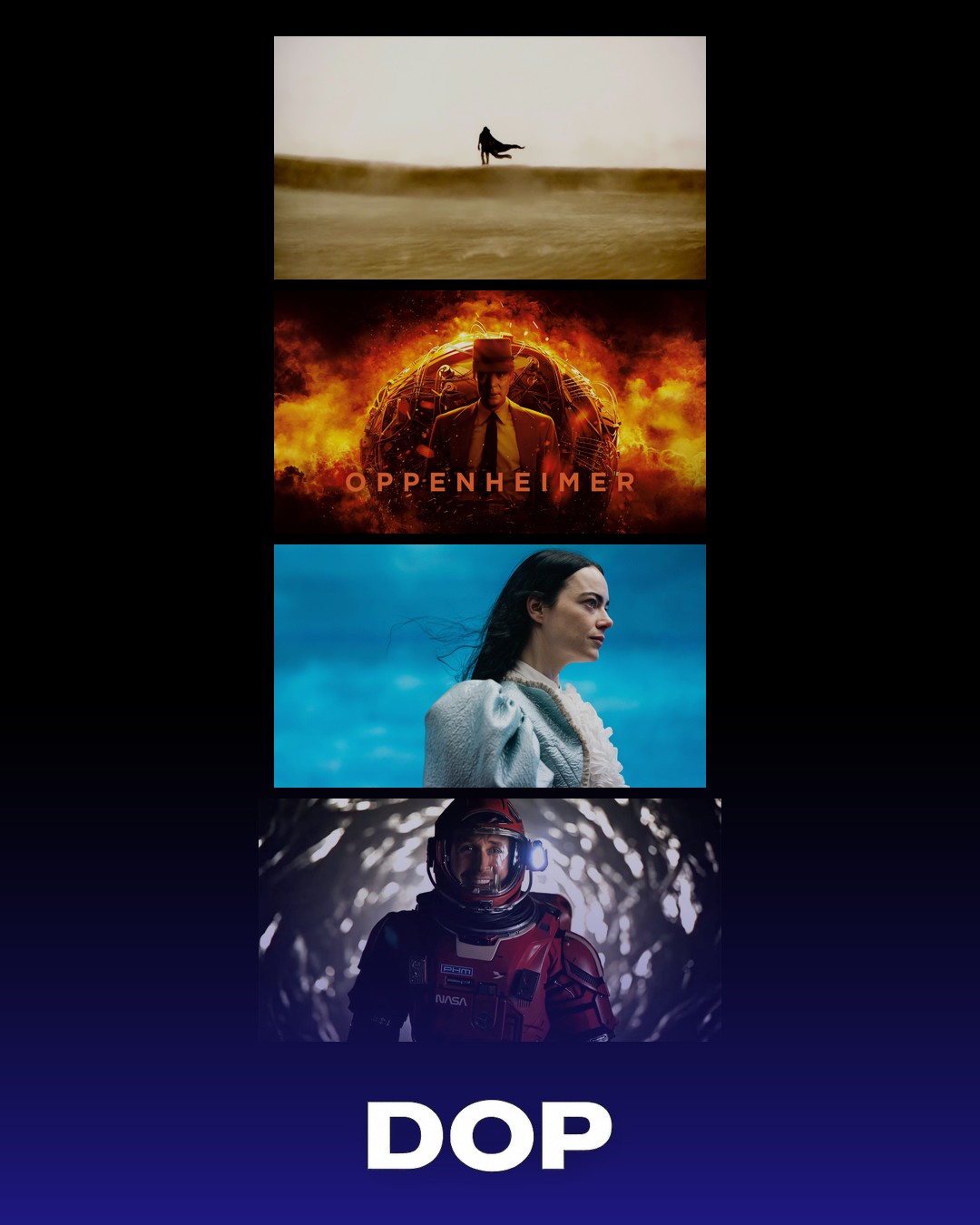
In an era increasingly dominated by post-production wizardry and digital manipulation, Greig Fraser's work on Project Hail Mary stands as a bracing testament to the enduring power of in-camera practical effects. The initial glimpses into his methodology for this highly anticipated film reveal a cinematographer operating at the zenith of his craft, not merely capturing images but meticulously crafting them with bespoke tools and ingenious on-set solutions. This isn't just about achieving a look; it's about embedding visual narrative into the very fabric of the image, live and in-situ.
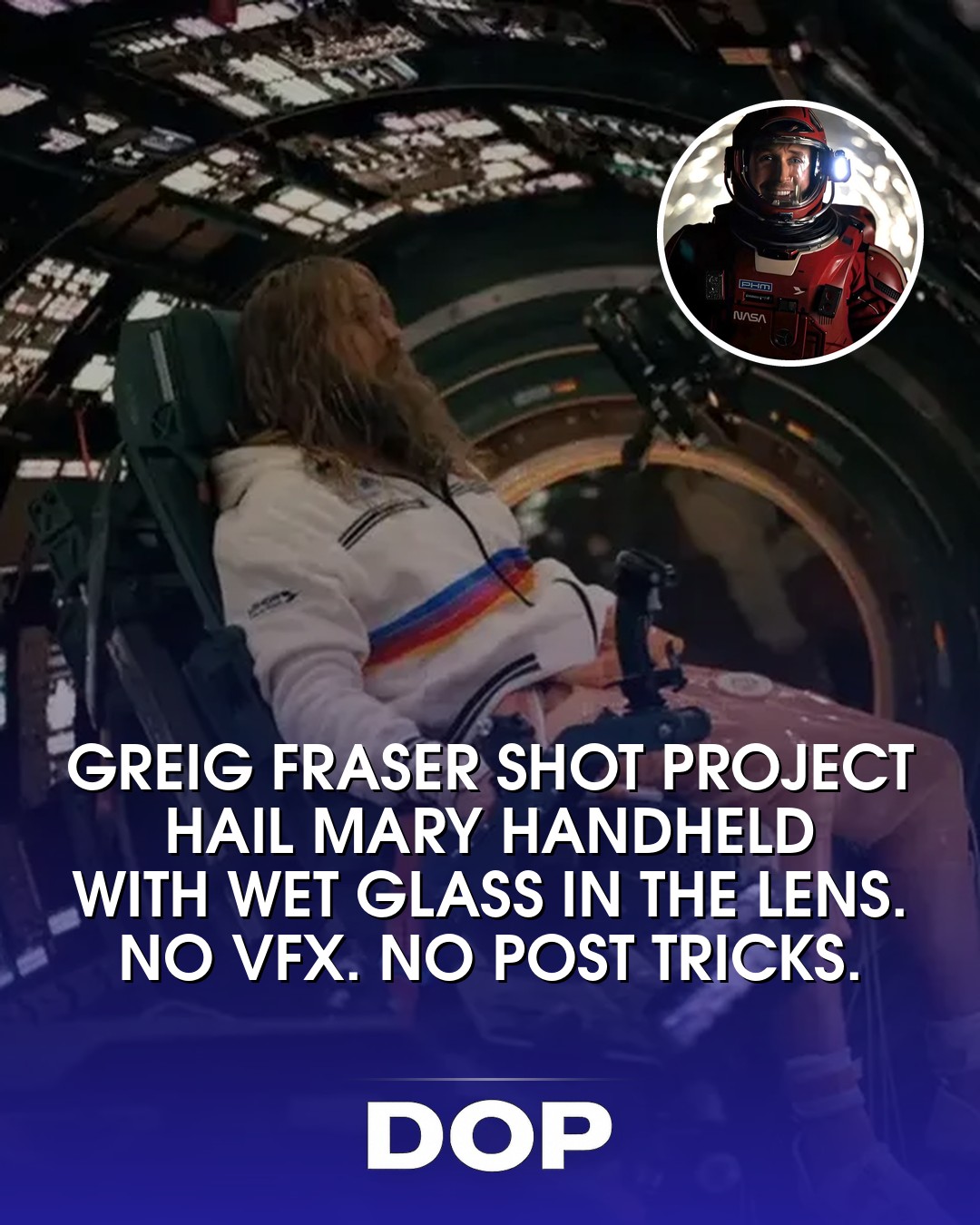
The headline-grabbing technique, the custom two-pane 'wet glass' rig, is a prime example of Fraser's audacious vision. Mounted directly in front of the lens, this isn't a post-production filter or a digital effect; it's a physical apparatus introducing real water refraction into the live take. Imagine the precision required: an assistant, synchronized with the camera operator, manipulating these water-filled panes to create the desired distortion and visual texture. This isn't just an aesthetic choice; it’s a philosophical one. By eschewing digital trickery, Fraser ensures that the unique optical properties of water – its unpredictable refractions, its organic flow – are genuinely captured, lending an unparalleled authenticity and tactile quality to the visuals that no algorithm could perfectly replicate. It speaks to a deep respect for the inherent character of light and matter.
Illuminating Innovation: Pixel-Mapped Tungsten and Bespoke Optics
Fraser's ingenuity extends beyond water-logged optics. For the film's tunnel sequence, he deployed pixel-mapped tungsten rigs, a sophisticated lighting approach that allowed him to dynamically rotate synthetic sunlight in real-time. This level of control over artificial light sources is transformative, enabling hyper-realistic simulations of environmental changes or dramatic shifts in mood. Paired with a custom 'rainbow filter' designed to generate signature highlight streaks, this setup isn't just illuminating a scene; it's sculpting the light with an artisan's precision. The 'rainbow filter' itself hints at Fraser's fascination with the unique optical anomalies that lenses and light can create, transforming potential imperfections into distinctive stylistic signatures, a philosophy he's explored in previous works like Dune.
“By eschewing digital trickery, Fraser ensures that the unique optical properties of water – its unpredictable refractions, its organic flow – are genuinely captured, lending an unparalleled authenticity and tactile quality to the visuals.”
The choice of camera and lens further underscores Fraser’s meticulous approach. Shooting on the ARRI Alexa 65, renowned for its massive sensor and exceptional image fidelity, provides an expansive canvas for his visual storytelling. But it's his handling of anamorphic lenses that truly elevates the technical conversation. Fraser rotated these lenses 90 degrees to natively hit the IMAX 1.43:1 aspect ratio in a single optical pass. This is a crucial distinction: it's not a reframe, not a crop, but an intentional photographic choice that maximizes the sensor's real estate and the anamorphic glass's unique characteristics for the IMAX format. This method preserves the full organic character of the anamorphic squeeze and de-squeeze, avoiding any digital interpolation or loss of resolution that might occur with post-production reframing. It showcases a deep understanding of optical physics and a commitment to delivering an uncompromised, immersive cinematic experience.
The Fraser Signature: Authenticity in a Digital Age
Greig Fraser's filmography is marked by a consistent pursuit of visual authenticity, often achieved through innovative in-camera techniques. From the gritty realism of Zero Dark Thirty to the expansive, textural landscapes of Dune, he consistently pushes against the easy button of digital augmentation. His work on Project Hail Mary seems to encapsulate this philosophy, leaning into the tactile, the optical, and the tangible. By building bespoke rigs and custom lighting solutions, Fraser isn't just finding new ways to shoot; he's finding new ways to tell stories with light and shadow, with refraction and reflection, bringing a handcrafted touch to large-scale science fiction.
This approach demands not only technical mastery but also a profound trust from the director and studio, allowing for the experimentation and on-set complexity these methods entail. It's a reminder that true cinematography is an art form that thrives on innovation, where the constraints of the physical world can often inspire the most breathtaking and believable visual effects. Fraser’s work on Project Hail Mary is poised to be a masterclass in this philosophy, showcasing how practical, in-camera solutions can imbue a film with a unique visual language and an undeniable sense of presence that resonates long after the credits roll.