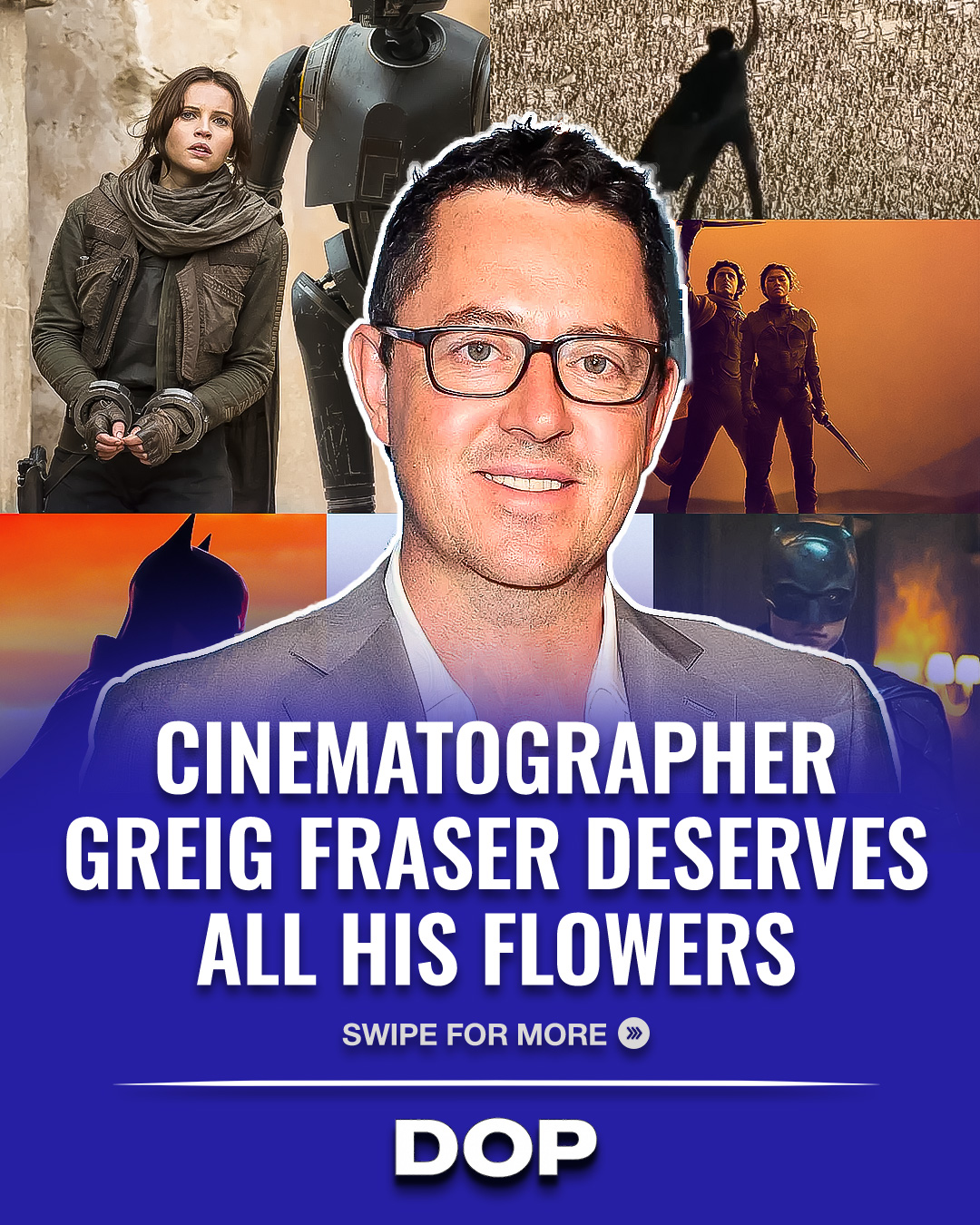
In an era where the visual language of blockbuster cinema often risks homogenization, Greig Fraser ASC, ACS stands as a defiant architect of distinct worlds. His filmography isn't just a collection of impressive credits; it's a masterclass in how a cinematographer can imbue a narrative with unparalleled depth, atmosphere, and psychological resonance. From the sun-baked, monumental vistas of Arrakis to the rain-slicked, neon-drenched labyrinth of Gotham, Fraser’s camera doesn't merely record; it interprets, it feels, it *is* the story.
Fraser's work on Dune Part One, which earned him a well-deserved Academy Award, wasn't just about capturing stunning sandscapes. It was about defining the very essence of a planet, balancing the terrifying scale of a desert world with the intimate, often claustrophobic, experience of its inhabitants. He achieved this through a meticulous approach to natural light, often harnessing the harsh, direct sun to sculpt monumental forms and emphasize the brutal beauty of Arrakis. The choice of large-format ALEXA LF and Mini LF cameras, paired with Panavision Ultra Vista lenses, provided a breathtaking canvas that felt both expansive and incredibly detailed, allowing for a sense of immersion rarely achieved in sci-fi epics. The color palette, dominated by ochres, muted blues, and deep shadows, established a visual grammar that was both alien and deeply resonant, a testament to his collaborative spirit with director Denis Villeneuve.
Crafting Worlds, Not Just Scenes
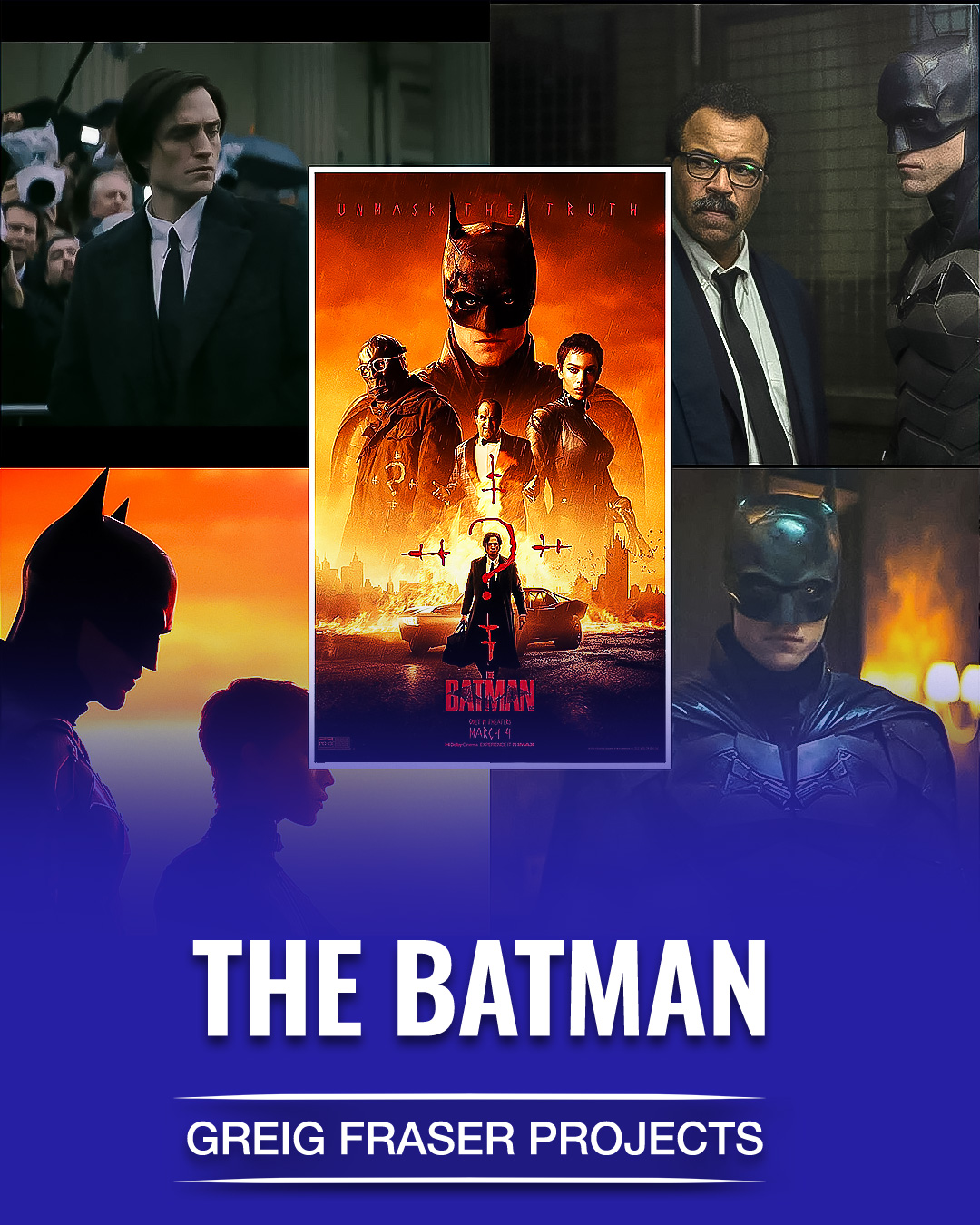
The transition from Arrakis to Gotham in The Batman showcases Fraser's remarkable versatility. Here, the challenge was not just to differentiate a new iteration of a beloved character but to plunge the audience directly into Bruce Wayne's tormented psyche. Fraser and director Matt Reeves opted for a visual language steeped in neo-noir and urban decay. The decision to shoot largely with an amber and red-tinged palette, often pushed through practical lights and atmospheric haze, created a Gotham that felt perpetually on the brink, a city consumed by its own moral rot. Long lenses, often with a shallow depth of field, kept Batman isolated, a solitary figure against a backdrop of urban sprawl. The use of anamorphic lenses, specifically ARRI Alexa LF with ATLAS Orion Anamorphics, helped create that signature oval bokeh and a cinematic sweep, even in the tight, claustrophobic interiors of the Batcave or the rain-swept streets. It was a conscious departure from the cleaner, more operatic Gotham of previous films, embracing a grittier, more grounded reality that felt inherently psychological.
"Fraser’s camera doesn't merely record; it interprets, it feels, it *is* the story."
Dune Part Two further pushed the boundaries, expanding the visual vocabulary established in the first film while introducing entirely new environments. The most striking addition was the Harkonnen homeworld, Giedi Prime, rendered in a stark, infrared-derived black and white. This bold artistic choice was not merely an aesthetic flourish; it was a deeply narrative one, reflecting the soulless, brutalist nature of the Harkonnens themselves. The absence of color stripped away any warmth or humanity, leaving only a brutalist geometry of light and shadow. This kind of audacious visual decision, meticulously executed, is a hallmark of Fraser's ability to use cinematography as a powerful storytelling tool, not just a decorative layer.
Democratizing the Aesthetic: The FX3 and Beyond
Perhaps one of the most compelling aspects of Fraser's recent work, particularly on The Creator, is his willingness to challenge industry norms regarding equipment. The fact that significant portions of this visually stunning sci-fi epic were captured on a Sony FX3, a camera body retailing for under $4,000, alongside the high-end Sony Venice, is nothing short of revolutionary. This isn't just a technical footnote; it’s a profound statement about the true source of cinematic magic. It underscores that while technology certainly plays a role, it is the eye, the understanding of light, composition, and narrative, that truly defines a cinematographer's artistry. The FX3, with its compact form factor, excellent low-light capabilities, and robust color science, allowed for a nimble, almost documentary-style approach, particularly in challenging environments, without compromising the overall visual standard established by the Venice. This democratizes high-end aesthetics, proving that a masterful cinematographer can achieve breathtaking results with tools that are increasingly accessible.
Fraser's engagement with the @complexpop Instagram post, celebrating his filmography with prayer-hands emojis, offers another significant insight. It signals a growing public recognition for cinematographers, a role often relegated to the shadows despite its monumental impact on a film's success. As Occupy Cinematography, we champion this shift. It’s a testament to the fact that audiences and industry professionals alike are increasingly understanding that the visual architect behind the lens is as crucial to a film's identity as its director or stars. Greig Fraser isn't just shooting films; he's crafting cinematic legacies, one meticulously lit and framed image at a time.
This article contains affiliate links. We may earn a small commission at no extra cost to you. Learn more.