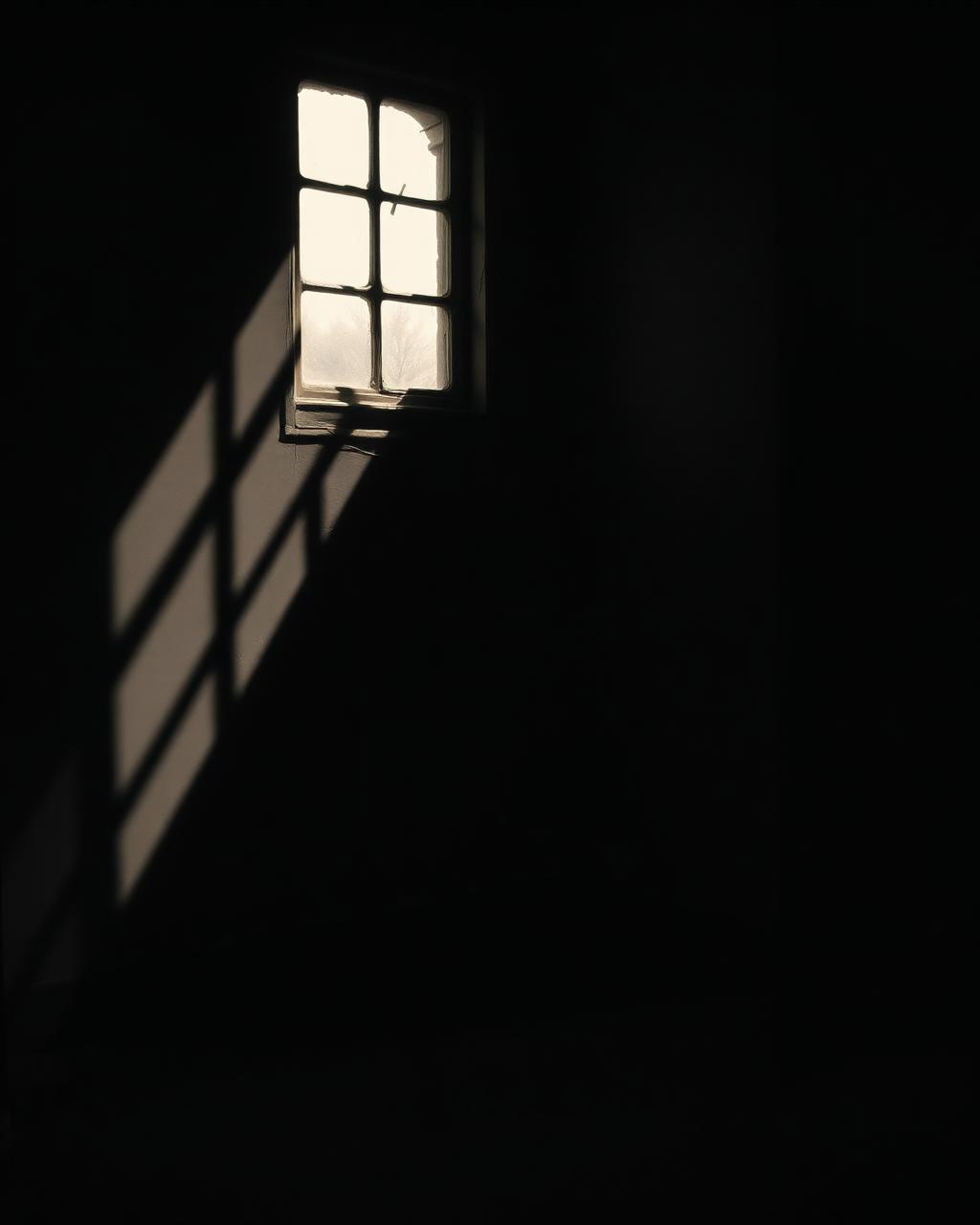
The most important decision a cinematographer can make is often made before the first camera test. For In a Whisper, director Leyla Bouzid's film about her grandmother's home in Sousse, Tunisia, that decision came when Bouzid told cinematographer Sebastien Goepfert: "The house is the main character." Everything else followed from that statement.
Bouzid's knowledge of her grandmother's home was intimate and specific—the geography of rooms, the quality of light at different hours, the way the space held memory and family story. But a house is not a character in any traditional sense. It does not have dialogue or motivation or an arc. What it has is a psychology—the way a space makes you feel, the way it reveals or conceals, the way it holds or releases its inhabitants. When Bouzid told Goepfert that the house was the main character, she was asking him to photograph a building the way you would photograph a face. Every shadow needed to mean something. Every light choice needed to express the building's emotional state.
Goepfert's approach, detailed in an extended interview with Film Fest Report, relied on chiaroscuro: strong light from the exterior leaving the rooms in semi-darkness. This is not accidental. It is the visual argument of the entire film. The house exists between light and shadow, never fully illuminated by the domestic space itself, always backlit against the world outside. The characters inside it are photographed with the same grammar: partially obscured, half in darkness, always situated in relation to the light that comes from outside the building. The house does not embrace them. It reveals them against its own mystery.
This required Bouzid and Goepfert to agree on what the house was feeling in each scene before they placed a single light. They had to establish a consistent visual behavior for the building across the entire film. The backlight and shadow grammar they built together means that the house, as a character, has a consistent emotional trajectory. It hides. It withholds. It is present but not warm. That consistency comes from a decision made early—the house is the main character—and executed with absolute discipline across every setup.
For cinematographers learning to collaborate with directors, In a Whisper is a masterclass in what happens when the director makes a statement that is not about camera or light, but about meaning. Goepfert did not photograph a building according to its physical specifications. He lit it according to its role in the story. That understanding—that a location can carry a character's emotional weight—is the difference between competent cinematography and cinema.
Bouzid told Goepfert the house was the main character. Goepfert lit it like one: with a psychology, not a schematic.
Gear Recommendations
- Blackmagic Pocket Cinema Camera 6K Pro | Adorama – B&H Photo
- Cooke miniS4/i Prime Set | Adorama – B&H Photo
- SmallHD Ultra 7 Monitor | Adorama – B&H Photo
- Tiffen Black Pro-Mist 1/4 Filter | Adorama – B&H Photo
Note: Links above are affiliate links. Occupy Cinematography may earn a commission on qualifying purchases at no additional cost to you.