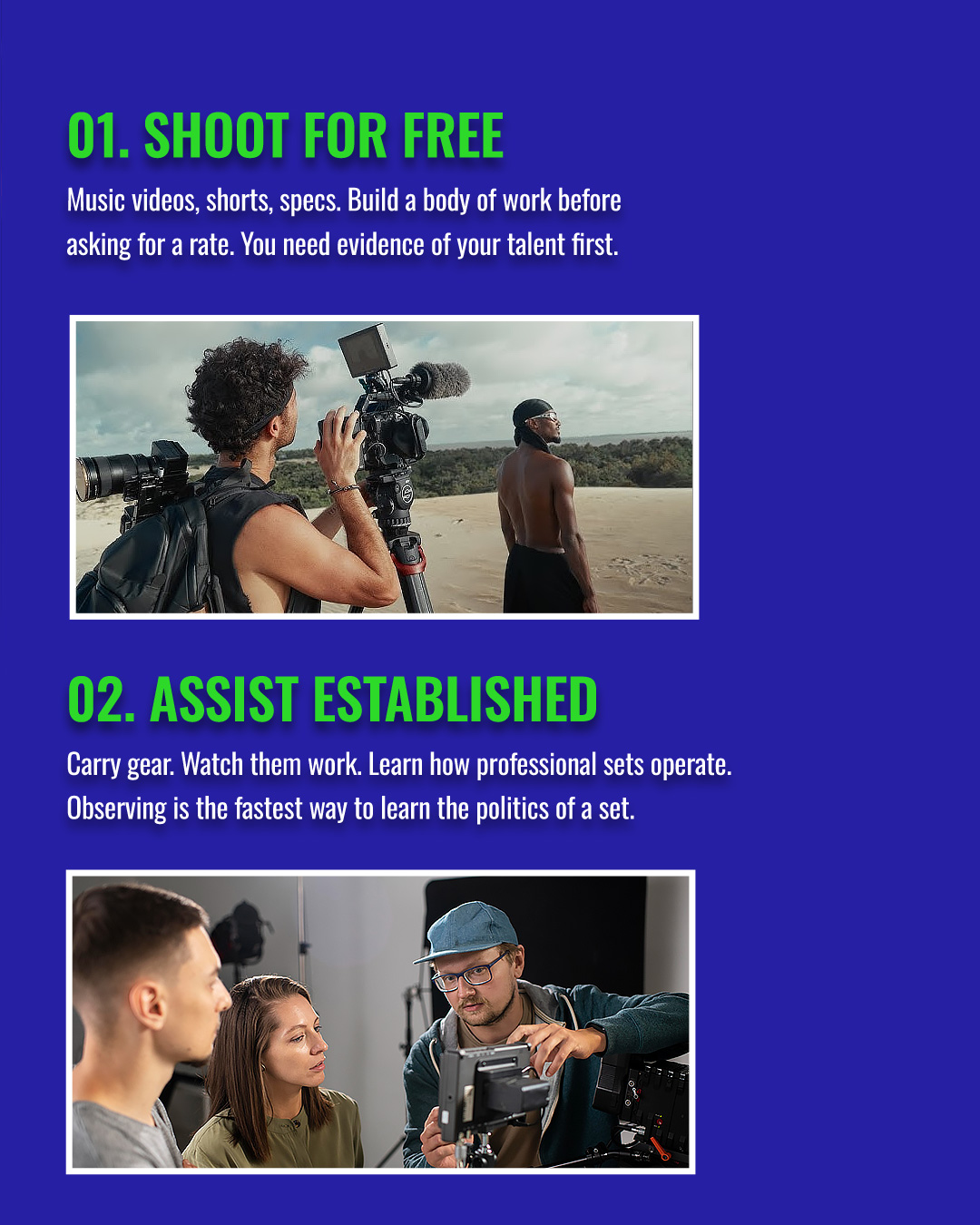
The journey from an aspiring film student to a working cinematographer is less a linear path and more a densely woven labyrinth. While film school provides an invaluable foundation in theory, history, and the fundamental mechanics of image-making, the true proving ground lies in the trenches of independent productions. Unpaid or low-paid projects – music videos, short films, spec commercials – are not just stepping stones; they are the crucible where technical capability is forged and a compelling body of work begins to take shape. This nascent portfolio, though often born of shoestring budgets and long hours, is the essential currency that demonstrates a cinematographer's eye, problem-solving prowess, and sheer dedication.
Beyond the camera, the education continues through the invaluable experience of assisting established Directors of Photography. This isn't merely about fetching coffee; it's an immersive masterclass in the operational realities of a professional set. From the intricate choreography of a complex lighting setup to the nuanced communication protocols between departments, and the rigorous workflow expectations that govern a high-stakes production, these practical lessons are rarely taught in a classroom. They are absorbed through observation, hands-on application, and the quiet understanding of how a well-oiled machine functions under pressure. The insights gained here are as crucial as mastering the latest camera system or understanding advanced color science; they are about the art of collaboration and the discipline of execution.
The Power of Partnership and Specialization
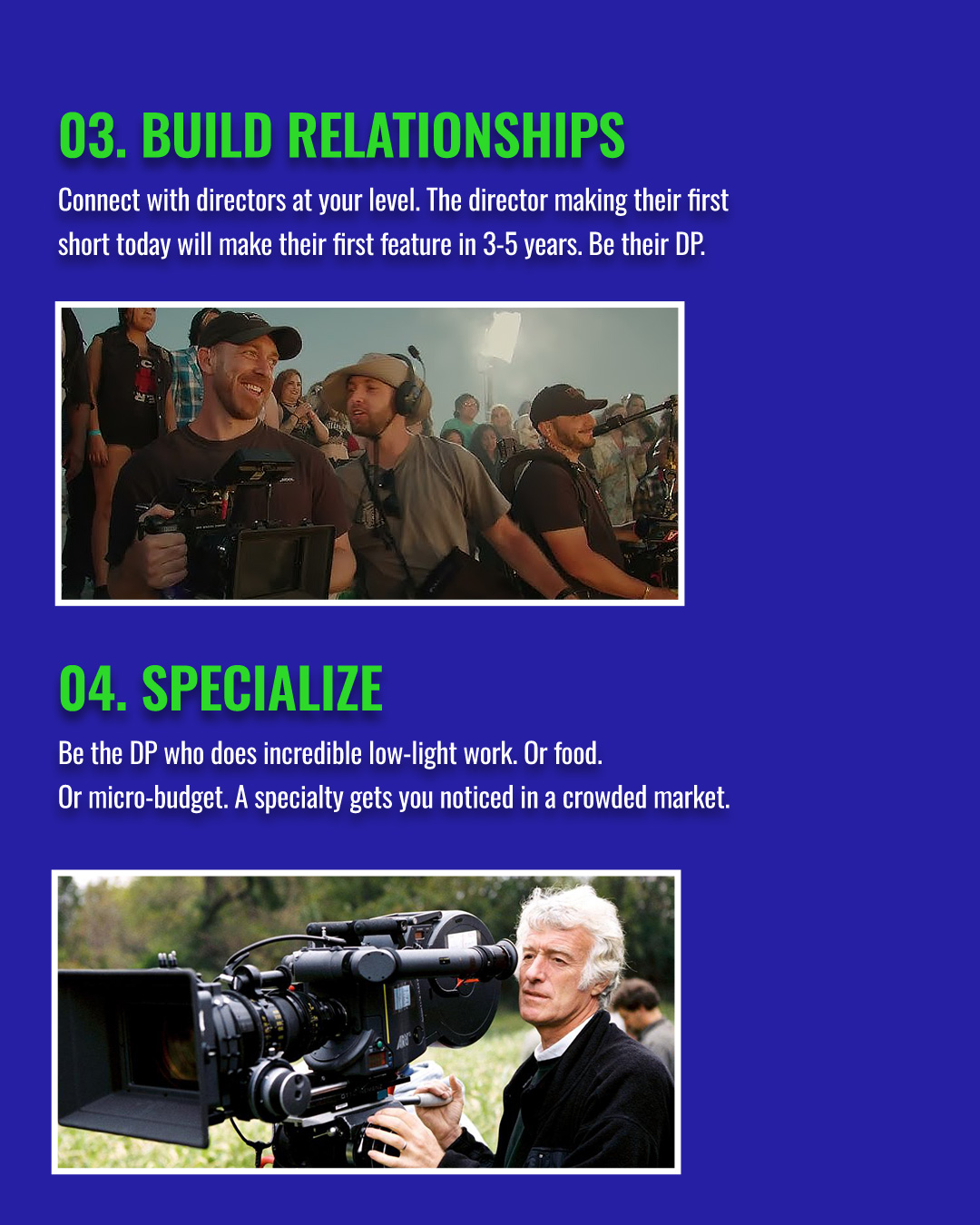
Building a career in cinematography is also about foresight and fostering relationships. The director cutting their teeth on a micro-budget short film today might be helming a major feature in five years. Establishing a strong working relationship at this early stage can cultivate a partnership that scales with both careers, creating a symbiotic artistic bond that transcends individual projects. Think of the enduring collaborations between Roger Deakins and the Coen Brothers, or Emmanuel Lubezki and Alfonso Cuarón—these are built on trust, shared vision, and a history of successful collaboration that often begins long before blockbuster budgets enter the picture.
"Specialization is the bedrock upon which a recognizable brand in cinematography is built. It’s not about limiting your potential, but about amplifying your unique voice in a crowded marketplace."
In a fiercely competitive landscape, the generalist often gets lost in the noise. Professional recognition, therefore, is significantly accelerated through specialization. Being known as 'the low-light guru' or 'the master of food photography' or 'the go-to for vérité documentary' carves out a distinct niche. This isn't about artistic pigeonholing; it's about strategic market positioning. When a producer or director is looking for a specific visual style or technical expertise, a specialized DP becomes immediately identifiable and relevant to their project's unique demands. It simplifies the hiring decision, transforming a broad search into a targeted selection.
The Showreel: Your Visual Business Card
The ultimate arbiter of a cinematographer's talent and specialization is their showreel. This isn't just a collection of your best work; it's a meticulously curated argument for why you should be hired. A 60-second reel, comprising your ten strongest shots, is the industry standard—a concise, impactful burst of visual storytelling that prioritizes aesthetic punch over chronological completeness. It demands ruthless self-editing, focusing on moments that instantly convey your visual philosophy, your command of light, composition, and color. This reel should be a living document, updated every six months to reflect your latest achievements and evolving style.
Consider the technical details that elevate these shots: the soft, yet precise fall-off of an ARRI Alexa Mini LF's large format sensor paired with vintage anamorphic glass, creating a unique bokeh and organic texture. Or perhaps the masterful use of negative fill and practicals to sculpt faces in a dark, moody scene, demonstrating a deep understanding of contrast ratios and the psychological impact of light. The showreel isn't just about pretty pictures; it's about showcasing your technical mastery and artistic voice—your ability to translate narrative into compelling visual language.
Ultimately, the transition from student to sought-after DP is a marathon, not a sprint. It requires a relentless pursuit of practical experience, a strategic approach to building a distinctive portfolio, and the wisdom to cultivate lasting professional relationships. It's about understanding that every frame you capture, every light you position, every creative decision you make, contributes to the narrative of your own career in cinematography.
This article contains affiliate links. We may earn a small commission at no extra cost to you. Learn more.