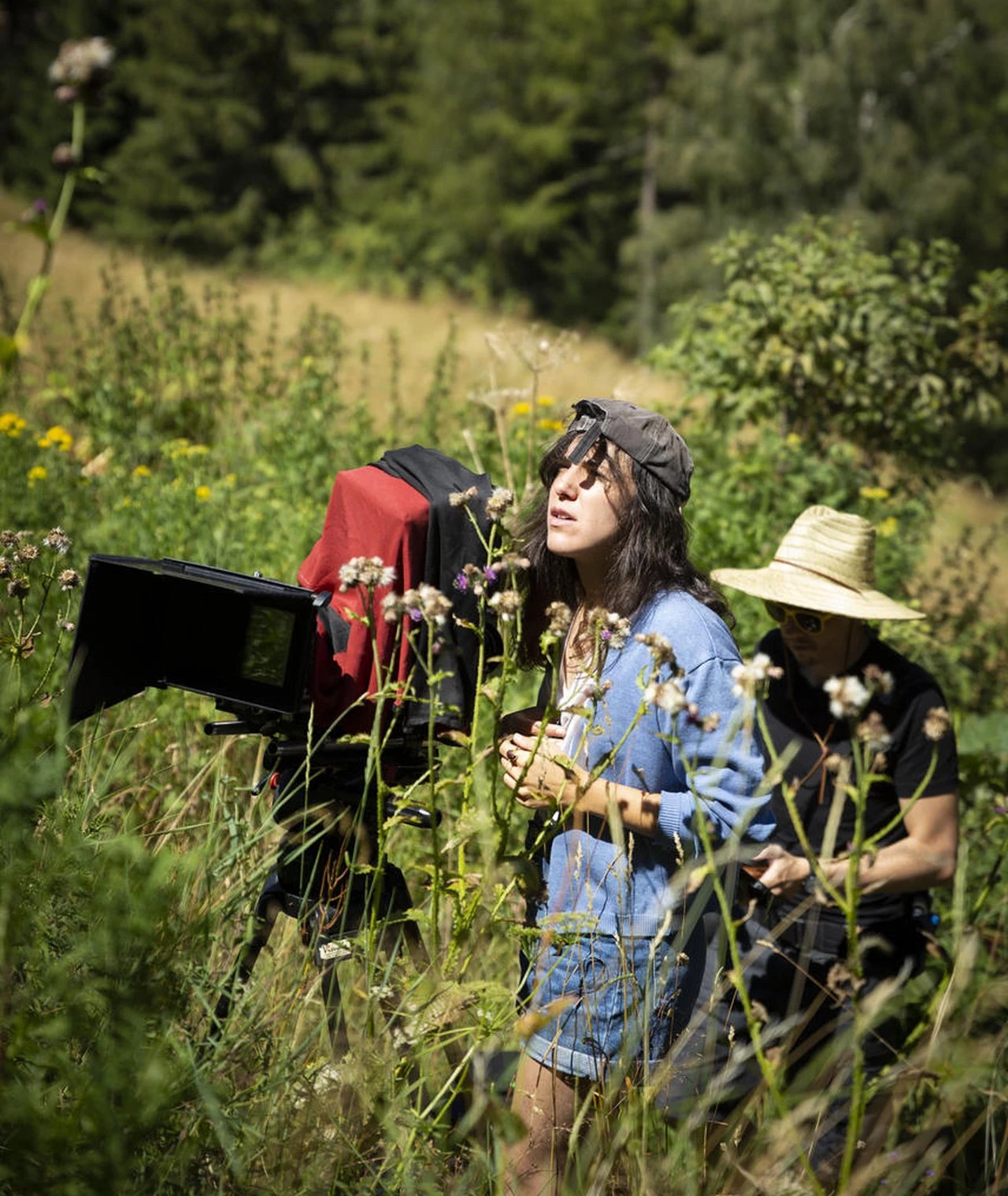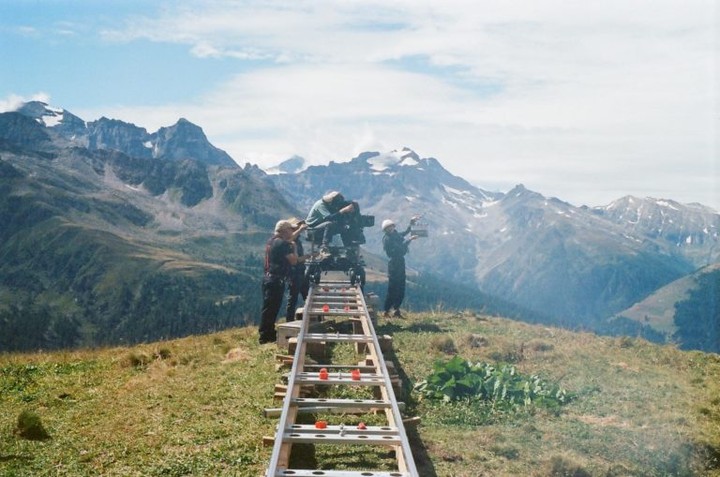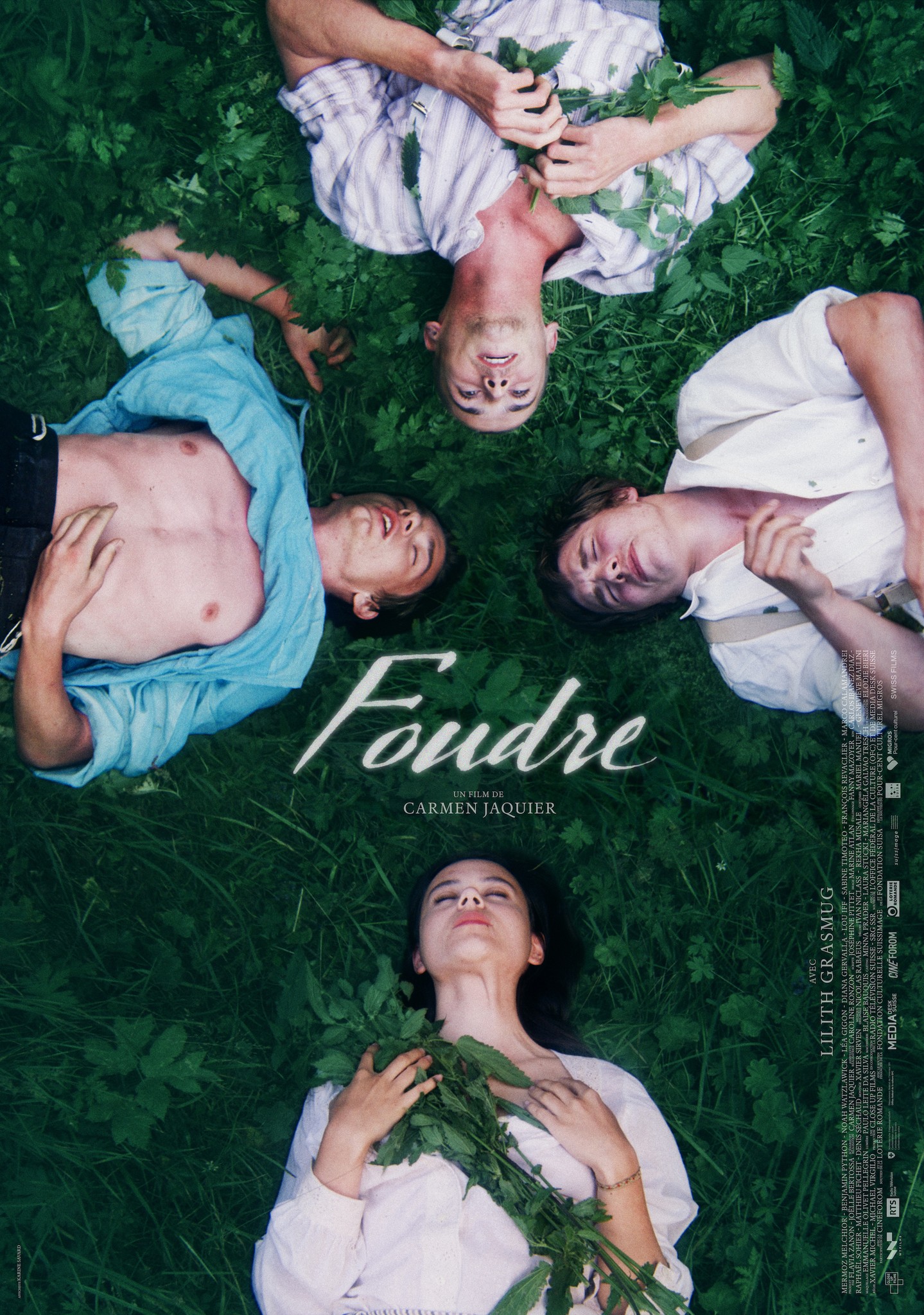
The journey from cinematographer to director is a path less traveled, yet one that frequently yields compelling results. For cinematographers, the visual language is their mother tongue; they understand the alchemy of light, shadow, and composition with an innate precision. This deeply ingrained visual intelligence is precisely what makes the directorial debut of French cinematographer Marine Atlan, La Gradiva, such an anticipated event at Cannes Critics' Week 2026. Having already garnered critical acclaim for her distinctive work behind the lens on films like 2018's Jessica Forever and 2022's Foudre, Atlan is poised to translate her profound understanding of image-making into a narrative as director, a transition that promises a nuanced and visually rich cinematic experience.
Atlan's filmography as a Director of Photography reveals a keen eye for atmospheric depth and subtle emotional resonance. While specific technical details of her past work are often guarded by the mystique of European independent cinema, her films are characterized by a contemplative pacing and a painterly use of natural light, often augmented by carefully sculpted practicals. One can surmise that her preferred toolkit likely includes cameras known for their organic sensor response and dynamic range, such as ARRI ALEXA variants, paired with lenses that offer a beautiful fall-off and characterful aberrations, perhaps vintage glass or modern optics designed for a more classic aesthetic. This approach, prioritizing texture and emotional truth over clinical sharpness, would have been instrumental in crafting the distinct visual identities of her previous projects.
The DP's Eye in the Director's Chair
What sets a cinematographer-turned-director apart? It's the pre-visualization, the ability to 'see' the film in its entirety before a single frame is shot. A DP’s mind is a living storyboard, already mapping out the blocking, the lighting, the camera movement, and the emotional arc within each shot. This intimate relationship with the image means that for Atlan, La Gradiva won't just be directed; it will be meticulously built, image by image, with every frame serving a deliberate purpose. Her Grand Prix du Scenario and the 2024 Fondation GAN Creation Prize for the script further underscore that her vision extends beyond aesthetics, integrating story and visuals seamlessly.
“Cinematographers who transition into directing bring a specific visual intelligence to the set. They already know what the image will be before the camera turns on.”
This holistic approach is particularly exciting given the premise of La Gradiva. The film follows a Latin teacher and her students to Pompeii, a setting that is not merely a backdrop but a character in itself. Imagine the interplay of light and shadow on ancient ruins, the textures of volcanic ash and crumbling frescoes, the sense of time suspended. A lesser director might treat Pompeii as an exotic location; Atlan, with her DP's sensibility, will undoubtedly imbue it with a palpable presence, allowing its history and weight to actively inform the characters' emotional journeys and desires. We can anticipate evocative wide shots that capture the scale of the archaeological site, contrasted with intimate close-ups that find humanity amidst the petrified past.
Crafting Narrative Through Light and Stone
From a technical standpoint, the visual challenges and opportunities presented by Pompeii are immense. How will Atlan approach the natural light of Italy, known for its harshness and beauty? Will she embrace high contrast, allowing the sun to carve out shapes from the ruins, or will she seek out softer, more diffused light to evoke a sense of melancholy or introspection? Given her previous work, a blend of both seems likely, using light not just to illuminate, but to articulate the film's themes of desire and the surfacing of emotions. We might see a strategic use of color palettes – perhaps desaturated tones for the ancient world, punctuated by bursts of vibrant color representing the students' burgeoning feelings.
The choice of lenses will be critical in defining the spatial relationship between characters and their ancient surroundings. Perhaps wider, slightly distorting primes to emphasize the overwhelming nature of the ruins, or longer focal lengths to isolate characters within the vastness, creating a sense of intimacy or vulnerability. The subtle character of spherical lenses, known for their organic bokeh and gentle fall-off, could be favored to soften the edges of reality, blurring the line between the present and the echoes of the past. The color science will undoubtedly be carefully calibrated to evoke a specific mood, perhaps leaning into a slightly desaturated, earthy palette that grounds the narrative in its historical setting while allowing human emotions to stand out with vibrant clarity.
The selection of La Gradiva for Cannes Critics' Week, one of only nine first features eligible for the prestigious Camera d'Or, speaks volumes about the industry's confidence in Atlan's vision. It’s a testament to the power of a cinematographer’s perspective, demonstrating that a profound understanding of visual storytelling can be a formidable foundation for directorial success. As the world awaits the premiere this May 13th, Occupy Cinematography will be watching closely, ready to dissect the visual intelligence that Marine Atlan brings from the lens to the director's chair, and how she transforms the ancient stones of Pompeii into a living, breathing character in her debut narrative.