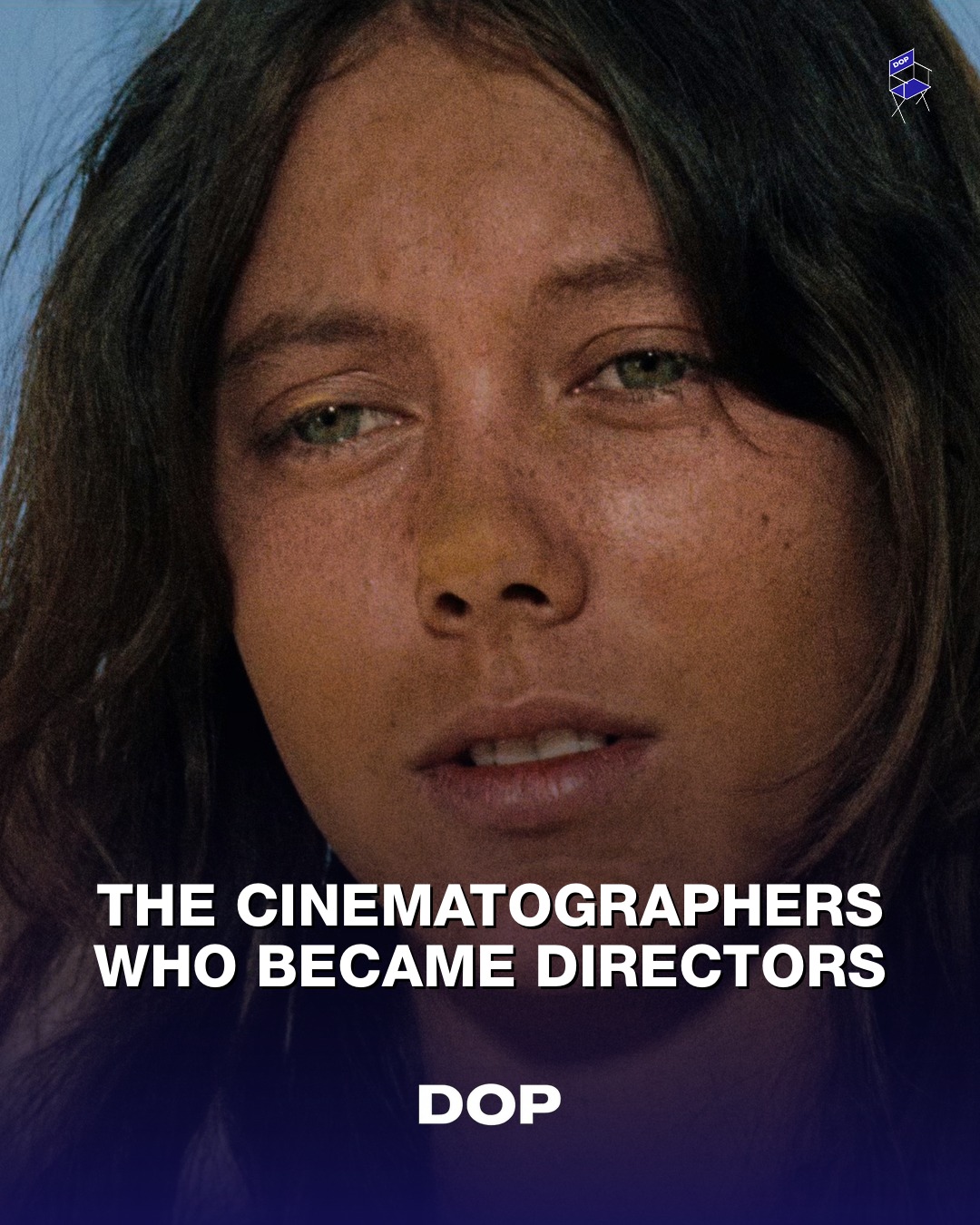
The journey from cinematographer to director is a well-trodden path, yet each transition brings with it a unique set of challenges and triumphs. For generations, the camera department has served as an invaluable training ground, imbuing its practitioners with an intimate understanding of visual storytelling, composition, and the very language of cinema. This lineage of DPs-turned-auteurs is not merely anecdotal; it represents a fundamental truth about filmmaking: the director of photography is often the director of the film's soul.
Consider the legendary Freddie Francis, a master of light and shadow. His early career saw him capture the stark beauty of Sons and Lovers (1960), earning him an Academy Award. But Francis wasn't content to merely paint with light; he yearned to sculpt narratives. He transitioned into directing, leaving an indelible mark on the horror genre with films like The Evil of Frankenstein and Dracula Has Risen from the Grave. What's truly remarkable is his return to cinematography, culminating in a second Oscar for the epic Glory (1989). This ebb and flow between roles speaks volumes about the intrinsic connection between visual execution and overall artistic vision, and Francis's ability to excel at both ends of the spectrum.
The Auteur's Eye: Nicolas Roeg's Singular Vision
Perhaps no figure exemplifies the DP-turned-director archetype more profoundly than Nicolas Roeg. Before he redefined cinematic narrative, Roeg spent years honing his craft as a working cameraman, contributing to visually rich films such as Far from the Madding Crowd. His photographic eye was already legendary, but it was with 1971's Walkabout that Roeg truly unleashed his singular directorial vision. Crucially, he also photographed it, demonstrating an unparalleled command over every frame. His films, like Don't Look Now and The Man Who Fell to Earth, are renowned for their fragmented narratives, disorienting edits, and breathtaking visual poetry, all hallmarks of a filmmaker who thinks in images first.
"The director of photography is often the director of the film's soul, understanding visual storytelling at its most fundamental level."
Roeg's approach wasn't just about pretty pictures; it was about using the camera to convey psychological states, to disorient and immerse the audience. His choice of lenses, his framing, his manipulation of light and color were always in service of a deeper emotional or thematic purpose. This holistic understanding of filmmaking, born from years behind the lens, allowed him to create works that remain distinct and challenging even today.
From Indie Grit to Hollywood Blockbusters
The trajectory isn't always from art-house to art-house. Barry Sonnenfeld, for instance, cut his teeth as the cinematographer for the Coen Brothers' early masterpieces, Blood Simple, Raising Arizona, and Miller's Crossing. His distinct, often quirky visual style perfectly complemented the Coens' idiosyncratic narratives. When he stepped into the director's chair for The Addams Family (1991), he brought with him that same meticulous eye for composition and comedic timing, translating his visual sensibilities into a successful directorial career. Similarly, Jan de Bont, the DP behind action classics like Die Hard and Basic Instinct, transitioned seamlessly to directing with the high-octane thrill ride Speed (1994), proving that a deep understanding of visual dynamics is crucial for blockbuster success.
Then there's Ernest Dickerson, whose collaborations with Spike Lee on films like Do the Right Thing and Malcolm X defined an era of American cinema. Dickerson's bold use of color, dynamic camera movement, and evocative lighting were instrumental in shaping Lee's visual language. His directorial debut, Juice, released the same year as Malcolm X, showcased his ability to craft compelling narratives with the same visual flair he brought to his cinematography. These examples underscore that the transition isn't about abandoning one craft for another, but rather expanding one's canvas.
More recently, we've seen talents like Reed Morano make the leap. After lensing critically acclaimed indies such as Frozen River and The Skeleton Twins, Morano took the bold step of both shooting and directing her debut feature, Meadowland, in 2015. This dual role allowed her an unprecedented level of control, ensuring that her directorial vision was seamlessly integrated with her photographic aesthetic. Her subsequent work, including episodes of The Handmaid's Tale, further solidifies her reputation as a formidable filmmaker with a profound understanding of visual storytelling.
The question of 'who's next' is always a tantalizing one. The craft of cinematography instills a unique perspective, a deep understanding of light, composition, movement, and the emotional resonance of an image. These are not merely technical skills; they are the bedrock of directorial vision. As the industry evolves, the pathway from DP to director remains a vibrant and essential route for those who not only want to capture the story but to tell it themselves, with every frame.